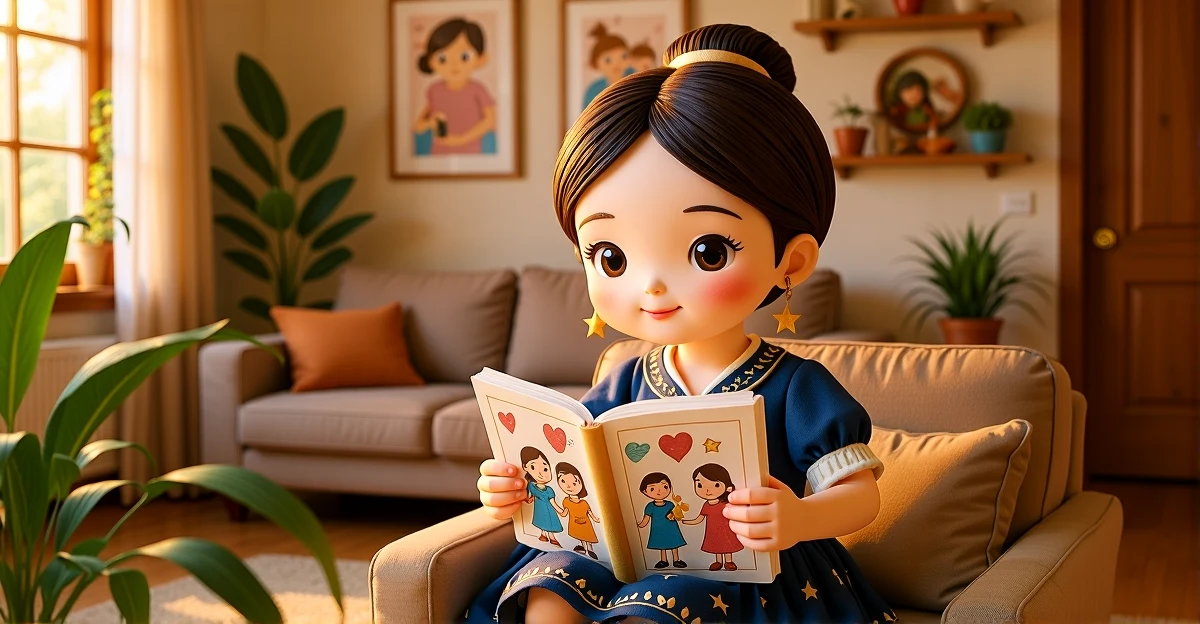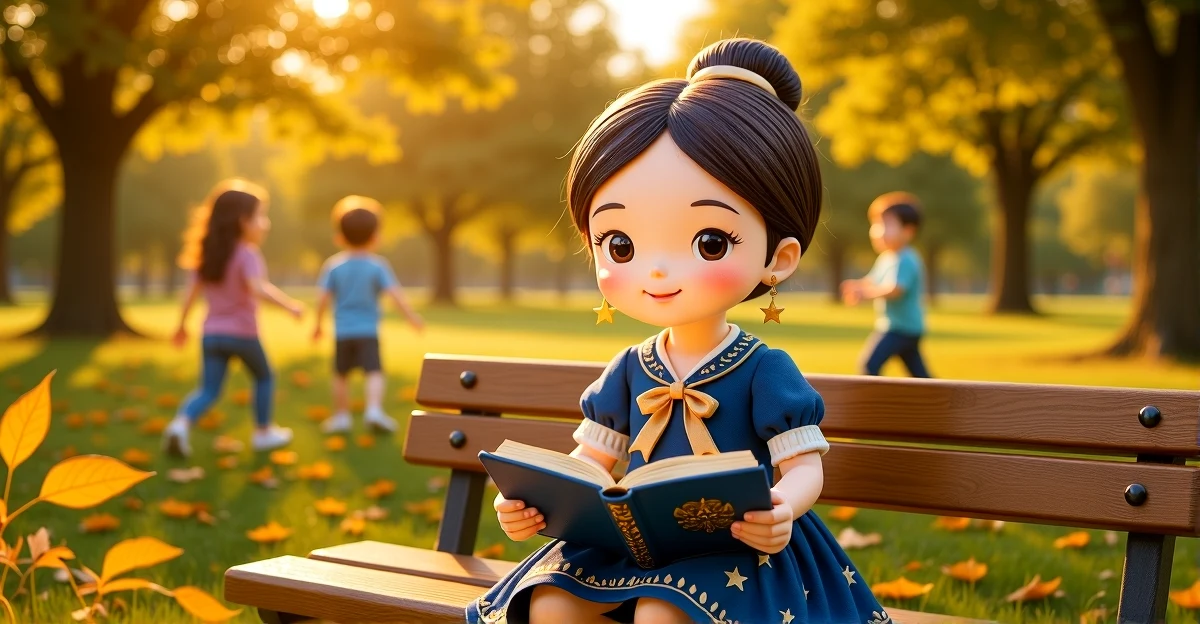

Hello, wonderful parent! It's me, Inara, and I want to talk with you about something I've been noticing in homes all around the world. Your six or seven year old is coming home with stories about friendship drama, about who's friends with who, about feeling left out of certain groups, about trying to understand the invisible rules of the playground. And you're wondering, is this normal? Should I be worried? What can I do to help?
Let me start by saying this: You are not alone. This is one of the MOST common experiences for children in this age group. And here's the beautiful truth - what looks like struggling is actually your child's brain doing something absolutely amazing. They're developing social intelligence.
In this post, we're going to explore what's really happening when your child encounters complex social dynamics, what research tells us about this developmental phase, and most importantly, how you can support your child through this journey with warmth, wisdom, and practical strategies. Plus, I'll share a story from The Book of Inara that can help your child understand what authentic friendship really means.
What's Really Happening: The Shift from Simple to Complex Friendships
Up until now, friendships were pretty straightforward for your child. You play with someone, you're friends. You share a toy, you're friends. Simple, clear, beautiful.
But around ages six and seven, something shifts. Your child starts to notice that friendships have layers. That some kids play together more than others. That there are groups and patterns and invisible social rules. And their developing brain is trying to make sense of all of this for the very first time.
This isn't a problem. This is development. This is your child's brain learning to understand the complex, nuanced world of human relationships. They're noticing things they couldn't see before. They're asking questions they couldn't formulate before. They're feeling feelings they couldn't name before.
The Social Intelligence Leap
What we're witnessing is a major developmental leap in social cognition. Your child is learning to:
- Recognize that friendships exist on a spectrum, not just as on/off switches
- Understand that different people have different friendship styles and preferences
- Notice group dynamics and social hierarchies
- Read subtle social cues and unspoken rules
- Navigate the difference between being friendly and being friends
- Manage the complexity of multiple friendships simultaneously
These are sophisticated skills that adults use every single day. And your six or seven year old is just beginning to develop them. Of COURSE it feels confusing sometimes. Of course there are bumps along the way. This is brand new territory for their growing brain.
What Research Tells Us About Peer Navigation
Here's something that might surprise you: research shows that when children receive support in developing their social and emotional skills, they don't just get better at making friends. They show improvements in academic performance, emotional regulation, and overall well-being.
A comprehensive meta-analysis of over 270,000 students found that social and emotional learning programs significantly improve children's ability to navigate peer relationships, with participants showing measurable gains in social skills, emotional understanding, and positive peer relationships.
— Dr. Joseph Durlak and Dr. Roger Weissberg, Child Development (2011)
The Collaborative for Academic, Social, and Emotional Learning reminds us of something SO important: learning is a relational process. We're not simply cognitive beings. We're not simply emotional beings. We're not simply social beings. We are all of those things simultaneously. And for six and seven year olds, this is the age when they're learning to integrate all of these pieces together in their friendships.
Research on peer group dynamics shows us that understanding social structures actually helps children navigate complex peer relationships more effectively. When children learn to recognize different types of friendships and group patterns, they develop the ability to make choices about which friendships feel good and which ones don't.
This Is Normal Development, Not a Problem to Fix
I want to emphasize this because it's SO important: your child's confusion about social dynamics doesn't mean they're behind or struggling. It means they're right on track. Their brain is developing exactly as it should.
Strong ingroup and outgroup differentiation patterns naturally emerge during elementary school years. Children start to notice who's in which group, who plays with whom, who shares similar interests. This is their brain learning to categorize and make sense of social information. It's a normal, healthy part of development.
Gentle Strategies to Support Your Child's Social Development
So what can you do as a parent? How can you support your child through this phase? Let me share some strategies that are backed by research and filled with warmth.
1. Validate Their Feelings First
When your child comes home feeling confused or hurt by friendship dynamics, the most powerful thing you can do is validate their experience. Not dismiss it, not minimize it, but truly see it.
You might say something like: "Friendships can feel really confusing sometimes, can't they? Tell me what happened today." This simple act of listening and validating helps your child know that their feelings make sense, that they're not alone, and that you're there to help them figure this out.
2. Help Them Identify Healthy Friendships
Teach your child that real friendships are built on how people make you feel, not on who's popular or who's in which group. You might share stories from your own childhood about friendships that felt warm and supportive versus friendships that felt confusing or hurtful.
Ask questions like:
- "How do you feel when you're with this friend?"
- "Does this friendship make you feel good about yourself?"
- "Can you be yourself around this person?"
- "Do they listen when you talk about things that matter to you?"
These conversations help your child develop the ability to recognize authentic connections versus superficial ones.
3. Normalize Different Types of Friendships
Help your child understand that it's okay to have different friends for different activities. Not every friend needs to be a best friend. Some friends are great for playing soccer. Some friends are wonderful for quiet reading time. Some friends make you laugh. Some friends are great listeners.
This takes the pressure off of trying to fit into one specific group and helps children appreciate the unique gifts that different friendships bring.
4. Role-Play Social Situations
If your child is struggling with knowing what to say when someone leaves them out, practice together at home. You might say, "What could you say if someone tells you they're playing a game and you can't join?"
Let your child try out different responses in the safety of home, where there's no pressure and lots of support. This builds their confidence and gives them tools they can use in real situations.
5. Focus on Empathy and Perspective-Taking
Help your child understand that everyone has feelings, including the kids who might seem "popular" or "in charge." When children learn to see situations from multiple perspectives, they develop deeper empathy and better social skills.
You might ask: "Why do you think that child acted that way? What might they have been feeling?" This helps your child move beyond surface-level judgments to deeper understanding.
A Story That Can Help
In The Book of Inara, we have a beautiful story that brings these concepts to life for your child:
The Warmth That Connects Us All
Perfect for: Ages 6-7
What makes it special: Lucas and Ella discover that the ancient sauna holds gentle steam that carries whispered messages of love and care. Through their adventure, they learn that true friendships are built on invisible emotional connections and mutual support, not on social status or group membership. The story beautifully illustrates the difference between authentic friendship based on care and understanding versus superficial connections based on popularity.
Key lesson: Real friendships feel warm and supportive, like gentle steam that wraps around you. They're built on patience, understanding, and being there for each other - not on who's in which group or who's considered popular.
After reading together: Talk with your child about how Lucas and Ella's friendship is different from friendships based on social status. Ask them to identify which of their friendships feel "warm" like the story describes. Help them recognize the difference between friends who make them feel cared for and situations that feel confusing or hurtful.
You're Doing Beautifully
I want to remind you of something important. The fact that you're here, reading this, learning about how to support your child through this phase - that tells me everything I need to know about the kind of parent you are. You care deeply. You want to help. And that caring, that desire to support your child, that's the foundation of everything.
Your child's journey through understanding social dynamics is going to have ups and downs. There will be days when they come home feeling confused or hurt. There will be days when friendships feel complicated. And that's okay. That's normal. That's their brain learning to navigate the complex, beautiful world of human relationships.
When you validate their feelings, help them identify healthy friendships, give them language for their experiences, and read stories together that model authentic connection, you're building skills that will serve them for a lifetime. This skill you're helping them develop right now is going to help them in middle school, in high school, in college, in their careers, in their adult relationships. You're giving them such a gift.
The Magic Book and I are always here for you. We have so many stories that can help with this journey - stories about friendship, about empathy, about understanding that real connections are built on care and kindness, not on popularity or status.
Sweet dreams, wonderful parent. You've got this. With love and starlight, Inara.
Related Articles
- How to Nurture Your Child's Empathy and World-Changing Impact (Ages 6-7)
- Nurturing Your Child Innovation Mindset: A Gentle Guide for Ages 6-7
- When Your Child Makes Insensitive Comments: A Gentle Guide to Teaching Cultural Awareness
- When Your Child Expresses Thoughts of Self-Harm: Getting Help Now
- Nurturing Purpose and Meaning in Young Children: A Gentle Guide for Parents
Show transcript
Hello, wonderful parent! It's me, Inara, and I am so happy you're here today. You know, the Magic Book and I have been noticing something happening in homes all around the world. Parents are reaching out, asking about friendship drama, cliques, and those confusing social dynamics that seem to pop up around ages six and seven. And I want you to know something right from the start. If your child is coming home confused about friend groups, or feeling left out, or struggling to understand why friendships suddenly feel so complicated, you are not alone. This is one of the MOST common experiences for children in this age group, and there's so much we can do to support them through it.
So grab a cozy cup of tea, settle in, and let's talk about what's really happening when your six or seven year old encounters these complex social dynamics, and more importantly, how we can help them navigate this beautiful, challenging phase of growing up.
First, I want to share something the Magic Book taught me that completely changed how I see this. When your child comes home talking about who's friends with who, or feeling confused about why someone didn't play with them today, or trying to figure out the invisible rules of the playground, they're not struggling. They're learning. Their brain is doing something absolutely AMAZING. They're developing social intelligence.
You see, up until now, friendships were pretty simple. You play with someone, you're friends. You share a toy, you're friends. But around ages six and seven, something shifts. Children start to notice that friendships have layers. That some kids play together more than others. That there are groups and patterns and invisible social rules. And their developing brain is trying to make sense of all of this for the very first time.
Research shows us something wonderful here. A comprehensive study of over two hundred seventy thousand students found that when children receive support in developing their social and emotional skills, they show significant improvements in navigating peer relationships. We're talking about measurable gains in social skills, emotional understanding, and the ability to build positive friendships. This isn't about fixing a problem. This is about supporting a skill that's actively developing.
The Collaborative for Academic, Social, and Emotional Learning, one of the leading organizations in this field, reminds us that learning is a relational process. We're not simply cognitive beings. We're not simply emotional beings. We're not simply social beings. We are all of those things simultaneously. And for six and seven year olds, this is the age when they're learning to integrate all of these pieces together in their friendships.
So what does this mean for you as a parent? It means that when your child comes home feeling confused or hurt by friendship dynamics, the most powerful thing you can do is validate their experience. Not dismiss it, not minimize it, but truly see it. You might say something like, Friendships can feel really confusing sometimes, can't they? Tell me what happened today. This simple act of listening and validating helps your child know that their feelings make sense, that they're not alone, and that you're there to help them figure this out.
Here's another insight from the research that I find so beautiful. Dr. Joseph Durlak and Dr. Roger Weissberg's landmark work shows that when children learn social and emotional skills, they don't just get better at making friends. They show improvements in academic performance, emotional regulation, and overall well-being. Supporting your child's social development isn't separate from supporting their success in life. It's foundational to it.
So let's talk about some practical ways you can support your child through this phase. First, help them understand that real friendships are built on how people make you feel, not on who's popular or who's in which group. You might share stories from your own childhood about friendships that felt warm and supportive versus friendships that felt confusing or hurtful. This helps your child develop the ability to recognize healthy friendships.
Second, teach them that it's okay to have different friends for different activities. Not every friend needs to be a best friend. Some friends are great for playing soccer. Some friends are wonderful for quiet reading time. Some friends make you laugh. Some friends are great listeners. This takes the pressure off of trying to fit into one specific group and helps children appreciate the unique gifts that different friendships bring.
Third, role-play social situations at home. If your child is struggling with knowing what to say when someone leaves them out, practice together. You might say, What could you say if someone tells you they're playing a game and you can't join? Let your child try out different responses in the safety of home, where there's no pressure and lots of support.
And here's something the Magic Book showed me that I absolutely love. We have a story called The Warmth That Connects Us All, where Lucas and Ella discover that true friendships are built on invisible emotional connections, not on social status or group membership. In this story, they learn that the warmth of caring for each other, of being patient and understanding, of supporting each other's feelings, that's what makes a friendship real. That's what makes it last.
After you read this story with your child, you can have such beautiful conversations. You might ask, How do you think Lucas and Ella's friendship is different from friendships based on who's popular? Or, What makes you feel warm and cared for in your friendships? These conversations help your child develop the language and the understanding to recognize authentic connections.
The research is so clear on this. When children learn to identify and build healthy friendships based on mutual care and respect, they develop resilience. They develop confidence. They develop the ability to navigate social complexities throughout their entire lives. This skill you're helping them build right now? It's going to serve them in middle school, in high school, in college, in their careers, in their adult relationships. You're giving them such a gift.
I also want to remind you of something important. Your child's confusion about social dynamics doesn't mean they're behind or struggling. It means they're right on track. Their brain is developing exactly as it should. They're noticing nuances they couldn't see before. They're asking questions they couldn't formulate before. They're feeling feelings they couldn't name before. This is growth. This is beautiful, normal, healthy development.
And you know what else? You're doing beautifully. The fact that you're here, learning about this, seeking to understand and support your child, that tells me everything I need to know about the kind of parent you are. You care deeply. You want to help. And that caring, that desire to support your child, that's the foundation of everything.
So here's what I want you to remember. When your child comes home talking about friendship drama or cliques or feeling left out, take a deep breath. This is normal. This is development. This is their brain learning to navigate the complex, beautiful world of human relationships. Validate their feelings. Help them identify what healthy friendships feel like. Give them language for their experiences. Role-play tricky situations. Read stories together that model authentic connection. And trust that with your support, they're building skills that will serve them for a lifetime.
The Magic Book and I are always here for you. We have so many stories that can help with this journey. Stories about friendship, about empathy, about understanding that real connections are built on care and kindness, not on popularity or status. You can find them all in The Book of Inara.
Sweet dreams, wonderful parent. You've got this. With love and starlight, Inara.