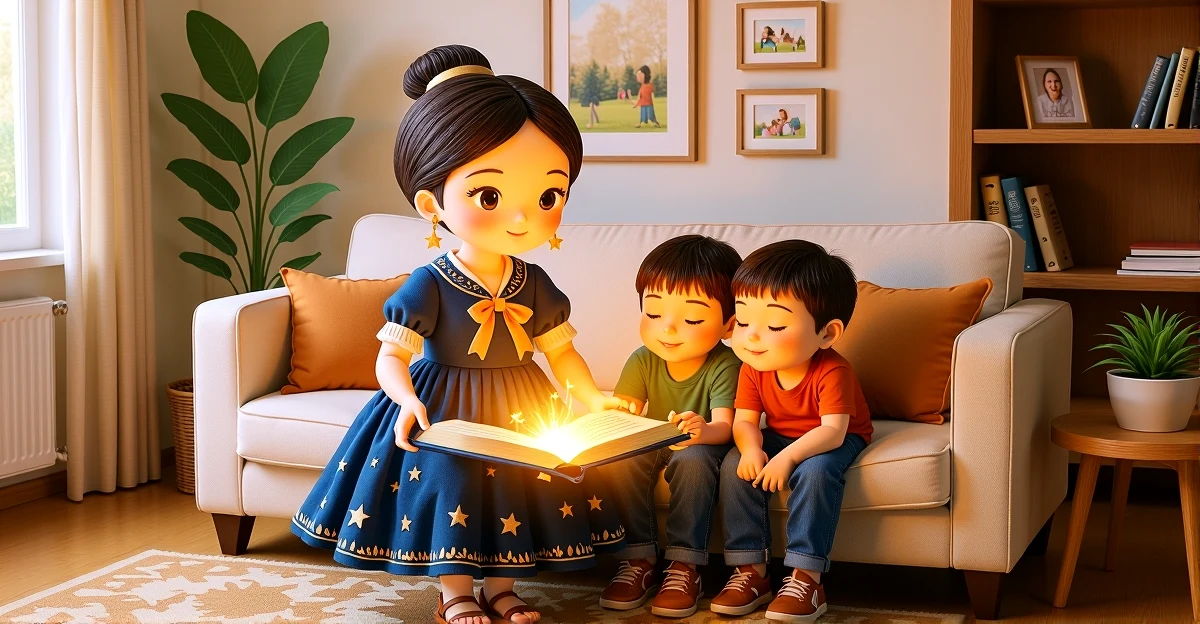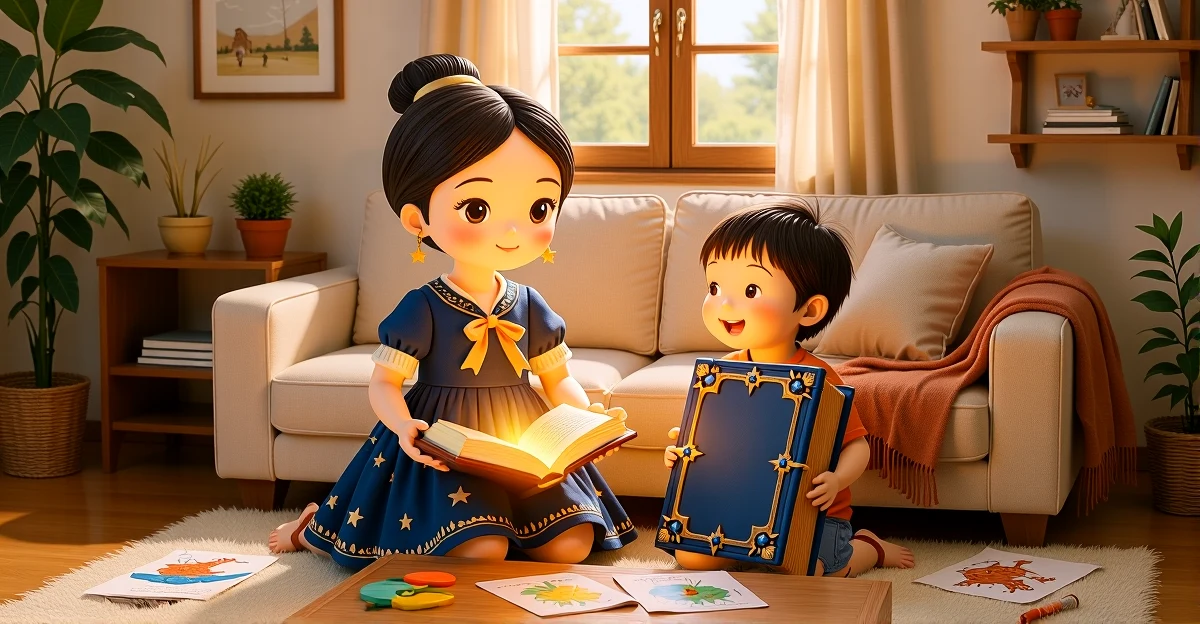

You know that moment when your child says, "That's not fair!" with such conviction that it stops you in your tracks? Maybe they're defending a friend who was left out. Maybe they're questioning why someone was unkind. Maybe they're standing up for themselves even when it's hard.
And you think to yourself: THIS. This is what I want to nurture. I want my child to become someone who stands up for what's right, who has the courage to speak truth, who leads with compassion and principle.
Here's something WONDERFUL that the Magic Book wants you to know: Your child, right now, at ages five or six, is in one of the most amazing windows for developing moral leadership and ethical reasoning. And the research will make your heart sing.
Your Child Already Has a Moral Compass (And It's Remarkable)
Let me share something that might surprise you. Starting around age five, children begin to evaluate fairness in sophisticated ways. They're not just following rules anymore—they're actually thinking about ethics. They can distinguish between what's truly right and what's just a social convention. And here's the beautiful part: they will stick with their moral principles even when everyone around them is doing the wrong thing.
Dr. Melanie Killen from the University of Maryland discovered something remarkable in her research on moral development. She found that young children will share their food with someone in need even when a majority of their peers refuse to share. They stick with their moral principles. That's not just rule-following—that's moral courage, and it's already blooming in your child's heart.
Your little one isn't just learning to be "good." They're developing the capacity to think about justice, to understand different perspectives, and to recognize when something isn't fair. This is the foundation of ethical leadership, and it's happening right now in your child's developing brain.
The Science Behind Moral Courage (It's Actually Beautiful)
Around ages five and six, something magical is happening in your child's brain. They're developing what researchers call "responsible decision-making skills." This means they're learning to analyze situations, consider ethical standards, and recognize when treatment is unjust.
The Collaborative for Academic, Social, and Emotional Learning explains that this age marks a critical window where children develop social awareness—the ability to understand diverse perspectives and identify unfair treatment. And here's what's SO important: these skills are deeply connected to self-management, which gives children the courage to take initiative and show personal agency.
"Young children enforce social norms selectively and will stick with their moral norm and share their food when the recipient is in need, even when a majority does the wrong thing."
— Dr. Melanie Killen, University of Maryland
What does this mean for you as a parent? It means that when your child says "that's not fair," they're not just complaining. They're exercising their moral reasoning. When they stand up for a friend who's being left out, even if it's hard, that's moral courage in action. When they choose kindness even when they're feeling jealous or angry, that's ethical reasoning.
Your child is already practicing these skills. Your job isn't to create moral development from scratch—it's to nurture what's already there, like watering seeds that are ready to bloom.
The Key That Changes Everything: Feelings as Information
Here's something the Magic Book taught me that transforms how we think about moral leadership. The key to raising a child who stands up for what's right isn't about suppressing emotions or always being perfectly kind. It's about teaching children that feelings are information, not commands.
Let me explain what I mean. When your child feels jealous because their friend got something they wanted, that feeling is giving them information. It's saying, "I value this thing," or "I want to feel special too." But here's the beautiful truth: the feeling doesn't have to control their actions.
They can feel jealous AND choose to be happy for their friend. They can feel angry AND choose to use kind words. They can feel scared AND choose to stand up for what's right. This is the heart of moral leadership—recognizing emotions, understanding their messages, and making principled choices that align with values rather than impulses.
Research shows that when children learn to recognize their emotions as information rather than commands, they develop stronger ethical reasoning. They become capable of moral courage because they're not being controlled by their feelings—they're being informed by them.
Three Ways to Nurture Moral Leadership in Your Child
So how do we help our children become moral leaders? The Magic Book whispers three beautiful truths:
1. Model the Behavior You Want to See
Your child is watching you. When you admit mistakes, when you stand up for what's right even when it's uncomfortable, when you show empathy and fairness in your daily life, you're teaching them more powerfully than any words ever could.
This doesn't mean you have to be perfect. In fact, children learn as much from watching us repair our mistakes as they do from watching us get things right the first time. When you apologize, when you admit you were wrong, when you show them that even grown-ups are still learning how to be kind and fair, you're teaching them that moral leadership isn't about perfection—it's about commitment.
2. Have Conversations About Feelings and Choices
Talk with your child about times when they felt strong emotions but chose to act with kindness anyway. Help them see that recognizing feelings without being controlled by them is what makes someone a true leader.
Ask questions like: "Have you ever felt jealous but chose to be kind?" "Have you ever felt angry but used gentle words?" "Have you ever felt scared but did the right thing anyway?" Celebrate those moments. Those are the moments when moral courage is growing.
When your child experiences a moral dilemma—when they see someone being left out, when they witness unkindness, when they face a choice between what's easy and what's right—talk through it together. Help them think about different perspectives. Validate their sense of fairness. Guide them toward principled choices.
3. Create Opportunities for Practice
Let your child practice fairness and justice in safe ways. This might look like letting them help decide how to share treats fairly among siblings. It might look like involving them in age-appropriate discussions about kindness and inclusion. It might look like reading stories together that show characters making ethical choices and then talking about those choices.
Research tells us that children who receive supportive messages from their parents and communities about standing up for fairness become more empowered to challenge unfair situations. Your voice matters. Your guidance matters. When you talk with your child about what's right and wrong, when you help them understand different perspectives, when you validate their sense of fairness, you're building the foundation for ethical leadership that can last their entire lifetime.
Stories That Teach Moral Courage
In The Book of Inara, we have beautiful stories that bring these concepts to life for your child. Let me share one that's PERFECT for teaching about feelings as information and moral courage:
The Books That Feel What You Feel
Perfect for: Ages 4-6
What makes it special: In this story, a child named Leo visits a magical study where books glow different colors based on emotions. When Leo feels jealous of his friend's invention, the wise books help him understand that jealousy is just helpful information, not a command he must follow. Leo learns to choose kindness instead, and that choice—that moment of recognizing his feeling but not being controlled by it—is exactly what we want to nurture in our children.
Key lesson: Feelings are information that helps us understand ourselves, but we get to choose how we act. Recognizing emotions without being controlled by them is what makes someone a true leader.
Perfect for teaching: Emotional intelligence, ethical decision-making, moral courage, and the difference between feeling something and acting on it.
After you read this story with your child, talk about times when they felt strong emotions but chose to act with kindness anyway. Ask them: "Have you ever felt like Leo? Have you ever felt jealous but chose to be kind? How did that feel?" Celebrate their moral courage. Those conversations are where ethical leadership grows.
You're Raising a Future Leader
I want you to know something important. Your child's sense of fairness, their instinct to help, their concern when someone is treated unkindly—these aren't things you need to create. They're already there, like seeds waiting to bloom. Your job isn't to force moral development. Your job is to nurture it, to water those seeds with your love, your guidance, your conversations, and your example.
And here's something that might ease your heart: You don't have to be perfect. The Magic Book reminds me that children learn as much from watching us repair our mistakes as they do from watching us get things right the first time. Moral leadership isn't about perfection—it's about trying, learning, and growing together.
So tonight, or tomorrow, or whenever feels right, snuggle up with your little one and explore stories that celebrate moral courage. Talk about times when they've made brave, kind choices. Celebrate their growing sense of justice. And know that every conversation, every story, every moment of connection, you're raising a child who will stand up for what's right.
You're not just raising a child. You're nurturing a future leader, someone who will make the world more fair, more kind, more just. And the Magic Book and I, we're here to help you every step of the way.
With love and starlight,
Inara
Related Articles
- When Screen Time Ends in Meltdowns: Understanding Your Child's Brain and What Actually Helps (Ages 5-6)
- When Your Child Feels Invisible: Understanding Social Isolation and the Gentle Path to Friendship
- Teaching Financial Wisdom to Your 5-6 Year Old: A Gentle Guide to Money and Economics
- Understanding Your Child's Moral Development: The Age of Reason (Ages 5-6)
- Supporting Your Child's Social Awareness Development: A Gentle Guide
Show transcript
Hello, my wonderful friend! It's me, Inara, and I am so happy you're here today. You know, the Magic Book and I have been noticing something truly beautiful. More and more parents are asking us, how can I help my child become someone who stands up for what's right? How can I nurture moral courage in my little one? And I want you to know, this question alone tells me something WONDERFUL about you. You're already thinking about the kind of person your child is becoming, and that matters so much.
So today, let's talk about something that might surprise you. Your child, right now, at ages five or six, is in one of the most AMAZING windows for developing moral leadership and ethical reasoning. The Magic Book showed me research that will make your heart sing. Starting around age five, children begin to evaluate fairness, distinguish between what's truly right and what's just a social rule, and here's the beautiful part, they will actually stick with their moral principles even when everyone around them is doing the wrong thing.
Can you imagine? Your little one already has this incredible moral compass inside them. They're not just learning rules, they're developing the capacity to think about ethics, to understand justice, and to recognize when something isn't fair. Dr. Melanie Killen from the University of Maryland discovered something remarkable. She found that young children will share their food with someone in need even when a majority of their peers refuse to share. They stick with their moral principles. That's not just following rules, that's moral courage, and it's already blooming in your child's heart.
Now, I know what you might be thinking. But Inara, my child doesn't always make the right choices. Sometimes they grab toys, sometimes they say unkind things, sometimes they seem to only think about themselves. And here's what I want you to know. That's completely normal. Your child is LEARNING. Think of it this way. Their brain is like a garden where moral reasoning is just beginning to grow. Every experience, every conversation, every moment when you help them think about fairness and kindness, that's like watering those seeds.
The research shows us something so hopeful. Children who receive supportive messages from their parents and communities about standing up for fairness, they become more empowered to challenge unfair situations. Your voice matters. Your guidance matters. When you talk with your child about what's right and wrong, when you help them understand different perspectives, when you validate their sense of fairness, you're building the foundation for ethical leadership that can last their entire lifetime.
Let me share something the Magic Book taught me about how this actually works in your child's developing brain. Around ages five and six, children are developing what researchers call responsible decision-making skills. This means they're learning to analyze situations, consider ethical standards, and recognize when something is unjust. They're also developing social awareness, which helps them understand different perspectives and identify unfair treatment. And here's the magical part, these skills are deeply connected to something called self-management, which gives children the courage to take initiative and show personal agency.
What does this mean for you as a parent? It means that when your child says, that's not fair, they're not just complaining. They're exercising their moral reasoning. When they stand up for a friend who's being left out, even if it's hard, that's moral courage in action. When they choose kindness even when they're feeling jealous or angry, that's ethical reasoning. Your child is already practicing these skills, and you get to nurture them.
So how do we do this? How do we help our children become moral leaders? The Magic Book whispers three beautiful truths. First, model the behavior you want to see. Your child is watching you. When you admit mistakes, when you stand up for what's right even when it's uncomfortable, when you show empathy and fairness in your daily life, you're teaching them more powerfully than any words ever could.
Second, have conversations about feelings and choices. Here's something wonderful. Research shows that when children learn to recognize their emotions as information rather than commands, they develop stronger ethical reasoning. Let me explain what I mean. When your child feels jealous because their friend got something they wanted, that feeling is giving them information. It's saying, I value this thing, or I want to feel special too. But the feeling doesn't have to control their actions. They can feel jealous AND choose to be happy for their friend. They can feel angry AND choose to use kind words. This is the heart of moral leadership, recognizing emotions, understanding their messages, and making principled choices that align with values.
And this brings me to something so special. We have a story in The Book of Inara called The Books That Feel What You Feel. In this story, a child named Leo visits a magical study where books glow different colors based on emotions. When Leo feels jealous of his friend's invention, the wise books help him understand that jealousy is just helpful information, not a command he must follow. Leo learns to choose kindness instead, and that choice, that moment of recognizing his feeling but not being controlled by it, that's exactly what we want to nurture in our children.
After you read this story with your child, you can talk about times when they felt strong emotions but chose to act with kindness anyway. Help them see that recognizing feelings without being controlled by them is what makes someone a true leader. Ask them, have you ever felt jealous but chose to be kind? Have you ever felt angry but used gentle words? Celebrate those moments. Those are the moments when moral courage is growing.
The third truth the Magic Book shares is this. Create opportunities for your child to practice fairness and justice in safe ways. This might look like letting them help decide how to share treats fairly among siblings. It might look like involving them in age-appropriate discussions about kindness and inclusion. It might look like reading stories together that show characters making ethical choices and then talking about those choices.
You know what's beautiful? The research tells us that children who experience caring relationships where adults model moral behavior, engage them in age-appropriate conversations about values, and respond with empathy when guiding moral development, these children develop internal moral compasses that guide them throughout their lives. You're not just teaching your child to follow rules. You're helping them develop the wisdom to know what's right, the courage to stand up for it, and the compassion to care about others.
I want you to know something important. Your child's sense of fairness, their instinct to help, their concern when someone is treated unkindly, these aren't things you need to create. They're already there, like seeds waiting to bloom. Your job isn't to force moral development. Your job is to nurture it, to water those seeds with your love, your guidance, your conversations, and your example.
And here's something that might ease your heart. You don't have to be perfect. The Magic Book reminds me that children learn as much from watching us repair our mistakes as they do from watching us get things right the first time. When you apologize, when you admit you were wrong, when you show them that even grown-ups are still learning how to be kind and fair, you're teaching them that moral leadership isn't about perfection. It's about commitment. It's about trying, learning, and growing.
So tonight, or tomorrow, or whenever feels right, snuggle up with your little one and explore The Books That Feel What You Feel together. Watch how Leo learns to recognize his feelings as information. Talk about times when your child has made brave, kind choices. Celebrate their growing moral courage. And know that every conversation, every story, every moment of connection, you're raising a child who will stand up for what's right.
You're doing something so IMPORTANT, my wonderful friend. You're not just raising a child. You're nurturing a future leader, someone who will make the world more fair, more kind, more just. And the Magic Book and I, we're here to help you every step of the way.
With love and starlight, Inara.