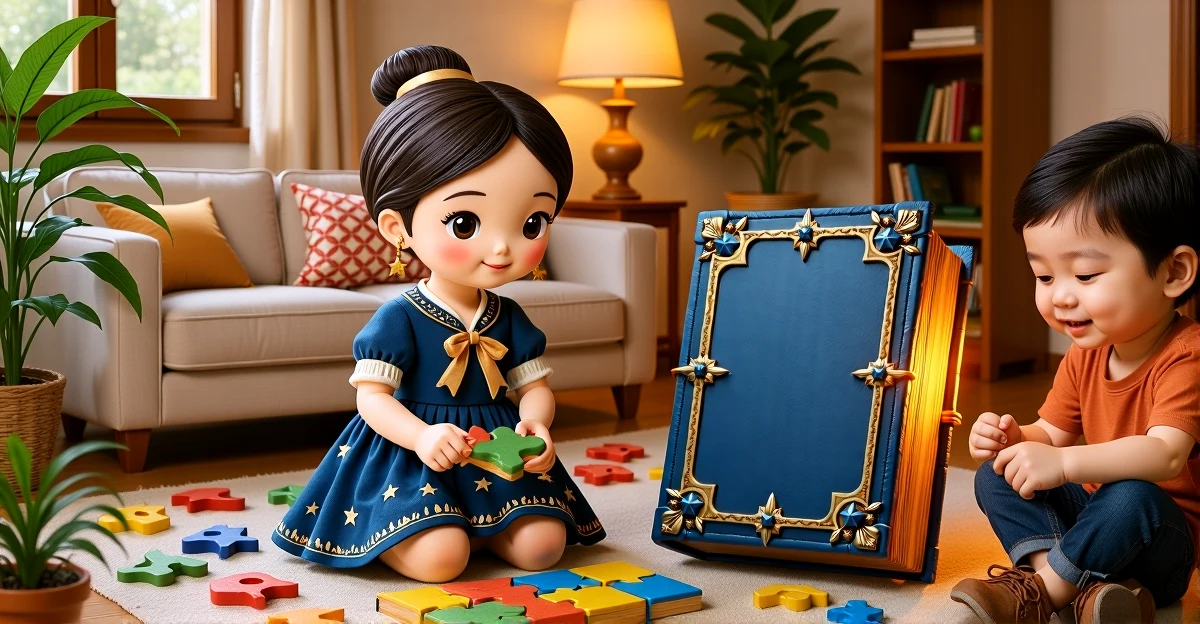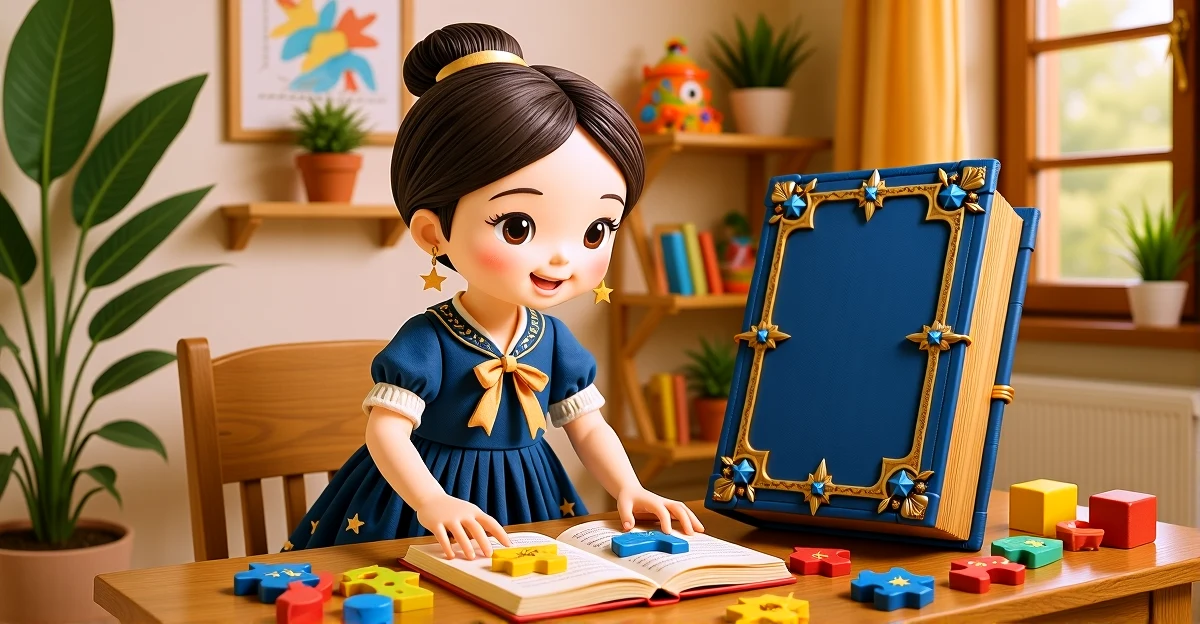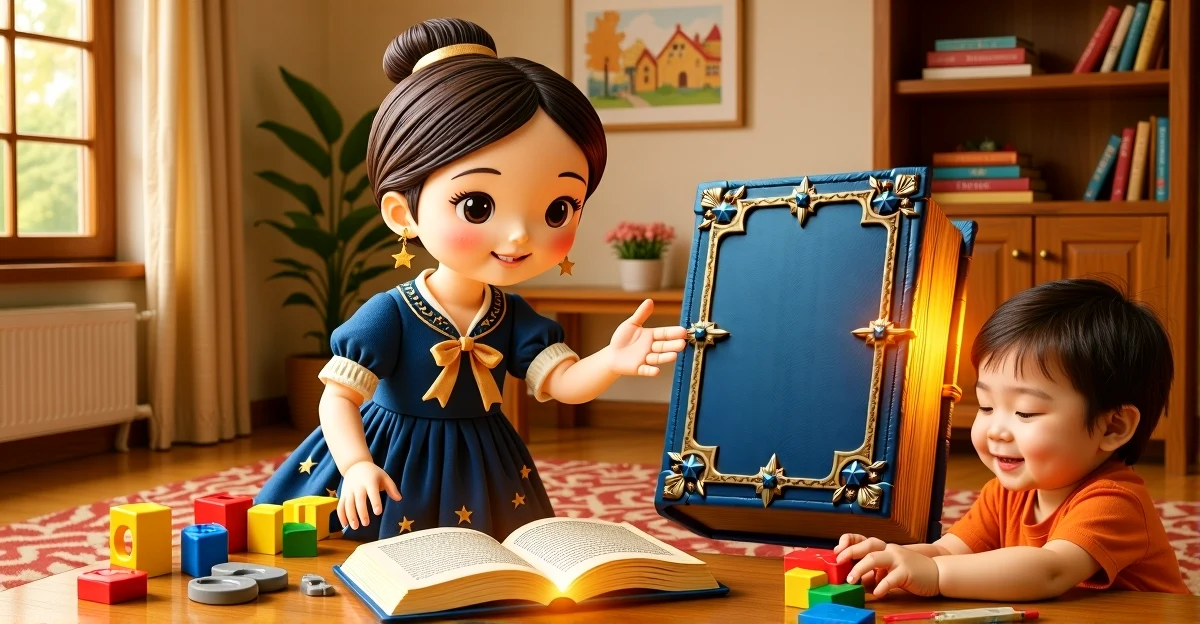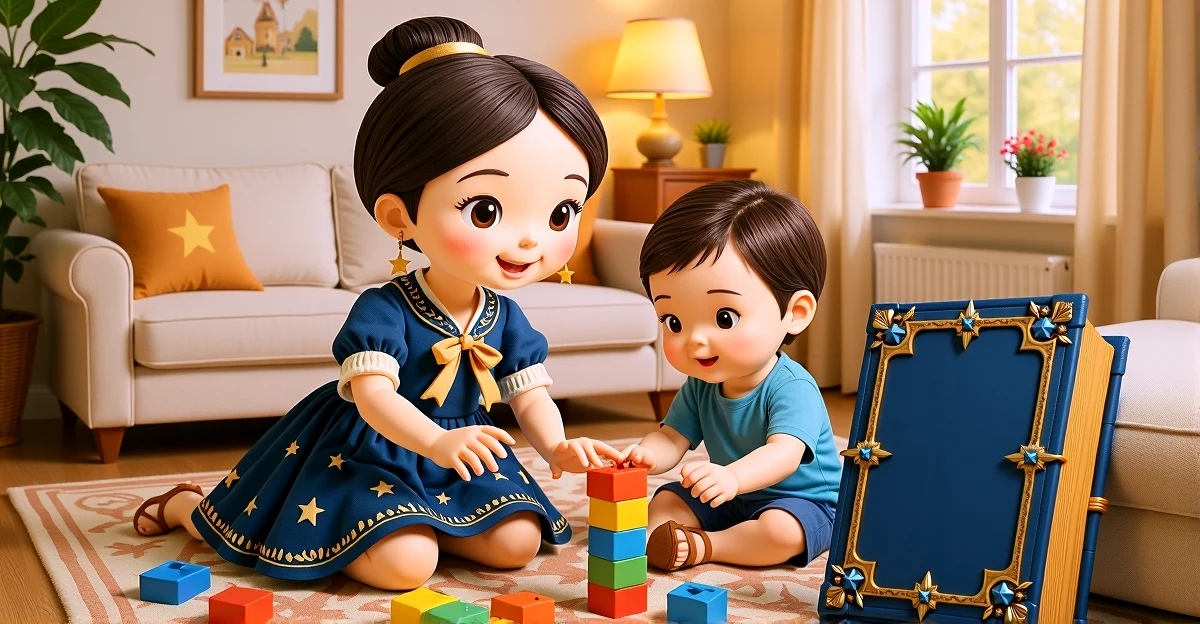

Your toddler is working on a puzzle. They try to fit a piece in, it doesn't work, and within seconds, the puzzle is flying across the room. Or maybe they're trying to stack blocks, one tumbles down, and suddenly they're done—completely finished with the whole activity. Sound familiar?
If you're wondering why your little one gives up so quickly, or if you're worried that something might be wrong, let me share something wonderful with you. You are not alone in this experience, and more importantly, your child is developing exactly as they should. What you're witnessing isn't a problem to fix—it's a critical developmental window for building one of life's most important skills: the ability to persist through challenges.
In this guide, we'll explore what research tells us about problem-solving development in toddlers ages 2-3, why stepping back (even when it feels hard) is actually the most helpful thing you can do, and practical strategies you can use starting today. Plus, I'll share a beautiful story that helps children understand that challenges are normal and persistence pays off.
Understanding Your Toddler's Problem-Solving Journey
When young children ages 2-3 encounter challenges that feel overwhelming, they're actually in a learning phase about persistence and self-efficacy. This is completely normal development. Their brains are building the neural pathways that will eventually allow them to think, "I can do hard things. I am capable. I can figure this out."
But here's what makes this age so special—and sometimes so challenging for parents. Your toddler's prefrontal cortex, the part of the brain responsible for planning, impulse control, and sustained attention, is still in the very early stages of development. It won't be fully developed until they're in their mid-twenties! Right now, at age 2 or 3, they're just beginning to build the foundation.
This means that when a task feels difficult, their brain doesn't yet have the capacity to say, "Okay, that didn't work. Let me try a different approach." Instead, their response is often immediate frustration, giving up, or moving on to something else. And that's not a character flaw or a sign that they lack determination. It's simply where they are developmentally.
The Beautiful Truth About Mastery Motivation
Research shows us something truly wonderful. Task persistence at age 2 is positively associated with cognitive abilities and predicts later academic achievement. Scientists call this "mastery motivation"—the internal drive to persist through challenges and master new skills. And here's the magical part: mastery motivation in children as young as 2-3 years is a key predictor for lifelong learning approaches and confidence in facing challenges.
Every time your child tries something difficult, even if they only persist for a few seconds before giving up, they're building this internal motivation. They're learning. They're growing. And with your gentle support, they're developing the belief that challenges are part of life and they have what it takes to face them.
What Research Says About Problem-Solving Development
The American Academy of Pediatrics has conducted extensive research on how young children develop problem-solving abilities, and their findings are both fascinating and incredibly helpful for parents. Play is the primary vehicle through which toddlers develop optimal problem-solving skills. Not worksheets, not flashcards, not direct instruction—play.
And here's the really interesting part: guided play and scaffolding, where you provide just enough support without removing the challenge entirely, works better than direct instruction. Think about that for a moment. Your child doesn't need you to solve the puzzle for them. They need you to be nearby, offering gentle encouragement, maybe pointing out one small thing they could try, but letting them do the actual work.
"Resist the urge to fix the problem—it can take away children's sense that they are capable problem solvers. Instead, provide gentle guidance that supports their developing skills."
— National Association for the Education of Young Children
Isn't that beautiful? You're not being unhelpful when you step back a little. You're actually giving your child the greatest gift: the belief in their own capability.
Zero to Three, one of the most respected organizations in early childhood development, emphasizes that loving relationships give young children a sense of comfort, safety, confidence, and encouragement. That's the foundation everything else is built on. When your child knows you're there, when they feel safe and loved, they have the emotional security to take risks, to try new things, to persist even when it's hard.
The Long-Term Impact of Early Persistence
Children whose parents provide patient, encouraging support during problem-solving moments develop stronger emotional regulation and confidence. This isn't just about getting better at puzzles or stacking blocks. It's about building a fundamental belief system that says, "When things are hard, I don't have to give up. I can keep trying. I can ask for help. I can figure this out."
Recent longitudinal research confirms that mastery motivation in children as young as 2-3 years predicts later academic achievement. The patience and persistence your child is building right now, in these seemingly small moments with puzzles and blocks and shoes, is laying the foundation for how they'll approach challenges throughout their entire life.
Gentle Strategies That Actually Work
So what does this look like in real life? How do you support your child's problem-solving development without either doing everything for them or leaving them to struggle alone? Here are some practical, research-backed strategies you can start using today:
1. Narrate What You See Without Judgment
When your child is working on something challenging, simply describe what you observe: "You're trying to fit that block in. You're working so hard." This helps them feel seen and builds their awareness of their own efforts. You're not praising or criticizing—you're just witnessing their process.
2. Offer Choices Instead of Solutions
Instead of showing them exactly how to do something, offer options: "Should we try the big piece or the small piece first?" or "I wonder if turning it this way might help?" This keeps them in the driver's seat while giving them a strategy to try. They're still doing the work, but you're providing gentle scaffolding.
3. Celebrate Effort, Not Just Success
"I saw you try three different ways to open that container. You didn't give up!" This builds what researchers call a growth mindset—the understanding that effort and persistence matter more than getting it right the first time. When children learn that trying is valuable in itself, they become more willing to take on challenges.
4. Be Patient with the Process
I know you're busy. I know you have seventeen things to do and you're already running late. But when you can, let them struggle a little. Let them experience that moment of "I did it myself!" It's worth its weight in stardust, I promise you. That pride on their face when they finally get the shoe on or the puzzle piece in? That's mastery motivation being built in real time.
5. Model Persistence Yourself
Let your child see you working through challenges. "Hmm, this lid is really stuck. Let me try turning it the other way. That didn't work. Maybe if I run it under warm water..." When they see you persist through difficulties with a calm, problem-solving approach, they learn that challenges are normal and there are strategies for working through them.
6. Respect Their Limits
Some days, your toddler will have more capacity for frustration tolerance than others. If they're tired, hungry, or overwhelmed, their ability to persist will be lower. That's okay. You can say, "This feels really hard right now. Should we take a break and try again later?" This teaches them that it's okay to step away from a challenge and come back to it when they're ready.
7. Take Care of Yourself Too
This kind of parenting—this patient, gentle, scaffolding approach—takes energy. It's okay to have moments where you just need to get the shoes on and get out the door. You're human, you're doing your best, and that's more than enough. The goal isn't perfection; it's progress and connection.
A Story That Can Help
In The Book of Inara, we have a beautiful story that brings these concepts to life for your child in a way that's gentle, engaging, and memorable:
The Kangaroo Who Learned to Hop
Perfect for: Ages 2-3
What makes it special: This story perfectly models persistence and problem-solving as Young Kangaroo learns that practice and patience lead to success. The gentle guidance from his wise friend Wallaby mirrors the research-backed approach of providing support without removing the challenge. It shows children that challenges are completely normal, that everyone needs practice, and that persistence pays off.
Key lesson: When Young Kangaroo keeps trying to hop with encouragement from Wallaby, children see that challenges are part of learning and that they can do hard things with practice and support.
How to use it: After reading this story with your child, you can reference it when they're facing their own challenges. You might say, "Remember how Young Kangaroo kept trying? You're being just like Young Kangaroo right now!" It gives them a framework, a way to understand that what they're experiencing is part of learning and growing.
You're Doing Beautifully
The next time your little one gives up quickly on something, take a deep breath. Remember that their brain is still developing, that persistence is a skill that takes years to build, and that your patient, loving support is exactly what they need. You're not being too soft. You're not spoiling them. You're building their confidence, their capability, their belief in themselves.
Research shows that this developmental phase is completely normal and represents an exciting opportunity for growth. You're not dealing with a problem child. You're nurturing a capable, growing human who is learning one of life's most important lessons: that challenges are part of life, and we can face them with courage, persistence, and the support of people who love us.
Every child develops at their own pace. Some two-year-olds will persist for several minutes on a challenging task. Others might only last thirty seconds before they need a break. Both are normal. Both are exactly where they need to be. Your job isn't to push them to be different. Your job is to provide that loving, supportive presence that says, "I believe in you. I'm here if you need me. And I know you can do hard things."
And that, my wonderful friend, is some of the most important work in the universe.
With love and starlight,
Inara
Related Articles
- Understanding Your Toddler's Hesitation with New Experiences (And How to Gently Encourage Curiosity)
- Understanding Your Toddler's Attention Span: What's Normal and How to Help
- Understanding Your Toddler's Need for Connection: The Journey from Attachment to Independence
- Building Independence Through Play: A Gentle Guide for Ages 2-3
- Understanding Your Toddler's Help-Seeking Behavior (And Why It's Beautiful)
- Why Asking for Help is a Superpower: Teaching Your Toddler This Essential Life Skill
Show transcript
Hello, wonderful parent! It's me, Inara, and I am so happy you're here today. You know, the Magic Book and I have been noticing something beautiful happening in homes all around the world. Parents like you are asking such thoughtful questions about how to help their little ones grow and learn. And today, we're going to talk about something that might feel frustrating in the moment, but is actually one of the most WONDERFUL parts of early childhood development. We're talking about problem-solving in toddlers, ages two to three.
Now, I know what you might be thinking. Problem-solving? My toddler gives up after two seconds! They try to put a shape in the sorter, it doesn't work immediately, and boom, they're done. Or maybe they're trying to stack blocks, one falls over, and suddenly all the blocks are flying across the room. Does this sound familiar?
Here's what I want you to know, dear friend. You are not alone in this. And more importantly, your child is not behind, not stubborn, not anything negative at all. What you're witnessing is actually a critical developmental window, a time when your little one's brain is learning one of the most important skills they'll ever have. The ability to try, to persist, to believe in themselves even when things feel hard.
The Magic Book taught me something beautiful about this age. When young children encounter challenges that feel overwhelming, they're actually in a learning phase about persistence and self-efficacy. This is completely normal development. In fact, research from the American Academy of Pediatrics shows that play is the primary vehicle through which toddlers develop optimal problem-solving abilities. And here's the really interesting part. Guided play and scaffolding, where you provide just enough support without removing the challenge entirely, works better than direct instruction.
Think about that for a moment. Your child doesn't need you to solve the puzzle for them. They need you to be nearby, offering gentle encouragement, maybe pointing out one small thing they could try, but letting them do the actual work. Because every time they persist through a challenge, even a tiny one, their brain is building neural pathways that say, I can do hard things. I am capable. I can figure this out.
The National Association for the Education of Young Children has this wonderful guidance for parents. They say, resist the urge to fix the problem, because it can take away children's sense that they are capable problem solvers. Instead, provide gentle guidance that supports their developing skills. Isn't that beautiful? You're not being unhelpful when you step back a little. You're actually giving your child the greatest gift. The belief in their own capability.
Now, I know this can feel really hard in the moment. You love your child so much, and when you see them struggling, every fiber of your being wants to jump in and help. That's not wrong, that's LOVE. But here's what the research shows. Children whose parents provide patient, encouraging support during problem-solving moments develop stronger emotional regulation and confidence. Task persistence at age two is positively associated with cognitive abilities. And mastery motivation in children as young as two to three years is a key predictor for later academic achievement.
So what does this look like in real life? Let's say your little one is trying to put on their shoes. They're pulling and tugging, getting frustrated. Instead of immediately doing it for them, you might say something like, I can see you're working so hard on this. What if we try turning the shoe this way? You're giving them information, but they're still doing the work. And when they finally get that shoe on, even if it takes five minutes and you're late for everything, the pride on their face? That's mastery motivation being built.
Or maybe they're working on a puzzle, and a piece won't fit. Instead of putting it in for them, you might say, Hmm, I wonder if that piece goes somewhere else. Let's look at the colors together. You're scaffolding their learning, helping them develop strategies, but they're the one making the discoveries.
Zero to Three, one of the most respected organizations in early childhood development, emphasizes that loving relationships give young children a sense of comfort, safety, confidence, and encouragement. That's the foundation everything else is built on. When your child knows you're there, when they feel safe and loved, they have the emotional security to take risks, to try new things, to persist even when it's hard.
And this is where stories become such a beautiful helper. We have a story in The Book of Inara called The Kangaroo Who Learned to Hop. It's about Young Kangaroo who is learning to hop, and it's not easy at first. But with gentle encouragement from his wise friend Wallaby, Young Kangaroo keeps trying. He practices, he's patient with himself, and eventually, he discovers that he CAN do it. The story shows children that challenges are normal, that everyone needs practice, and that persistence pays off.
After you read this story with your child, you can reference it when they're facing their own challenges. You might say, Remember how Young Kangaroo kept trying? You're being just like Young Kangaroo right now! It gives them a framework, a way to understand that what they're experiencing is part of learning and growing.
Here are some practical things you can try starting today. First, when your child is working on something challenging, narrate what you see without judgment. You're trying to fit that block in. You're working so hard. This helps them feel seen and builds their awareness of their own efforts.
Second, offer choices instead of solutions. Should we try the big piece or the small piece first? This keeps them in the driver's seat while giving them a strategy to try.
Third, celebrate effort, not just success. I saw you try three different ways to open that container. You didn't give up! This builds a growth mindset, the understanding that effort and persistence matter more than getting it right the first time.
Fourth, be patient with the process. I know you're busy, I know you have seventeen things to do, but when you can, let them struggle a little. Let them experience that moment of, I did it myself! It's worth its weight in stardust, I promise you.
And fifth, take care of yourself too. This kind of parenting, this patient, gentle, scaffolding approach, it takes energy. It's okay to have moments where you just need to get the shoes on and get out the door. You're human, you're doing your best, and that's more than enough.
The Magic Book reminds me that every child develops at their own pace. Some two-year-olds will persist for several minutes on a challenging task. Others might only last thirty seconds before they need a break. Both are normal. Both are exactly where they need to be. Your job isn't to push them to be different. Your job is to provide that loving, supportive presence that says, I believe in you. I'm here if you need me. And I know you can do hard things.
Research shows that this developmental phase is completely normal and represents an exciting opportunity for growth. You're not dealing with a problem child. You're nurturing a capable, growing human who is learning one of life's most important lessons. That challenges are part of life, and we can face them with courage, persistence, and the support of people who love us.
So the next time your little one gives up quickly on something, take a deep breath. Remember that their brain is still developing, that persistence is a skill that takes years to build, and that your patient, loving support is exactly what they need. You're not being too soft. You're not spoiling them. You're building their confidence, their capability, their belief in themselves.
And that, my wonderful friend, is some of the most important work in the universe.
If you want to explore more stories that support problem-solving and persistence, visit The Book of Inara app. We have so many beautiful stories designed to help children navigate these exact challenges. Stories that show them they're capable, that practice matters, that it's okay to need help sometimes.
Thank you so much for being here today, for caring so deeply about your child's development, for asking these thoughtful questions. You're doing beautifully, truly. The Magic Book and I are always here for you.
With love and starlight, Inara.