
Maybe you've noticed that your child doesn't seem interested in taking charge or leading other children. Perhaps they prefer to follow rather than lead, or they seem content to let others make decisions. And maybe, just maybe, you're wondering if this is something you should be concerned about.
Let me tell you something WONDERFUL. Your child is exactly where they need to be. Children ages six and seven are in such a beautiful developmental window right now, learning about themselves, about others, and about how they fit into this great big universe of ours.
In this post, we'll explore what true inspirational leadership looks like in young children, what research tells us about prosocial development, and how you can support your child's natural capacity to inspire others through kindness and empathy.
What True Leadership Looks Like at Ages 6-7
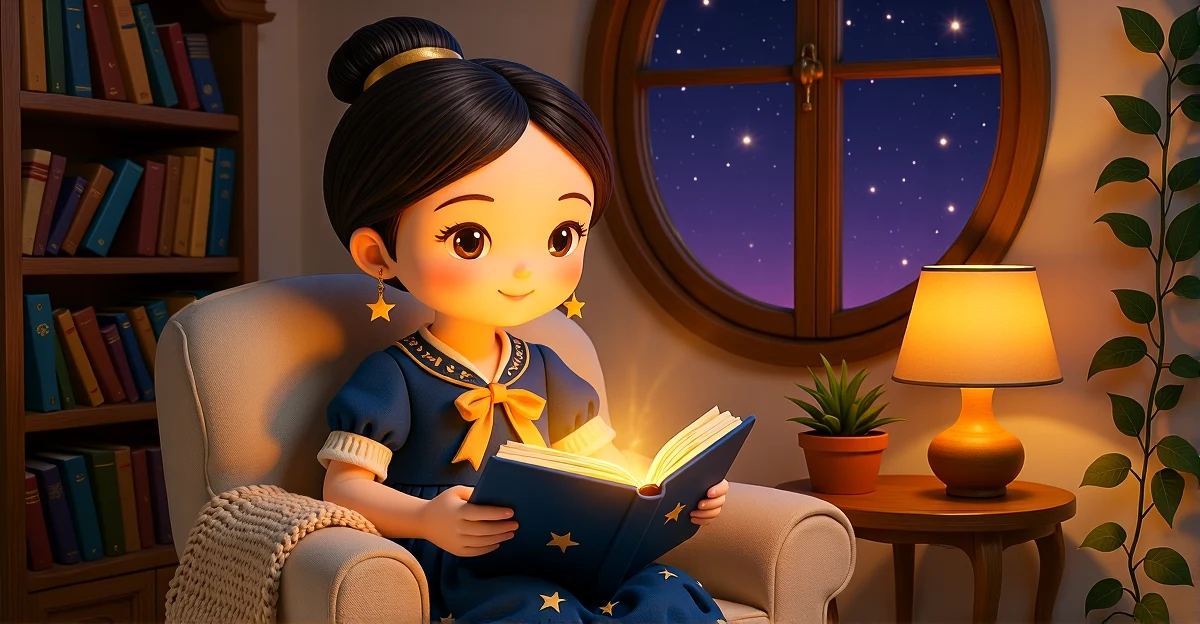
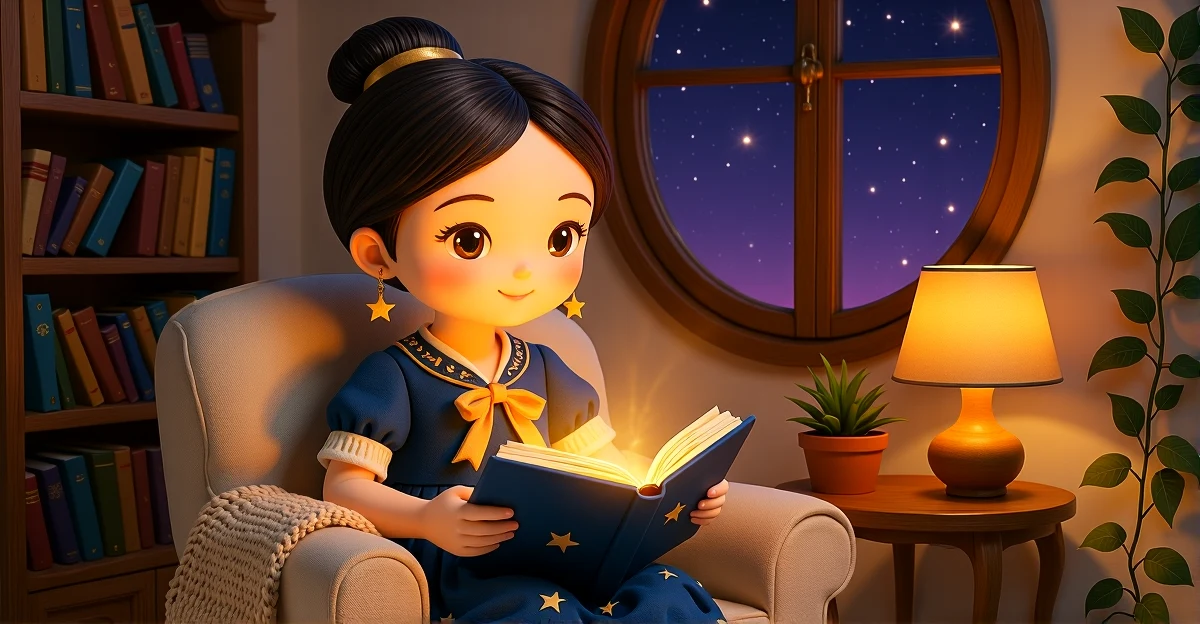
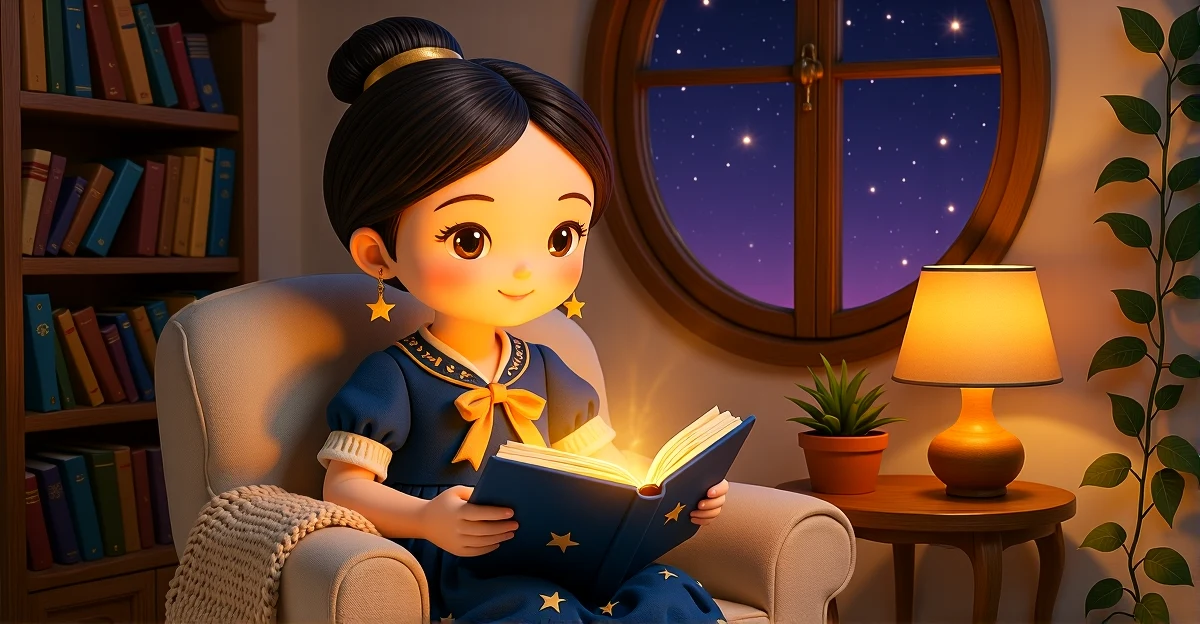
Here's what research tells us, and what the Magic Book has whispered to me through the ages. True leadership at this age doesn't look like what we might expect. It doesn't mean being the loudest voice in the room or always being in charge. Instead, inspirational leadership in young children looks like kindness, empathy, and helping others.
According to the National Association for the Education of Young Children, children who are socially and emotionally healthy naturally develop the skills that lead to positive influence. They learn to care about friends, show empathy, and express themselves clearly. These are the REAL building blocks of leadership.
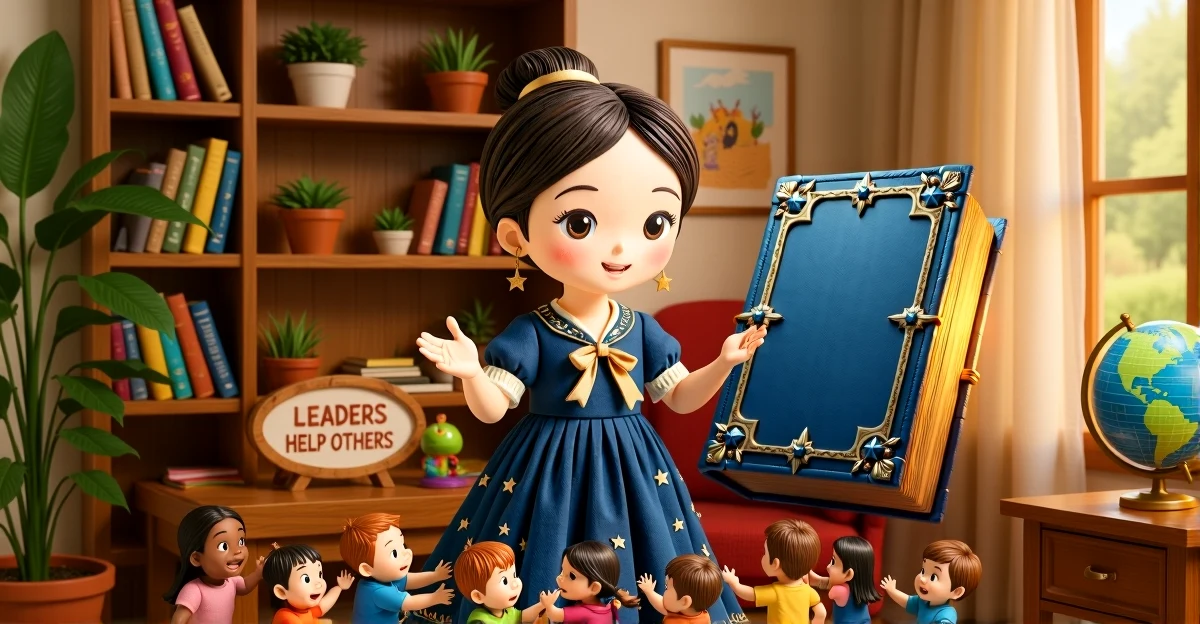
When your child quietly helps a friend who's struggling, or shows compassion to someone who's sad, or uses their unique talents to make someone feel better, they ARE leading. They're leading with their heart, and that's the most powerful kind of leadership there is.
The Many Forms of Inspirational Leadership
Let me share something the Magic Book taught me. There are many ways to inspire others and create positive change:
- Quiet Acts of Service: Some children lead by helping others without seeking recognition or praise.
- Creative Expression: Others inspire through art, music, or storytelling that touches hearts.
- Empathetic Listening: Some children make others feel heard and understood, creating safe spaces for expression.
- Modeling Kindness: Many lead by example, showing compassion and care in everything they do.
Your child doesn't need to be the class president or the team captain to be a leader. They need to be themselves, discovering their own unique way of making the world a little bit brighter.
What Research Says About Prosocial Development
The Collaborative for Academic, Social, and Emotional Learning has shown us that social-emotional learning provides the foundation for children to develop relationship skills and social awareness. And you know what? These are the exact qualities that create inspirational leaders who change the world through compassion and service.
Your child is learning something profound right now. Research on prosocial development shows that children in this age group are transitioning from sympathy-driven actions to more strategic, intentional helping behaviors. They're discovering that small acts of kindness can create ripples of positive change in the world around them.
Teachers can intentionally teach and enhance social-emotional skills using evidence-based strategies to teach, model, and reinforce positive behaviors.
— National Association for the Education of Young Children
This insight is particularly relevant for parents wondering about their child's leadership development. When parents and educators intentionally teach and model positive behaviors, children learn to inspire others through observation and imitation.
The Science of Helping Behaviors
Research demonstrates that children act prosocially already in their first years of life, with early prosociality mostly motivated by sympathy for others. As children mature into the 6-7 age range, their prosocial development evolves from sympathy-driven actions to more strategic helping behaviors.
This means your child is developing the cognitive and emotional capacity to:
- Recognize when others need help
- Understand how their actions affect others
- Choose helping behaviors intentionally
- Feel satisfaction from making a positive difference
Understanding this developmental journey helps parents support their children's natural inclination to help and inspire others.
How to Support Your Child's Natural Leadership Development
The research gives us some beautiful guidance on how to nurture your child's emerging leadership qualities. Here are evidence-based strategies that work:
1. Model the Behaviors You Want to See
When your child watches you help others, show empathy, and use your talents to make a positive difference, they're learning that THIS is what leadership looks like. Children learn through observation and imitation, and you are their most important role model.
Show them how you:
- Help a neighbor carry groceries
- Listen with full attention when someone shares a problem
- Use your skills to contribute to your community
- Show kindness even when it's not convenient
2. Acknowledge Their Positive Influence on Others
When you notice your child helping someone, point it out. Say things like, "Your kindness just made that person's day so much better," or "I saw how you helped your friend, and that created such a positive change."
This helps them see that they ARE already inspiring others through their actions. It builds their awareness of their own capacity to make a difference.
3. Create Opportunities for Helping and Service
Whether it's helping a younger sibling, contributing to family tasks, or participating in community service, these experiences build their confidence in making a positive difference.
Start small and age-appropriate:
- Reading to a younger child
- Helping prepare meals for the family
- Caring for a pet
- Participating in neighborhood clean-up
- Making cards for people who are lonely
4. Celebrate Their Unique Form of Leadership
If your child prefers to lead quietly through kindness rather than loudly through commands, celebrate that. If they inspire others through empathy rather than authority, honor that. If they create positive change through helping rather than directing, support that.
Because the world needs all kinds of leaders. It needs the quiet helpers, the compassionate listeners, the gentle encouragers. It needs children who lead with their hearts and inspire others through love.
Stories That Can Help
In The Book of Inara, we have beautiful stories that bring these concepts to life for your child. Here's one that's perfect for this developmental stage:
The Vision Keepers of Clarity Lane
Perfect for: Ages 6-7
What makes it special: This story directly addresses inspirational leadership and positive influence through the narrative of Lucas and Ella helping a scared child at an eye doctor's office. The children discover that caring actions create ripples of positive change, perfectly aligning with the developmental goals of inspirational leadership, positive influence, and transformational impact.
Key lesson: When Lucas and Ella use their talents and kindness to help a frightened child feel safe, they discover that small caring actions can create lasting positive change in the world. This teaches children that inspirational leadership comes from compassion and service to others, not from being loud or in charge.
After reading together: Help your child identify their own unique talents and ways they naturally help others. Point out moments when their kindness made someone feel better. Show them that they're already creating positive ripples in the world, just like Lucas and Ella.
You're Doing Beautifully
The Magic Book reminds us that leadership qualities emerge gradually through supportive relationships and intentional modeling. Your child is learning, growing, and discovering their own beautiful way of inspiring others.
So if your child prefers to lead quietly through kindness rather than loudly through commands, celebrate that. If they inspire others through empathy rather than authority, honor that. If they create positive change through helping rather than directing, support that.
Your child is developing their own unique form of inspirational leadership right now. They're learning that true influence comes from caring deeply and helping others. And that, wonderful parent, is the most beautiful kind of leadership there is.
The Magic Book and I are always here for you, cheering you on as you support your child's beautiful journey. You're doing WONDERFUL work, and your child is exactly who they're meant to be.
With love and starlight,
Inara
Related Articles
- How to Nurture Your Child's Empathy and World-Changing Impact (Ages 6-7)
- Nurturing Your Child Innovation Mindset: A Gentle Guide for Ages 6-7
- When Your Child Makes Insensitive Comments: A Gentle Guide to Teaching Cultural Awareness
- Nurturing Purpose and Meaning in Young Children: A Gentle Guide for Parents
- How to Raise a Master Communicator: Teaching Your Child Positive Influence Skills
Show transcript
Hello, wonderful parent! It's me, Inara, and I am so happy you're here today. You know, the Magic Book and I have been noticing something beautiful happening in homes all around the world. Parents like you are asking such thoughtful questions about their children's development, and today I want to talk about something that might be weighing on your heart.
Maybe you've noticed that your child doesn't seem interested in taking charge or leading other children. Perhaps they prefer to follow rather than lead, or they seem content to let others make decisions. And maybe, just maybe, you're wondering if this is something you should be concerned about.
First, let me tell you something WONDERFUL. Your child is exactly where they need to be. The Magic Book has shown me that children ages six and seven are in such a beautiful developmental window right now. They're learning about themselves, about others, and about how they fit into this great big universe of ours.
Here's what research tells us, and what the Magic Book has whispered to me through the ages. True leadership at this age doesn't look like what we might expect. It doesn't mean being the loudest voice in the room or always being in charge. Instead, inspirational leadership in young children looks like kindness, empathy, and helping others.
According to the National Association for the Education of Young Children, children who are socially and emotionally healthy naturally develop the skills that lead to positive influence. They learn to care about friends, show empathy, and express themselves clearly. These are the REAL building blocks of leadership.
The Collaborative for Academic, Social, and Emotional Learning has shown us that social-emotional learning provides the foundation for children to develop relationship skills and social awareness. And you know what? These are the exact qualities that create inspirational leaders who change the world through compassion and service.
Your child is learning something profound right now. Research on prosocial development shows that children in this age group are transitioning from sympathy-driven actions to more strategic, intentional helping behaviors. They're discovering that small acts of kindness can create ripples of positive change in the world around them.
So when your child quietly helps a friend who's struggling, or shows compassion to someone who's sad, or uses their unique talents to make someone feel better, they ARE leading. They're leading with their heart, and that's the most powerful kind of leadership there is.
Let me share something the Magic Book taught me. There are many ways to inspire others and create positive change. Some children do this through quiet acts of service. Others do it through creative expression. Some lead by example, showing kindness and empathy in everything they do.
Your child doesn't need to be the class president or the team captain to be a leader. They need to be themselves, discovering their own unique way of making the world a little bit brighter.
Now, how can you support your child's natural leadership development? The research gives us some beautiful guidance here.
First, model the behaviors you want to see. When your child watches you help others, show empathy, and use your talents to make a positive difference, they're learning that THIS is what leadership looks like. Children learn through observation and imitation, and you are their most important role model.
Second, acknowledge their positive influence on others. When you notice your child helping someone, point it out. Say things like, your kindness just made that person's day so much better, or I saw how you helped your friend, and that created such a positive change. This helps them see that they ARE already inspiring others through their actions.
Third, create opportunities for them to help and serve. Whether it's helping a younger sibling, contributing to family tasks, or participating in community service, these experiences build their confidence in making a positive difference.
And here's something SPECIAL. We have a story in The Book of Inara that shows this beautifully. It's called The Vision Keepers of Clarity Lane, and it's about Lucas and Ella discovering that caring actions create ripples of positive change.
In this story, Lucas and Ella help a scared child at an eye doctor's office, and through their kindness and empathy, they learn that small caring actions can create lasting positive change in the world. They discover that inspirational leadership comes from compassion and service to others, not from being loud or in charge.
This story is perfect for your six or seven year old because it shows them that they already have everything they need to be a positive influence. Their kindness matters. Their empathy creates change. Their unique talents can help others feel safe and supported.
After you read this story together, you can help your child identify their own unique talents and ways they naturally help others. Point out moments when their kindness made someone feel better. Show them that they're already creating positive ripples in the world, just like Lucas and Ella.
The Magic Book reminds us that leadership qualities emerge gradually through supportive relationships and intentional modeling. Your child is learning, growing, and discovering their own beautiful way of inspiring others.
So if your child prefers to lead quietly through kindness rather than loudly through commands, celebrate that. If they inspire others through empathy rather than authority, honor that. If they create positive change through helping rather than directing, support that.
Because the world needs all kinds of leaders. It needs the quiet helpers, the compassionate listeners, the gentle encouragers. It needs children who lead with their hearts and inspire others through love.
Your child is developing their own unique form of inspirational leadership right now. They're learning that true influence comes from caring deeply and helping others. And that, wonderful parent, is the most beautiful kind of leadership there is.
The Magic Book and I are always here for you, cheering you on as you support your child's beautiful journey. You're doing WONDERFUL work, and your child is exactly who they're meant to be.
With love and starlight, Inara.