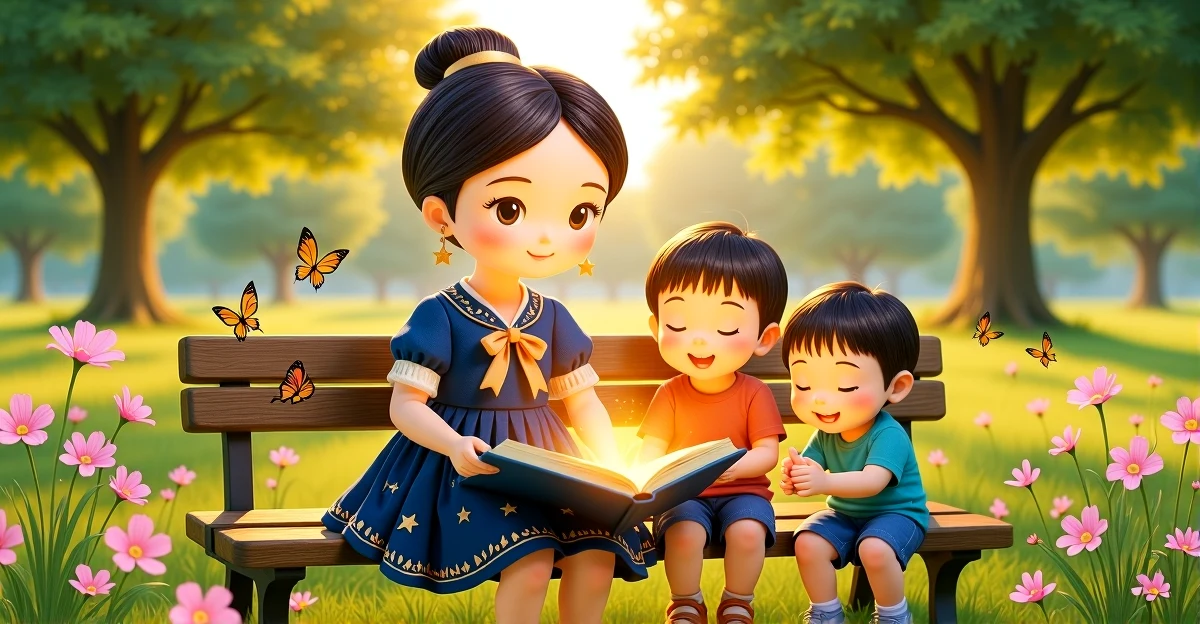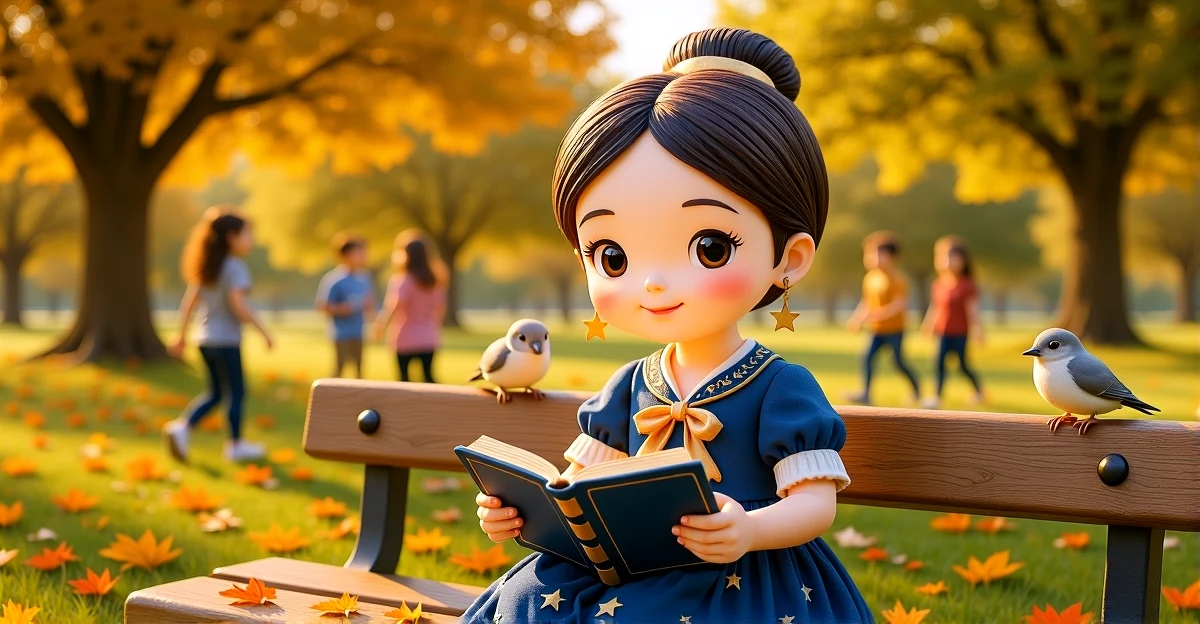

You watch your six or seven year old navigate the playground, and your heart swells with hope. You want SO much for them. You want them to have meaningful friendships, to feel confident in social situations, to be the kind of person others naturally gravitate toward. You want them to master relationships and become a true social leader.
And here's what I want you to know, my wonderful friend: you're not alone in this beautiful wish. Parents all over the world are asking this same question. How do I help my child develop the social skills that will serve them for a lifetime?
The Magic Book and I have wonderful news to share. Relationship mastery isn't something children are born with or without. It's not about being naturally popular or charismatic. These are learnable skills, and ages six and seven are a PRIME time for developing them. In this guide, we'll explore the science of social-emotional learning, practical strategies you can use today, and beautiful stories that teach these skills in the most magical way.
What is Relationship Mastery, Really?
Let's start by reframing what we mean by relationship mastery and social leadership. This isn't about making your child the most popular kid in class or the loudest voice in the room. True relationship mastery is about something so much more meaningful.
It's about empathy—the ability to understand and respond to how others feel. It's about authentic connection—building relationships based on genuine care, not social status. It's about emotional awareness—understanding your own feelings and the feelings of others. It's about communication—expressing yourself clearly and kindly. And it's about collaborative problem-solving—working through disagreements with patience and respect.
The children who become true social leaders aren't the ones who seek popularity or status. They're the ones who lead with empathy, who include others, who make people feel valued and understood. That's real leadership.
Why Ages 6-7 Are Critical for Social Skills Development
Your child is in one of the most magical periods for developing relationship skills right now. Their brain is expanding in AMAZING ways. They're learning to understand how other people think and feel. They're discovering that their friends have different perspectives, different ideas, different feelings. And this is HUGE!
During this developmental stage, children are naturally expanding their social awareness and building the foundation for meaningful friendships and collaborative relationships. Research from developmental psychology shows that the elementary school years are an optimal time for building social leadership capacities.
Empathy and sympathy are important correlates of prosocial behavior and quality of social relationships. Children's empathy-related responding affects their perceptions of and behavior toward others.
— Dr. Nancy Eisenberg, Arizona State University
What this means is that when children learn to understand and respond to others' emotions during these formative years, it affects their relationships in the most beautiful ways. Empathy becomes the foundation of every meaningful relationship your child will ever have.
The Science of Social-Emotional Learning
Here's what makes this so hopeful: the research is crystal clear. Social-emotional skills can be systematically developed. CASEL, the leading organization on social-emotional learning, has demonstrated that when children receive support in developing these competencies, they show marked improvements in peer relationships and social competence.
The five core competencies of social-emotional learning are:
- Self-awareness: Understanding your own emotions, strengths, and values
- Self-management: Regulating emotions and behaviors in different situations
- Social awareness: Understanding and empathizing with others, including those from different backgrounds
- Relationship skills: Building and maintaining healthy relationships through communication and cooperation
- Responsible decision-making: Making constructive choices about personal and social behavior
When children develop these competencies during elementary school years, they demonstrate better relationship quality, increased prosocial behavior, and enhanced ability to work collaboratively with peers. These aren't just nice-to-have skills. They're the foundation for lifelong social excellence.
Practical Ways to Support Your Child's Relationship Development
So how do you actually help your child develop these skills? The Magic Book and I have some beautiful, practical strategies to share.
Create Opportunities for Cooperative Play
This doesn't mean scheduling every minute of their day. It means giving them chances to work together with other children on projects, games, or creative activities. When children collaborate, they naturally practice communication, compromise, and teamwork. Board games, building projects, art activities, and imaginative play all create these opportunities.
Model Empathetic Responses
Your child is watching you, learning from every interaction. When you show genuine interest in how others feel, when you validate emotions, when you respond with kindness to someone who's struggling, your child absorbs these lessons. You are their first and most important teacher of relationship skills.
Develop Emotional Awareness
Talk about feelings—yours and theirs. Give them the vocabulary to express what's happening inside. When they can name their emotions, they can manage them better. And when they understand their own feelings, they can better understand the feelings of others. Try phrases like, "I notice you seem frustrated. What's happening?" or "I'm feeling overwhelmed right now, so I'm going to take some deep breaths."
Teach Perspective-Taking
Use everyday conversations to help your child step into someone else's shoes. Ask questions like, "How do you think your friend felt when that happened?" "What do you think they were hoping for?" "Why might they have acted that way?" These questions build the foundation of empathy.
Use Stories as Teaching Tools
Here's something the Magic Book showed me that I find SO beautiful: stories are one of the most powerful tools for developing social-emotional skills. When children experience stories, they practice empathy in a safe, gentle way. They feel what the characters feel. They understand different perspectives. They see how relationships work, how conflicts get resolved, how friendships deepen.
Stories That Can Help
In The Book of Inara, we have beautiful stories that bring these concepts to life for your child. Let me share one that's perfect for teaching relationship mastery:
The Warmth That Connects Us All
Perfect for: Ages 6-7
What makes it special: This story beautifully demonstrates authentic friendship, emotional support, empathy, and caring—the exact foundation of relationship mastery. Lucas and Ella model healthy friendship through patience, understanding, and being there for each other through challenges.
Key lesson: When Lucas and Ella discover that true friendship means supporting each other through difficult emotions and being patient with each other's feelings, children learn that relationship mastery comes from empathy and authentic connection, not from being the most popular or outgoing.
After reading together: Talk with your child about what makes a good friend. Ask them how Lucas and Ella showed they cared about each other. Discuss times when they've been a good friend or when a friend has been there for them. These conversations build the foundation for lifelong relationship skills.
What If My Child Is Shy or Struggling?
I want you to know something important. If your child is shy or introverted, that doesn't mean they can't be a relationship master. Some of the most empathetic, connected, socially skilled people are quiet observers. Relationship mastery isn't about being extroverted. It's about being authentic, caring, and emotionally aware.
And if your child is struggling with friendships right now, please know this is completely normal. Learning to navigate social dynamics takes time and practice. Every challenge is a learning opportunity. Every misunderstanding is a chance to develop communication skills. Every conflict is practice in problem-solving and empathy.
Your role isn't to fix every social situation or make your child popular. Your role is to be their safe place, their guide, their supporter. When they come home upset about a friendship challenge, listen with empathy. Help them process their feelings. Guide them in thinking through different perspectives. Support them in finding solutions. This is how they learn.
You're Doing Beautifully
The fact that you're here, learning about how to support your child's social development, shows how much you care. That love, that intention, that's what matters most.
The Magic Book and I believe in you, and we believe in your child. They have everything they need inside them to build meaningful, lasting friendships and to become a true social leader. With your gentle guidance, with practice and patience, with stories that show the way, they will flourish.
So keep creating those opportunities for connection. Keep modeling empathy and kindness. Keep having those conversations about feelings and perspectives. Keep sharing stories that teach the heart. You're planting seeds that will grow into beautiful, strong relationships throughout your child's life.
With love and starlight,
Inara and the Magic Book
Related Articles
- How to Nurture Your Child's Empathy and World-Changing Impact (Ages 6-7)
- Nurturing Your Child Innovation Mindset: A Gentle Guide for Ages 6-7
- When Your Child Makes Insensitive Comments: A Gentle Guide to Teaching Cultural Awareness
- When Your Child Expresses Thoughts of Self-Harm: Getting Help Now
- Nurturing Purpose and Meaning in Young Children: A Gentle Guide for Parents
Show transcript
Hello, my wonderful friend! It's me, Inara, and I am so happy you're here today. You know, the Magic Book and I have been noticing something beautiful happening in homes all around the world. Parents like you are asking such thoughtful questions about helping their children build meaningful friendships and develop strong social skills. And I want you to know, this is one of the most loving questions a parent can ask.
So today, let's talk about something truly WONDERFUL. How to help your child master relationships and become a confident social leader. And I promise you, this isn't about making your child the most popular kid in class. It's about something so much more meaningful than that.
First, let me share what the Magic Book taught me about this beautiful age. Your six or seven year old is in one of the most magical periods for developing relationship skills. Their brain is expanding in the most AMAZING ways right now. They're learning to understand how other people think and feel. They're discovering that their friends have different perspectives, different ideas, different feelings. And this is HUGE!
Dr. Nancy Eisenberg, a wonderful researcher in child development, discovered something so important. She found that when children learn to understand and respond to others' emotions, it affects their perceptions of and behavior toward others in the most beautiful ways. In other words, empathy is the foundation of every meaningful relationship your child will ever have.
And here's what makes this so hopeful. These skills, relationship mastery, social leadership, interpersonal excellence, they're not something children are born with or without. They're LEARNED. Just like reading or riding a bike, your child can learn to be a relationship master through practice, support, and gentle guidance.
The research from CASEL, the leading organization on social-emotional learning, shows us that when children receive support in developing empathy, communication skills, and emotional awareness, they show marked improvements in peer relationships and social competence. Isn't that WONDERFUL? This means you can actively help your child develop these skills.
So what does relationship mastery actually look like? Well, it's not about being the loudest voice in the room or having the most friends. True relationship mastery is about authentic connection. It's about understanding when a friend is feeling sad and knowing how to offer comfort. It's about communicating your own feelings clearly and kindly. It's about working through disagreements with patience and respect. It's about being the kind of friend you'd want to have.
And the Magic Book whispers this beautiful truth. The children who become true social leaders aren't the ones who seek popularity or status. They're the ones who lead with empathy, who include others, who make people feel valued and understood. That's real leadership, my friend.
Now, let me share some practical ways you can support your child's relationship development. First, create opportunities for cooperative play. This doesn't mean scheduling every minute of their day. It means giving them chances to work together with other children on projects, games, or creative activities. When children collaborate, they naturally practice communication, compromise, and teamwork.
Second, model empathetic responses in your own interactions. When you show genuine interest in how others feel, when you validate emotions, when you respond with kindness to someone who's struggling, your child is watching and learning. You are their first and most important teacher of relationship skills.
Third, help your child develop emotional awareness. Talk about feelings, yours and theirs. Give them the vocabulary to express what's happening inside. When they can name their emotions, they can manage them better. And when they understand their own feelings, they can better understand the feelings of others.
Fourth, teach perspective-taking through everyday conversations. Ask questions like, How do you think your friend felt when that happened? What do you think they were hoping for? Why might they have acted that way? These questions help your child step into someone else's shoes, and that's the heart of empathy.
And here's something the Magic Book showed me that I find so beautiful. Stories are one of the most powerful tools for developing social-emotional skills. When children experience stories, they practice empathy in a safe, gentle way. They feel what the characters feel. They understand different perspectives. They see how relationships work, how conflicts get resolved, how friendships deepen.
We have a story in The Book of Inara called The Warmth That Connects Us All. It's about Lucas and Ella, two wonderful friends who discover that true friendship means supporting each other through difficult emotions and being patient with each other's feelings. When Lucas and Ella learn about invisible bonds of care and authentic emotional support, children watching learn that relationship mastery comes from empathy and genuine connection, not from being the most popular or outgoing.
After you share this story with your child, you can have such meaningful conversations. Talk about what makes a good friend. Ask them how Lucas and Ella showed they cared about each other. Discuss times when they've been a good friend or when a friend has been there for them. These conversations build the foundation for lifelong relationship skills.
The research is so clear on this, my friend. Children ages six and seven are in a prime learning phase for cooperation, empathy, and friendship skills. The social-emotional competencies they develop now, self-awareness, emotional regulation, social awareness, relationship skills, and responsible decision-making, these become the foundation for every relationship they'll have throughout their lives.
And I want you to know something important. If your child is shy or introverted, that doesn't mean they can't be a relationship master. Some of the most empathetic, connected, socially skilled people are quiet observers. Relationship mastery isn't about being extroverted. It's about being authentic, caring, and emotionally aware.
If your child is struggling with friendships right now, please know this is completely normal. Learning to navigate social dynamics takes time and practice. Every challenge is a learning opportunity. Every misunderstanding is a chance to develop communication skills. Every conflict is practice in problem-solving and empathy.
Your role isn't to fix every social situation or make your child popular. Your role is to be their safe place, their guide, their supporter. When they come home upset about a friendship challenge, listen with empathy. Help them process their feelings. Guide them in thinking through different perspectives. Support them in finding solutions. This is how they learn.
And remember, my wonderful friend, you're already doing so beautifully. The fact that you're here, learning about how to support your child's social development, shows how much you care. That love, that intention, that's what matters most.
The Magic Book and I believe in you, and we believe in your child. They have everything they need inside them to build meaningful, lasting friendships and to become a true social leader. With your gentle guidance, with practice and patience, with stories that show the way, they will flourish.
So keep creating those opportunities for connection. Keep modeling empathy and kindness. Keep having those conversations about feelings and perspectives. Keep sharing stories that teach the heart. You're planting seeds that will grow into beautiful, strong relationships throughout your child's life.
Thank you for being here today, my friend. The Magic Book and I are always here for you, with love and starlight. Until our next adventure together!