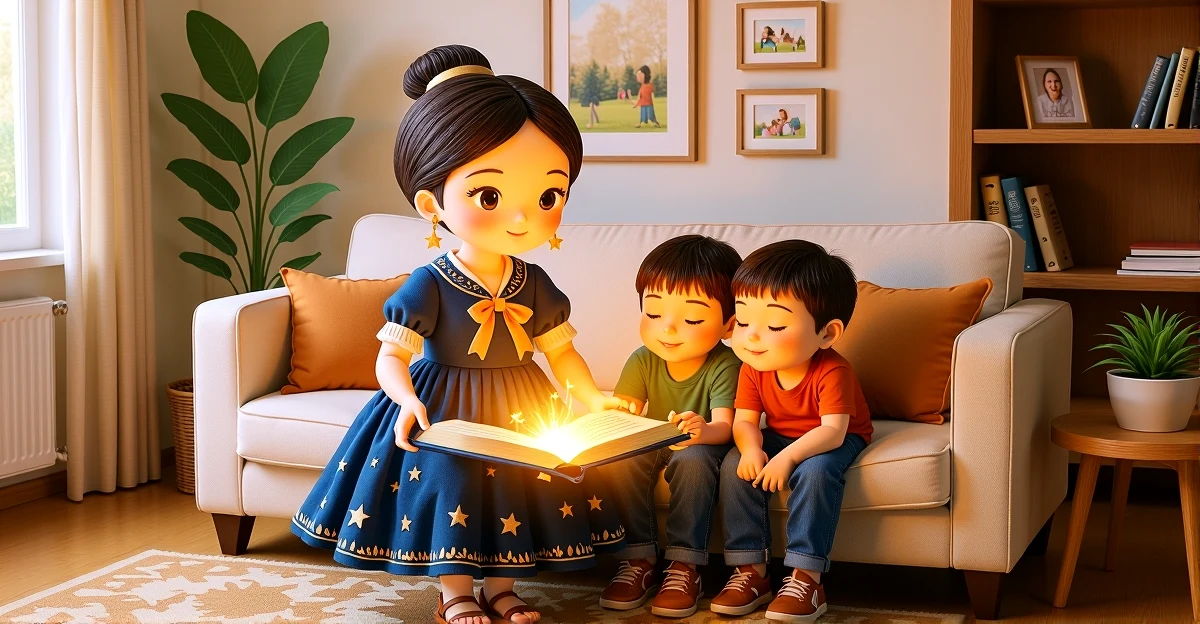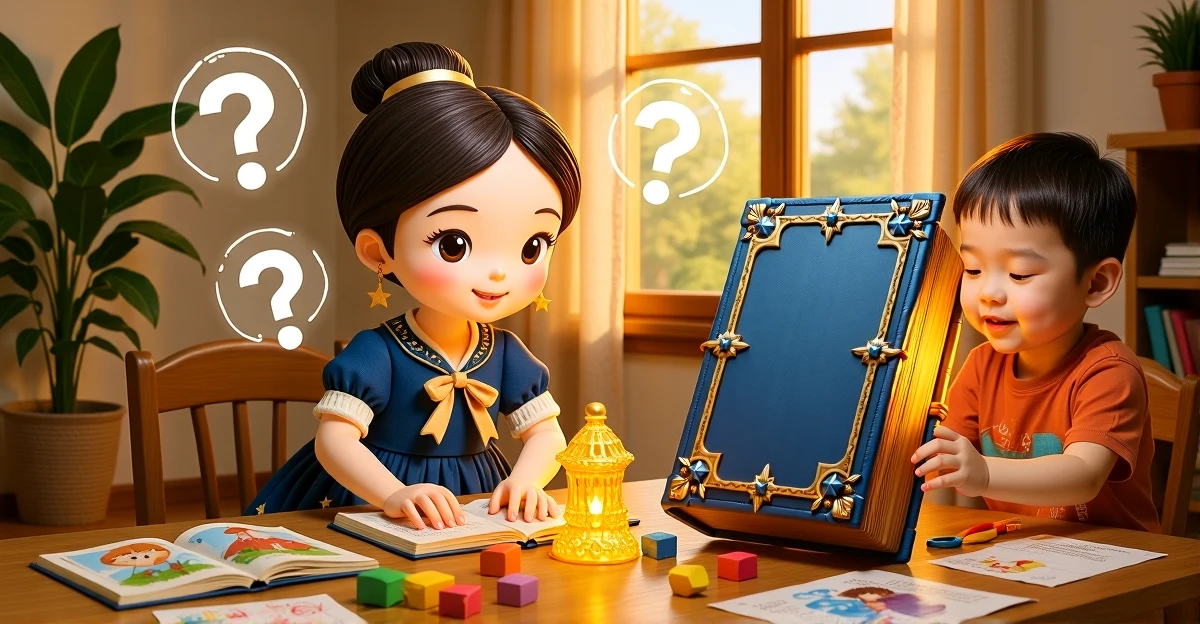
Your five-year-old and their friend both want the red crayon. Voices rise. Hands reach. You watch as your child's face flushes with frustration, and you wonder: how can I help them learn to navigate these moments with kindness instead of conflict?
If you're asking this question, you're already doing something WONDERFUL. You're recognizing that conflict resolution is not something children are just born knowing. It's a skill, a beautiful skill that we can nurture and teach. And here's the magical truth: ages five and six represent one of the most powerful developmental windows for learning peace-making.
In this guide, we'll explore the science behind how children develop conflict resolution abilities, practical strategies you can use starting today, and stories that bring these concepts to life for your child. Let's discover together how to raise a peace-maker.
Why Ages 5-6 Are Perfect for Learning Peace-Making
Something remarkable is happening in your child's brain right now. Between ages five and six, children are developing what researchers call emotion regulation skills, and these skills are the foundation for everything that comes next in their social world.
Research published in Frontiers in Psychology shows that children in this age group are in a pivotal developmental window. Their brains are literally growing the capacity to understand that other people have different thoughts and feelings than they do. Can you imagine? They're discovering that when their friend is upset, it's not because the world is ending, it's because that friend has their own inner experience.
This developmental leap is HUGE. It means your child is ready to learn:
- That disagreements don't mean the end of a friendship
- That two people can have different ideas and both be valid
- That words work better than hands for solving problems
- That listening to others creates connection and harmony
Every disagreement your child navigates is practice. Every time they feel frustrated because their friend wants to play a different game, their brain is learning. Every time they work through who gets the red crayon, they're building neural pathways for negotiation and compromise.
What Research Says About Conflict Resolution Development
The science behind conflict resolution in young children is absolutely fascinating. Studies show that five and six-year-olds are showing marked improvements in their ability to use words instead of physical responses. They're learning to consider multiple solutions to problems. They're discovering that they can repair relationships after disagreements.
Teaching empathy and perspective-taking helps children understand others' feelings and resolve conflicts peacefully. When adults model warm and responsive actions, children naturally absorb these peace-making behaviors.
— Dr. Charis Lauren Price and Dr. Elizabeth A. Steed, National Association for the Education of Young Children
This research tells us something SO important: conflict resolution is teachable. It's not a personality trait that some children have and others don't. It's a skill that flourishes when adults model warm, responsive interactions and provide structured opportunities for children to practice negotiation and compromise.
The Frontiers in Psychology research team found that children ages 4-6 who develop stronger emotion regulation skills demonstrate significantly more positive peer interactions and fewer conflicts. When children learn to recognize and manage their own emotions, they become better equipped to understand others' perspectives and respond with empathy rather than aggression.
The Beautiful Truth About Disagreements
Here's what I want you to know: when your child argues with their sibling or has a disagreement with a friend, they're not failing. They're practicing. Their brain is doing exactly what it's supposed to do at this age, which is learning how to navigate the beautiful complexity of human relationships.
Research from the Early Education and Development Journal shows that conflict management strategies develop significantly between ages 3 and 5 years. Five-year-olds show more sophisticated negotiation and compromise skills than younger children. Your child is right on track.
Gentle Strategies to Support Your Child's Peace-Making Skills
So what can we do as parents to support this beautiful development? Let me share strategies that both research and the Magic Book recommend:
1. Model the Behavior You Want to See
Your child is watching you. When you have a disagreement with your partner or a friend, let your child see you working through it calmly. Use phrases like, "I hear what you're saying, and I have a different idea. Can we find a solution that works for both of us?" Your child is learning that conflicts don't have to end in anger or hurt feelings.
2. Teach Your Child to Name Their Feelings
When your child is upset, help them put words to what's happening inside. You can say, "It looks like you're feeling frustrated because your friend wanted to play tag instead of hide and seek." When children can name their emotions, they can manage them better. And when they can manage their own emotions, they can start to understand and respond to others' emotions too.
3. Practice Perspective-Taking Together
When you read stories or watch shows, pause and ask, "How do you think that character is feeling right now? Why do you think they made that choice?" This helps your child develop empathy, which is the heart of peace-making. The more they practice seeing situations from different viewpoints, the better they become at understanding their friends' perspectives during real conflicts.
4. Celebrate Cooperation When You See It
When your child shares, takes turns, or helps a friend solve a problem, notice it! You can say, "I saw how you and your sister worked together to build that tower. You listened to each other's ideas and created something beautiful together. That's what peace-makers do." Positive reinforcement helps children recognize and repeat these behaviors.
5. Create Opportunities for Collaborative Play
Evidence-based approaches to teaching conflict resolution include role-playing and cooperative games. Set up activities where children must work together toward a common goal. Building a fort together, creating art as a team, or playing cooperative board games all provide practice in listening, compromising, and creating harmony.
6. Validate Feelings While Guiding Behavior
When conflicts arise, validate your child's feelings first: "I can see you're really upset that your friend took the toy you were playing with." Then gently guide them toward constructive solutions: "Let's think together about what you could say to your friend. What words could help them understand how you feel?"
The Role of Stories in Teaching Peace-Making
Stories are one of the most powerful tools we have for teaching conflict resolution. When children see characters navigating disagreements and finding peaceful solutions, they're learning templates for their own behavior. They're discovering that conflicts can be resolved with kindness, that listening creates connection, and that cooperation makes everything more beautiful.
The Magic Book understands this deeply. That's why we create stories that show children what peace-making looks like in action.
Stories That Can Help
In The Book of Inara, we have beautiful stories that bring these concepts to life for your child:
The Harmony Arcade Adventure
Perfect for: Ages 4-5 (also wonderful for 5-6 year olds)
What makes it special: Leo and Mia discover a magical arcade where the games create beautiful light patterns, but only when the players listen carefully to each other. This story makes abstract concepts like active listening and cooperation concrete and engaging. Children learn that paying attention to others creates harmony and beauty in relationships.
Key lesson: True cooperation makes everything more beautiful. When we listen to each other and work together, something magical happens.
Parent talking point: After reading this story, practice "listening games" with your child where you take turns sharing ideas and truly listening to each other, just like Leo and Mia did. Notice together how cooperation feels different than competition.
You're Doing Beautifully
I want you to remember something important. Your child's journey to becoming a skilled peace-maker won't happen overnight. There will still be arguments. There will still be tears and frustration. And that's okay. That's part of learning.
Every time your child works through a conflict, even imperfectly, they're growing. Every time they try to use their words instead of their hands, they're practicing. Every time they attempt to see things from another person's perspective, they're developing empathy.
And you, wonderful parent, you're their guide on this journey. Your calm presence during conflicts teaches them that disagreements don't have to be scary. Your gentle coaching helps them find the words they need. Your belief in their ability to learn these skills gives them confidence.
The research is SO clear on this: when parents respond to conflicts with patience and teach children specific skills for creating harmony, they're building foundational abilities that support healthy relationships throughout life. You're not just helping your child navigate playground disagreements. You're giving them tools they'll use forever.
Keep going, my wonderful friend. Keep modeling empathy. Keep teaching perspective-taking. Keep celebrating cooperation. Keep reading stories that show children what peace-making looks like. You're raising a peace-maker, a harmony-creator, someone who can navigate the beautiful complexity of human relationships with kindness and skill.
The Magic Book and I believe in you, and we believe in your child.
With love and starlight,
Inara
Related Articles
- When Screen Time Ends in Meltdowns: Understanding Your Child's Brain and What Actually Helps (Ages 5-6)
- When Your Child Feels Invisible: Understanding Social Isolation and the Gentle Path to Friendship
- Teaching Your 4-5 Year Old Peaceful Conflict Resolution: A Gentle Parenting Guide
- Teaching Your Child Conflict Resolution Skills: A Gentle Guide for Ages 5-6
- Teaching Financial Wisdom to Your 5-6 Year Old: A Gentle Guide to Money and Economics
Show transcript
Hello, wonderful parent! It's me, Inara, and I am SO happy you're here today. You know, the Magic Book and I have been noticing something beautiful happening in homes with five and six-year-olds. Parents are watching their children navigate friendships, playground disagreements, and sibling dynamics, and they're wondering, how can I help my child become skilled at resolving conflicts and creating harmony?
And I want you to know something right from the start. If you're asking this question, you're already doing something WONDERFUL. You're recognizing that conflict resolution isn't something children are just born knowing. It's a skill, a beautiful skill that we can nurture and teach.
Let me share what the Magic Book has taught me about this magical age. When your child is five or six years old, something remarkable is happening in their brain. They're developing what researchers call emotion regulation skills, and these skills are the foundation for everything that comes next in their social world.
Here's what the research shows, and I find this absolutely fascinating. Children at this age are in a pivotal developmental window. Their brains are literally growing the capacity to understand that other people have different thoughts and feelings than they do. Can you imagine? They're discovering that when their friend is upset, it's not because the world is ending, it's because that friend has their own inner experience.
Dr. Charis Lauren Price and Dr. Elizabeth A. Steed, who study early childhood development, put it beautifully. They say that teaching empathy and perspective-taking helps children understand others' feelings and resolve conflicts peacefully. And when adults model warm and responsive actions, children naturally absorb these peace-making behaviors.
Now, I know what you might be thinking. But Inara, my child still argues with their sibling every single day. Or, my child gets SO upset when things don't go their way on the playground. And my friend, that is completely normal. In fact, it's more than normal. It's necessary.
Every disagreement your child navigates is practice. Every time they feel frustrated because their friend wants to play a different game, their brain is learning. Every time they work through who gets the red crayon, they're building neural pathways for negotiation and compromise.
The research tells us that five and six-year-olds are showing marked improvements in their ability to use words instead of physical responses. They're learning to consider multiple solutions to problems. They're discovering that they can repair relationships after disagreements. Isn't that AMAZING?
So what can we do as parents to support this beautiful development? Let me share some strategies that the Magic Book and the research both recommend.
First, model the behavior you want to see. When you have a disagreement with your partner or a friend, let your child see you working through it calmly. Use phrases like, I hear what you're saying, and I have a different idea. Can we find a solution that works for both of us? Your child is watching, and they're learning that conflicts don't have to end in anger or hurt feelings.
Second, teach your child to name their feelings. When they're upset, help them put words to what's happening inside. You can say, it looks like you're feeling frustrated because your friend wanted to play tag instead of hide and seek. When children can name their emotions, they can manage them better. And when they can manage their own emotions, they can start to understand and respond to others' emotions too.
Third, practice perspective-taking together. When you read stories or watch shows, pause and ask, how do you think that character is feeling right now? Why do you think they made that choice? This helps your child develop empathy, which is the heart of peace-making.
Fourth, celebrate cooperation when you see it. When your child shares, takes turns, or helps a friend solve a problem, notice it! You can say, I saw how you and your sister worked together to build that tower. You listened to each other's ideas and created something beautiful together. That's what peace-makers do.
And here's something the Magic Book wants you to know. Conflict resolution isn't about avoiding disagreements. It's about learning to move through them with kindness and respect. It's about discovering that two people can have different ideas and still care about each other.
Now, I want to tell you about a story that shows this beautifully. It's called The Harmony Arcade Adventure, and it's about two friends named Leo and Mia who discover something magical. They find an arcade where the games create beautiful light patterns, but only when the players listen carefully to each other.
In the story, Leo and Mia learn that true cooperation makes everything more beautiful. They discover that when they pay attention to each other, when they really listen and work together, something magical happens. The games respond to their harmony.
And isn't that just like real life? When children learn to listen to each other, when they practice taking turns in conversation and paying attention to their friends' ideas, relationships become more beautiful. Connection deepens. Harmony grows.
After you read this story with your child, you might try what I call listening games. Take turns sharing ideas and truly listening to each other, just like Leo and Mia did. Notice together how cooperation feels different than competition. Talk about how it feels when someone really listens to you.
The research is so clear on this. When parents respond to conflicts with patience and teach children specific skills for creating harmony, they're building foundational abilities that support healthy relationships throughout life. You're not just helping your child navigate playground disagreements. You're giving them tools they'll use forever.
I want you to remember something important. Your child's journey to becoming a skilled peace-maker won't happen overnight. There will still be arguments. There will still be tears and frustration. And that's okay. That's part of learning.
Every time your child works through a conflict, even imperfectly, they're growing. Every time they try to use their words instead of their hands, they're practicing. Every time they attempt to see things from another person's perspective, they're developing empathy.
And you, wonderful parent, you're their guide on this journey. Your calm presence during conflicts teaches them that disagreements don't have to be scary. Your gentle coaching helps them find the words they need. Your belief in their ability to learn these skills gives them confidence.
The Magic Book and I believe in you, and we believe in your child. We know that with your support, your child is learning to be a peace-maker, a harmony-creator, someone who can navigate the beautiful complexity of human relationships with kindness and skill.
So keep going, my friend. Keep modeling empathy. Keep teaching perspective-taking. Keep celebrating cooperation. Keep reading stories that show children what peace-making looks like. You're doing something truly WONDERFUL.
You can find The Harmony Arcade Adventure and many other stories that support social-emotional learning in The Book of Inara app. Each story is crafted with love to help children develop these essential life skills.
Thank you for being here today, and thank you for investing in your child's ability to create harmony in the world. The Magic Book and I are always here for you.
With love and starlight, Inara.