You're at the park, and your toddler's friend falls and starts crying. Your little one glances over, then goes right back to playing in the sandbox. You wonder: Do they notice? Do they care? Should I be worried?
Take a deep breath, my wonderful friend. What you're witnessing is completely normal, and it's actually the beginning of something BEAUTIFUL. Your toddler is at the very start of their empathy journey, learning one of life's most important skills: recognizing emotions in others.
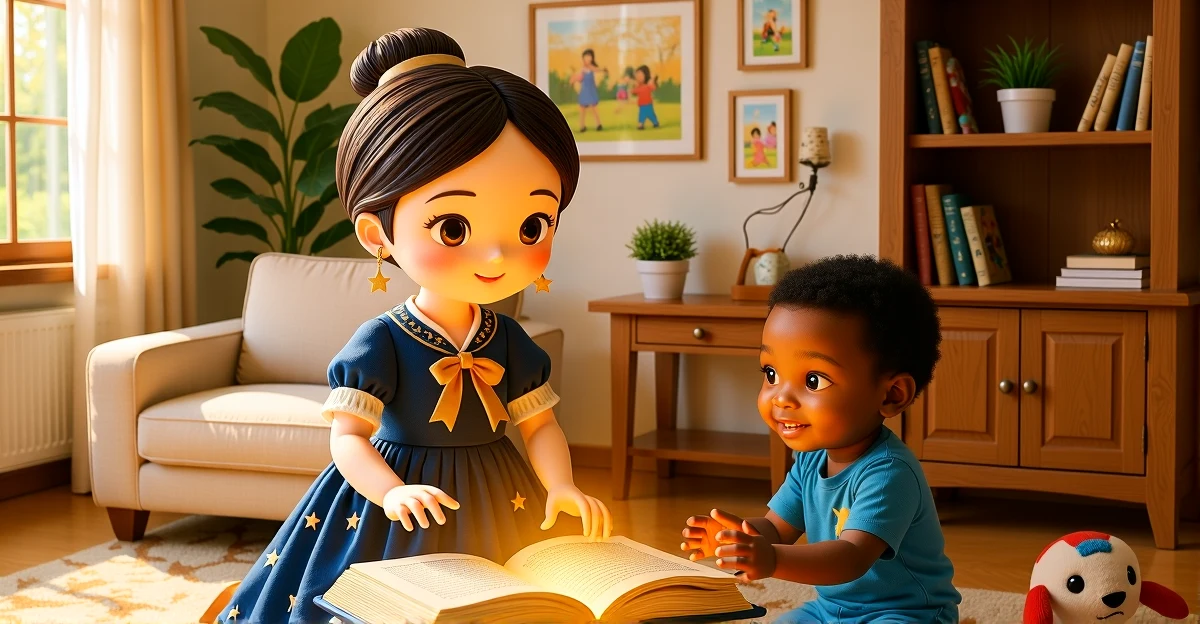
In this guide, we'll explore what's happening in your toddler's developing brain, why this skill matters so much, and gentle, research-backed ways you can support your child as they learn to notice when others are happy or sad. Plus, I'll share a magical story that brings these concepts to life in a way toddlers truly understand.
The Beautiful Beginning: What's Happening in Your Toddler's Brain
Between ages two and three, something absolutely AMAZING is happening inside your little one's mind. They're beginning to understand that other people have feelings too, just like they do. This is a huge developmental leap!
Think about it: for the first year or two of life, your child's world revolved entirely around their own needs and feelings. Hungry? Cry. Tired? Fuss. Happy? Giggle. Their brain was focused on survival and self-awareness. But now, their cognitive abilities are expanding in the most wonderful way.
Your toddler is discovering that when Mama smiles, she's happy. When their friend cries, something made them sad. When you give them a hug, you're showing love. They're learning to read facial expressions, interpret tone of voice, and notice body language. These are the building blocks of emotional intelligence and empathy.
Research shows that learning to recognize emotions in others is a natural developmental milestone that emerges during the toddler years. This is when children begin developing emotional intelligence, which includes the ability to identify feelings in themselves and others. And here's what's truly special: children with stronger emotional awareness grow up to be better at paying attention, more engaged with friends, and more empathic throughout their lives.
Why This Skill Matters for Your Child's Future
You might be thinking, "It's sweet that my toddler is learning about feelings, but is it really that important?" The answer is a resounding YES, and here's why.
Emotional awareness is the foundation of empathy, and empathy is the foundation of every meaningful relationship your child will ever have. When children learn to recognize emotions in others, they're developing the ability to:
- Build genuine friendships: Understanding when a friend is sad or excited helps children connect and respond appropriately
- Navigate social situations: Reading emotional cues helps children know when to offer comfort, when to celebrate, and when to give space
- Develop compassion: Noticing others' feelings naturally leads to caring about others' wellbeing
- Communicate effectively: Understanding emotions helps children express their own feelings and understand others' perspectives
- Succeed academically: Studies show that children with higher emotional intelligence are better able to pay attention and engage in school
Dr. Shauna Tominey and her colleagues at the Yale Center for Emotional Intelligence have found that children with higher emotional intelligence are better able to pay attention, more engaged in school, have more positive relationships, and are more empathic. This early emotional literacy creates the foundation for prosocial behavior and healthy relationships throughout life.
"Children with higher emotional intelligence are better able to pay attention, are more engaged in school, have more positive relationships, and are more empathic."
— Dr. Shauna Tominey, Yale Center for Emotional Intelligence
How Toddlers Learn to Notice Feelings: The Magic of Modeling
Here's something wonderful that the research tells us: your toddler learns about emotions primarily by watching YOU. You are their emotion translator, their feelings guide, their empathy teacher.
The foundation for emotional awareness is built through consistent, supportive interactions with caregivers who help children connect physical cues like facial expressions, body language, and tone of voice with emotion words. When you name your own feelings out loud, when you point out emotions in others, when you connect what you see with what someone might be feeling, you're teaching your child the language of the heart.
The American Psychological Association emphasizes that parents, teachers, and other caregivers have such an important role in teaching children about emotions. Young children need their adults to help identify emotions regularly before they can do it independently. Think of yourself as your child's emotion detective partner, helping them solve the mystery of what people are feeling.
And here's the beautiful truth: this learning happens most effectively in warm, trusting relationships where children feel safe exploring the full range of human emotions. Every time you cuddle on the couch reading a story, every time you walk to the park pointing out the happy dog wagging its tail, every time you comfort your child and say, "That hurt, didn't it? You're feeling sad right now, and that's okay. I'm here," you're building their emotional intelligence.
Five Gentle Ways to Help Your Toddler Notice Emotions
Ready for some practical strategies? Here are five gentle, research-backed ways to support your toddler's journey into emotional awareness:
1. Narrate Emotions Throughout Your Day
Make feelings a natural part of your everyday conversation. When you're feeling happy, say it out loud! "I'm feeling so happy right now because we're spending time together!" When you're frustrated, name that too. "Mama's feeling a little frustrated because I can't find my keys. I'm going to take a deep breath."
This teaches your child that all feelings are okay and that we can talk about them. It also gives them the vocabulary they need to understand and express emotions.
2. Point Out Emotions in Others with Curiosity and Care
When you see someone at the park, you might say, "Look, that little boy is smiling so big! I think he's feeling really happy on the swings!" Or, "That person looks sad. I wonder if they need a kind word today." You're teaching your child to notice and care about how others feel.
Keep your observations gentle and curious, never judgmental. The goal is to help your child become an emotion detective, not to make them feel anxious about others' feelings.
3. Read Stories and Talk About Characters' Feelings
This is where the magic REALLY happens! Stories give us a safe, cozy way to explore all kinds of emotions. As you read together, pause and wonder: "How do you think she's feeling right now? What do you see on her face?" "Why might he be sad?" "What could help her feel better?"
These conversations help your child practice emotional awareness in a low-pressure, imaginative context. They can explore big feelings without experiencing them directly.
4. Create Feeling Signals at Home
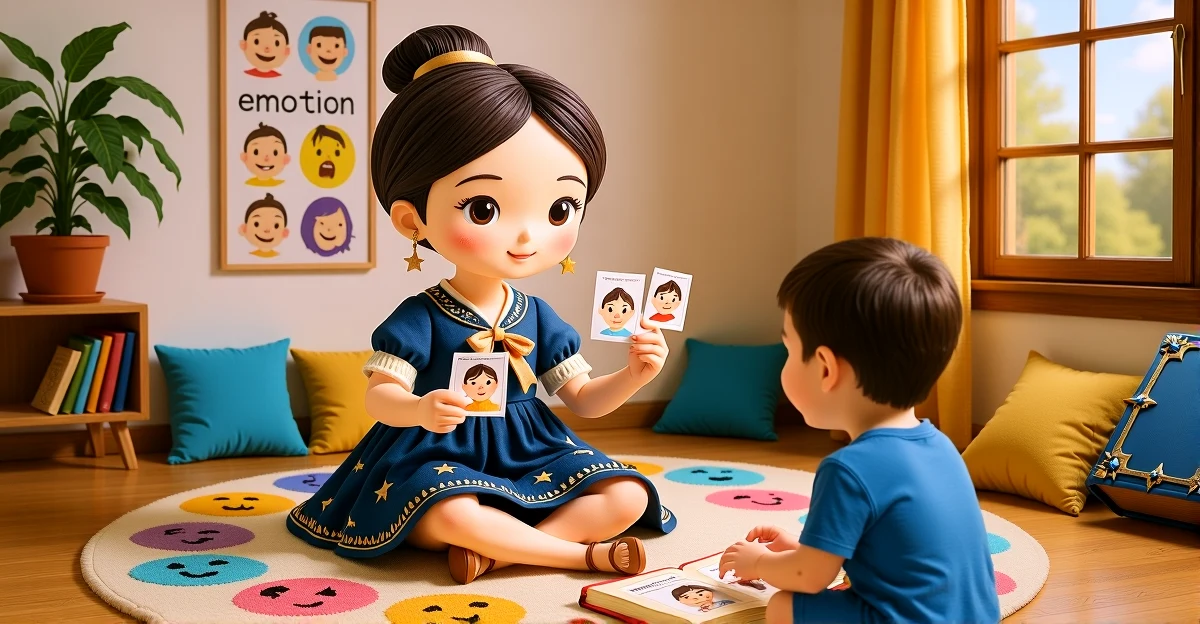
Make emotions visible and concrete for your toddler. You might create a feelings chart where family members can show how they're feeling each day. Or designate a special stuffed animal that sits in different spots depending on the household mood. Some families use color-coded emotion cards or even a "feelings jar" where everyone can drop in notes about their day.
These visual cues help toddlers, who are still developing abstract thinking, understand that feelings are real and important.
5. Validate Your Child's Observations
When your toddler notices an emotion, celebrate it! "You're right, Grandma does look happy! You noticed her big smile!" or "Yes, your friend is crying. That means they're feeling sad. Should we see if a hug would help?"
This positive reinforcement encourages your child to keep noticing and caring about others' feelings.
A Story That Brings Empathy to Life
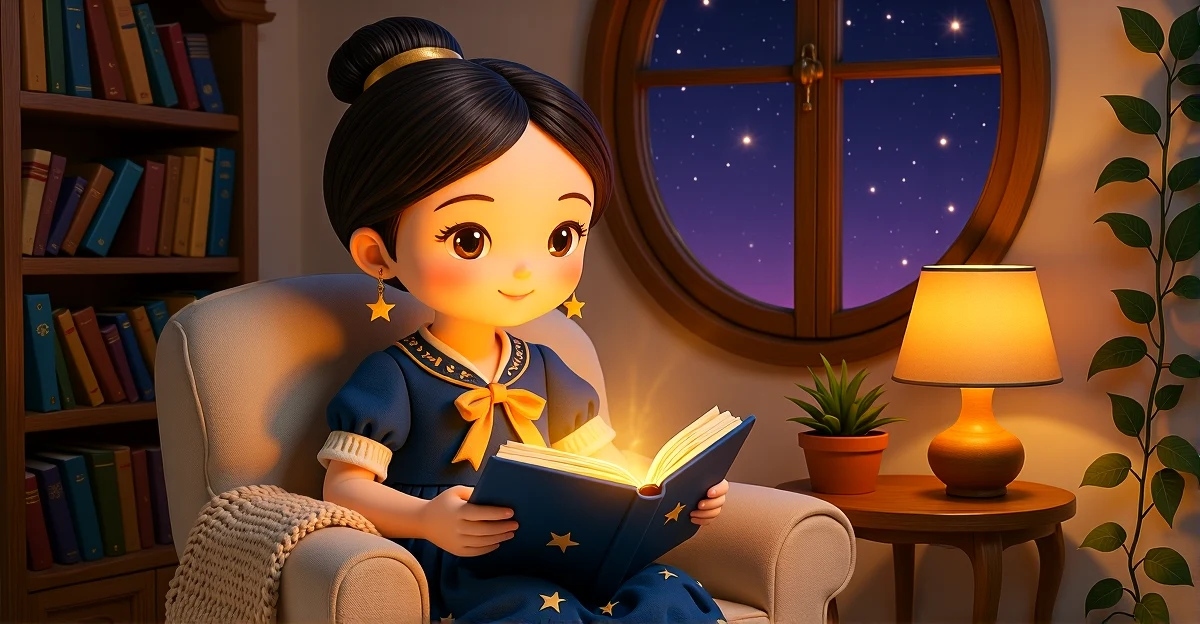
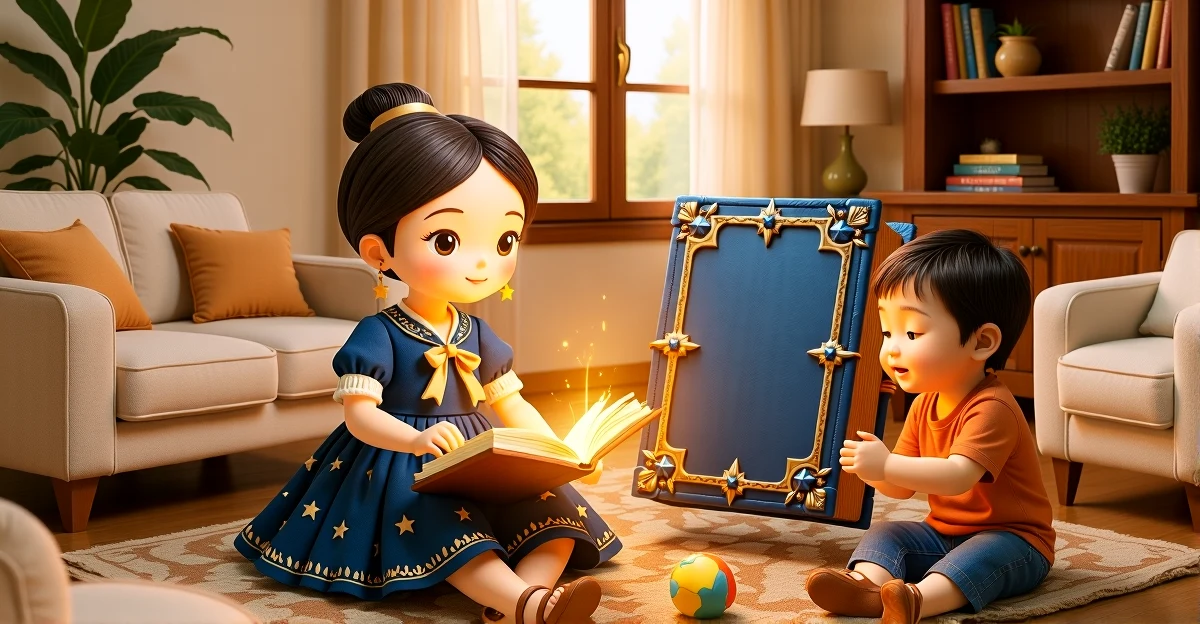
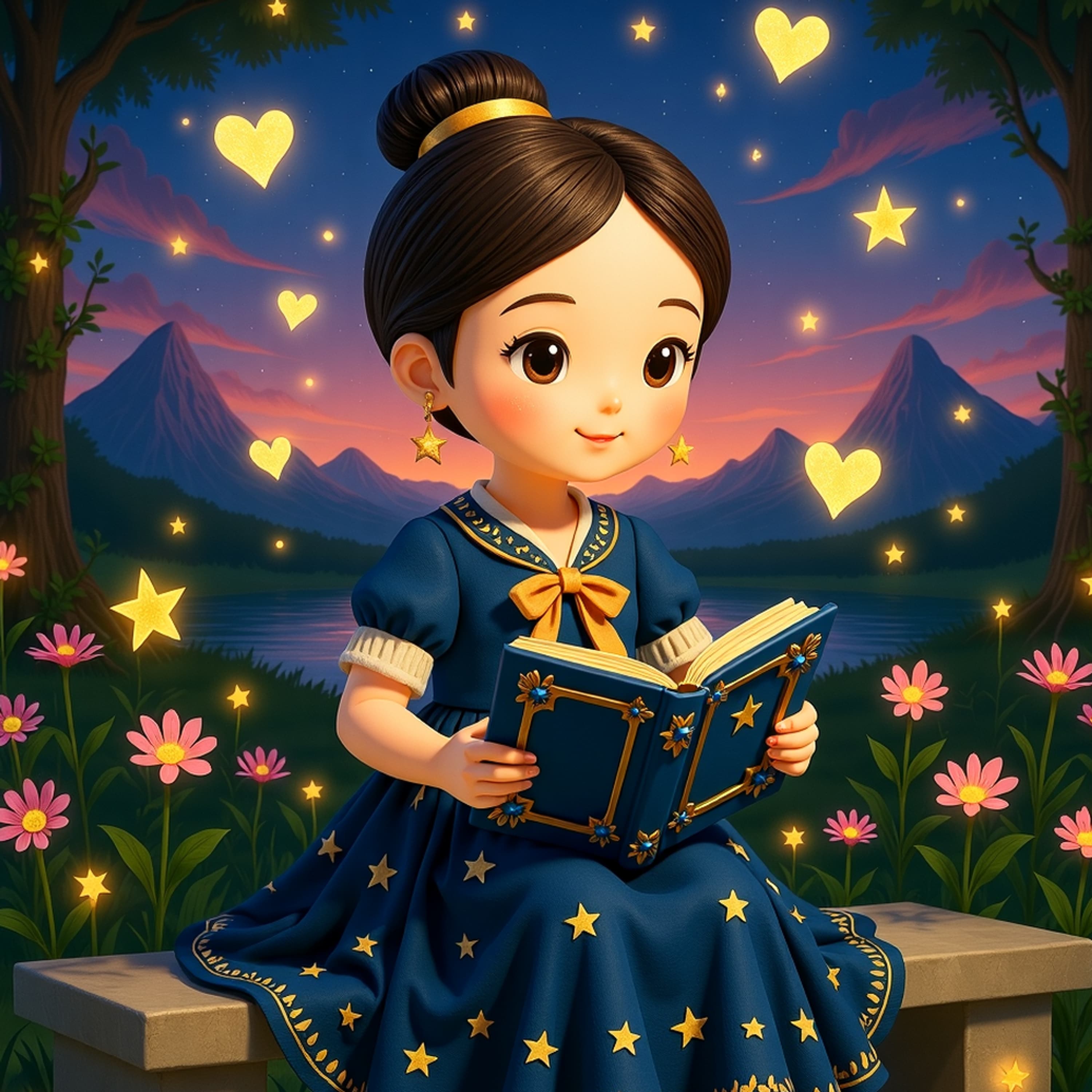
In The Book of Inara, we have a beautiful story that shows emotional awareness in a way toddlers truly understand. Let me tell you about it:
The Candy Jar Apology
Perfect for: Ages 2-3
What makes it special: This story beautifully demonstrates empathy development as Milo learns to recognize that Nana feels sad when her gummy bears are knocked over. The magical candy jars dimming provides a concrete visual representation of how our actions affect others' feelings, making the abstract concept of empathy tangible for toddlers.
The magic moment: When Milo sees the candy jars dim and realizes Nana is sad, children learn that we can see how others feel by watching their faces and the world around us. His heartfelt apology and the jars brightening again shows that caring actions can help when someone feels sad.
How to use this story: After reading, practice noticing feelings together. Point out when family members look happy or sad, and talk about what might have caused those feelings. You can even create your own "feeling signals" at home, like Milo's magical candy jars, to help your toddler recognize emotions.
You're Doing Beautifully
My wonderful friend, I want you to know something important: teaching your toddler to recognize emotions in others is not about perfection. It's not about having a child who always responds with empathy or never seems self-focused. Your two or three year old is just beginning to understand that other people have feelings. They're learning. They're growing. And with your gentle guidance, they WILL get there.
Some days, your toddler will surprise you by offering a toy to a crying friend. Other days, they'll walk right past someone who's upset without seeming to notice. Both are completely normal. Empathy is a skill that develops over time, and you're planting seeds that will bloom throughout your child's life.
Keep doing what you're doing. Keep naming feelings. Keep reading stories. Keep creating those moments of connection where your child feels safe to explore the emotional world. You're teaching your little one one of life's most important skills: how to notice, understand, and care about the feelings of others.
The Magic Book and I are always here for you, cheering you on. Your child is so lucky to have you as their guide through this beautiful world of feelings. Keep shining your light, keep sharing your love, and watch as your little one blossoms into a kind, empathic, emotionally intelligent person.
With all my love and starlight,
Inara
Related Articles
- Your Child Isn't Behind: Understanding Emotion Recognition in Ages 3-4
- Why Your Toddler Says Mine to Everything (And Why That is Beautiful)
- The Beautiful Science of Toddler Empathy: Supporting Your Child's Caring Heart (Ages 2-3)
- Teaching Toddlers Gentle Touch: A Guide to Empathy Development (Ages 2-3)
- Why Your Toddler Struggles with Gentle Touch (And How to Help)
Show transcript
Hello, my wonderful friend! It's me, Inara, and I am SO happy you're here today! You know, the Magic Book and I have been noticing something beautiful happening in homes all around the world. Parents like you are watching their little ones take their very first steps into the world of empathy, learning to notice when someone is happy or sad. And I want you to know something important right from the start: you're doing BEAUTIFULLY.
Teaching your toddler to recognize emotions in others is one of the most precious gifts you can give them. It's the foundation of kindness, friendship, and connection. And here's something wonderful: your child is already learning this skill right now, just by being with you!
Let me tell you what the Magic Book has taught me about this magical time in your child's development.
Between ages two and three, something absolutely AMAZING is happening in your little one's brain. They're beginning to understand that other people have feelings too, just like they do! This is a huge developmental leap, my friend. Your toddler is discovering that when Mama smiles, she's happy. When their friend cries, something made them sad. When you give them a hug, you're showing love.
The research that the Magic Book shares with me tells us that this is a natural developmental milestone. Children with stronger emotional awareness grow up to be better at paying attention, more engaged with friends, and more empathic. They build beautiful relationships throughout their lives. And it all starts right here, right now, with you helping them notice feelings.
Here's what makes this so special: your toddler learns about emotions by watching YOU. When you name your own feelings out loud, when you point out emotions in others, when you connect facial expressions with feeling words, you're teaching your child the language of the heart. You're showing them how to read the emotional world around them.
The Magic Book whispers this truth: young children need their grown-ups to help them identify emotions regularly before they can do it on their own. Think of yourself as your child's emotion translator. You're helping them understand what those facial expressions mean, what that tone of voice is telling them, what that body language is showing them.
So how do we do this? How do we help our little ones become emotion detectives? Let me share some gentle, magical ways that really work.
First, narrate emotions throughout your day. When you're feeling happy, say it out loud! "I'm feeling so happy right now because we're spending time together!" When you're frustrated, name that too. "Mama's feeling a little frustrated because I can't find my keys. I'm going to take a deep breath." This teaches your child that all feelings are okay and that we can talk about them.
Second, point out emotions in others with curiosity and care. When you see someone at the park, you might say, "Look, that little boy is smiling so big! I think he's feeling really happy on the swings!" Or, "That person looks sad. I wonder if they need a kind word today." You're teaching your child to notice and care about how others feel.
Third, read stories together and talk about the characters' feelings. This is where the magic REALLY happens, my friend! Stories give us a safe, cozy way to explore all kinds of emotions. We can wonder together why a character feels a certain way, what might help them feel better, and how their feelings change throughout the story.
And speaking of stories, I want to tell you about one that shows this beautifully. It's called The Candy Jar Apology, and it's about Milo and his dear Nana visiting the corner store for penny candy. When Milo accidentally knocks over Nana's favorite gummy bears, something magical happens. The candy jars dim! They lose their sparkle and glow.
Milo notices right away that something is wrong. He sees Nana's face, he sees the dimmed jars, and he realizes: Nana is sad. And here's the beautiful part, my friend. Milo learns that when he says sorry and shows he cares, the jars light up again! Everything becomes bright and magical once more.
This story gives children a concrete, visual way to understand how our actions affect others' feelings. The dimming jars are like a feeling signal, showing Milo that Nana needs care and kindness. And when he responds with empathy, with that heartfelt apology, the world brightens again.
After you read this story with your little one, you can practice noticing feelings together. Point out when family members look happy or sad. Talk about what might have caused those feelings. You could even create your own feeling signals at home, just like Milo's magical candy jars! Maybe a special stuffed animal that sits in different spots depending on how someone is feeling, or a feelings chart where everyone can show their emotions.
The Magic Book also taught me something important about this journey. Sometimes parents worry that their toddler doesn't seem to notice when others are upset, or that they don't respond with empathy yet. But here's the truth, my friend: empathy is a skill that develops over time. Your two or three year old is just beginning to understand that others have feelings. They're learning. They're growing. And with your gentle guidance, they WILL get there.
Dr. Shauna Tominey and her colleagues at the Yale Center for Emotional Intelligence have found that children with higher emotional intelligence are better able to pay attention, more engaged in school, have more positive relationships, and are more empathic. The American Psychological Association reminds us that parents and caregivers have such an important role in teaching children about emotions. And the research is clear: toddlers learn to notice others' feelings when caring adults like you consistently model emotional awareness, provide rich emotion vocabulary, and create safe spaces for children to explore all their feelings.
You're creating that safe space right now, my friend. Every time you name a feeling, every time you notice an emotion with your child, every time you read a story and wonder together about how a character feels, you're building your child's emotional intelligence. You're teaching them the language of empathy. You're showing them how to connect heart to heart with others.
And here's something the Magic Book wants you to know: this learning happens best in warm, trusting relationships. It happens in those quiet moments when you're cuddling on the couch, reading a story together. It happens when you're walking to the park and pointing out the happy dog wagging its tail. It happens when you comfort your child after a tumble and say, "That hurt, didn't it? You're feeling sad right now, and that's okay. I'm here."
Your presence, your warmth, your gentle guidance, these are the magic ingredients. You don't need fancy programs or expensive toys. You just need to be present, to notice feelings together, and to talk about emotions as a natural part of your day.
So keep doing what you're doing, my wonderful friend. Keep naming feelings. Keep reading stories. Keep creating those moments of connection where your child feels safe to explore the emotional world. You're teaching your little one one of life's most important skills: how to notice, understand, and care about the feelings of others.
The Magic Book and I are always here for you, cheering you on. And remember, stories like The Candy Jar Apology are waiting in The Book of Inara app, ready to help you and your little one explore emotions together in the most magical way.
You're doing such important work, my friend. Your child is so lucky to have you as their guide through this beautiful world of feelings. Keep shining your light, keep sharing your love, and watch as your little one blossoms into a kind, empathic, emotionally intelligent person.
With all my love and starlight, Inara.