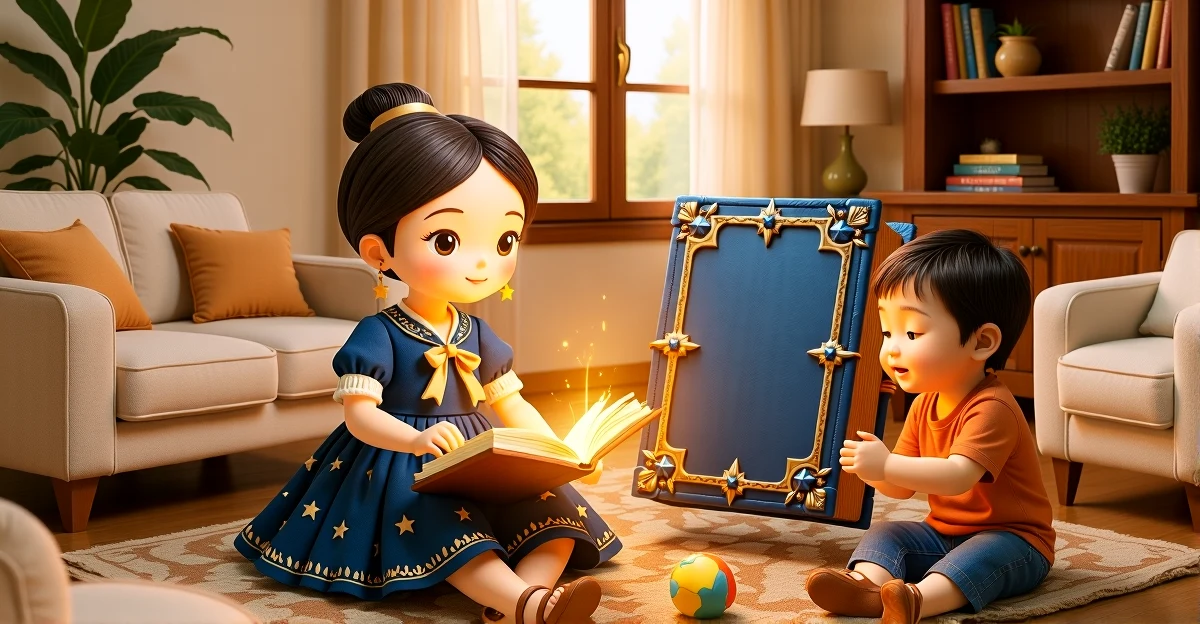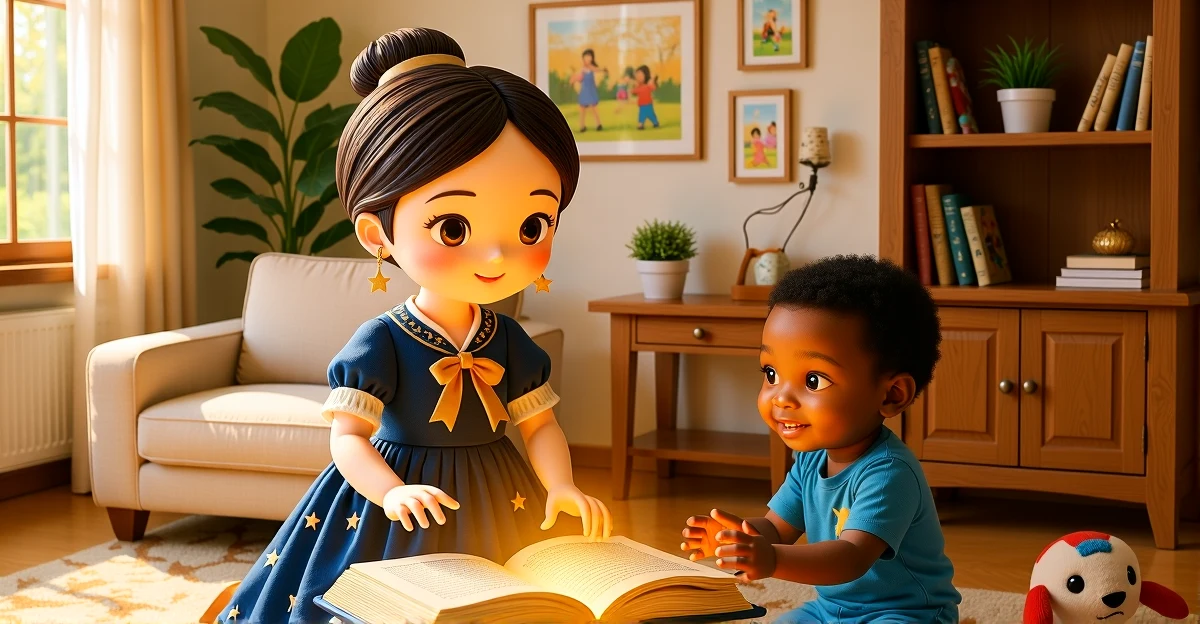

Your two-year-old notices someone crying and toddles over with their favorite blanket. Or maybe your toddler pats your arm gently when you sigh, their little face full of concern. These aren't just sweet moments, my friend. These are the first sparks of empathy blooming in your child's heart, and it's absolutely WONDERFUL.
If you've witnessed these precious moments of caring, you're watching something truly magical unfold. Your child is developing one of the most important skills they'll ever learn—the ability to recognize and respond to others' feelings. And here's the beautiful truth: this capacity for empathy is already inside them, waiting to bloom with your gentle nurturing.
Today, I want to share what the Magic Book and the wisest researchers in child development have taught me about this remarkable journey. You'll discover what's happening in your toddler's amazing brain, why these caring moments matter SO much, and how you can nurture this precious gift every single day.
The Remarkable Empathy Leap (18-30 Months)
Between eighteen and thirty months, your child's brain is going through a REMARKABLE transformation. Dr. Celia Brownell at the University of Pittsburgh discovered something fascinating about this developmental window. Toddlers are making a huge leap from what she calls "instrumental helping" to "empathic helping."
What does that mean for your little one? Well, before this age, when babies help, they're usually responding to observable actions. They see you drop something, they pick it up. Simple cause and effect. But around eighteen to thirty months, something magical happens. Your child starts to understand invisible things—feelings, emotions, internal states. They're learning to read the invisible language of the heart.
Think about how AMAZING that is! Your toddler is developing the ability to look at someone's face, notice their body language, hear the tone of their voice, and think, "Something is wrong. They need help. They need comfort." That's not simple, my friend. That's incredibly sophisticated emotional intelligence beginning to bloom.
What This Looks Like in Real Life
You might see your toddler:
- Offering their favorite toy to someone who's sad
- Bringing a blanket to a friend who's crying
- Patting your back when you seem upset
- Saying "It's okay" in their sweet little voice
- Giving gentle hugs to comfort others
- Sharing food or treats when someone seems sad
Each of these moments is your child's empathy in action. They're learning that their caring actions can make others feel better, and that's a BEAUTIFUL discovery.
What Research Tells Us About Toddler Empathy
Here's what makes my heart sing: this isn't something you have to force or teach through lessons. Dr. Nancy Eisenberg, who has studied empathy development for decades at Arizona State University, found that empathic concern emerges naturally by the second year of life. It's part of your child's beautiful design.
"Children whose parents respond with empathy rather than frustration develop better emotional regulation skills and show reduced anxiety over time."
— Dr. Nancy Eisenberg, Arizona State University
But—and this is important—while the capacity for empathy is innate, how it develops depends SO much on you. And that's actually wonderful news, because it means you have the power to nurture this precious gift every single day.
Research consistently shows that empathy and caring behavior emerge naturally during the toddler years as part of healthy social-emotional development. Studies demonstrate that toddlers in this age range are developing the capacity to infer what others are feeling from facial expressions, body language, and vocal cues. When they see someone upset, they're learning to connect those signals with emotional states and respond with caring actions like offering comfort objects, gentle touches, or soothing words.
This empathic helping is more cognitively complex than earlier forms of helping because it requires understanding invisible emotional experiences, not just observable actions. Your toddler is literally learning to see with their heart.
Three Beautiful Ways to Nurture Your Child's Empathy
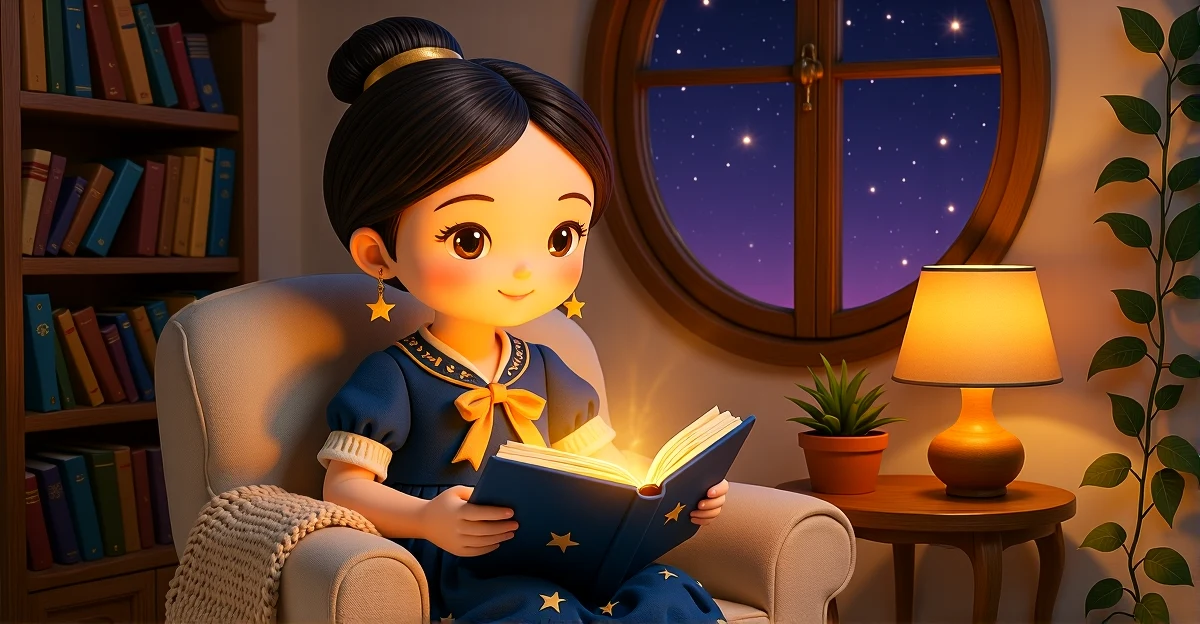
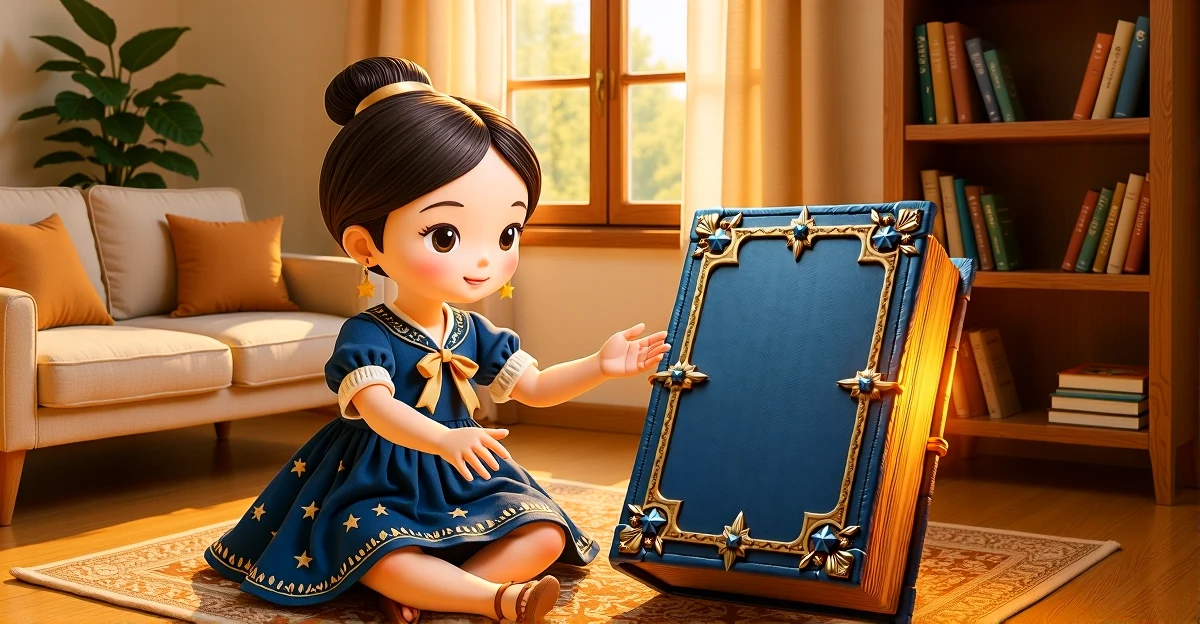
The Magic Book whispers three beautiful truths about nurturing empathy in your toddler. These aren't complicated techniques or rigid rules—they're gentle practices that weave naturally into your everyday moments together.
1. Model Empathy Yourself
Your child is watching you, always. When you respond to their feelings with warmth and understanding, you're teaching them that emotions matter. When you notice when THEY'RE upset and offer comfort, you're showing them what caring looks like.
So when your toddler is having big feelings, take a breath. Get down to their level. Say, "I see you're feeling upset. I'm here with you." You're not just comforting them in that moment—you're teaching them how to comfort others for the rest of their lives.
Dr. Eisenberg's research found that children whose parents respond with empathy rather than frustration develop better emotional regulation skills and show less anxiety over time. Isn't that BEAUTIFUL? Your empathetic responses are planting seeds that will grow into your child's lifelong emotional wellbeing.
2. Name Emotions Everywhere
The more your child hears feeling words, the better they become at recognizing emotions in themselves and others. When you read stories together, point out how characters feel. When you're at the park, notice out loud, "Look, that little friend fell down. They look sad. Should we check if they're okay?"
You're building their emotional vocabulary, and that vocabulary becomes the foundation for empathy. When children can name what they're feeling and what others are feeling, they can respond with greater understanding and care.
Try phrases like:
- "You look happy! Your smile is so big!"
- "I think your friend is feeling frustrated right now."
- "When you're sad, what helps you feel better?"
- "I notice you're feeling angry. That's okay. Let's take some deep breaths together."
3. Celebrate Their Caring Moments
When your toddler offers you their toy because you seem sad, receive it with genuine appreciation. "Thank you, sweetheart. That was so kind. You noticed I was sad, and you wanted to help me feel better. That makes my heart happy."
You're reinforcing that their caring actions matter, that they have the power to make others feel better. This positive reinforcement helps their natural empathy grow stronger and more confident.
Remember, you're not creating empathy from scratch—you're nurturing what's already there, like a gardener tending a beautiful seedling that's already sprouted.
When Empathy Doesn't Show Up (And Why That's Normal)
Now, I want to address something that might be on your heart. What if your toddler doesn't always show empathy? What if sometimes they seem completely oblivious to others' feelings, or even laugh when someone cries?
My dear friend, this is completely normal. Remember, your child is LEARNING. Dr. Brownell's research found that even at thirty months, empathic helping requires significant communicative support from adults. Your toddler's empathy is like a tiny seedling—it's there, it's real, but it needs time, patience, and gentle nurturing to grow strong.
Some days, your child will surprise you with their caring. Other days, they'll be so focused on their own needs that they don't notice anyone else's feelings. Both are normal. Both are part of the learning process. Your job isn't to force empathy, but to create an environment where it can naturally bloom.
The research shows that social and communicative support from adults is essential. That means when you gently guide your child—"Look, your friend is crying. I wonder if they need a hug"—you're not interrupting their natural development. You're scaffolding it. You're helping them notice what they might miss on their own.
Think of yourself as a gentle gardener, tending the garden of your child's heart. You're watering the seeds of empathy with your own caring responses. You're providing sunshine through your warm modeling. You're protecting the tender shoots by creating a safe, loving environment. And slowly, beautifully, empathy grows.
Stories That Bring Empathy to Life
In The Book of Inara, we have beautiful stories that show empathy in action, making this invisible concept tangible and magical for your toddler. Let me share two stories that are PERFECT for nurturing your child's caring heart:
The Greenhouse Where Plants Whisper Thank You
Perfect for: Ages 2-3
What makes it special: This story makes the invisible visible. Milo and Nana discover a magical greenhouse where plants glow softly when they're cared for with gentle love. When Milo gives water to a drooping seedling and Nana sings to it, the plant straightens up and glows with happiness. Your toddler can SEE the impact of caring actions, learning that gentle touches and kind words help living things grow and feel better.
Key lesson: Caring actions have real, visible impact on others' wellbeing. When we offer comfort and kindness, we help others bloom.
After reading: You can help your child notice when THEIR caring actions make others feel better, just like the plants in the story. "Remember how the plant glowed when Milo gave it water? I think Grandma is glowing inside because you gave her that hug!"
Sweet Bear Shares His Honey
Perfect for: Ages 2-3
What makes it special: This gentle folktale demonstrates that caring for others creates joy for everyone involved. Sweet Bear discovers that when he shares his sweet honey with forest friends, it makes everything taste even sweeter. It's not just about giving something away—it's about the beautiful feeling that comes from making someone else happy.
Key lesson: When we share comfort and kindness with others, everyone feels happier. Caring creates connection and joy.
After reading: "Just like Sweet Bear shares his honey, you're learning that when you share comfort with someone who's sad, it makes both people feel better. That's so special!"
Both of these stories give your child concrete examples of empathy in action. And stories are SO powerful for this age because toddlers learn through narrative. They can imagine themselves as Milo caring for plants, or as Sweet Bear sharing honey. They're practicing empathy in their imagination, which helps them develop it in real life.
You're Doing Beautifully
Before we close, I want you to know something. The fact that you're here, reading this, asking how to support your child's empathy development—that tells me everything about the kind of parent you are. You're thoughtful. You're caring. You're doing this beautiful work with intention and love.
Your toddler is so lucky to have you. And the empathy they're developing right now, with your gentle guidance, is going to serve them for their entire life. They're learning to be kind, compassionate humans who make the world a little bit brighter. And that starts right here, right now, in these precious toddler years.
So keep noticing those beautiful moments. Keep modeling empathy. Keep reading stories that show caring in action. Keep celebrating when your little one offers comfort. You're doing something truly WONDERFUL, my friend.
The Magic Book and I are always here for you, cheering you on. With love and starlight, Inara.
Related Articles
- Why Your Toddler Says Mine to Everything (And Why That is Beautiful)
- Understanding Parallel Play: Why Your Toddler Plays Near (Not With) Other Kids
- Teaching Toddlers Gentle Touch: A Guide to Empathy Development (Ages 2-3)
- How Young Children Learn Empathy and Kindness: A Gentle Guide for Parents
- Why Your Toddler Struggles with Gentle Touch (And How to Help)
Show transcript
Hello, my wonderful friend! It's me, Inara, and I am SO happy you're here today! You know, the Magic Book and I have been noticing something absolutely BEAUTIFUL happening in homes all around the world. Parents like you are watching their little ones do something truly magical—learning to care for others when they're upset. And I want to tell you, this is one of the most precious developmental moments you'll ever witness.
Maybe you've seen it. Your two-year-old notices someone crying and toddles over with their favorite blanket. Or your toddler pats your arm gently when you sigh. These aren't just sweet moments, my friend. These are the first sparks of empathy blooming in your child's heart, and it's absolutely WONDERFUL.
Today, I want to share what the Magic Book and the wisest researchers in child development have taught me about this beautiful journey your little one is on. Because when you understand what's happening in that amazing brain of theirs, everything shifts. You'll see these moments not as random acts of cuteness, but as your child's heart learning one of the most important skills they'll ever develop—the ability to recognize and respond to others' feelings.
So grab a cozy cup of tea, settle in, and let's talk about the beautiful science of toddler empathy, and how you can nurture this precious gift that's already growing inside your child.
First, let me share something that might surprise you. Between eighteen and thirty months, your child's brain is going through a REMARKABLE transformation. Dr. Celia Brownell at the University of Pittsburgh discovered something fascinating. Toddlers are making a huge developmental leap from what she calls instrumental helping to empathic helping.
What does that mean? Well, before this age, when babies help, they're usually responding to observable actions. They see you drop something, they pick it up. Simple cause and effect. But around eighteen to thirty months, something magical happens. Your child starts to understand invisible things—feelings, emotions, internal states. They're learning to read the invisible language of the heart.
Think about how AMAZING that is! Your toddler is developing the ability to look at someone's face, notice their body language, hear the tone of their voice, and think, something is wrong. They need help. They need comfort. That's not simple, my friend. That's incredibly sophisticated emotional intelligence beginning to bloom.
And here's what makes my heart sing. This isn't something you have to force or teach through lessons. It's already inside them, waiting to unfold. Dr. Nancy Eisenberg, who has studied empathy development for decades, found that empathic concern emerges naturally by the second year of life. It's part of your child's beautiful design.
But, and this is important, while the capacity for empathy is innate, how it develops depends SO much on you. And that's actually wonderful news, because it means you have the power to nurture this precious gift every single day.
So how do you do that? The Magic Book whispers three beautiful truths.
First, model empathy yourself. Your child is watching you, always. When you respond to their feelings with warmth and understanding, you're teaching them that emotions matter. When you notice when THEY'RE upset and offer comfort, you're showing them what caring looks like. Dr. Eisenberg's research found that children whose parents respond with empathy rather than frustration develop better emotional regulation skills and show less anxiety over time. Isn't that BEAUTIFUL?
So when your toddler is having big feelings, take a breath. Get down to their level. Say, I see you're feeling upset. I'm here with you. You're not just comforting them in that moment, you're teaching them how to comfort others for the rest of their lives.
Second, name emotions everywhere. The more your child hears feeling words, the better they become at recognizing emotions in themselves and others. When you read stories together, point out how characters feel. When you're at the park, notice out loud, Look, that little friend fell down. They look sad. Should we check if they're okay? You're building their emotional vocabulary, and that vocabulary becomes the foundation for empathy.
And third, celebrate their caring moments. When your toddler offers you their toy because you seem sad, receive it with genuine appreciation. Thank you, sweetheart. That was so kind. You noticed I was sad, and you wanted to help me feel better. That makes my heart happy. You're reinforcing that their caring actions matter, that they have the power to make others feel better.
Now, let me tell you about two stories from The Book of Inara that show this beautiful empathy development in action.
The first is called The Greenhouse Where Plants Whisper Thank You. In this story, Milo and Nana discover a magical greenhouse where plants glow softly when they're cared for with gentle love. When Milo gives water to a drooping seedling and Nana sings to it, the plant straightens up and glows with happiness.
This story is SO special for teaching empathy because it makes the invisible visible. Your toddler can SEE the impact of caring actions. They learn that gentle touches and kind words help living things grow and feel better. And here's the beautiful part—after you read this story, you can help your child notice when THEIR caring actions make others feel better, just like the plants in the story. You can say, Remember how the plant glowed when Milo gave it water? I think Grandma is glowing inside because you gave her that hug.
The second story is Sweet Bear Shares His Honey. In this folktale, a gentle bear discovers that when he shares his sweet honey with forest friends, it makes everything taste even sweeter. This story teaches that caring for others creates joy for everyone involved. It's not just about giving something away—it's about the beautiful feeling that comes from making someone else happy.
Both of these stories give your child concrete examples of empathy in action. And stories are SO powerful for this age because toddlers learn through narrative. They can imagine themselves as Milo caring for plants, or as Sweet Bear sharing honey. They're practicing empathy in their imagination, which helps them develop it in real life.
Now, I want to address something that might be on your heart. What if your toddler doesn't always show empathy? What if sometimes they seem completely oblivious to others' feelings, or even laugh when someone cries?
My dear friend, this is completely normal. Remember, your child is LEARNING. Dr. Brownell's research found that even at thirty months, empathic helping requires significant communicative support from adults. Your toddler's empathy is like a tiny seedling—it's there, it's real, but it needs time, patience, and gentle nurturing to grow strong.
Some days, your child will surprise you with their caring. Other days, they'll be so focused on their own needs that they don't notice anyone else's feelings. Both are normal. Both are part of the learning process. Your job isn't to force empathy, but to create an environment where it can naturally bloom.
And here's something else the Magic Book taught me. The research shows that social and communicative support from adults is essential. That means when you gently guide your child—Look, your friend is crying. I wonder if they need a hug—you're not interrupting their natural development. You're scaffolding it. You're helping them notice what they might miss on their own.
Think of yourself as a gentle gardener, tending the garden of your child's heart. You're watering the seeds of empathy with your own caring responses. You're providing sunshine through your warm modeling. You're protecting the tender shoots by creating a safe, loving environment. And slowly, beautifully, empathy grows.
Before we close, I want you to know something. The fact that you're here, listening to this, asking how to support your child's empathy development—that tells me everything about the kind of parent you are. You're thoughtful. You're caring. You're doing this beautiful work with intention and love.
Your toddler is so lucky to have you. And the empathy they're developing right now, with your gentle guidance, is going to serve them for their entire life. They're learning to be kind, compassionate humans who make the world a little bit brighter. And that starts right here, right now, in these precious toddler years.
So keep noticing those beautiful moments. Keep modeling empathy. Keep reading stories that show caring in action. Keep celebrating when your little one offers comfort. You're doing something truly WONDERFUL, my friend.
The Magic Book and I are always here for you, cheering you on. Until our next adventure together, sweet dreams and starlight to you and your precious little one. With love, Inara.