
Your little one clings to your legs, tears streaming down their face, begging you not to go. Your heart breaks as you try to leave for work, wondering if you are doing the right thing. The daycare teacher gently takes your child as they sob, and you walk away feeling like the worst parent in the world.
If this sounds familiar, I want you to take a deep breath with me right now. You are not alone in this, and I have something WONDERFUL to share with you. Those heartbreaking goodbye moments? They are actually a beautiful sign that your child is developing exactly as they should.
In this post, we will explore why goodbye routines are so challenging for toddlers, what research tells us about separation anxiety, and most importantly, the gentle strategies that actually work to make transitions easier for both of you.
Why Goodbye Routines Feel So Hard
When your two or three year old struggles with goodbyes, they are not being difficult. They are not trying to make you late for work or manipulate you into staying. What they are actually showing you is that their attachment to you is healthy and strong.
Research from the American Academy of Pediatrics shows us that separation anxiety typically peaks around eighteen months and can continue until age four. This is completely normal development. During this window, your child is learning one of the most important lessons of their entire life: they are learning to trust that even when you leave, you will always come back.
Think about what an enormous leap of faith that is for a toddler! Their understanding of time is still developing. When you say you will be back in a few hours, they cannot fully grasp what that means. All they know is that you, the person they love most in the universe, are leaving. And that feels scary.
The Beautiful Truth About Separation Anxiety
Here is something that might surprise you: toddlers between fifteen and eighteen months often demonstrate the loudest and most difficult separation behaviors. And you know what that means? It means your child is right on track. Their brain is developing exactly as it should.
Separation anxiety is not a problem to fix. It is a sign of secure attachment. It means your child knows you are their safe person, their home base, their source of comfort and security. That is BEAUTIFUL.
What Research Tells Us About Toddler Transitions
The ZERO TO THREE organization, which specializes in infant and toddler development, has taught me something that changed everything about how I understand goodbye routines. Young children at this age cannot yet self-regulate their big emotions. They need to borrow calm from you, the trusted adult in their life.
When you stay patient and steady during those goodbye moments, even when your heart is breaking too, you are teaching them that emotions are manageable and that they are not alone in their feelings.
— Julia Yeary, LCSW, IMH-E, ZERO TO THREE
This concept of borrowing calm is SO important. Your toddler looks to you to understand how to feel about a situation. If you are anxious and upset during goodbyes, they pick up on that energy. If you can stay warm but confident, they begin to learn that this transition is safe.
The Trust-Building Window
During the toddler years, your child is building the foundation for secure attachment and emotional regulation that will serve them for the rest of their lives. Every time you leave and come back, you are teaching them that:
- You are reliable and trustworthy
- Separation is temporary
- They are safe even when you are not physically present
- Big feelings are normal and manageable
- They can trust other caring adults
This is not just about getting through drop-off. This is about building your child capacity for independence, resilience, and trust.
Gentle Strategies That Actually Work
Now let me share the evidence-based strategies that research shows really help make goodbye routines gentler for everyone.
1. Create a Quick Goodbye Ritual
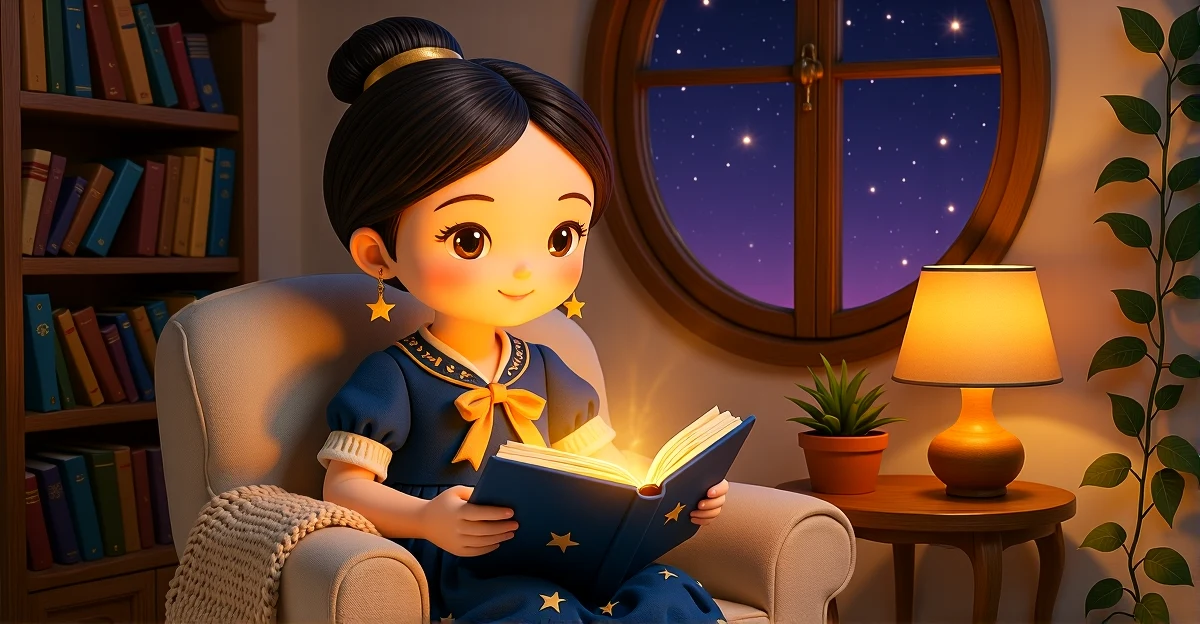
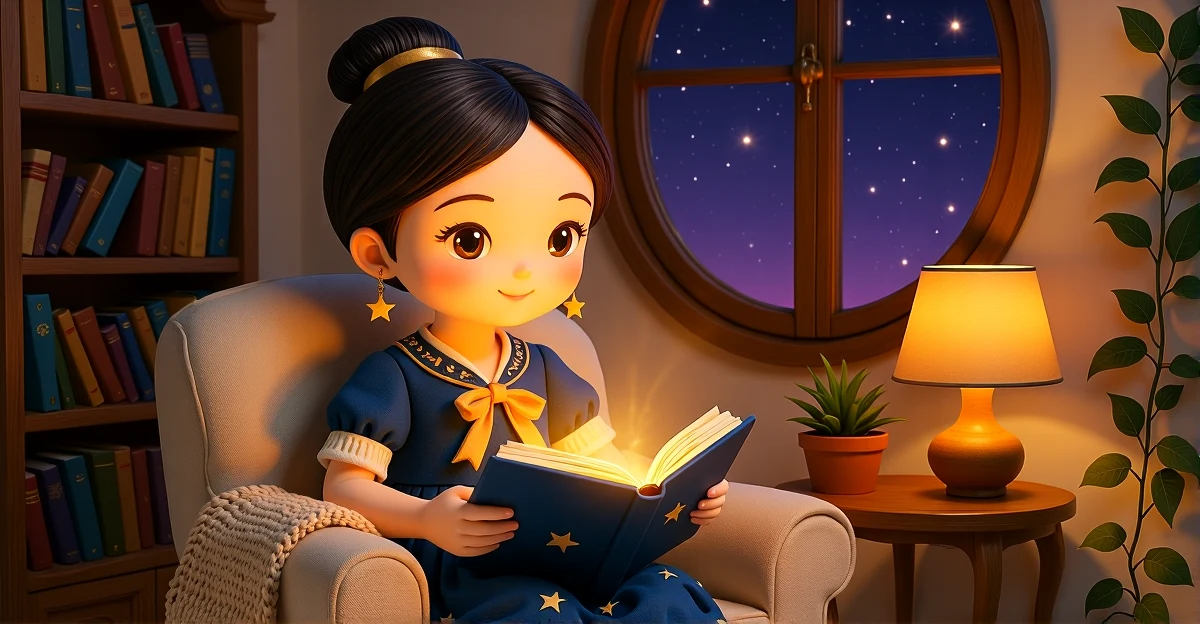
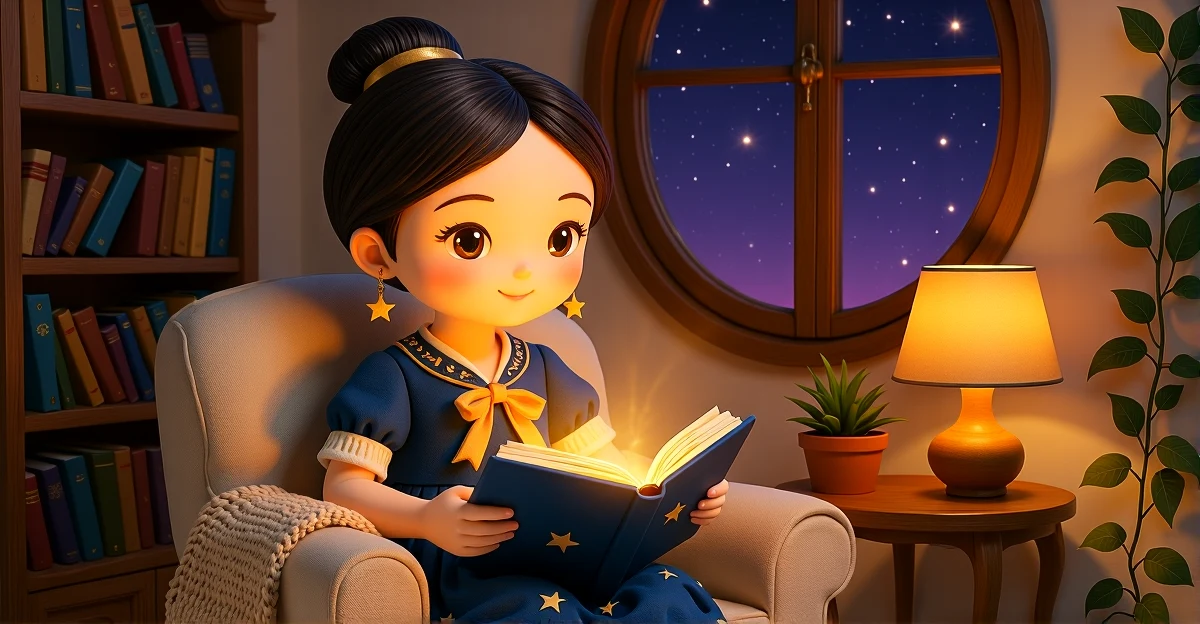
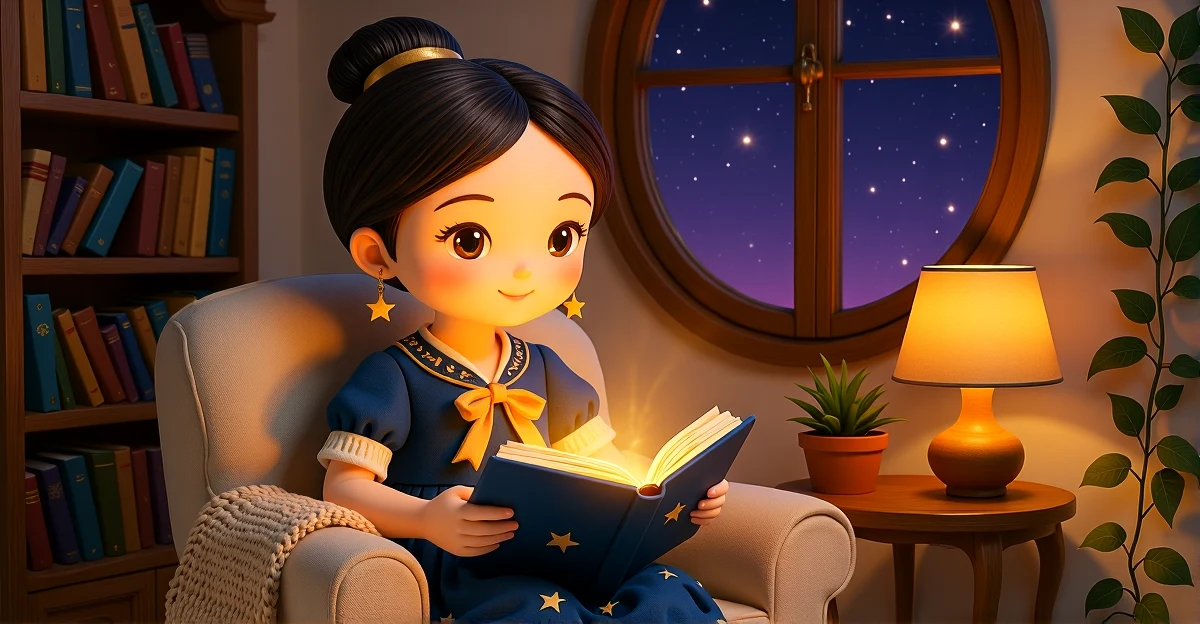
This could be two special kisses, a secret handshake, or a silly phrase you say together. The Magic Book taught me that rituals create predictability, and predictability creates safety in a child heart. Keep it short and sweet. If you linger, the transition time stretches out, and so does the anxiety.
Your ritual might be as simple as: two hugs, one kiss, and I love you, see you after nap time. The key is doing the SAME ritual every single time.
2. Be Consistent
Try to do the same drop-off with the same ritual at the same time each day whenever you can. Your child brain is learning patterns, and when those patterns are reliable, they start to trust that you will return just like you always do.
Consistency builds trust, and trust builds independence. I know this can be challenging with real-life schedules, but even small consistencies help enormously.
3. Never Sneak Away
The ZERO TO THREE organization emphasizes something so important: never sneak away without saying goodbye. I know it might seem easier in the moment, but sneaking away actually heightens your child worry that they cannot trust you or trust in your return.
Always say goodbye clearly, even if it brings tears. Trust is everything.
4. Use Time They Understand
When you talk about when you will return, use time references your child can understand. Instead of saying, I will be back at three o clock, try saying, I will be back after nap time and before afternoon snack.
Young children do not understand clock time yet, but they understand the rhythm of their day. This helps them hold you in their mind and trust your return.
5. Give Your Full Attention During Goodbye
Put down your phone, look into their eyes, and let them feel your love. Then say goodbye clearly and leave, even if they are crying. I know this is hard. But consistency builds trust, and trust builds independence.
Those few moments of full presence can make all the difference in how your child experiences the transition.
6. Practice Being Apart
Let grandma watch them for an hour on the weekend. Schedule playdates. Give your child chances to experience that you always come back, building their confidence bit by bit.
Each successful separation and reunion strengthens their trust and makes the next goodbye a little easier.
Stories That Can Help
In The Book of Inara, we have a beautiful story that can help your little one understand these big feelings about connection and separation:
The Gentle Glow of Friendship
Perfect for: Ages 2-3
What makes it special: When Ayli feels scared during a nighttime bathroom trip, she and Igar discover that their night light glows brighter whenever they share comforting hugs. This story teaches children that love and connection create a lasting sense of safety that stays with them even when they feel scared or alone.
Key lesson: The warmth of your love stays with them like a gentle glow throughout the day, even when you are apart. After reading this story together, you can create your own special goodbye hug ritual, reminding your child that your love is always with them, glowing softly in their heart.
You Are Doing Beautifully
You know what the Magic Book whispers to me? That these difficult goodbye moments will not last forever. Research shows that when parents respond with patience and empathy rather than frustration, children develop stronger emotional regulation skills and reduced anxiety over time.
You are not just getting through a hard phase. You are building your child capacity for trust, independence, and emotional resilience. Every goodbye, every reunion, every moment you stay calm when your heart is breaking, you are teaching your child that they are safe, loved, and capable.
So the next time your little one melts down at drop-off, remember this: their tears are not a sign that something is wrong. Their tears are a sign that they love you deeply, that their attachment is secure, and that they are learning one of life most important lessons.
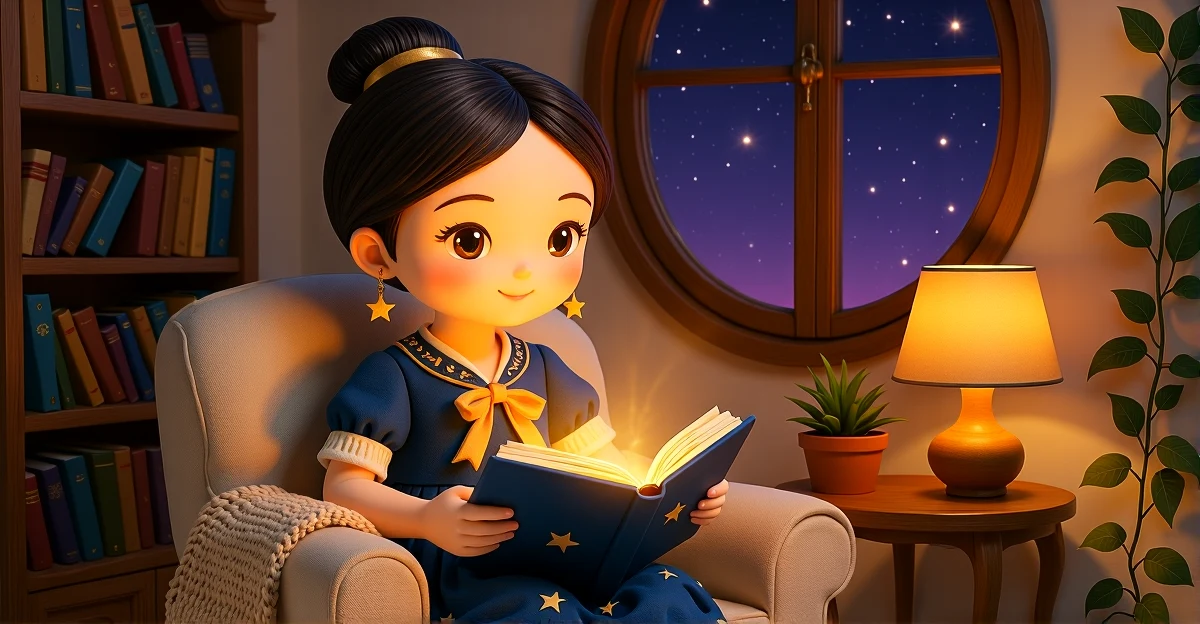
The Magic Book and I are always here for you, cheering you on through every transition, every tear, and every triumph. You have got this, my wonderful friend.
With love and starlight, Inara
Related Articles
Show transcript
Hello, my wonderful friend! It's me, Inara, and I am so happy you're here today. You know, the Magic Book and I have been noticing something that so many parents are experiencing right now. Those goodbye moments at daycare or with grandparents can feel absolutely heartbreaking, can't they? When your little one clings to your legs, tears streaming down their face, begging you not to go, it can make you question everything. Am I doing the right thing? Is something wrong? Why is this so hard?
I want you to take a deep breath with me right now, because I have something WONDERFUL to share with you. Something that might completely change how you see those difficult goodbye moments.
First, let me tell you what the Magic Book taught me about what's really happening in your toddler's beautiful, developing brain during those transitions. You see, when your two or three year old struggles with goodbyes, they're not being difficult. They're not trying to make you late for work or manipulate you into staying. What they're actually showing you is that their attachment to you is healthy and strong. Isn't that BEAUTIFUL?
Research from the American Academy of Pediatrics shows us that separation anxiety typically peaks around eighteen months and can continue until age four. This is completely normal development, my friend. During this window, your child is learning one of the most important lessons of their entire life. They're learning to trust that even when you leave, you will always come back. They're building the foundation for secure attachment and emotional regulation that will serve them for the rest of their lives.
Here's something that might surprise you. Dr. Wendy Sue Swanson, a pediatrician who specializes in child development, shares that toddlers between fifteen and eighteen months often demonstrate the loudest and most difficult separation behaviors. And you know what that means? It means your child is right on track. Their brain is developing exactly as it should.
But here's the part that really changed everything for me. Young children at this age cannot yet self-regulate their big emotions. They need to borrow calm from you, the trusted adult in their life. When you stay patient and steady during those goodbye moments, even when your heart is breaking too, you're teaching them that emotions are manageable and that they're not alone in their feelings.
The ZERO TO THREE organization, which specializes in infant and toddler development, emphasizes something so important. Never sneak away without saying goodbye. I know it might seem easier in the moment, but sneaking away actually heightens your child's worry that they cannot trust you or trust in your return. And trust, my friend, is everything.
So what can we do to make these goodbye moments gentler? Let me share some evidence-based strategies that really work.
First, create a quick goodbye ritual. This could be two special kisses, a secret handshake, or a silly phrase you say together. The Magic Book taught me that rituals create predictability, and predictability creates safety in a child's heart. Keep it short and sweet. If you linger, the transition time stretches out, and so does the anxiety.
Second, be consistent. Try to do the same drop-off with the same ritual at the same time each day whenever you can. Your child's brain is learning patterns, and when those patterns are reliable, they start to trust that you will return just like you always do.
Third, and this is so important, give your child your full attention during the goodbye. Put down your phone, look into their eyes, and let them feel your love. Then say goodbye clearly and leave, even if they're crying. I know this is hard, my friend. But consistency builds trust, and trust builds independence.
Here's a tip that helps so much. When you talk about when you'll return, use time references your child can understand. Instead of saying, I'll be back at three o'clock, try saying, I'll be back after nap time and before afternoon snack. Young children don't understand clock time yet, but they understand the rhythm of their day.
And here's something beautiful. Practice being apart in small doses. Let grandma watch them for an hour on the weekend. Schedule playdates. Give your child chances to experience that you always come back, building their confidence bit by bit.
Now, let me tell you about a story from The Book of Inara that might help your little one understand these big feelings. It's called The Gentle Glow of Friendship, and it's about Ayli and Igar discovering something magical about connection and comfort.
In this story, when Ayli feels scared during a nighttime bathroom trip, she and Igar discover that their night light glows brighter whenever they share comforting hugs. What they learn is that love and connection create a lasting sense of safety that stays with them even when they feel scared or alone.
This story is so SPECIAL because it teaches children that the warmth of your love stays with them like a gentle glow throughout the day, even when you're apart. After reading this story together, you can create your own special goodbye hug ritual, reminding your child that your love is always with them, glowing softly in their heart.
You know what the Magic Book whispers to me? That these difficult goodbye moments won't last forever. Research shows that when parents respond with patience and empathy rather than frustration, children develop stronger emotional regulation skills and reduced anxiety over time. You're not just getting through a hard phase, my friend. You're building your child's capacity for trust, independence, and emotional resilience.
So the next time your little one melts down at drop-off, remember this. Their tears are not a sign that something is wrong. Their tears are a sign that they love you deeply, that their attachment is secure, and that they're learning one of life's most important lessons. You're doing beautifully, even when it doesn't feel that way.
The Magic Book and I are always here for you, cheering you on through every transition, every tear, and every triumph. You've got this, my wonderful friend. With love and starlight, Inara.