
Picture this: Your two-year-old is trying to put on their shoes, and after a few attempts, they look up at you with those big, trusting eyes and say, "Help, please!" Your heart melts a little, but then a tiny worry creeps in. Are they becoming too dependent? Should they be doing this themselves by now?
Oh, my wonderful friend, if you've had this thought, you are SO not alone. This is one of the most common concerns I hear from parents of toddlers, and I want you to know that your heart is in exactly the right place. You want to raise an independent, confident child, and that desire comes from such a beautiful place of love.
But here's what I want to share with you today: when your toddler asks for help, they're not showing weakness or dependence. They're actually demonstrating some of the most sophisticated emotional and cognitive skills a young child can develop. And by the end of this post, you'll understand exactly why this behavior is not just normal, but absolutely WONDERFUL.
The Magic Behind Help-Seeking Behavior
Let me tell you something that might surprise you: help-seeking behavior is actually a superpower. When your little one asks for help, their developing brain is doing something truly remarkable. They're making complex calculations that would impress any adult.
First, they have to recognize that they have a challenge or need. This requires self-awareness and the ability to assess their own capabilities. Then, they need to understand that you can help them - which shows they understand relationships and trust. Next, they have to find the words to communicate that need clearly. And finally, they have to believe that asking for help is safe and welcomed.
That's incredible cognitive and emotional work for a little person! When you think about it this way, doesn't it feel different? Your toddler isn't being needy - they're being SMART.
The Trust Factor
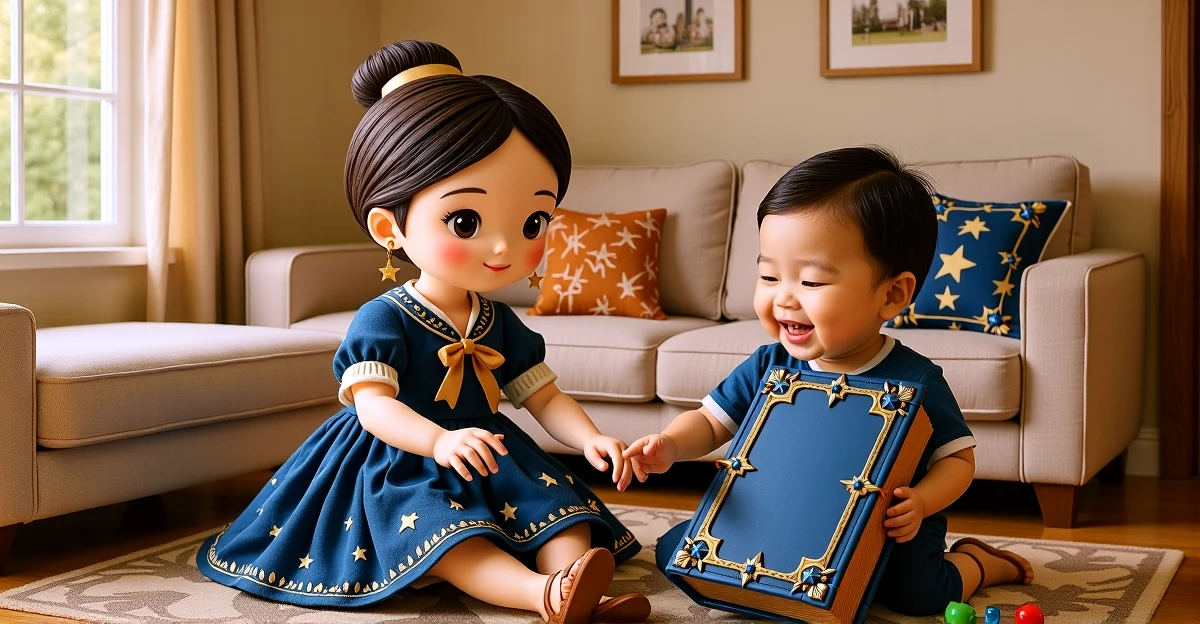
Here's something that makes my heart sparkle with joy: when your child asks for help, they're saying, "I trust you. I know you care about me. I feel safe coming to you when things feel hard." What a precious gift that is!
This trust doesn't happen by accident. It's built through countless moments of you responding with patience, kindness, and support. Every time you've helped them with gentle hands and a warm heart, you've been building this beautiful foundation of trust.
What Child Development Research Reveals
The research on help-seeking behavior in toddlers is absolutely fascinating, and it confirms what many of us feel in our hearts: this behavior is not just normal, it's essential for healthy development.
Help-seeking behavior in toddlers aged 2-3 years is a crucial developmental milestone that supports both independence and safety. During this period, children are naturally developing the cognitive and communication skills necessary to recognize when they need assistance and express those needs effectively.
— Child Development Research
The Centers for Disease Control and Prevention emphasizes that toddlers are developing independence and learning to express their needs during this stage. When they ask for help, they're practicing these essential communication skills. It's like they're flexing their emotional intelligence muscles!
But here's what's even more beautiful: research shows that toddlers who learn appropriate help-seeking behaviors actually demonstrate better problem-solving abilities and emotional regulation as they grow. This isn't about creating dependence - it's about building the foundation for healthy relationships and effective communication throughout their lives.
The Independence Paradox
Here's something that might seem contradictory at first, but it's actually one of the most beautiful truths about child development: children who feel safe asking for help when they're young become MORE independent as they grow older, not less.
When children know that support is available if they need it, they develop the confidence to try new things. They learn that it's okay to not know everything, that asking questions is how we learn, and that seeking support is a sign of wisdom, not weakness.
Gentle Strategies That Support This Beautiful Development
So how can you support this wonderful stage of development? Here are some gentle, research-backed strategies that honor your child's growing communication skills while still encouraging their independence:
- Celebrate the Communication: When your child asks for help, take a moment to acknowledge their communication before you respond to their need. You might say, "Thank you for telling me what you need. I love that you asked for help!"
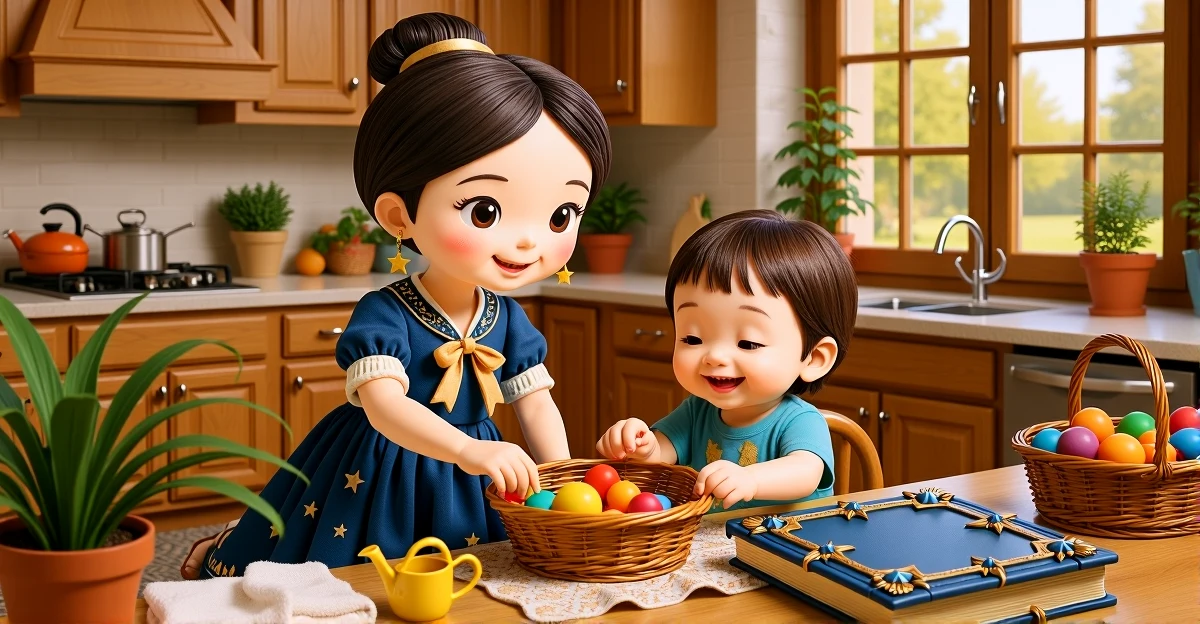
- Offer Collaborative Help: When they ask for help with something you know they can do, you can offer gentle guidance instead of doing it for them. Try saying, "Let's try this together," or "I'll help you get started, and then you can finish it."
- Honor Their Request for Connection: Sometimes children ask for help not because they can't do something, but because they want that moment of connection with you. And that's beautiful too! These moments of connection are building blocks for your relationship.
- Model Help-Seeking: Let your child see you asking for help when you need it. You might say, "This jar is really tight. Can you help me open it?" or "I'm not sure how to work this new app. Can you show me?" This normalizes help-seeking as a natural part of life.
- Create a Help-Seeking Ritual: You might develop a special phrase or gesture that celebrates when your child asks for help. Some families say, "We make a great team!" or give a special high-five when help is requested and given.
Remember, the goal isn't to eliminate help-seeking behavior - it's to support your child in developing healthy communication skills and emotional intelligence.
When Help-Seeking Becomes a Beautiful Life Skill
As your child grows, this early help-seeking behavior transforms into something even more wonderful: the ability to collaborate, communicate needs clearly, and build strong relationships. Children who master help-seeking during the toddler years often become the adults who:
Know how to ask for support when they need it, communicate their needs clearly in relationships, work well in teams and collaborative environments, and aren't afraid to admit when they don't know something.
These are the building blocks of emotional intelligence, healthy relationships, and professional success. So when your toddler asks for help with their shoes, they're not just learning to communicate a need - they're developing skills they'll use for the rest of their lives.
The Magic Book's Wisdom
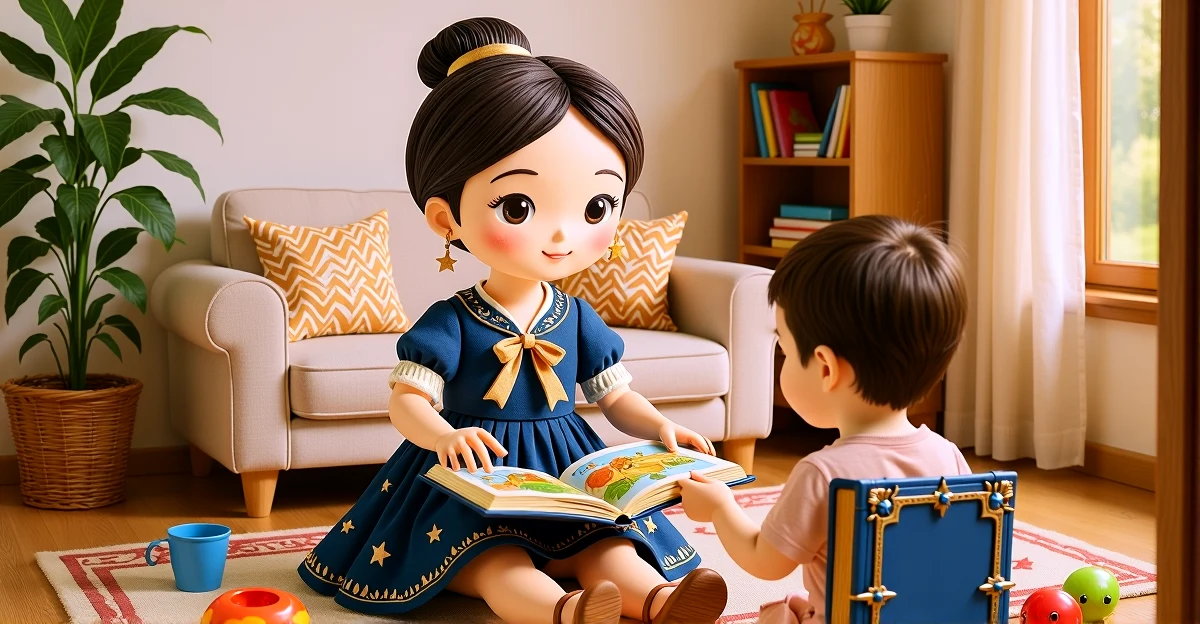
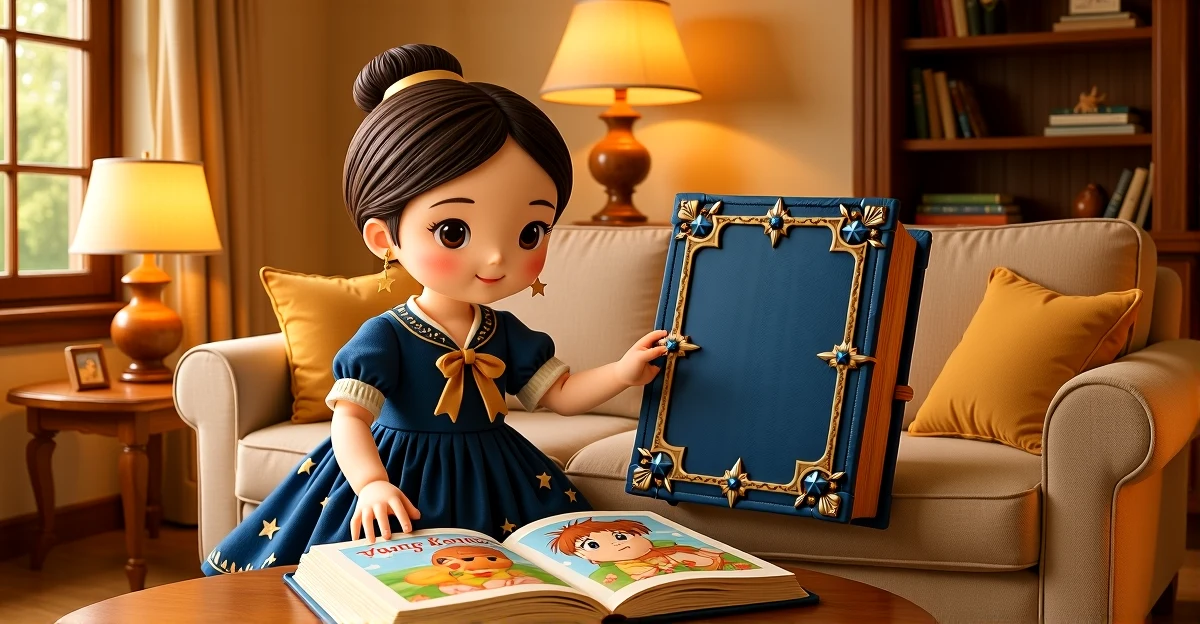
You know, the Magic Book has taught me something beautiful about this stage of development. It whispers that childhood is not about rushing toward independence - it's about building the secure foundation that makes true independence possible. When children feel safe asking for help, they develop the confidence to try new things, knowing that support is available if they need it.
Stories That Can Help
In The Book of Inara, we have beautiful stories that bring these concepts to life for your child:
The Kangaroo Who Learned to Hop
Perfect for: Ages 2-3
What makes it special: This gentle tale shows Young Kangaroo learning that asking for help from his wise friend Wallaby isn't something to be embarrassed about. It's how he learns to hop properly and discover his own amazing abilities.
Key lesson: Asking for help is brave and smart, not weak. Learning from others is how we grow and develop new skills.
What I love about this story is how it shows children that learning from others is natural and beautiful. Young Kangaroo doesn't feel ashamed when he needs guidance. Instead, he feels grateful for Wallaby's wisdom and excited to practice his new skills. And by the end of the story, he's hopping confidently on his own, but he still values the friendship and support that helped him learn.
After you read this story together, you can remind your child that just like Young Kangaroo needed Wallaby's help to learn hopping, it's wonderful when they ask you for help with things that feel hard. You can even create a little ritual around it. When your child asks for help, you might say, "Just like Young Kangaroo and Wallaby, we make a great team!"
Reframing the Narrative
Here's something I want you to try tonight. The next time your little one asks for help, instead of wondering if they're becoming too dependent, try thinking this instead: "My child is showing me that they trust me. They're practicing communication skills. They're demonstrating emotional intelligence. They're learning that they don't have to face challenges alone."
This shift in perspective can be absolutely transformative. Instead of seeing help-seeking as a problem to solve, you start seeing it as a beautiful milestone to celebrate.
The Long View
Sometimes as parents, we get so focused on the immediate moment that we forget to take the long view. Yes, your toddler is asking for help with their shoes today. But they're also learning that communication works, that relationships are safe, and that it's okay to need support sometimes.
These lessons will serve them well when they're teenagers navigating social challenges, young adults figuring out their career path, and grown-ups building their own families. The help-seeking skills they're developing now are investments in their future emotional health and relationship success.
You're Doing Beautifully
My wonderful friend, I want you to know that your concern about your child's development comes from such a loving place. You want to raise a confident, independent child, and that desire is beautiful. But I hope you can see now that help-seeking behavior isn't the opposite of independence - it's actually one of the building blocks of healthy independence.
Every time your child asks for help and you respond with patience and love, you're teaching them that they're worthy of support, that communication works, and that they don't have to face the world alone. These are some of the most precious gifts you can give a child.
So the next time your little one looks up at you with those trusting eyes and asks for help, take a moment to celebrate. You're witnessing the beautiful development of communication skills, emotional intelligence, and trust. You're seeing your child learn that they don't have to face challenges alone, and that's one of the most wonderful things you can teach them.
Sweet dreams, and remember - you and your little one are doing this beautiful dance of development together, and it's absolutely magical to witness.
With love and starlight,
Inara
Related Articles
- Understanding Parallel Play: Why Your Toddler Plays Near (Not With) Other Kids
- When Your Toddler Hurts Themselves During Big Feelings: Understanding and Gentle Support
- Understanding Why Toddlers Hit and Bite (And Gentle Ways to Help)
- Understanding Why Your Toddler Wants to Be Carried (The Beautiful Truth About Connection)
- Understanding the Me Do It Phase: Supporting Your Toddler's Growing Independence
Show transcript
Hello, my wonderful friend! It's me, Inara, and I am so happy you're here today. You know, the Magic Book and I have been noticing something beautiful happening in homes all around the world. Parents like you are asking such thoughtful questions about their little ones, and today I want to talk about something that might surprise you.\n\nIf your toddler is learning to ask for help when they need it, you might be wondering if this is healthy development or if they're becoming too dependent. And I want you to know, this is such a common concern, and you're asking exactly the right questions.\n\nHere's something WONDERFUL the Magic Book taught me. When your little one asks for help, they're not showing weakness or dependence. They're actually demonstrating some of the most sophisticated emotional and cognitive skills a young child can develop. Can you imagine? Your toddler is showing emotional intelligence in action!\n\nLet me share what the research tells us about this beautiful stage of development. Between the ages of two and three, children are going through incredible growth in their communication abilities. The Centers for Disease Control and Prevention tells us that toddlers are developing independence and learning to express their needs, which are key developmental milestones. When they ask for help, they're practicing these essential skills.\n\nBut here's what makes this even more amazing. Help-seeking behavior requires your child to do several complex things all at once. First, they have to recognize that they have a challenge or need. Then, they have to understand that you can help them. Next, they need to find the words to communicate that need. And finally, they have to trust that asking for help is safe and welcomed. That's incredible cognitive and emotional work for a little person!\n\nThe research from child development experts shows us that toddlers who learn appropriate help-seeking behaviors actually demonstrate better problem-solving abilities and emotional regulation as they grow. This isn't about creating dependence, it's about building the foundation for healthy relationships and effective communication throughout their lives.\n\nNow, I know sometimes it might feel like your little one is asking for help with things they can do themselves. And that's completely normal too! During this developmental stage, children are learning to balance their growing independence with their need for connection and support. Sometimes they ask for help not because they can't do something, but because they want that moment of connection with you.\n\nThe Magic Book whispers this beautiful truth. When your child asks for help, they're saying, I trust you. I know you care about me. I feel safe coming to you when things feel hard. What a gift that is!\n\nHere's something else that might bring you comfort. Research shows that children who feel safe asking for help when they're young become more confident and independent as they grow older. They learn that it's okay to not know everything, that asking questions is how we learn, and that seeking support is a sign of wisdom, not weakness.\n\nSo how can you support this beautiful development? First, celebrate those moments when your child asks for help. You can say something like, I'm so glad you asked me for help! That shows me you're learning to communicate your needs, and that's wonderful!\n\nSecond, when they ask for help with something you know they can do, you can offer gentle guidance instead of doing it for them. You might say, Let's try this together, or I'll help you get started, and then you can finish it. This way, you're honoring their request for connection while still encouraging their independence.\n\nAnd here's where stories become such beautiful helpers in this journey. We have a story in The Book of Inara called The Kangaroo Who Learned to Hop, and it's perfect for this stage of development. In this gentle tale, Young Kangaroo learns that asking for help from his wise friend Wallaby isn't something to be embarrassed about. It's how he learns to hop properly and discover his own amazing abilities.\n\nWhat I love about this story is how it shows children that learning from others is natural and beautiful. Young Kangaroo doesn't feel ashamed when he needs guidance. Instead, he feels grateful for Wallaby's wisdom and excited to practice his new skills. And by the end of the story, he's hopping confidently on his own, but he still values the friendship and support that helped him learn.\n\nAfter you read this story together, you can remind your child that just like Young Kangaroo needed Wallaby's help to learn hopping, it's wonderful when they ask you for help with things that feel hard. You can even create a little ritual around it. When your child asks for help, you might say, Just like Young Kangaroo and Wallaby, we make a great team!\n\nThe research also tells us something beautiful about this stage. When parents respond positively to help-seeking attempts, children develop greater confidence in their ability to navigate challenges. They learn that they don't have to face difficulties alone, and that seeking support is actually a brave and smart thing to do.\n\nThis is so different from what many of us learned when we were growing up. Maybe you heard messages like, You should be able to do this yourself, or Don't be such a baby. But the Magic Book and modern child development research show us a different way. We can teach our children that asking for help is a superpower, not a weakness.\n\nHere's something practical you can try tonight. When your little one asks for help, take a moment to acknowledge their communication before you respond to their need. You might say, Thank you for telling me what you need. I love that you asked for help. Then, depending on the situation, you can either help them directly or guide them through the process.\n\nRemember, my wonderful friend, every time your child asks for help, they're practicing skills they'll use for the rest of their lives. They're learning to communicate clearly, to trust in relationships, and to seek support when they need it. These are the building blocks of emotional intelligence and healthy relationships.\n\nThe Magic Book reminds us that childhood is not about rushing toward independence. It's about building the secure foundation that makes true independence possible. When children feel safe asking for help, they develop the confidence to try new things, knowing that support is available if they need it.\n\nSo the next time your little one asks for help, take a moment to celebrate. You're witnessing the beautiful development of communication skills, emotional intelligence, and trust. You're seeing your child learn that they don't have to face the world alone, and that's one of the most precious gifts you can give them.\n\nSweet dreams, my wonderful friend, and remember, The Magic Book and I are always here for you on this beautiful journey of parenting. With love and starlight, Inara.