
Your toddler reaches up with those tiny hands, eyes shining with determination. "I help!" they announce, grabbing for the laundry basket you're carrying. You know what happens next. Socks everywhere. The folding you just finished, now scattered across the floor. And yet, there's something so BEAUTIFUL about that moment, isn't there?
If you've ever felt torn between letting your toddler help and just getting things done efficiently, you're not alone. This is one of the most common challenges parents of two and three-year-olds face. And here's what I want you to know, wonderful parent: that desire to help? It's not just adorable. It's one of the most important developmental windows of your child's entire life.
In this post, we're going to explore why toddlers are naturally wired to want to help, what the research says about age-appropriate tasks, and how you can nurture this beautiful impulse without losing your mind in the process. Plus, I'll share a magical story that brings these concepts to life for your little one.
Why Your Toddler Wants to Help (And Why It Matters SO Much)
Let me share something the Magic Book taught me that changed everything. When your little one reaches out those tiny hands and says, "I want to help," they're not just trying to slow you down. They're actually showing you something profound about their developing brain.
During the toddler years, your child is naturally wired to want to contribute. This isn't something you have to force or teach. It's intrinsic. Deep in their developing brain, there's this beautiful motivation to be part of what you're doing, to contribute to the family, to feel that sense of belonging and competence.
The American Academy of Child and Adolescent Psychiatry has found something absolutely fascinating. Children who participate in age-appropriate chores, starting as early as age two or three, develop higher self-esteem. They become better equipped to handle frustration and delayed gratification. They learn time management and organizational skills that will serve them for their entire lives.
Think about that for a moment. Those scattered socks? That's not just mess. That's your child's brain building neural pathways for responsibility, cooperation, and understanding that their actions matter in the world.
The Critical Developmental Window
Here's what makes this stage so IMPORTANT. Between ages two and three, your child is in a critical window for learning cooperation and contribution. Their brain is literally wiring itself to understand: I am a valued member of my family community. What I do matters. I can make things better.
When we honor this developmental stage, when we make space for their imperfect help, we're not just getting tasks done. We're building the foundation for lifelong skills in collaboration, responsibility, and self-worth.
What Research Says About Toddler Helpfulness
Zero to Three, one of the leading organizations in early childhood development, explains it beautifully. To develop a cooperative spirit in children, we need to help them understand how our requests and rules are good for everyone. It's not about obedience. It's about contribution.
"Young children are naturally motivated to help and contribute when they feel valued. Cooperation develops through consistent, respectful communication and clear expectations."
— Zero to Three Organization
The research is clear on this. When parents involve young children in simple, manageable tasks like putting toys away or helping with groceries, they're building neural pathways for responsibility and cooperation. The key is matching tasks to developmental capabilities while maintaining consistent, positive expectations.
The National Association for the Education of Young Children reminds us that social-emotional learning in early childhood, including cooperation and helpfulness, builds through consistent modeling and positive reinforcement. Your child is watching you. They're learning from you. And when they see you caring for your home, caring for your family, they want to be part of that. They want to care too.
The Science of Intrinsic Motivation
Here's something that might surprise you. Your toddler isn't helping because they have to. They're helping because they WANT to. This is called intrinsic motivation, and it's incredibly powerful.
When we support this natural desire with age-appropriate opportunities and genuine appreciation, we strengthen it. When we dismiss it or always say "You're too little" or "I'll do it faster myself," we risk dampening that beautiful spark.
Age-Appropriate Tasks for 2-3 Year-Olds
Now, I know what you're wondering. What does age-appropriate actually mean for a two or three-year-old? Because let's be honest, their version of helping doesn't always look like our version of helping, does it?
For toddlers in this age group, age-appropriate tasks are beautifully simple. Here are some perfect options:
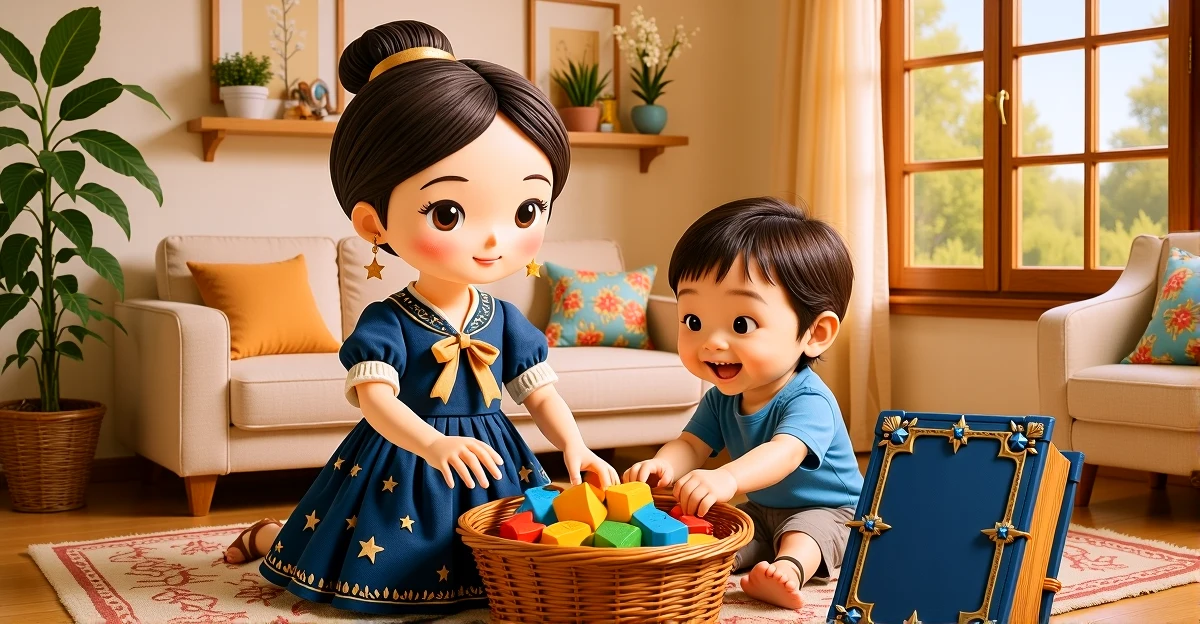
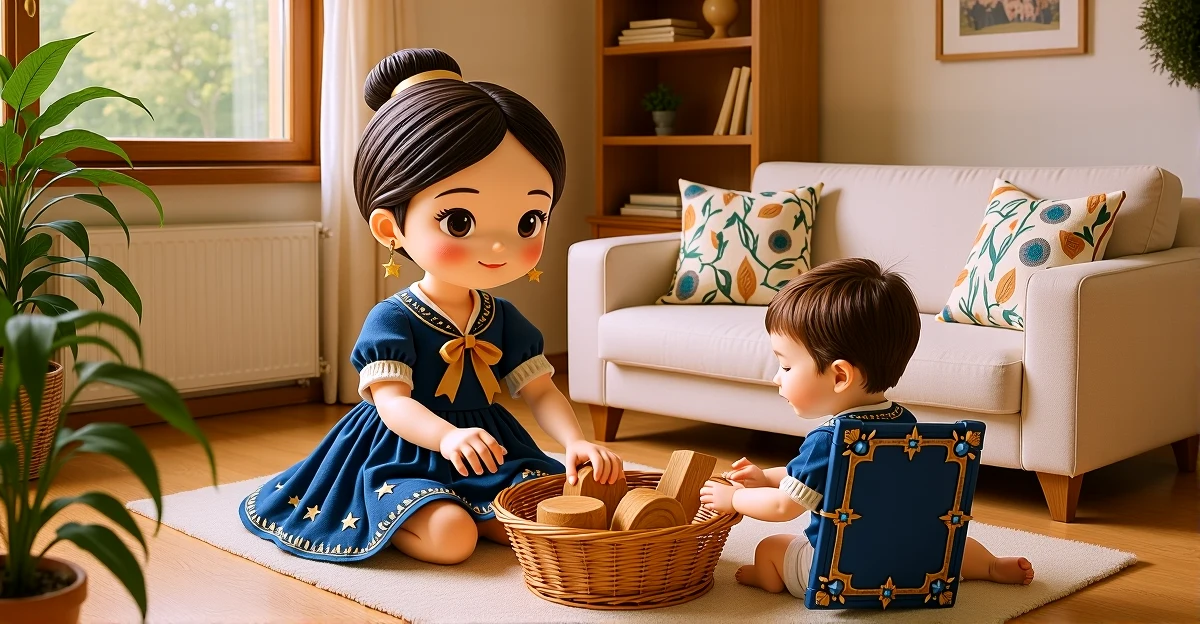
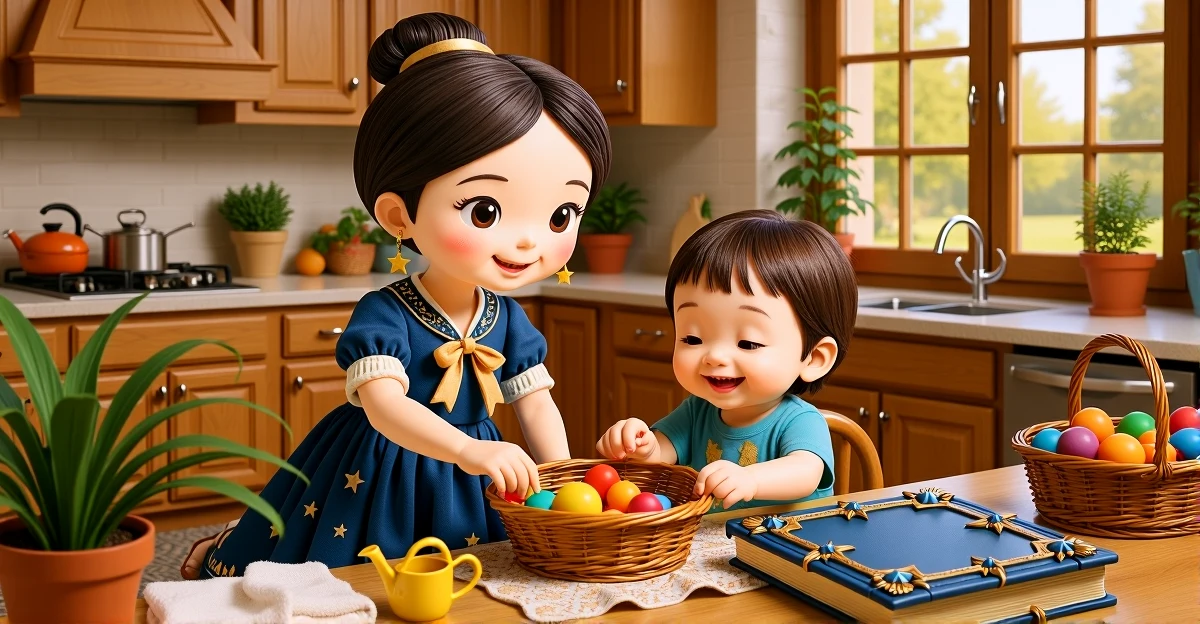
- Putting toys away in a basket: This teaches organization and following through on tasks. Even if only three toys make it into the basket while seven scatter around it, that's learning!
- Helping carry groceries: Give them one light item to carry from the car. This builds their sense of contribution and physical coordination.
- Wiping up small spills: Hand them a cloth and let them help clean. This teaches cause and effect and problem-solving.
- Putting dirty clothes in the hamper: A simple task that becomes part of the daily routine and teaches self-care habits.
- Helping feed pets: With your guidance, they can pour food into a bowl. This teaches gentle care for living things.
- Watering plants: Using a small watering can, they can help care for household plants. This connects them to nature and responsibility.
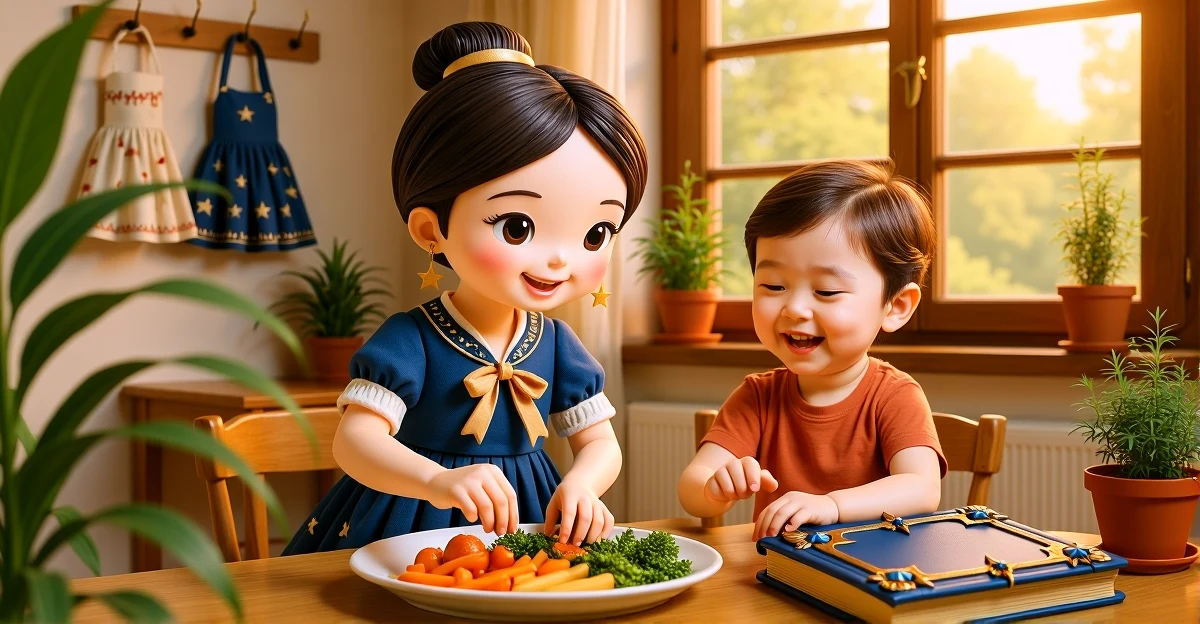
- Setting the table: They can place napkins or unbreakable items on the table, learning about meal preparation and family routines.
The key, and this is SO important, is to focus on the process, not the perfection. When your toddler helps put toys away and three toys make it into the basket while seven end up scattered around it, that's not failure. That's learning. That's their brain building the neural pathways for organization, for following through, for understanding cause and effect.
Five Strategies That Make Toddler Helping Work Beautifully
Here's what the research tells us about making this work in real life, with real toddlers, in real homes where you're also trying to get dinner on the table and answer work emails.
1. Set Clear and Simple Expectations
Instead of saying "Clean up your room," which is overwhelming for a toddler brain, try "Can you put the blocks in the blue basket?" One specific task, clearly defined. Their developing brain can handle that. A vague instruction about the whole room? That's too much.
2. Establish Regular Routines
When helping becomes part of the daily rhythm, it stops feeling like a special request and starts feeling like, "This is what we do. This is how our family works together." After breakfast, we put our bowl in the sink. Before bed, we put our toys in the basket. Simple, consistent, predictable.
3. Be Consistent
Toddler brains thrive on predictability. When the expectations change every day, it creates confusion and frustration. But when they know that after breakfast, we put our bowl in the sink, that becomes automatic. Consistency is your friend.
4. Make It Fun
For younger toddlers especially, turning tasks into games or singing songs while you work together transforms helping from a chore into a connection moment. "Can you hop like a bunny while we pick up these toys?" "Can we count the socks as we put them in the basket?" Play is how toddlers learn EVERYTHING.
5. Celebrate the Effort, Not Just the Result
When you say, "I saw you working so hard to put those books on the shelf!" you're teaching your child that trying matters, that effort is valuable, that they don't have to be perfect to be wonderful. This builds what researchers call a growth mindset, and it's one of the most valuable gifts you can give your child.
When Helping Feels Hard (Because Sometimes It Does)
I want to be really honest with you about something. Sometimes, letting your toddler help takes longer. Sometimes it makes more mess before it makes less mess. Sometimes you're tired and you just want to get it done quickly. And that's okay. You don't have to say yes to helping every single time.
But when you can, when you have even just five extra minutes, letting your child help is one of the most powerful investments you can make in their development. You're not just getting a task done. You're building their brain. You're teaching them that they matter, that their contributions are valuable, that they are capable.
And on the days when you need to say, "Not right now, sweetheart, but you can help me later," that's okay too. You're teaching them about timing and patience. You're still a wonderful parent.
A Story That Brings This to Life
In The Book of Inara, we have a beautiful story that shows children how their gentle care and helpfulness make a real difference. Let me tell you about it:
The Greenhouse Where Plants Whisper Thank You
Perfect for: Ages 2-3
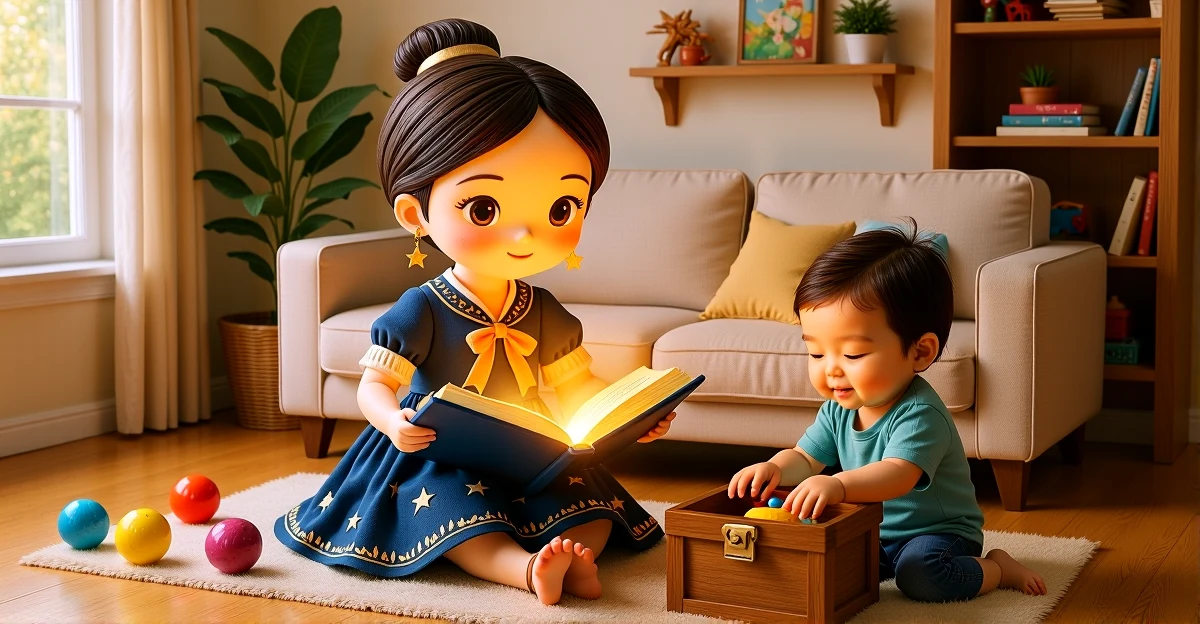
What makes it special: Milo and Nana discover a magical greenhouse where plants glow softly when cared for with gentle touches and kind words. This story beautifully models the concept that our care and helpfulness create visible, positive results in the world around us.
Key lesson: When the plants glow in response to Milo and Nana's gentle care, children learn that their actions matter. That caring for others, even plants, creates real impact. It's the perfect metaphor for how their helpfulness makes a difference in your family.
How to use it: After reading this story together, you might create your own care routine. Maybe watering a plant together, or feeding a pet, or tidying up toys. And you can celebrate how your child's gentle help makes things better, just like in the story. "Look how happy our plant is! Just like the plants in Milo and Nana's greenhouse!"
You're Doing Beautifully
Remember, wonderful parent, those little hands reaching out to help aren't slowing you down. They're reaching toward their future. They're building the foundation for responsibility, cooperation, and contribution that will serve them for their entire lives.
And you, by patiently guiding them, by celebrating their efforts, by making space for their help even when it's imperfect, you're giving them one of the greatest gifts possible. You're teaching them that they matter. That what they do makes a difference. That they are capable and valued members of your family.
The mess is temporary. The neural pathways you're building? Those last forever.
Keep nurturing that beautiful desire to help. Keep celebrating those small moments of contribution. You're doing something truly WONDERFUL.
With love and starlight,
Inara
Related Articles
Show transcript
Hello, wonderful parent! It's me, Inara, and I am so happy you're here today. You know, the Magic Book and I have been noticing something absolutely BEAUTIFUL happening in homes all around the world. Toddlers, these amazing little two and three-year-olds, are discovering something magical about themselves. They're discovering that they can help, that they can contribute, that their little hands can make a difference in the world around them.
And I know, I know what you might be thinking. When your toddler wants to help fold the laundry and suddenly there are socks everywhere, or when they insist on pouring their own milk and, well, let's just say the floor gets more than the cup, it can feel like helping is actually making things harder, right? I see you. I really do.
But here's something the Magic Book taught me that changed everything. When your little one reaches out those tiny hands and says, I want to help, they're not just trying to slow you down. They're actually showing you one of the most IMPORTANT developmental windows of their entire childhood. This is the moment when their brain is wiring itself for cooperation, for contribution, for understanding that they are a valued member of your family community.
The research on this is absolutely fascinating. The American Academy of Child and Adolescent Psychiatry has found that children who participate in age-appropriate chores, starting as early as age two or three, develop higher self-esteem. They become better equipped to handle frustration and delayed gratification. They learn time management and organizational skills that will serve them for their entire lives. Isn't that WONDERFUL?
And here's what makes this even more beautiful. During these toddler years, your child is naturally wired to want to help. They're not doing it because they have to. They're doing it because deep in their developing brain, there's this intrinsic motivation to be part of what you're doing, to contribute to the family, to feel that sense of belonging and competence.
Zero to Three, one of the leading organizations in early childhood development, explains it this way. To develop a cooperative spirit in children, we need to help them understand how our requests and rules are good for everyone. It's not about obedience. It's about contribution. It's about your child learning that their actions matter, that they can make things better, that they are capable and valued.
Now, I know what you're wondering. What does age-appropriate actually mean for a two or three-year-old? Because let's be honest, their version of helping doesn't always look like our version of helping, does it?
For toddlers in this age group, age-appropriate tasks are beautifully simple. Putting toys away in a basket. Helping carry groceries from the car, maybe just one light item. Wiping up a small spill with a cloth. Putting their dirty clothes in the hamper. Helping feed a pet by pouring food into a bowl with your guidance. These are tasks that match their developing motor skills and give them that wonderful feeling of, I did it!
The key, and this is so IMPORTANT, is to focus on the process, not the perfection. When your toddler helps put toys away and three toys make it into the basket while seven end up scattered around it, that's not failure. That's learning. That's their brain building the neural pathways for organization, for following through, for understanding cause and effect.
The Magic Book showed me something beautiful about this. There's a story we have called The Greenhouse Where Plants Whisper Thank You, where Milo and Nana discover a magical greenhouse. In this greenhouse, when they care for the plants with gentle touches and kind words, the plants glow softly, showing that their care is making a real difference.
And that's exactly what's happening when your toddler helps. They might not see plants glowing, but they can see your smile. They can hear your thank you. They can feel that warm sense of pride when you say, You helped me so much! And that feeling, that's what builds their sense of competence and contribution.
Here's what the research tells us about making this work beautifully. First, set clear and simple expectations. Instead of saying, Clean up your room, which is overwhelming for a toddler brain, try, Can you put the blocks in the blue basket? One specific task, clearly defined.
Second, establish regular routines. When helping becomes part of the daily rhythm, it stops feeling like a special request and starts feeling like, This is what we do. This is how our family works together.
Third, and this is crucial, be consistent. Toddler brains thrive on predictability. When the expectations change every day, it creates confusion and frustration. But when they know that after breakfast, we put our bowl in the sink, that becomes automatic.
Fourth, make it fun! For younger toddlers especially, turning tasks into games or singing songs while you work together transforms helping from a chore into a connection moment. Can you hop like a bunny while we pick up these toys? Can we count the socks as we put them in the basket?
And fifth, celebrate the effort, not just the result. When you say, I saw you working so hard to put those books on the shelf! you're teaching your child that trying matters, that effort is valuable, that they don't have to be perfect to be wonderful.
Now, I want to be really honest with you about something. Sometimes, letting your toddler help takes longer. Sometimes it makes more mess before it makes less mess. Sometimes you're tired and you just want to get it done quickly. And that's okay. You don't have to say yes to helping every single time.
But when you can, when you have even just five extra minutes, letting your child help is one of the most powerful investments you can make in their development. You're not just getting a task done. You're building their brain. You're teaching them that they matter, that their contributions are valuable, that they are capable.
The National Association for the Education of Young Children reminds us that social-emotional learning in early childhood, including cooperation and helpfulness, builds through consistent modeling and positive reinforcement. Your child is watching you. They're learning from you. And when they see you caring for your home, caring for your family, they want to be part of that. They want to care too.
After you finish watching this, I encourage you to check out The Greenhouse Where Plants Whisper Thank You in The Book of Inara. It's a gentle, magical story that shows children how their care and helpfulness make a real difference. After reading it together, you might even create your own care routine. Maybe watering a plant together, or feeding a pet, or tidying up toys. And you can celebrate how your child's gentle help makes things better, just like in the story.
Remember, wonderful parent, those little hands reaching out to help aren't slowing you down. They're reaching toward their future. They're building the foundation for responsibility, cooperation, and contribution that will serve them for their entire lives. And you, by patiently guiding them, by celebrating their efforts, by making space for their help even when it's imperfect, you're giving them one of the greatest gifts possible. You're teaching them that they matter.
The Magic Book and I are so proud of you. Keep nurturing that beautiful desire to help. Keep celebrating those small moments of contribution. You're doing something truly WONDERFUL.
With love and starlight, Inara.