
Your three-year-old stops mid-step on the sidewalk, looks up at the sky, and asks, "Where do dreams come from?" Or maybe it's bedtime, and instead of closing their eyes, they want to know what happens when we die. Perhaps they're watching leaves fall and suddenly need to understand why the sky is blue, why people cry, or what makes the stars shine.
And you're standing there, exhausted from a long day, trying to figure out how to answer these enormous questions while also getting shoes on, dinner made, or bedtime started. I see you, wonderful parent. I understand. These moments can feel overwhelming, especially when they happen seventeen times before breakfast.
But here's something beautiful I want you to know: your child isn't just being curious. They're becoming a philosopher. A meaning-maker. A seeker of wonder. And what you're experiencing right now is one of the most sacred developmental phases of early childhood. In this post, I'll share what research tells us about this magical phase, why it matters SO much, and how you can support your child's spiritual and philosophical development without needing all the answers.
Understanding Your Little Philosopher
When your child asks where dreams come from or why the moon follows the car, they're not just seeking information. They're engaging in something researchers call "meaning-making," and it's absolutely central to healthy development.
According to the National Association for the Education of Young Children, children ages three and four are actively constructing knowledge and making meaning through every single experience. This isn't passive learning. This is your child building their understanding of how the world works, why things matter, and where they fit in the grand story of existence.
That's spiritual development. That's philosophical awareness. And it's happening right now, in your living room, at your dinner table, during your bedtime routine.
Why This Phase Can Feel Exhausting
Let's be honest about something: this phase is HARD for parents. When you're trying to get out the door and your little one stops to ask why leaves fall from trees, or when you're making dinner and they want to know why we have to eat, or when bedtime arrives and suddenly they need to understand the entire universe before they can close their eyes, it can feel like too much.
You're not alone in feeling this way. Every parent of a three or four-year-old has stood in that exact spot, wondering if the questions will ever end. And here's what I want you to know: your exhaustion is valid AND your child's questions are beautiful. Both things can be true at the same time.
What Research Says About Meaning-Making
The research on this developmental phase is absolutely fascinating. Studies show that curiosity and wonder aren't just nice-to-have qualities. They're foundational drivers of cognitive and emotional development in early childhood.
A systematic review of curiosity and wonder in early childhood education found that triggering curiosity and wonder is considered an important factor in stimulating motivation for learning. When your child asks those big questions, their brain is literally wiring itself for lifelong learning and meaning-making.
"Meaning-making adds to children's health and happiness through three areas: reflecting on significance, developing coherence in understanding their world, and beginning to grasp purpose."
— Jennifer Smith Miller, Confident Parents Confident Kids
Let me break down what this means in real, everyday terms:
The Three Ways Questions Build Happiness
Reflecting on Significance: When your child asks "Why do people cry?" they're trying to understand why emotions matter. They're building their capacity to recognize what's important in human experience.
Developing Coherence: When they ask "Why does the sun go away at night?" they're trying to make sense of patterns and connections. They're building a mental model of how the world works.
Beginning to Grasp Purpose: When they ask "Why do you have to go to work?" they're trying to understand how people contribute to something bigger than themselves. They're developing their sense of meaning and purpose.
THIS is what's happening in those exhausting moments. Your child isn't just asking random questions. They're building the foundation for a meaningful life.
The Beautiful Truth About Big Questions
Here's something that might surprise you: there are no right answers to most of these questions. And that's not a problem. That's actually the point.
Meaning-making isn't about memorizing facts. It's about co-creating understanding together through dialogue. When your child asks a big question and you explore it together, you're not just teaching them. You're building your family's culture and values. You're creating the stories that will shape how they see themselves and the world.
Research shows that when families engage in dialogue about big questions, "the stories we tell and how we make sense of them become evidence of our families' culture and values." Every conversation about why the sky is blue or where dreams come from is actually a conversation about what matters, how we understand the world, and who we are as a family.
Isn't that magical?
Gentle Strategies for Welcoming Wonder
So how can you support your child's spiritual and philosophical development during this precious phase? Here are strategies that actually work, backed by research and delivered with love:
1. Welcome Their Questions with Warmth
Even when you're tired or busy, try to greet their questions with genuine warmth. You don't need to have all the answers. In fact, some of the most meaningful conversations happen when you say, "What a wonderful question. What do you think?"
This shows them that their ideas matter and that you value their thinking. It teaches them that seeking understanding is valuable, not annoying.
2. Create Space for Wonder in Daily Routines
This doesn't require special activities or expensive materials. It can be as simple as:
- Pausing during a walk to notice how sunlight filters through leaves
- Lying on the grass together to watch clouds drift by
- Sitting quietly before bed to share what made you feel grateful that day
- Wondering aloud about everyday mysteries: "I wonder why birds sing in the morning?"
These tiny moments of wonder add up to a childhood filled with meaning-making.
3. Share Your Own Questions and Wonderings
When you model curiosity and meaning-making, you show your child that this is a lifelong practice. You might say:
- "I've been wondering why kindness makes my heart feel warm."
- "I noticed something beautiful today and it made me think about how connected we all are."
- "I don't know the answer to that, but I love thinking about it with you."
This teaches them that adults don't have all the answers, and that's perfectly okay.
4. Honor the Questions You Can't Answer
Some of the biggest questions, about life and death and meaning and purpose, don't have simple answers. And that's okay. You can say:
- "That's one of the great mysteries, and different people have different ideas about it. Would you like to hear what I think?"
- "I don't know for sure, but here's what I believe..."
- "That's such a big question. Let's think about it together."
This teaches them that uncertainty is part of the human experience and that we can hold big questions with grace.
5. Remember the Long-Term Impact
This phase is temporary, but its impact is lasting. The way you respond to your child's philosophical questions now shapes how they'll approach meaning-making for the rest of their lives.
When you validate their curiosity, you're teaching them that seeking understanding is valuable. When you explore big questions together, you're showing them that wonder and wisdom can coexist. When you admit you don't know, you're modeling intellectual humility and openness.
The research is clear: children who develop strong meaning-making skills during these early years build a foundation for lifelong spiritual awareness, philosophical thinking, and the capacity to find purpose in their experiences and relationships.
Stories That Can Help
In The Book of Inara, we have a beautiful story that brings these concepts to life for your child in the most magical way:
The Garden of Whispering Questions
Perfect for: Ages 2-4
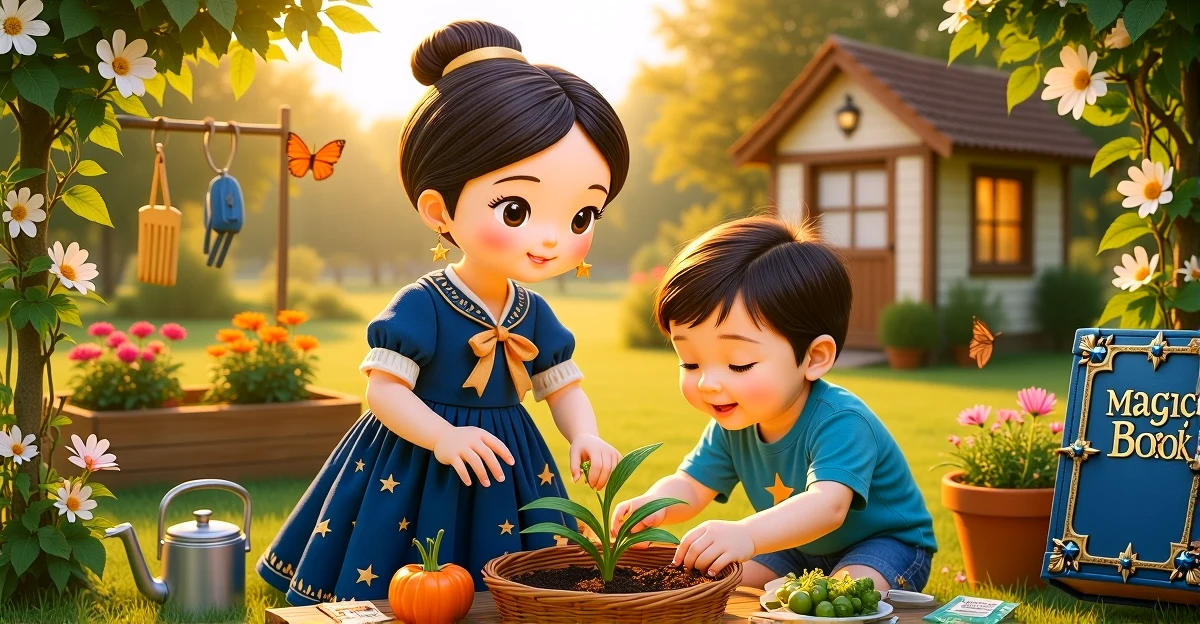
What makes it special: This story follows Ayli and Igar as they discover a magical community garden with their wise Grandmother Ama. In this garden, something wonderful happens: when the children ask curious questions, the plants respond. The flowers lean in to listen. The vegetables whisper back. And Grandmother Ama teaches them the most important truth: every question opens a door to wonder.
Key lesson: Your questions are valuable. Curiosity is a gift. The adults in your life celebrate your seeking mind. Wondering about big things isn't just okay, it's beautiful.
Why it helps: This story validates your child's natural philosophical nature and shows them that their questions matter. After reading it together, you might create your own question ritual. Maybe you keep a special journal where you write down their big questions. Maybe you plant a real garden together and talk about how questions help ideas grow. Maybe you simply make space at bedtime for one wondering question each night.
You're Doing Beautifully
Your child isn't just asking questions. They're building their understanding of what it means to be human, to be connected, to matter in this vast and beautiful universe. And you, wonderful parent, are their guide on this journey. Not because you have all the answers, but because you're willing to wonder alongside them.
This is the work of raising not just smart children, but wise ones. Not just knowledgeable children, but thoughtful ones. Not just successful children, but meaningful ones.
Every question your child asks is like a tiny golden key, unlocking a door to deeper understanding. When they ask why the moon follows the car, they're beginning to grasp that the universe is vast and mysterious and full of wonder. When they ask why you have to go to work, they're trying to understand purpose, meaning, and how people contribute to something bigger than themselves.
You don't need to have all the answers. You just need to welcome their questions with warmth, create space for wonder in your daily routines, and show them that seeking understanding is a beautiful, lifelong practice.
And you're doing it beautifully, one question at a time.
Until our next adventure together, with love and starlight,
Inara
Related Articles
- Nurturing Cultural Pride in Preschoolers: A Gentle Guide for Ages 3-4
- Teaching Your Preschooler to Appreciate Differences: A Gentle Guide for Parents
- Understanding Your Child's Rough Play: A Gentle Guide to Teaching Empathy
- The Beautiful Gift of Your Child's Big Questions: Nurturing Spiritual Curiosity Ages 5-6
- Why Morning Routines Feel Like Battles (And the Gentle Approach That Works)
Show transcript
Hello, wonderful parent. I'm Inara, and I want to talk with you today about something truly beautiful that's happening in your child's heart and mind right now.
Maybe you've noticed your three or four-year-old asking questions that take your breath away. Why is the sky blue? Where do dreams come from? What happens when we die? Why do people cry? These aren't just random questions, my dear friend. They're something far more profound.
Your child is becoming a philosopher. A meaning-maker. A seeker of wonder.
And I know this phase can feel exhausting. When you're trying to get out the door and your little one stops to ask why leaves fall from trees, or when you're making dinner and they want to know why we have to eat, or when bedtime arrives and suddenly they need to understand the entire universe before they can close their eyes.
I see you. I understand. And I want you to know something important: what you're experiencing is one of the most sacred developmental phases of early childhood.
Research from the National Association for the Education of Young Children tells us that children ages three and four are actively constructing knowledge and making meaning through every experience. This isn't just learning facts. This is your child building their understanding of how the world works, why things matter, and where they fit in the grand story of existence.
That's spiritual development. That's philosophical awareness. And it's happening right now, in your living room, at your dinner table, during your bedtime routine.
The Magic Book taught me something wonderful about this phase. Every question your child asks is like a tiny golden key, unlocking a door to deeper understanding. When they ask why the moon follows the car, they're not just curious about astronomy. They're beginning to grasp that the universe is vast and mysterious and full of wonder. When they ask why you have to go to work, they're not just seeking information. They're trying to understand purpose, meaning, and how people contribute to something bigger than themselves.
Experts in child development, including Jennifer Smith Miller from Confident Parents Confident Kids, emphasize that children need to understand the why of their daily lives just as much as adults do. This helps them see how their efforts and experiences contribute to something meaningful and important.
And here's what makes this phase so beautiful: there are no right answers to most of these questions. Meaning-making isn't about memorizing facts. It's about co-creating understanding together through dialogue. When your child asks a big question and you explore it together, you're not just teaching them. You're building your family's culture and values. You're creating the stories that will shape how they see themselves and the world.
Research shows that this kind of meaning-making contributes to children's health and happiness in three powerful ways. First, it helps them reflect on significance, understanding why they matter and how they matter. Second, it builds coherence, helping them make sense of their experiences and see how things connect. And third, it nurtures purpose, that beautiful sense of having a why that guides their being and doing.
Now, I want to share something from our story library that captures this perfectly. In The Book of Inara, there's a story called The Garden of Whispering Questions, where two friends named Ayli and Igar discover a magical community garden with their wise Grandmother Ama.
In this garden, something wonderful happens. When the children ask curious questions, the plants respond. The flowers lean in to listen. The vegetables whisper back. And Grandmother Ama teaches them the most important truth: every question opens a door to wonder.
This story shows children that their questions are valuable, that curiosity is a gift, and that the adults in their lives celebrate their seeking minds. It validates their natural philosophical nature and shows them that wondering about big things is not just okay, it's beautiful.
So how can you support your child's spiritual and philosophical development during this precious phase?
First, welcome their questions with warmth, even when you're tired or busy. You don't need to have all the answers. In fact, some of the most meaningful conversations happen when you say, What a wonderful question. What do you think? This shows them that their ideas matter and that you value their thinking.
Second, create space for wonder in your daily routine. This doesn't require special activities or expensive materials. It can be as simple as pausing during a walk to notice how sunlight filters through leaves, or lying on the grass together to watch clouds drift by, or sitting quietly before bed to share what made you feel grateful that day.
Third, share your own questions and wonderings. When you model curiosity and meaning-making, you show your child that this is a lifelong practice. You might say, I've been wondering why kindness makes my heart feel warm, or I noticed something beautiful today and it made me think about how connected we all are.
Fourth, honor the questions you can't answer. Some of the biggest questions, about life and death and meaning and purpose, don't have simple answers. And that's okay. You can say, That's one of the great mysteries, and different people have different ideas about it. Would you like to hear what I think? This teaches them that uncertainty is part of the human experience and that we can hold big questions with grace.
And fifth, remember that this phase is temporary but its impact is lasting. The way you respond to your child's philosophical questions now shapes how they'll approach meaning-making for the rest of their lives. When you validate their curiosity, you're teaching them that seeking understanding is valuable. When you explore big questions together, you're showing them that wonder and wisdom can coexist.
The research is clear: children who develop strong meaning-making skills during these early years build a foundation for lifelong spiritual awareness, philosophical thinking, and the capacity to find purpose in their experiences and relationships.
Your child isn't just asking questions. They're building their understanding of what it means to be human, to be connected, to matter in this vast and beautiful universe.
And you, wonderful parent, are their guide on this journey. Not because you have all the answers, but because you're willing to wonder alongside them.
The Magic Book and I created The Garden of Whispering Questions to support you in this sacred work. After you share this story with your child, you might create your own question ritual. Maybe you keep a special journal where you write down their big questions. Maybe you plant a real garden together and talk about how questions help ideas grow. Maybe you simply make space at bedtime for one wondering question each night.
Whatever you choose, know this: you're doing something profoundly important. You're nurturing your child's capacity for wonder, meaning, and spiritual awareness. You're showing them that big questions are welcome, that seeking understanding is beautiful, and that they're part of something larger than themselves.
This is the work of raising not just smart children, but wise ones. Not just knowledgeable children, but thoughtful ones. Not just successful children, but meaningful ones.
And you're doing it beautifully, one question at a time.
Until our next adventure together, with love and starlight, Inara.