
Your six or seven year old comes to you with a question that makes your heart shimmer. "What am I good at?" they ask. Or maybe, "How can I help people?" And you pause, recognizing something profound is happening. Your child is beginning to wonder about their unique place in the world.
If you are experiencing this beautiful moment, you are not alone. This is one of the most meaningful developmental windows in childhood, and the fact that you want to nurture it thoughtfully tells me something wonderful about you as a parent.
In this guide, we will explore what research tells us about purpose exploration at ages 6-7, why this age is SO important for developing a contribution mindset, and practical ways you can support your child discovery of their unique gifts. Plus, I will share a story from the Magic Book that brings these concepts to life in the most beautiful way.
Understanding the Magic of Ages 6-7
Here is what is truly wonderful. Your child is not randomly asking these questions. Their brain and heart are experiencing something remarkable right now.
During middle childhood, which includes ages 6-7, children experience significant development in self-concept and identity formation. The National Academies of Sciences emphasizes that this period is crucial for understanding one strengths and unique capabilities. Your child self-understanding is becoming more sophisticated, more nuanced, more complex.
And here is what makes this age particularly special for purpose exploration. The Collaborative for Academic, Social, and Emotional Learning (CASEL) has discovered that this developmental stage is absolutely ideal for cultivating what they call a contribution mindset. Your child is developmentally ready to understand how their actions affect others and how they can create positive change in their communities.
What is Happening in Your Child Brain and Heart
At ages 6-7, several beautiful things are converging:
- Self-concept is developing: They are moving beyond simple self-descriptions like "I am fast" to more complex understandings of who they are and what makes them unique.
- Cause and effect understanding deepens: They are beginning to grasp how their actions create ripples in the world around them.
- Moral frameworks are forming: They are developing strong opinions about right and wrong, fairness and kindness.
- Comparison begins: They are noticing how they are similar to and different from other children, which helps them identify their unique qualities.
- Empathy expands: They are increasingly able to understand and care about how others feel.
All of these developments create the perfect conditions for exploring purpose and contribution. Your child is naturally curious about their place in the world, and they are cognitively and emotionally ready to start discovering it.
The Beautiful Challenge of This Age
Now, I want to acknowledge something important. While this age is magical for purpose exploration, it also comes with a challenge that might be breaking your heart a little.
Research from Raising Children Network shows that children at ages 6-8 often become more self-critical. They start comparing themselves to others, and sometimes their self-esteem actually goes down during the primary school years. You might hear your child say things like, "I am not good at anything," or "Everyone else is better than me."
This can feel devastating as a parent. But here is what the Magic Book taught me, and what the research confirms. This comparison phase is actually part of how they are figuring out their unique place. They are gathering information about the world and about themselves. They are learning to see themselves in relation to others, which is a necessary step in developing a healthy sense of identity.
And THIS is precisely why your support right now matters SO much. When you help them focus on their strengths, when you celebrate their unique gifts, when you show them how they can contribute in meaningful ways, you are giving them a foundation that will serve them for their entire lives.
"Social and emotional learning helps young people develop healthy identities, manage emotions and achieve personal and collective goals, feel and show empathy for others, and make responsible and caring decisions."
— Collaborative for Academic, Social, and Emotional Learning (CASEL)
Four Beautiful Ways to Nurture Purpose Exploration
So how do we support this natural curiosity about purpose and contribution? Let me share approaches that the research supports and that the Magic Book has shown me work beautifully.
1. Notice and Name Their Strengths Out Loud
This is SO powerful, and it is simpler than you might think. When you see your child demonstrating a strength, name it specifically. Not just the obvious academic or athletic abilities, but the character strengths too.
Instead of just "Good job," try:
- "I noticed how patient you were with your little cousin today. That is a real gift."
- "You have such a creative way of solving problems. That is special."
- "The way you noticed your friend was sad and went to comfort them, that shows real empathy. Not everyone has that."
- "You kept trying even when it was hard. That persistence is going to serve you your whole life."
When you name these qualities, you are helping them see themselves more clearly. You are building their vocabulary for their own strengths. And you are showing them that gifts come in many forms, not just the ones that get gold stars at school.
2. Create Opportunities for Meaningful Contribution
Six and seven year olds can help in ways that truly matter. They can comfort a friend who is sad. They can help a younger child learn something new. They can contribute to family life in meaningful ways. They can participate in community service appropriate for their age.
The key is making sure these opportunities are genuine, not just busy work. When children contribute in ways that make a real difference, and when you acknowledge that contribution, they start to internalize this beautiful truth: I have something valuable to offer.
Try creating regular opportunities like:
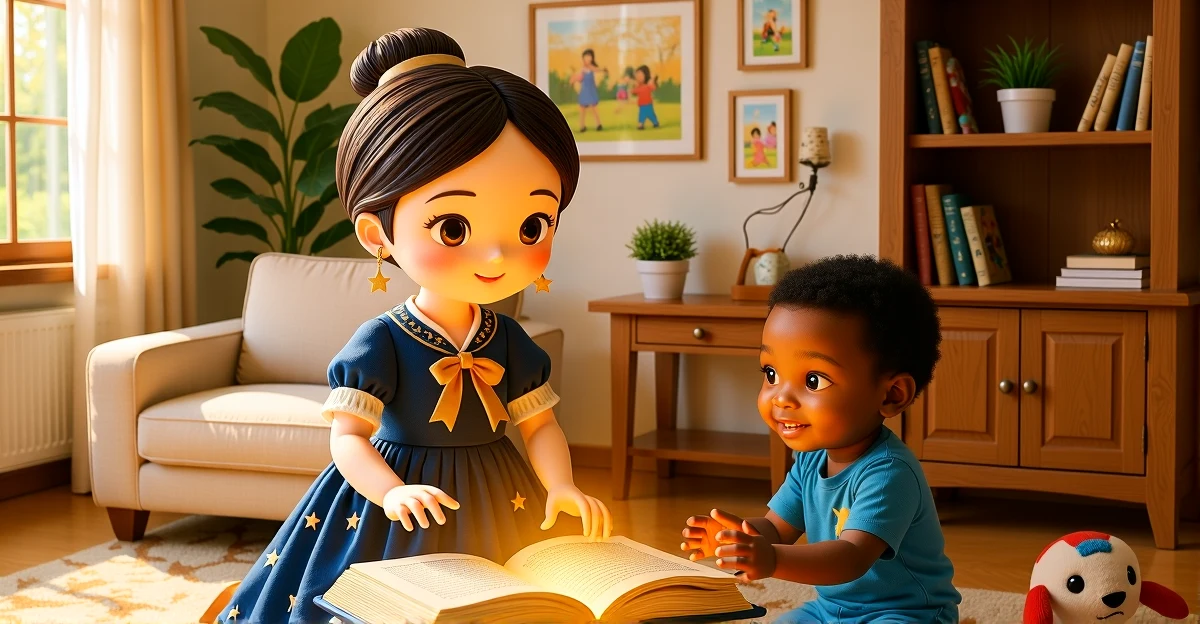
- Being a "reading buddy" to a younger sibling or neighbor
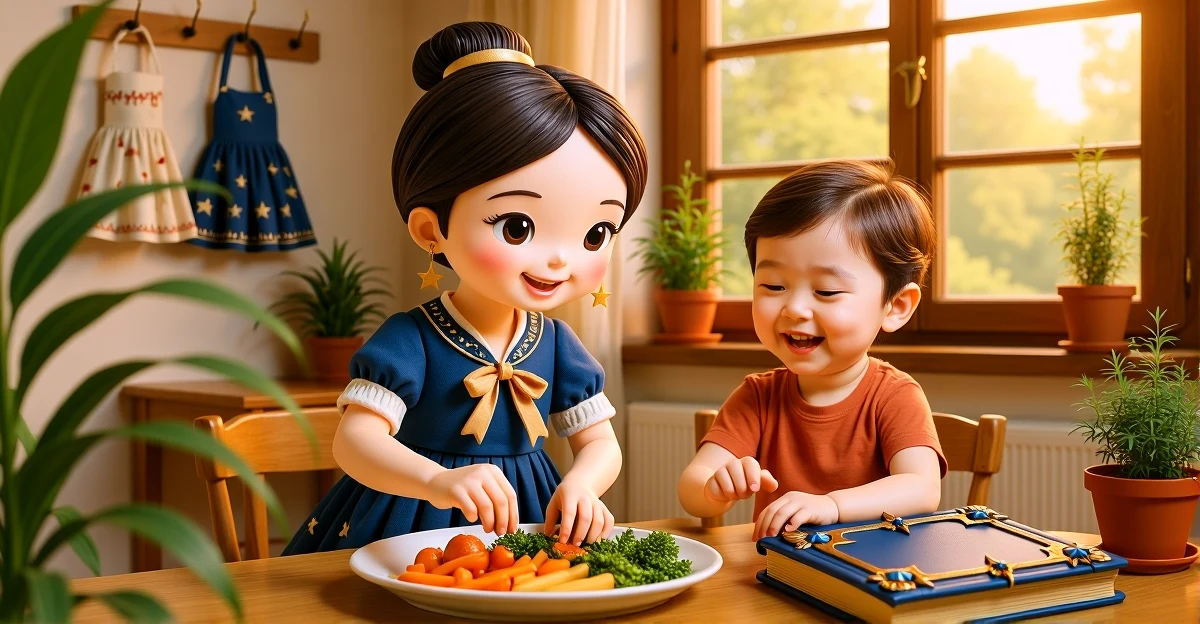
- Helping prepare a meal that the family will enjoy together
- Choosing items to donate and understanding who they will help
- Taking care of a pet or plant and seeing the impact of their care
- Creating artwork or cards for people who might need encouragement
3. Ask Wondering Questions
Questions are such powerful tools for helping children reflect on their emerging sense of self and purpose. Try questions like:
- "What do you think you are really good at?"
- "If you could help someone with something, what would it be?"
- "What makes you feel proud of yourself?"
- "When do you feel most like yourself?"
- "What do you love to do that also helps others?"
These are not questions that need immediate answers. They are wondering questions, invitations to reflect. Sometimes the best response is simply, "That is such an interesting question. You do not have to answer right now, but it is something beautiful to think about."
4. Share Stories of People Using Their Gifts to Help Others
Stories are such powerful teachers. When children see characters, including other children, discovering their unique abilities and using them to make a difference, it plants seeds of possibility in their hearts.
This is where therapeutic stories become especially valuable. They show children what purpose and contribution can look like in age-appropriate, relatable ways.
A Story That Shows This Beautifully
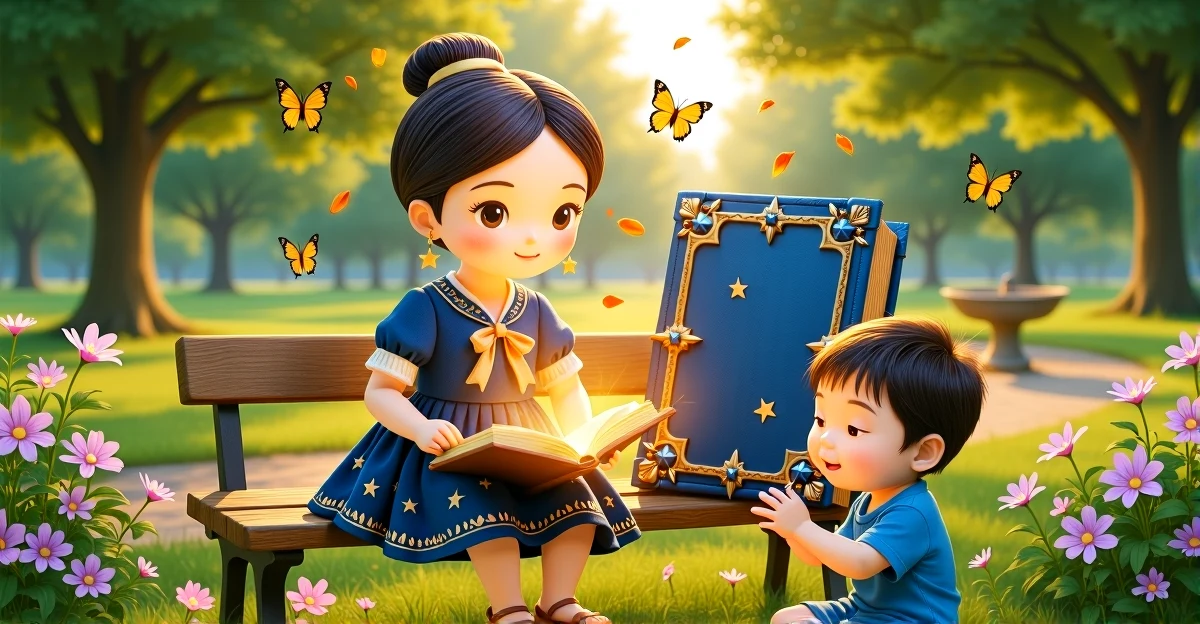
In The Book of Inara, we have a story that I think is absolutely perfect for this moment in your child life. It is called The Vision Keepers of Clarity Lane, and it demonstrates purpose exploration in the most beautiful way.
The Vision Keepers of Clarity Lane
Perfect for: Ages 6-7
What makes it special: In this story, Lucas and Ella visit an eye doctor office and discover that this place holds magical memories of everyone who learned to see clearly. But here is where it gets beautiful. They meet a scared child who is nervous about the eye exam, and Lucas and Ella realize they can help. They use their own experiences, their own kindness, their own unique gifts to help this child feel brave.
Key lesson: Through this experience, Lucas and Ella learn something that EVERY six and seven year old needs to know. That caring actions create ripples of positive change. That even children have unique gifts they can use to help others. That making a difference does not require being grown up or having special powers. It just requires noticing someone who needs help and choosing to care.
After reading together: You might ask your child, "What are some things you are good at that could help someone else?" And then listen. Really listen. Because what they share will give you a window into how they are beginning to see themselves and their place in the world.
The Long-Term Gift You Are Giving
Here is something else that is wonderful, and I want you to really take this in. When children develop a sense of purpose and contribution at this age, it does not just help them now. It creates a foundation for lifelong wellbeing.
The research shows that positive self-concept in middle childhood predicts better outcomes in adolescence and adulthood. You are not just helping your child feel good today. You are helping them build a strong, healthy sense of who they are and what they have to offer the world.
CASEL research emphasizes that social and emotional learning helps young people "develop healthy identities and understand their place in the world," creating a foundation for students to "pursue career and life goals through self-awareness and relationship skills."
What you are doing right now, in these everyday moments of noticing strengths and creating opportunities for contribution, is shaping your child entire relationship with themselves and their purpose in the world.
You Are Doing Beautifully
The fact that you are asking how to help your child discover their unique gifts and learn about contribution tells me something beautiful about you. You are seeing your child not just as someone to raise, but as someone with unique potential to nurture. You are thinking about their character, their heart, their place in the world. And that is such a gift.
Your six or seven year old is at this beautiful developmental window. They are naturally curious about who they are and how they fit into the world. They are developing the cognitive and emotional capacity to understand that their actions matter and that they can make positive differences. And with your gentle guidance, with your strength-spotting, with your wondering questions, and yes, with stories that show them what is possible, you are helping them discover something precious.
Their unique place in the world. And the beautiful ways they can help others.
The Magic Book and I are here with you on this journey. We have stories that celebrate children discovering their gifts, stories that show kindness creating ripples of change, stories that help children see themselves as capable and caring. And we are so honored to be part of your family story.
Sweet dreams and bright tomorrows, wonderful parent. With love and starlight, Inara.
Related Articles
- Nurturing Your Child Innovation Mindset: A Gentle Guide for Ages 6-7
- When Your Child Makes Insensitive Comments: A Gentle Guide to Teaching Cultural Awareness
- Nurturing Your Child's Spiritual Curiosity: A Gentle Guide to Big Questions
- Nurturing Purpose and Meaning in Young Children: A Gentle Guide for Parents
Show transcript
Hello, wonderful parent! It's me, Inara, and I am so deeply happy you're here today. You know, the Magic Book and I have been noticing something absolutely beautiful happening. More and more parents are coming to us with a question that makes my heart shimmer with joy. They're asking, how do I help my child begin to wonder about their unique gifts and how they can help others?
And can I tell you something? This question itself is a gift. Because when you ask this, you're recognizing something profound about your six or seven year old. You're seeing that they're at this magical developmental window where they're naturally beginning to explore their place in the world.
Let me share what the research shows us, and it's truly wonderful. Children at ages six and seven are experiencing something remarkable in their brains and hearts. Their self-concept is becoming more sophisticated. They're starting to understand cause and effect in deeper ways. They're developing moral frameworks and strong opinions about what's right and wrong. And here's the beautiful part, they're beginning to wonder, what am I good at? How can I make a difference?
The National Academies of Sciences tells us that middle childhood is a crucial period for self-concept and identity formation. And the Collaborative for Academic, Social, and Emotional Learning, they've discovered that this age is absolutely ideal for cultivating what they call a contribution mindset. Your child is developmentally ready to understand how their actions affect others and how they can create positive change in their communities.
Now, I want to pause here and acknowledge something important. You might also be noticing that your child is becoming more self-critical. Maybe they're comparing themselves to other children. Maybe they're saying things like, I'm not good at anything, or so-and-so is better than me at everything. And that can feel heartbreaking as a parent.
But here's what the Magic Book taught me. This comparison phase? It's actually part of how they're figuring out their unique place. They're gathering information about the world and about themselves. And this is precisely why your support right now matters so much. When you help them focus on their strengths, when you celebrate their unique gifts, you're giving them a foundation that will serve them for their entire lives.
So how do we nurture this beautiful curiosity about purpose and contribution? Let me share some approaches that the research supports and that the Magic Book has shown me work beautifully.
First, notice and name their strengths out loud. Not just the obvious ones like, you're good at math, but the character strengths too. Things like, I noticed how patient you were with your little cousin today. That's a real gift. Or, you have such a creative way of solving problems. That's special. When you name these qualities, you're helping them see themselves more clearly.
Second, create opportunities for contribution that match their developmental stage. Six and seven year olds can help in meaningful ways. They can comfort a friend who's sad. They can help a younger child learn something new. They can contribute to family life in ways that matter. And when they do these things, and you acknowledge them, they start to internalize this beautiful truth. I have something valuable to offer.
Third, ask wondering questions. Questions like, what do you think you're really good at? Or, if you could help someone with something, what would it be? Or, what makes you feel proud of yourself? These questions invite them to reflect on their emerging sense of self and purpose.
Fourth, share stories of people, including children, who use their gifts to help others. This is where stories become such powerful teachers. When children see characters discovering their unique abilities and using them to make a difference, it plants seeds of possibility in their hearts.
And speaking of stories, let me tell you about one that the Magic Book and I think is absolutely perfect for this moment in your child's life. It's called The Vision Keepers of Clarity Lane, and it's a story about Lucas and Ella discovering something profound.
In this story, Lucas and Ella visit an eye doctor's office, and they discover that this place holds magical memories of everyone who learned to see clearly. But here's where it gets beautiful. They meet a scared child who's nervous about the eye exam, and Lucas and Ella realize they can help. They use their own experiences, their own kindness, their own unique gifts to help this child feel brave.
And through this experience, they learn something that every six and seven year old needs to know. That caring actions create ripples of positive change. That even children have unique gifts they can use to help others. That making a difference doesn't require being grown up or having special powers. It just requires noticing someone who needs help and choosing to care.
After you read this story with your child, you might ask them, what are some things you're good at that could help someone else? And then listen. Really listen. Because what they share will give you a window into how they're beginning to see themselves and their place in the world.
You know, the research from Raising Children Network reminds us that we need to build our children's self-esteem and self-confidence by recognizing their strengths, especially during these years when they're becoming more self-critical. And they note that sometimes children's self-esteem goes down in the primary school years as they compare themselves with others. This makes our role as strength-spotters and purpose-nurturers even more important.
Here's something else that's wonderful. When children develop a sense of purpose and contribution at this age, it doesn't just help them now. It creates a foundation for lifelong wellbeing. The research shows that positive self-concept in middle childhood predicts better outcomes in adolescence and adulthood. You're not just helping your child feel good today. You're helping them build a strong, healthy sense of who they are and what they have to offer the world.
And I want you to know something, wonderful parent. The fact that you're asking this question, the fact that you want to help your child discover their gifts and learn about contribution, this tells me something beautiful about you. You're seeing your child not just as someone to raise, but as someone with unique potential to nurture. You're thinking about their character, their heart, their place in the world. And that is such a gift.
So here's what I want you to remember. Your six or seven year old is at this beautiful developmental window. They're naturally curious about who they are and how they fit into the world. They're developing the cognitive and emotional capacity to understand that their actions matter and that they can make positive differences. And with your gentle guidance, with your strength-spotting, with your wondering questions, and yes, with stories that show them what's possible, you're helping them discover something precious. Their unique place in the world and the beautiful ways they can help others.
The Magic Book and I are here with you on this journey. We have stories that celebrate children discovering their gifts, stories that show kindness creating ripples of change, stories that help children see themselves as capable and caring. And we're so honored to be part of your family's story.
Sweet dreams and bright tomorrows, my wonderful friend. With love and starlight, Inara.