
If you've been trying to talk to your six or seven year old about honesty, kindness, and integrity, only to watch their eyes glaze over as they reach for their toys, you're not alone. Many parents find themselves wondering: Why doesn't my child seem to care about developing good character or moral strength?
Here's what I want you to know right from the start. If you're asking this question, it means you care deeply about your child's heart and values. That alone tells me you're doing something beautiful. And I have WONDERFUL news for you. Your child DOES care about character development. They care SO much. But at ages six and seven, character development doesn't look the way we might expect it to.
In this post, we're going to explore the developmental reality of how character actually grows in young hearts, why lectures don't work, and what you can do instead to support your child's beautiful journey toward becoming a person of integrity, courage, and kindness.
Understanding Why Lectures Don't Work
When we think about teaching values, we often imagine sitting down and having serious talks about honesty, kindness, and integrity. We picture our children nodding thoughtfully and saying, "Yes, I understand. I will be good." But that's not how character actually grows in young hearts.
Research from child development experts shows us something WONDERFUL. Ages six and seven represent a critical window for character and moral development. During this stage, children are developing the cognitive capacity to understand abstract concepts like integrity, fairness, and responsibility. But here's the key: they're learning these concepts through experience and reflection, not through being told to be good.
Think about it this way. When does your child light up with pride? It's usually when they've helped someone, protected something they care about, or accomplished something meaningful. That's character development happening in real time. They're not learning these things because you told them to. They're learning them because they're experiencing them through meaningful action.
What Research Says About Character Development
Dr. Niloofar Bavarian from Oregon State University explains that "character education gives students the tools they need to self-reflect on their personal goals and effectively express themselves when talking with peers and adults about accomplishing their goals." The Santa Clara University Markkula Center for Applied Ethics emphasizes that "moral sensitivity is the ability to identify moral problems and depends on the development of virtues such as fairness, compassion, and responsibility."
Character development is not about compliance or rule-following. It's about helping children internalize virtues like perseverance, courage, and integrity that become part of their identity.
— Research from the Collaborative for Academic, Social, and Emotional Learning
Studies show that character education is most effective when integrated into daily experiences rather than taught as isolated lessons. Children at this age are building moral sensitivity through practice and reflection, not through abstract discussions. This developmental phase is characterized by growing self-awareness and the capacity for self-reflection about personal values and goals.
The evidence is clear: when parents and educators support character development through modeling, discussion rooted in stories, and authentic experiences, children develop stronger moral foundations that serve them throughout life. Not because they were told to be good, but because they discovered the beauty of goodness through their own experiences.
How Character Actually Grows: Three Beautiful Truths
1. Character Grows Through Purpose and Responsibility
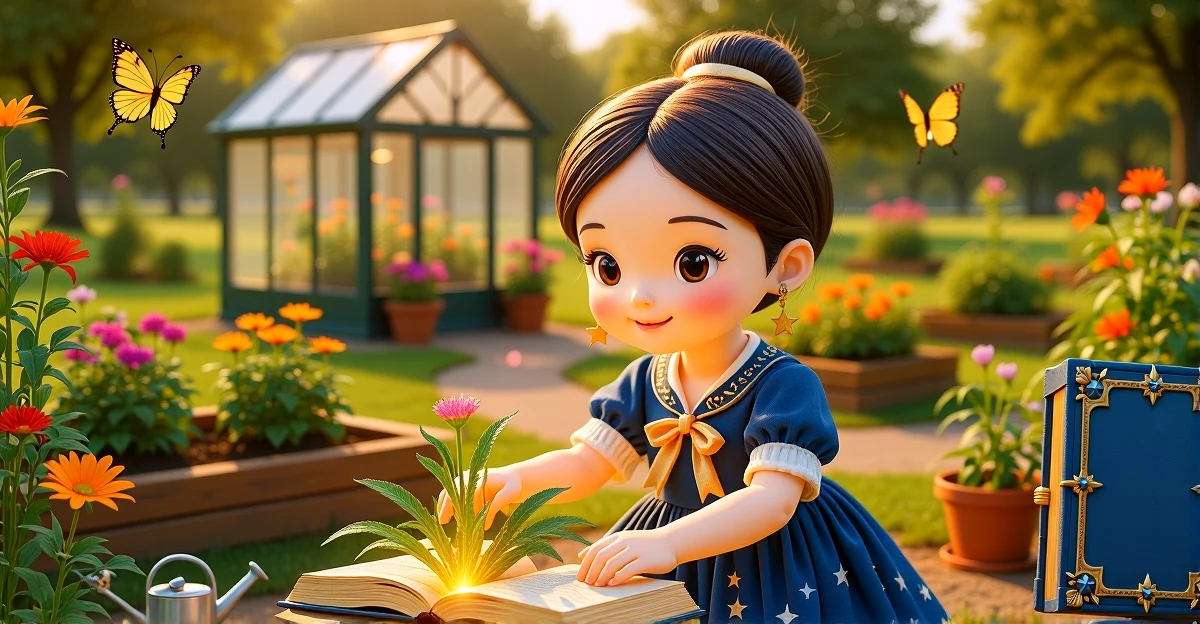
Character naturally follows when children have meaningful responsibilities. This might look like caring for a pet, tending a small garden, being responsible for a younger sibling during a specific activity, or protecting something they value. When children have purpose, character development happens organically.
When your child successfully cares for something over time, they experience the satisfaction of being dependable. They see that their actions matter. They develop pride in being someone others can count on. That's integrity growing from the inside out. And when they occasionally forget or make a mistake, that's not failure—that's an opportunity for them to learn about making amends and trying again. That's character development too.
2. Character Grows Through Stories
Stories are SO powerful for character development. When children hear about characters facing moral choices, experiencing the consequences of their actions, and discovering their own worth through kindness and courage, something magical happens. They internalize those lessons in a way that lectures never could.
In The Book of Inara, we have a story called "Freckles and the Limberlost Forest" that speaks to this beautifully. In this story, a young orphan named Freckles finds his true worth and belonging when he becomes the guardian of a beautiful forest. He discovers that kindness and character matter more than appearance or what others think of him.
What makes this story so SPECIAL for character development is this: Freckles doesn't become a person of character because someone told him to be good. He becomes a person of character because he finds purpose in protecting something he loves. When he takes responsibility for the forest, when he cares for it day after day, when he stands up to protect it even when it's hard, his character grows naturally from those experiences.
3. Character Grows Through Modeling
Your child is watching you. They're watching how you treat others, how you handle mistakes, how you show kindness even when it's difficult. They're learning more from what you DO than from what you SAY. And that's not pressure—that's opportunity. You don't have to be perfect. You just have to be authentic and willing to grow alongside them.
When you make a mistake and apologize, that teaches them about integrity. When you're patient with a difficult situation, that teaches them about perseverance. When you show curiosity about other cultures or perspectives, that teaches them about respect and open-mindedness. Your life is teaching them character every single day.
Gentle Strategies That Actually Work
Now that we understand how character really develops, let's talk about what you can do to support your child's beautiful journey:
- Create Opportunities for Meaningful Responsibility: Give your child age-appropriate responsibilities that matter. Let them care for a plant, help prepare meals, or be in charge of a family task. Make sure it's something they can succeed at with effort, and celebrate their consistency and growth.
- Tell Stories and Read Together: Share stories about characters who face moral choices and discover their values through experience. After reading, ask open-ended questions like "What do you think about what the character did?" or "How do you think they felt?" Let your child process and reflect.
- Model the Values You Hope to See: Be intentional about demonstrating integrity, kindness, and courage in your daily life. When you make a mistake, acknowledge it and make it right. Show your child that character is about growth, not perfection.
- Reframe Your Expectations: Instead of asking "Is my child being good?" ask "Is my child learning to reflect on their choices? Are they developing empathy? Are they discovering the joy of helping others?" These questions honor the developmental reality of how character actually grows.
- Create Reflection Moments: At bedtime or during quiet times, talk about moments when your child showed kindness, courage, or responsibility. Help them see their own character development happening. "I noticed how you helped your friend today. That was really kind. How did that feel?"
Stories That Can Help
In The Book of Inara, we have beautiful stories that bring these concepts to life for your child:
Freckles and the Limberlost Forest
Perfect for: Ages 6-7
What makes it special: This story beautifully demonstrates that character development happens through lived experience and discovering purpose. Freckles, a young orphan, finds his worth not through being told to be good, but through the responsibility of protecting something he loves. The story shows that kindness and character matter more than appearance or external validation.
Key lesson: When Freckles becomes the guardian of the forest and discovers his true worth through caring for something beyond himself, children see that character grows from meaningful action and purpose, not from being lectured about values.
Parent talking point: After reading this story, talk with your child about times they've felt proud of protecting or caring for something. Character development at this age happens through responsibility and purpose, not through abstract discussions about being good.
You're Doing Beautifully
If you're worried that your child doesn't care about developing good character, I want you to take a deep breath and know this: They DO care. They're learning. They're growing. And you're supporting them beautifully by asking these questions and seeking understanding.
Character development at ages six and seven happens through stories that inspire, through responsibilities that create purpose, through experiences that teach empathy, and through the loving presence of parents who model the values they hope to see. It doesn't happen through lectures or pressure. It happens through connection, through wonder, and through the gentle unfolding of a child's beautiful heart.
The Magic Book and I are here to support you on this journey. We have so many stories designed to nurture character development in gentle, meaningful ways. Stories that show children what courage looks like, what kindness feels like, what integrity means in action.
You're doing something WONDERFUL by caring about your child's character development. And now you know the secret: Character isn't taught, it's caught. It's caught through stories, through experiences, through purpose, and through love.
Sweet dreams, my wonderful friend. With love and starlight, Inara.
Related Articles
- How to Nurture Your Child's Empathy and World-Changing Impact (Ages 6-7)
- Nurturing Your Child Innovation Mindset: A Gentle Guide for Ages 6-7
- When Your Child Makes Insensitive Comments: A Gentle Guide to Teaching Cultural Awareness
- Nurturing Purpose and Meaning in Young Children: A Gentle Guide for Parents
- Building Character Excellence in Young Children: Your Guide to Raising a Child with Unshakeable Integrity (Ages 5-6)
Show transcript
Hello, my wonderful friend! It's me, Inara, and I am so happy you're here today. You know, the Magic Book and I have been noticing something that many parents are wondering about. They're asking, why doesn't my child seem interested in character development or being good? And I want you to know something IMPORTANT right from the start. If you're asking this question, it means you care deeply about your child's heart and values. That alone tells me you're doing something beautiful.
So let's talk about what's really happening when it seems like your six or seven year old doesn't care about developing good character or moral strength. Because here's the truth the Magic Book whispered to me. They DO care. They care SO much. But character development at this age doesn't look the way we might expect it to.
You see, when we think about teaching values, we often imagine sitting down and having serious talks about honesty, kindness, and integrity. We picture our children nodding thoughtfully and saying, yes, I understand, I will be good. But that's not how character actually grows in young hearts. Character isn't taught through lectures. It's caught through lived experiences, through stories, and through watching the people they love most in the universe.
Research from child development experts shows us something WONDERFUL. Ages six and seven represent a critical window for character and moral development. During this stage, children are developing the cognitive capacity to understand abstract concepts like integrity, fairness, and responsibility. But here's the key. They're learning these concepts through experience and reflection, not through being told to be good.
Dr. Niloofar Bavarian from Oregon State University explains that character education gives students the tools they need to self-reflect on their personal goals and effectively express themselves. The Santa Clara University Markkula Center for Applied Ethics emphasizes that moral sensitivity, which is the ability to identify moral problems, depends on the development of virtues such as fairness, compassion, and responsibility.
So when your child seems uninterested in character development, what's really happening? They're in a beautiful phase of learning character through action and purpose, not through abstract discussions. Think about it this way. When does your child light up with pride? It's usually when they've helped someone, protected something they care about, or accomplished something meaningful. That's character development happening in real time.
The Magic Book showed me something that changed how I understand this. Character grows from the inside out, not from the outside in. It grows when children discover purpose, when they experience the joy of caring for something beyond themselves, when they see the impact of their kindness on others. It doesn't grow from being lectured about being good.
So what can you do to support your child's character development during this beautiful age? First, give them opportunities for meaningful responsibility. This might look like caring for a pet, tending a small garden, being responsible for a younger sibling during a specific activity, or protecting something they value. When children have purpose, character naturally follows.
Second, tell stories. Oh, my friend, stories are SO powerful for character development. When children hear about characters facing moral choices, experiencing the consequences of their actions, and discovering their own worth through kindness and courage, something magical happens. They internalize those lessons in a way that lectures never could.
Let me tell you about a story we have in The Book of Inara that speaks to this beautifully. It's called Freckles and the Limberlost Forest. In this story, a young orphan named Freckles finds his true worth and belonging when he becomes the guardian of a beautiful forest. He discovers that kindness and character matter more than appearance or what others think of him.
What makes this story so SPECIAL for character development is this. Freckles doesn't become a person of character because someone told him to be good. He becomes a person of character because he finds purpose in protecting something he loves. When he takes responsibility for the forest, when he cares for it day after day, when he stands up to protect it even when it's hard, his character grows naturally from those experiences.
After you read this story with your child, you can talk about times they've felt proud of protecting or caring for something. You can explore together what it feels like to have responsibility for something meaningful. These conversations, rooted in story and experience, are where character development truly happens.
Third, model the values you hope to see. Your child is watching you, my friend. They're watching how you treat others, how you handle mistakes, how you show kindness even when it's difficult. They're learning more from what you DO than from what you SAY. And that's not pressure, that's opportunity. You don't have to be perfect. You just have to be authentic and willing to grow alongside them.
Fourth, reframe how you think about character development. Instead of asking, is my child being good, ask, is my child learning to reflect on their choices? Are they developing empathy? Are they discovering the joy of helping others? These questions honor the developmental reality of how character actually grows.
The research is clear on this. Character development is not about compliance or rule-following. It's about helping children internalize virtues like perseverance, courage, and integrity that become part of their identity. It's about creating opportunities for children to practice ethical decision-making, reflect on their choices, and develop intrinsic motivation for moral behavior.
And here's something else the Magic Book taught me. This phase where your child seems uninterested? It's actually a GIFT. It's an invitation for you to move away from lectures and move toward experiences. It's a chance to discover together what character really means through stories, through responsibility, through purpose.
When parents and educators support character development through modeling, discussion rooted in stories, and authentic experiences, children develop stronger moral foundations that serve them throughout life. Not because they were told to be good, but because they discovered the beauty of goodness through their own experiences.
So if you're worried that your child doesn't care about developing good character, I want you to take a deep breath and know this. They DO care. They're learning. They're growing. And you're supporting them beautifully by asking these questions and seeking understanding.
Character development at ages six and seven happens through stories that inspire, through responsibilities that create purpose, through experiences that teach empathy, and through the loving presence of parents who model the values they hope to see. It doesn't happen through lectures or pressure. It happens through connection, through wonder, and through the gentle unfolding of a child's beautiful heart.
The Magic Book and I are here to support you on this journey. We have so many stories designed to nurture character development in gentle, meaningful ways. Stories that show children what courage looks like, what kindness feels like, what integrity means in action. Stories like Freckles and the Limberlost Forest that demonstrate how character grows from purpose and responsibility.
You're doing something WONDERFUL by caring about your child's character development. And now you know the secret. Character isn't taught, it's caught. It's caught through stories, through experiences, through purpose, and through love.
Sweet dreams, my wonderful friend. With love and starlight, Inara.