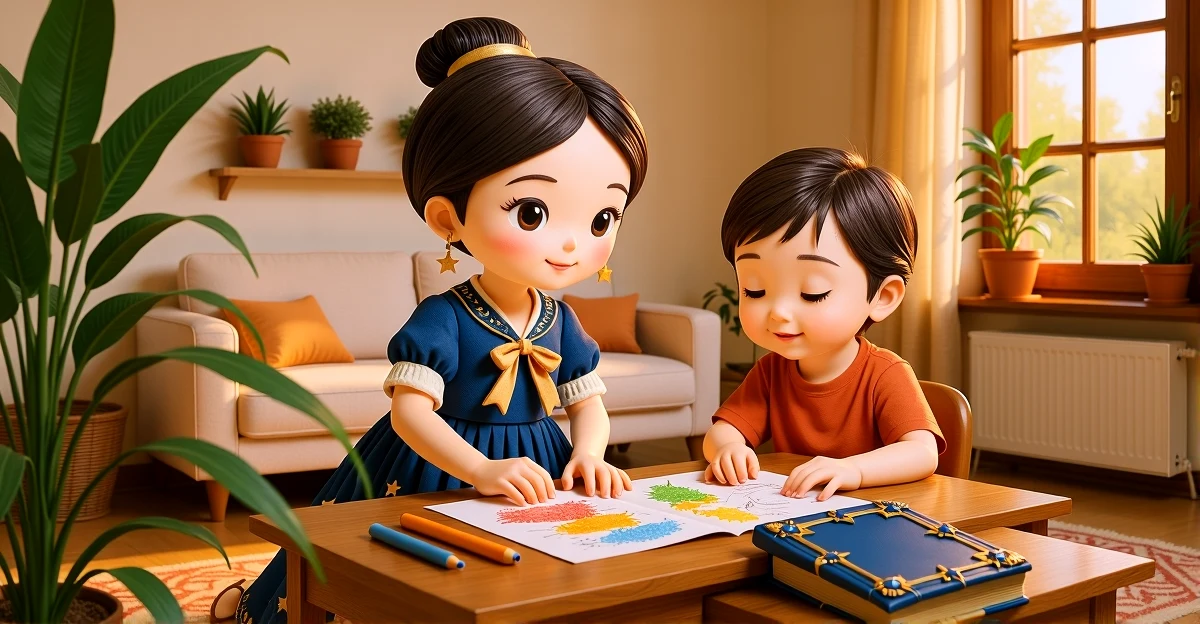

Your six-year-old has been working on a drawing for twenty minutes. You can see the concentration on their face, the careful way they're holding the crayon. And then, in an instant, something shifts. Their face crumples. They tear the paper in half, crumple it into a ball, and throw it across the room. Or maybe they hit themselves, crying out in frustration. Your heart breaks as you watch them destroy something they worked so hard on.
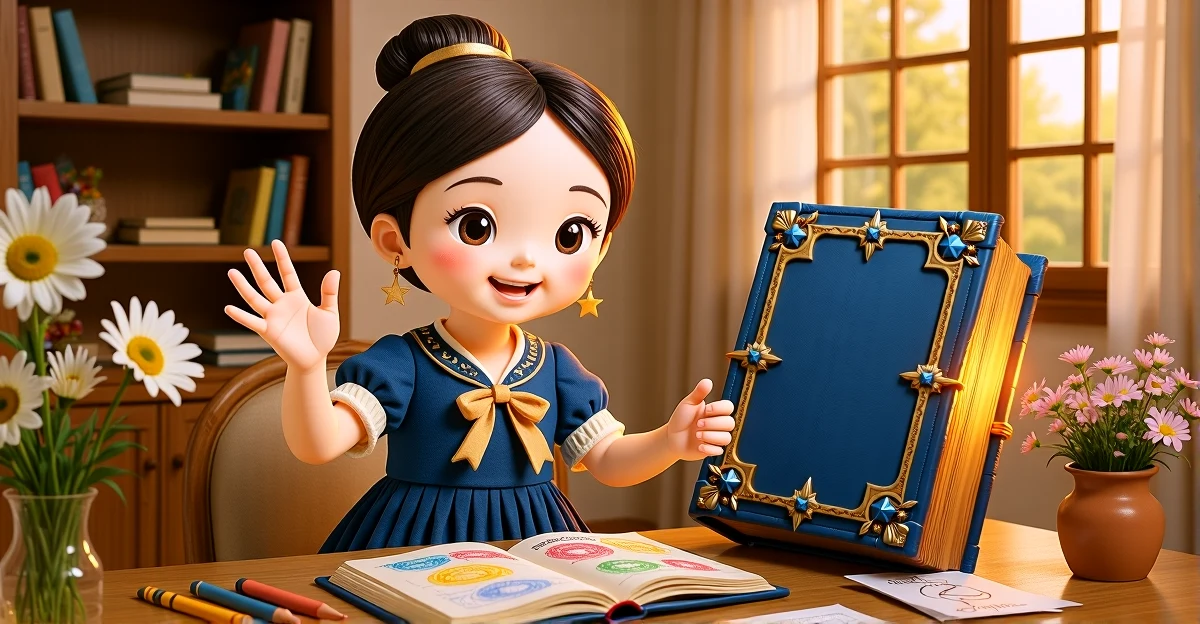
If this sounds familiar, I want you to know something really important. You're not alone in this. What you're witnessing isn't defiance, manipulation, or a character flaw. It's emotional overwhelm, and it's more common than you might think. The Magic Book and I have been learning so much about this particular challenge, and I want to share what we've discovered with you today.
In this post, we'll explore what's really happening when perfectionism becomes painful for young children, why some children develop these intense responses to mistakes, and most importantly, the gentle, research-backed strategies that can help your child build healthier relationships with imperfection and mistakes.
What's Really Happening: Understanding Perfectionism in Young Children
At ages six and seven, children are in a fascinating and critical phase of development. They're building their internal dialogue, that voice inside their head that narrates their experience and helps them make sense of the world. For some children, especially those with perfectionistic tendencies, this internal voice can become surprisingly harsh, surprisingly quickly.
Dr. Rachel Busman, a clinical psychologist at the Child Mind Institute, explains that self-talk is essentially our inner monologue. When this self-talk becomes self-critical in young children, it deeply affects their emotional well-being. And here's what's SO important to understand. When your child tears up their drawing, crumples their homework, or even hits themselves because something isn't perfect, they're not being difficult. They're experiencing emotional distress that they literally cannot verbalize yet.
Think about it this way. As adults, when we're overwhelmed, we might say things like, "I'm feeling really frustrated with myself right now," or "I'm disappointed that this didn't turn out the way I hoped." We have decades of practice naming our emotions and managing disappointment. Your six or seven-year-old doesn't have that yet. Their nervous system is flooded with big feelings, and they're responding the only way they know how in that moment.
The Development of Perfectionism
You might be wondering where this perfectionism comes from. Research from child development experts shows us that perfectionism often develops through parent-child interactions. But before you start blaming yourself, please hear this. This isn't about you being a bad parent. In fact, perfectionism often develops in families with the most loving, well-meaning parents who simply have high hopes for their children.
What happens is this. When children internalize high performance expectations and the idea that mistakes are unacceptable, they begin to develop what experts call poor shame tolerance. Research from the Psychology Research Centre at Universidade do Algarve found that children whose parents have high performance expectations and criticize them when those expectations are not met are more prone to developing perfectionism by internalizing these expectations as well as the associated negative self-evaluation.
The beautiful truth is that you can help shift this pattern. Understanding what's happening is the first step toward supporting your child in building healthier self-talk and emotional regulation skills.
The Science Behind Self-Destructive Responses to Mistakes
When we see our children hurt themselves or destroy their work, it can be frightening. It's natural to wonder if something is seriously wrong. Let me share what research tells us about this.
Perfectionistic children focus excessively on evaluative concerns. They may interpret even minor feedback or slight imperfections as harsh criticism directed at them. Their developing brains are learning to process disappointment, manage expectations, and regulate emotional responses. When the gap between their expectation and reality feels too big, their nervous system can become overwhelmed.
Low self-worth and poor shame tolerance start as young as age 3. It is important to address these issues as soon as they arise to prevent long-term impacts. Healthy shame tolerance develops through self-acceptance and learning resilience from embarrassments and mistakes.
— Harper West, Licensed Clinical Psychologist
This is actually wonderful news, because it means this is a critical window for intervention. When we address these patterns with compassion and understanding NOW, we can help children develop much healthier relationships with mistakes and imperfection that will serve them throughout their lives.
It's Not Manipulation
I want to be really clear about something. When a child destroys their work or hurts themselves, they're not being manipulative. They're not trying to get attention or upset you. They're expressing emotional distress through the only channels available to them in that moment. Their prefrontal cortex, the part of the brain responsible for emotional regulation and impulse control, is still developing and won't be fully mature until their mid-twenties.
What they need from you isn't punishment, lectures, or even problem-solving in that heated moment. What they need is your calm, regulated presence showing them that emotions are manageable and that they're safe even when things aren't perfect.
Gentle Strategies That Actually Help
So what CAN you do when your child is overwhelmed by perfectionism? Research is crystal clear on this. Children whose emotional responses are met with validation and empathy, rather than criticism or punishment, develop better emotional regulation skills over time. Here are the strategies that the Magic Book and I have found most helpful.
1. Respond with Empathy, Not Frustration
I know this is incredibly hard when you're watching your child hurt themselves or destroy something they worked hard on. Your own nervous system might be activated. You might feel scared, frustrated, or helpless. But your gentle, calm presence in these moments is teaching their nervous system that emotions are manageable.
In the moment, you might say something like:
- "I can see you're having really big feelings about this. It's okay."
- "You're safe. I'm here with you."
- "Mistakes are part of learning. EVERY person makes mistakes."
- "Your worth isn't determined by how perfect your drawing is."
Notice that none of these responses try to fix the problem or minimize their feelings. They simply validate the emotion and provide reassurance.
2. Build Mistake Tolerance Through Modeling
One of the most powerful things you can do is model healthy responses to your own mistakes. Talk about your mistakes out loud. Let your child see you handle imperfection with self-compassion.
You might say:
- "Oh, I burned the toast! Well, that's okay. I'll try again and set the timer this time."
- "I made a mistake in this email. That happens sometimes. I'll send a correction."
- "This recipe didn't turn out the way I hoped, but that's how we learn what works!"
This shows them that adults make mistakes too, that mistakes are just part of being human, and that we can respond to our own imperfection with kindness rather than harsh self-criticism.
3. Develop Emotional Vocabulary
Help your child build the words to name what they're feeling. When you notice them getting frustrated, gently offer language:
- "It looks like you're feeling frustrated because the drawing doesn't look the way you imagined. That's a normal feeling."
- "I wonder if you're feeling disappointed right now?"
- "Sometimes when things don't go the way we planned, we feel sad or angry. Both of those feelings are okay."
Over time, this helps them develop the ability to name their emotions instead of acting them out through destructive behaviors.
4. Reframe Mistakes as Learning Opportunities
Actively work to shift the narrative around mistakes in your home. Celebrate mistakes as evidence of trying, learning, and growing.
- "I love that you tried something challenging! That takes courage."
- "Mistakes mean your brain is growing. That's wonderful!"
- "What did you learn from this that you can use next time?"
This doesn't mean you ignore their distress or pretend everything is fine. It means you're gently, consistently teaching them that mistakes are valuable, not catastrophic.
5. Focus on Effort, Not Outcome
When you praise your child, focus on their effort, persistence, and process rather than the end result. Instead of "That's a perfect drawing!" try "I can see how hard you worked on this" or "I love how you kept trying even when it was challenging."
This teaches them that their worth and your love aren't contingent on perfect performance. They're valued for who they are and the effort they put in, not just the outcomes they achieve.
Stories That Can Help
The Magic Book and I have a beautiful story that can help your child understand these big feelings and learn that disappointment and imperfection can lead to wonderful discoveries.
The Comfort Keepers of Meadowbrook Farm
Perfect for: Ages 6-7
What makes it special: This story beautifully addresses the core challenge of dealing with disappointment and setbacks. When Rumi and Freya's zoo plans change unexpectedly, they experience real disappointment. But through gentle interactions with farm animals, they discover that setbacks can lead to wonderful, unexpected joy. The story's themes of resilience, emotional regulation through calming touch, and finding sunshine after disappointment directly support the goals of self-acceptance, emotional regulation, and mistake tolerance.
Key lesson: Things not going as planned doesn't mean things are ruined. It just means something different, and maybe even something special, is waiting to be discovered. The gentle animals model patience and acceptance, teaching children that imperfection and changed plans are part of life's beauty.
How to use this story: After reading, talk with your child about times when disappointment led to unexpected joy. When they feel overwhelmed by imperfection, remind them of Rumi and Freya's discovery that gentle patience and self-compassion open doors to new possibilities. You might create a little ritual where, when something doesn't turn out as planned, you both take a deep breath and say, "Let's be gentle with ourselves, just like the soft animals taught Rumi and Freya."
You're Doing Beautifully
I want you to know that this phase, as challenging as it is, is temporary. With your patient, loving support, your child will learn that mistakes are part of learning, that imperfection is part of being human, and that they are loved unconditionally. You're doing such important work by seeking to understand what's happening and by responding with compassion instead of frustration.
The Magic Book reminds us of something really important. Your child's worth is not determined by their performance. They are worthy of love and belonging simply because they exist. And the more we can communicate this through our actions and words, the more they'll internalize it. That harsh inner voice they're developing? It can become a kind, encouraging voice instead. And you're the one who can help make that happen.
Remember, you're not trying to fix your child. They're not broken. They're learning, growing, and developing the skills they need to navigate big feelings. And with your gentle guidance, they're going to be just fine. More than fine. They're going to learn one of life's most important lessons: that they are enough, exactly as they are.
With love and starlight, Inara and the Magic Book are always here for you.
Related Articles
- When Your Child Hits Themselves After Mistakes: Understanding Perfectionism in Young Children
- Nurturing Your Child Innovation Mindset: A Gentle Guide for Ages 6-7
- When Your Child Expresses Thoughts of Self-Harm: Getting Help Now
- Nurturing Purpose and Meaning in Young Children: A Gentle Guide for Parents
- When Your Toddler Hurts Themselves During Big Feelings: Understanding and Gentle Support
Show transcript
Hello, wonderful parent! It's me, Inara, and I'm so glad you're here today. I want to start by saying something really important. If you're watching this because your child has been destroying their work when it doesn't meet their standards, or if they've been hurting themselves out of frustration, I see you. I know how frightening and heartbreaking this can be. You're not alone in this, and what you're experiencing is more common than you might think.
The Magic Book and I have been learning so much about this particular challenge, and I want to share what we've discovered. Because here's the truth. When your six or seven-year-old tears up their drawing, crumples their homework, or even hits themselves because something isn't perfect, they're not being difficult. They're not trying to upset you. What's actually happening is that their developing brain is experiencing emotional overwhelm that they don't yet have the words or skills to manage.
Let me explain what research tells us. At ages six and seven, children are in a fascinating developmental phase. They're building their internal dialogue, that voice inside their head that narrates their experience. And for some children, especially those with perfectionistic tendencies, that internal voice can become surprisingly harsh. Dr. Rachel Busman, a clinical psychologist at the Child Mind Institute, explains that this self-talk is essentially their inner monologue, and when it becomes self-critical, it deeply affects their emotional well-being.
Now, you might be wondering, where does this perfectionism come from? Research from child development experts shows us that perfectionism often develops through parent-child interactions. But before you start blaming yourself, please hear this. This isn't about you being a bad parent. In fact, it often happens with the most loving, well-meaning parents who simply have high hopes for their children.
What happens is this. When children internalize high performance expectations and the idea that mistakes are unacceptable, they begin to develop what experts call poor shame tolerance. And here's the really important part. When a child destroys their work or hurts themselves, they're not being manipulative or seeking attention. They're expressing emotional distress that they literally cannot verbalize yet. Their nervous system is flooded with big feelings, and they're responding the only way they know how in that moment.
The wonderful news, and yes, there IS wonderful news here, is that this is a critical window for intervention. Licensed psychologist Harper West emphasizes that building healthy shame tolerance and self-acceptance starts early, and when we address these patterns with compassion and understanding, we can help children develop much healthier relationships with mistakes and imperfection.
So what can you do? First, and this is so important, respond to these moments with empathy rather than frustration. I know that's incredibly hard when you're watching your child hurt themselves or destroy something they worked hard on. But research is crystal clear on this. Children whose emotional responses are met with validation and empathy, rather than criticism or punishment, develop better emotional regulation skills over time.
In the moment, you might say something like, I can see you're having really big feelings about this. It's okay. We all make mistakes, and mistakes help us learn. Your gentle, calm presence is teaching their nervous system that emotions are manageable and that they're safe even when things aren't perfect.
Second, help them build what experts call mistake tolerance. This means actively reframing mistakes as learning opportunities. You can model this yourself by talking about your own mistakes out loud. You might say, Oh, I burned the toast! Well, that's okay. I'll try again and set the timer this time. This shows them that adults make mistakes too, and that mistakes are just part of being human.
Third, work on building their emotional vocabulary. When you notice them getting frustrated, help them name what they're feeling. You might say, It looks like you're feeling frustrated because the drawing doesn't look the way you imagined. That's a normal feeling. What could we try? This teaches them that feelings have names, and that there are always options when things don't go as planned.
Now, let me tell you about a story that the Magic Book and I think might really help. It's called The Comfort Keepers of Meadowbrook Farm, and it's about two friends named Rumi and Freya. They had plans to go to the zoo, and they were SO excited. But then their plans changed unexpectedly, and they felt really disappointed. Sound familiar?
What I love about this story is that Rumi and Freya discover something beautiful. When they visit a petting farm instead, the gentle animals teach them that disappointment and changed plans can actually lead to wonderful discoveries. The soft fur, the patient hearts of the animals, the healing power of being gentle with themselves. They learn that things not going perfectly doesn't mean things are ruined. It just means something different, and maybe even something special, is waiting to be discovered.
After you read this story with your child, you can talk about times when disappointment led to unexpected joy. You can remind them, just like Rumi and Freya learned, that we can be gentle with ourselves when things don't go perfectly. You might even create a little ritual where, when something doesn't turn out as planned, you both take a deep breath and say, Let's be gentle with ourselves, just like the soft animals taught Rumi and Freya.
The Magic Book also reminds us of something really important. Your child's worth is not determined by their performance. They are worthy of love and belonging simply because they exist. And the more we can communicate this through our actions and words, the more they'll internalize it.
I want you to know that this phase, as challenging as it is, is temporary. With your patient, loving support, your child will learn that mistakes are part of learning, that imperfection is part of being human, and that they are loved unconditionally. You're doing such important work by seeking to understand what's happening and by responding with compassion.
The Book of Inara has many stories that can help during this time. Stories about resilience, about self-acceptance, about learning that our worth isn't tied to perfection. You can find The Comfort Keepers of Meadowbrook Farm and so many other beautiful stories in the collection.
Remember, wonderful parent, you're not trying to fix your child. They're not broken. They're learning, growing, and developing the skills they need to navigate big feelings. And with your gentle guidance, they're going to be just fine. More than fine. They're going to learn one of life's most important lessons. That they are enough, exactly as they are.
With love and starlight, Inara. The Magic Book and I are always here for you.