
If you've ever watched your toddler hit their head against the floor or bite their own hand during a meltdown, and felt that rush of fear and helplessness wash over you, I want you to take a deep breath with me right now. In... and out. You are not alone in this experience. This is not your fault. And your child is going to be okay.
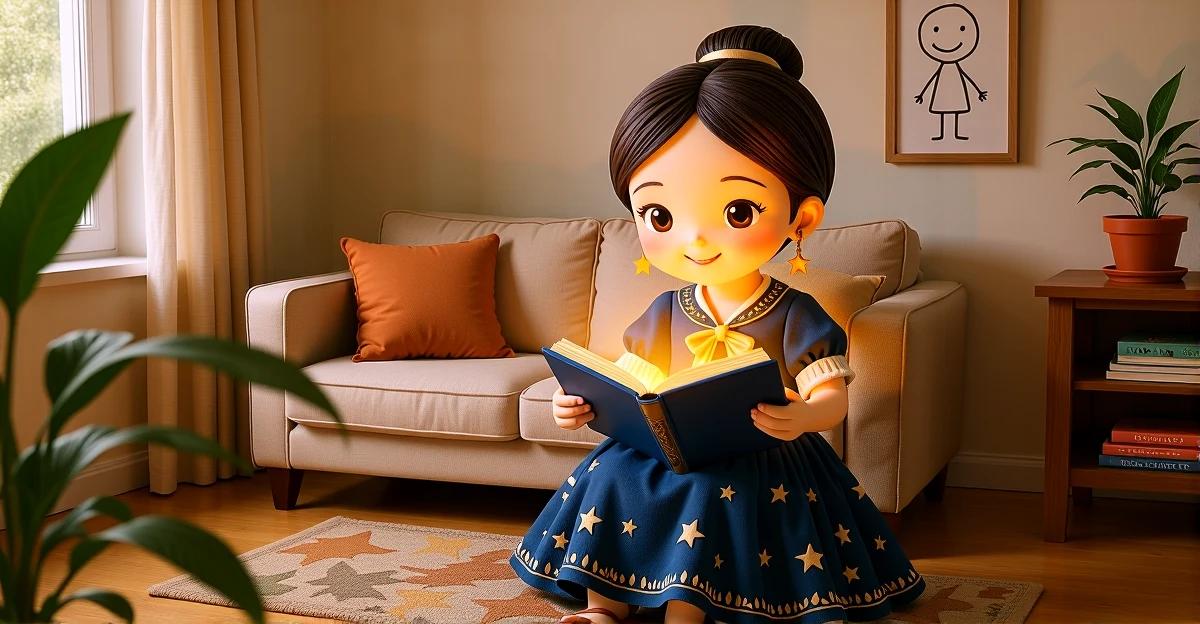
I'm Inara, and the Magic Book and I have been holding space for parents navigating this deeply concerning behavior. What you're witnessing isn't self-harm in the way we typically understand it. It's communication. It's a developing brain trying desperately to release overwhelming pressure when words aren't available yet. And there's SO much we can do to help.
In this post, we're going to explore what's really happening when toddlers engage in self-directed behaviors during moments of overwhelm, what research tells us about this normal developmental phase, and most importantly, gentle strategies you can use starting today to guide your child toward healthier ways to express their big feelings.
What's Really Happening: The Brain Science Behind Self-Directed Behaviors
When your toddler between ages two and three hits their head or bites themselves during a moment of intense emotion, their brain is experiencing something very specific. Their feelings have become bigger than their capacity to manage them. Think of it like this: your child's emotions are like a thunderstorm, powerful and overwhelming. But the part of their brain that helps them calm down, find words, and pause before acting? That's still under construction.
The American Academy of Pediatrics teaches us something beautiful here. Young children have very little natural self-control. Their brains are still building the pathways, the connections, the skills they need to manage big feelings peacefully. When your toddler engages in these behaviors, they're not making a conscious choice. They're experiencing what happens when emotional intensity outpaces the capacity for self-regulation.
Young children have little natural self-control. They need you to teach them not to kick, hit, or bite when they are angry, but instead to express their feelings through words.
— American Academy of Pediatrics
Here's what's so important to understand. When your toddler hits their head or bites themselves, they're not trying to hurt themselves. They're trying to release an enormous pressure building inside. Their feelings have become so big, so overwhelming, that their little body is trying to find ANY way to let that energy out. It's like a pressure valve releasing steam.
Why This is Normal Development (Not a Red Flag)
Child development experts at Zero to Three remind us that self-control develops gradually between ages two and three as the prefrontal cortex matures. This is the part of the brain responsible for impulse control, for thinking before acting, for managing emotions. And it takes YEARS to fully develop. Years.
So when you see your child struggling with these behaviors, you're actually witnessing brain development in action. You're watching them learn one of life's most important skills: how to manage overwhelming feelings without hurting themselves or others.
The Developmental Context
Between ages two and three, children are experiencing a perfect storm of developmental challenges:
- Limited verbal skills: They don't have enough words yet to express complex emotions like frustration, disappointment, or overwhelm
- Developing impulse control: The brain pathways that help them pause and think are still forming
- Intense emotions: Toddlers feel everything SO deeply, but lack the tools to process those feelings
- Growing independence: They want to do things themselves but often can't, leading to intense frustration
When all of these factors collide, self-directed behaviors can emerge as a way to cope with the overwhelm. It's not ideal, but it's understandable. And it's temporary.
What Research Tells Us About Supporting Emotional Regulation
Here's where the hope comes in, my wonderful friend. Research from the Child Mind Institute shows us that self-regulation is a teachable skill. When parents respond with calm guidance rather than alarm, when they teach simple emotion-regulation techniques during peaceful moments, children develop healthier ways to express distress over time.
Self-regulation is a teachable skill through coaching, breaking challenging tasks into manageable steps, and practice.
— Child Mind Institute
The research demonstrates something beautiful: breaking down emotional challenges into manageable steps helps young children build the capacity to handle overwhelming feelings without resorting to physical reactions. Your patient guidance during this phase creates the foundation for lifelong emotional health.
The Power of Calm Presence
Studies show that when you stay calm during your child's storm, you're teaching them regulation through your own nervous system. Your calm becomes their calm, eventually. It doesn't happen overnight, but it DOES happen. Every time you breathe deeply and stay steady when they're not, you're showing them what regulation looks like.
Gentle Strategies That Actually Work
So what can you do when you see your child starting to engage in these behaviors? Here are research-backed, gentle strategies you can implement starting today:
1. Build Emotional Vocabulary During Calm Moments
During peaceful times, teach your child simple words for their feelings. Happy. Sad. Mad. Frustrated. Scared. When they're playing peacefully, you might say, "You look so happy building that tower!" When they're struggling with a puzzle, "I can see you're feeling frustrated. That's okay. Frustration is a normal feeling."
You're building their emotional vocabulary, giving them tools they can reach for later when feelings get big. The more words they have for their internal experience, the less they'll need to use their body to express it.
2. Model Gentle Self-Soothing
When you're feeling stressed, narrate what you're doing. "Mama's feeling overwhelmed right now, so I'm going to take some deep breaths. Want to breathe with me?" Show them that big feelings are normal, and there are gentle ways to move through them. You're their first and most important teacher of emotional regulation.
3. Intervene Early with Connection
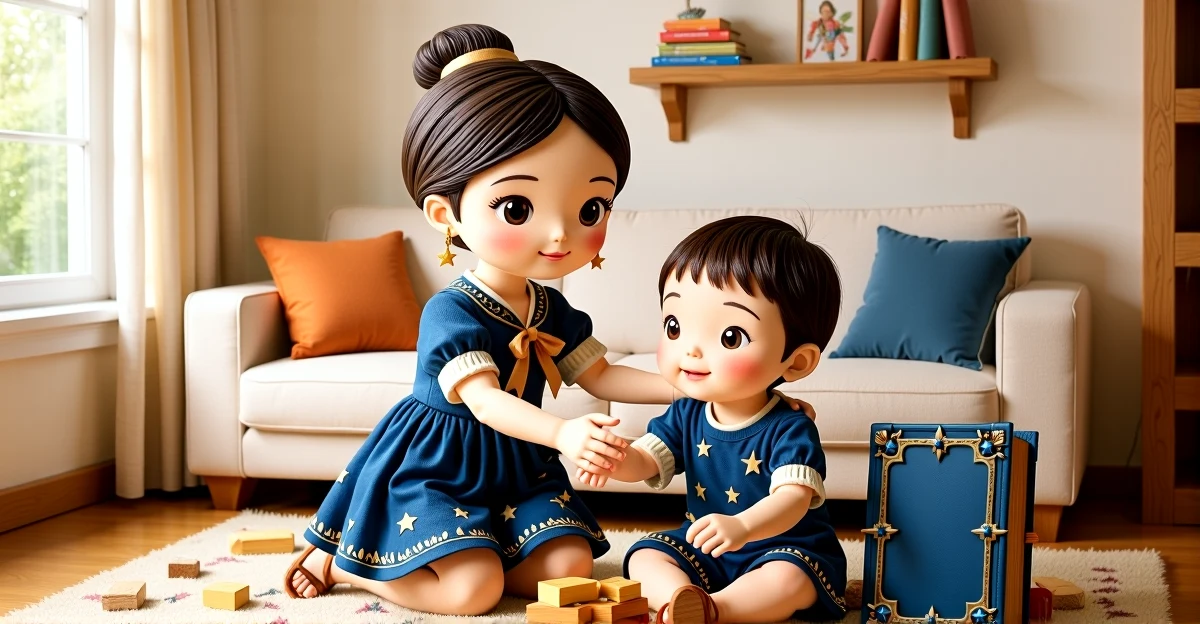
When you see the storm building, intervene early with connection. Get down to their level. Offer a hug. Use a calm, quiet voice. Sometimes just your presence, your steadiness, can help their nervous system begin to settle before the overwhelm becomes too intense.
Child development specialists at Zero to Three emphasize that teaching coping strategies during calm moments helps children apply these skills when distressed. Over time, this helps your child learn strategies to cope with situations that are challenging.
4. Reconnect After the Storm
After the intense moment passes, reconnect with love. No lectures, no shame. Just, "That was hard, wasn't it? I'm here. You're safe. I love you." This teaches them that even when feelings get big and scary, your love remains constant. They're learning that they're worthy of patience and grace, even in their hardest moments.
5. Create a Calm-Down Corner
Set up a cozy space with soft pillows, favorite stuffed animals, and calming sensory items. When you notice overwhelm building, you can gently guide them to this safe space. "Let's go to our cozy corner together. We can take some deep breaths and feel better." This gives them a physical place associated with calming down.
A Story That Can Help
In The Book of Inara, we have a beautiful story that brings these concepts to life for your child in the most magical way:
The Candy Jar Apology
Perfect for: Ages 2-3
What makes it special: When Milo accidentally causes a problem at the corner store, he experiences those overwhelming feelings we've been talking about. But here's the magic: he learns that expressing emotions through words, saying "I'm sorry," can repair situations and restore harmony. The candy jars that dimmed when things went wrong? They glow bright again when Milo uses his words.
Key lesson: This story shows children something powerful - that their words have magic. That communication can heal. That there are alternatives to physical reactions when feelings get big. After you read this story together, you can help your child practice using words like "I'm sorry" or "I feel upset" when they're frustrated. You're showing them that their words have the same magical power as Milo's, the power to make things better.
You're Doing Beautifully
The Magic Book whispers this truth to me, and I want to share it with you: Your child's brain is learning, growing, building new pathways every single day. What looks like a struggle today is actually development in progress. And with your patient guidance, your calm presence, your gentle teaching, they WILL learn. They WILL grow. They will discover that feelings can be big without being scary, and that words are more powerful than any physical reaction.
You're doing such important work, my wonderful friend. On the hard days, when you feel exhausted and worried, remember this: Every time you stay calm when they're not, you're teaching them regulation. Every time you offer words for their feelings, you're building their emotional vocabulary. Every time you reconnect with love after a difficult moment, you're showing them that they're worthy of patience and grace.
The journey from overwhelm to self-regulation doesn't happen overnight. It happens in tiny moments, repeated over and over with love. And you're exactly the guide your child needs.
With love and starlight, Inara
Related Articles
- Understanding Parallel Play: Why Your Toddler Plays Near (Not With) Other Kids
- Understanding Your Toddler's Loud Voice: Why Volume Control Takes Time (And How to Help)
- Understanding Why Toddlers Hit and Bite (And Gentle Ways to Help)
- Understanding Your Toddler's Help-Seeking Behavior (And Why It's Beautiful)
- Why Asking for Help is a Superpower: Teaching Your Toddler This Essential Life Skill
- The Beautiful Journey from Pointing to Words: Supporting Your Toddler's Language Development
Show transcript
Hello, my wonderful friend! It's me, Inara, and I am so grateful you're here today. You know, the Magic Book and I have been holding space for something that weighs heavy on many parents' hearts. If you've ever watched your little one hit their head or bite themselves when they're upset, and felt that rush of fear and helplessness wash over you, I want you to know something right now. You are not alone. This is not your fault. And your child is going to be okay.
Let me take a deep breath with you. In... and out. Because what I'm about to share with you might just shift everything.
When toddlers between ages two and three engage in these self-directed behaviors during moments of overwhelm, they're not trying to hurt themselves. They're communicating in the only language their developing brain knows how to use in that moment. Their feelings have become bigger than their words, bigger than their ability to pause and think, and their little body is trying desperately to release that enormous pressure building inside.
The American Academy of Pediatrics teaches us something beautiful here. Young children have very little natural self-control. Their brains are still building the pathways, the connections, the skills they need to manage big feelings peacefully. And here's what's so important to understand. When your toddler hits their head or bites themselves, they're not making a choice. They're experiencing what happens when emotional intensity outpaces the capacity for self-regulation.
Think of it this way. Your child's feelings are like a thunderstorm, powerful and overwhelming. But the part of their brain that helps them calm down, that helps them find words, that helps them pause before acting? That's still under construction. It's like asking a two-year-old to build a house when they're still learning to stack blocks. The tools just aren't there yet.
And that's where you come in, my friend. Not to fix them, because they're not broken. But to be their calm in the storm. To be the gentle guide who helps them build those skills, one moment at a time.
Child development experts at Zero to Three remind us that self-control develops gradually between ages two and three as the prefrontal cortex matures. This is the part of the brain responsible for impulse control, for thinking before acting, for managing emotions. And it takes years to fully develop. YEARS. So when you see your child struggling, you're witnessing brain development in action. You're watching them learn one of life's most important skills.
Here's what the research shows us. When parents respond with calm guidance rather than alarm, when they teach simple emotion-regulation techniques during peaceful moments, children develop healthier ways to express distress over time. The Child Mind Institute's work confirms that self-regulation is a teachable skill. And breaking down emotional challenges into manageable steps helps young children build the capacity to handle overwhelming feelings without resorting to physical reactions.
So what does this look like in real life? Let me share some gentle strategies with you.
First, during calm moments, teach your child simple words for their feelings. Happy. Sad. Mad. Frustrated. Scared. When they're playing peacefully, you might say, "You look so happy building that tower!" When they're struggling with a puzzle, "I can see you're feeling frustrated. That's okay. Frustration is a normal feeling." You're building their emotional vocabulary, giving them tools they can reach for later.
Second, model gentle self-soothing. When you're feeling stressed, narrate what you're doing. "Mama's feeling overwhelmed right now, so I'm going to take some deep breaths. Want to breathe with me?" Show them that big feelings are normal, and there are gentle ways to move through them.
Third, when you see the storm building, intervene early with connection. Get down to their level. Offer a hug. Use a calm, quiet voice. Sometimes just your presence, your steadiness, can help their nervous system begin to settle.
And fourth, after the storm passes, reconnect with love. No lectures, no shame. Just, "That was hard, wasn't it? I'm here. You're safe. I love you." This teaches them that even when feelings get big and scary, your love remains constant.
Now, I want to tell you about a story that might help. In The Book of Inara, there's a beautiful tale called The Candy Jar Apology. It's about Milo and Nana visiting a corner store, and when Milo accidentally causes a problem, he experiences those overwhelming feelings we've been talking about. But here's the magic. He learns that expressing emotions through words, saying "I'm sorry," can repair situations and restore harmony. The candy jars that dimmed when things went wrong? They glow bright again when Milo uses his words.
This story shows children something powerful. That their words have magic. That communication can heal. That there are alternatives to physical reactions when feelings get big. After you read this story together, you can help your child practice using words like "I'm sorry" or "I feel upset" when they're frustrated. You're showing them that their words have the same magical power as Milo's, the power to make things better.
The Magic Book whispers this truth to me, and I want to share it with you. Your child's brain is learning, growing, building new pathways every single day. What looks like a struggle today is actually development in progress. And with your patient guidance, your calm presence, your gentle teaching, they will learn. They will grow. They will discover that feelings can be big without being scary, and that words are more powerful than any physical reaction.
You're doing such important work, my friend. On the hard days, when you feel exhausted and worried, remember this. Every time you stay calm when they're not, you're teaching them regulation. Every time you offer words for their feelings, you're building their emotional vocabulary. Every time you reconnect with love after a difficult moment, you're showing them that they're worthy of patience and grace.
The journey from overwhelm to self-regulation doesn't happen overnight. It happens in tiny moments, repeated over and over with love. And you're exactly the guide your child needs.
If you'd like more support on this journey, The Book of Inara has many stories designed to help children understand and manage their big feelings. Stories are such a gentle way to teach these important skills, and they create beautiful moments of connection between you and your little one.
Thank you for being here today, for caring so deeply, for showing up even when it's hard. The Magic Book and I are always here for you, cheering you on, believing in you and your beautiful child.
With love and starlight, Inara.