
You just found the evidence. The broken vase, the marker on the wall, the cookie crumbs on their face. And when you ask your child what happened, they look you straight in the eye and tell you they didn't do it. Even though you both know the truth is right there between you.
If this sounds familiar, I want you to take a deep breath with me. You are not alone in this. In fact, if your 5-6 year old is lying persistently, even when caught with evidence, you're experiencing one of the most common challenges parents face at this age. And I have something WONDERFUL to share with you that might completely change how you see this moment.
In this post, we'll explore why children lie at this age, what the research tells us about honesty development, and most importantly, how you can guide your child toward integrity through connection rather than punishment. Plus, I'll share a beautiful story that teaches children about following their inner compass toward truthfulness.
Why Your Child's Lying Is Actually a Cognitive Milestone
Here's the truth that might surprise you: your child's lying is not a character flaw. In fact, it's actually a sign that their brain is developing exactly as it should.
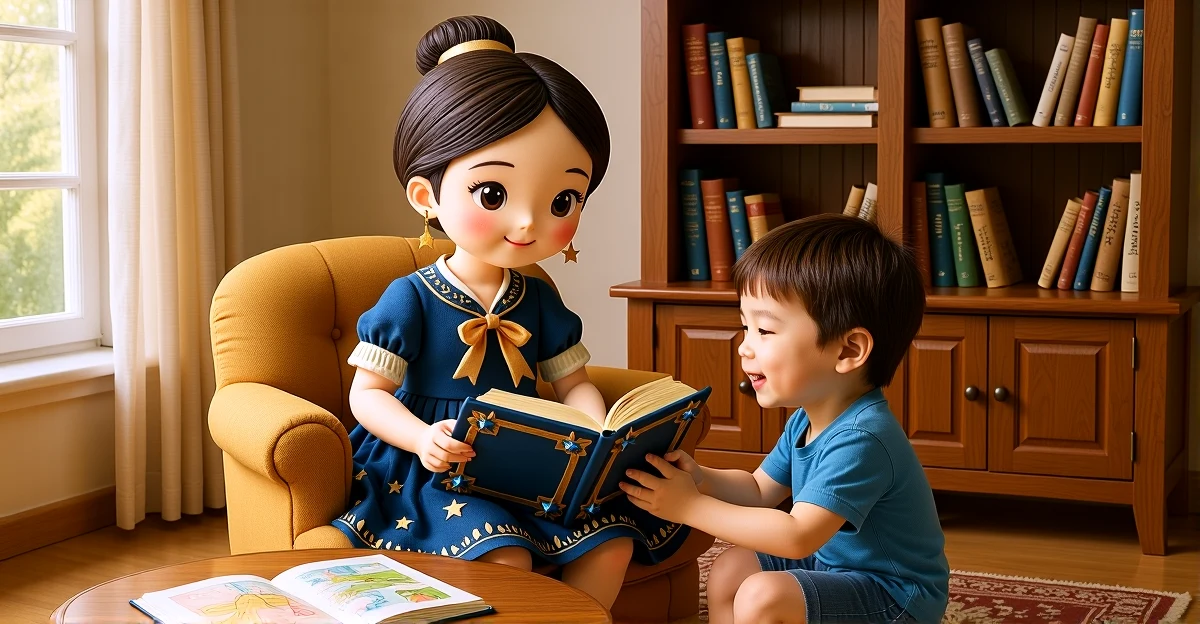
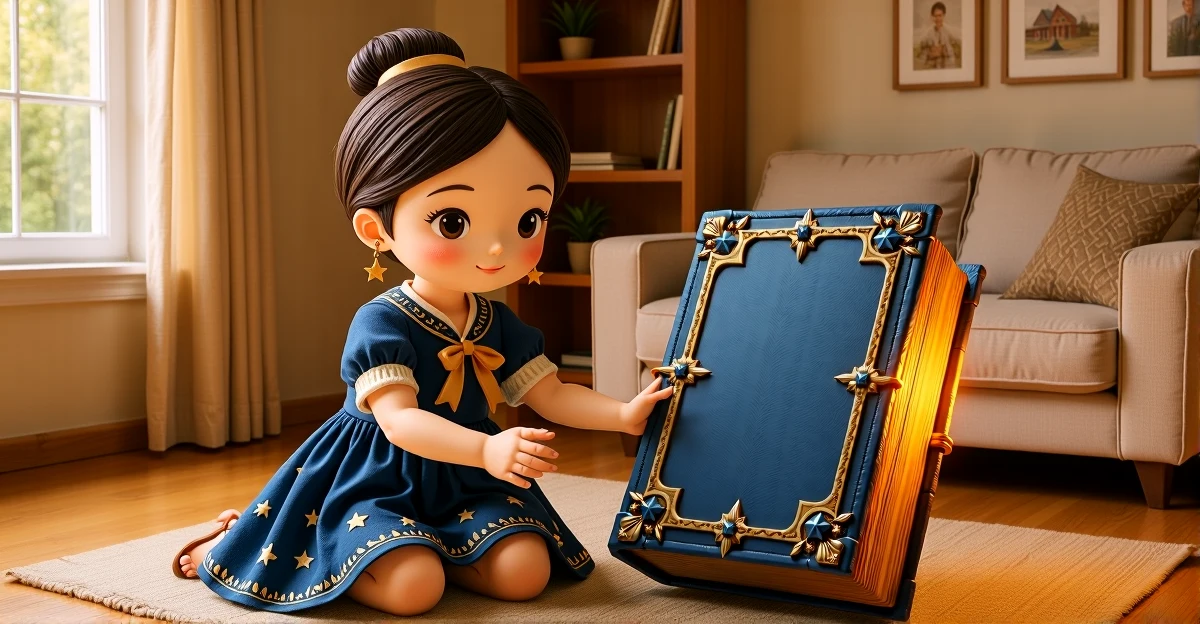
The Magic Book has taught me about the incredible research from Dr. Victoria Talwar and Dr. Kang Lee at McGill University and the University of Toronto. These brilliant scientists have spent years studying children's lying behavior, and what they discovered is absolutely fascinating.
Lying actually emerges around ages 2-3, right when children first realize that you cannot read their minds. Think about that for a moment. Your child is discovering that their thoughts are private, that what they know and what you know can be different things. This is a HUGE cognitive milestone!
The Development of Theory of Mind
By ages 5-6, children are developing something called theory of mind. This means they're learning to understand that other people have different thoughts, feelings, and perspectives than they do. When your child lies, they're actually using some pretty sophisticated brain skills:
- Planning: They're thinking ahead about what to say
- Perspective-taking: They're considering what you know versus what they know
- Emotional regulation: They're managing their facial expressions and tone of voice
- Executive functioning: They're controlling their impulses and making strategic decisions
These are all signs of growing social intelligence and cognitive development. In fact, research shows that about 64 percent of children will lie to conceal something they did when asked directly. Sixty-four percent! That means if you're experiencing this, you're in the majority. This is completely normal development.
What Research Tells Us About Children and Lying
The research on children's lying behavior reveals some beautiful truths that can help us respond with more compassion and effectiveness.
"Lying behavior in children has received increased attention by developmental psychologists for both its theoretical implications in understanding children's social cognitive development."
— Dr. Victoria Talwar and Dr. Kang Lee, McGill University and University of Toronto
Their peer-reviewed studies demonstrate that children's ability to lie successfully is directly related to their theory of mind development and executive functioning. In other words, the better your child gets at lying, the more their brain is developing important cognitive skills.
Now, I know what you might be thinking. Just because it's normal doesn't mean I should accept it, right? And you're absolutely right. We want to guide our children toward honesty and integrity. But here's the key: the WAY we respond to lying makes all the difference in the world.
Why Labels Are Dangerous
The Child Mind Institute has found something really important. When we label children as liars, when we say things like "you're such a liar" or "I can't trust you," those labels can actually become self-fulfilling.
"Avoid calling your child a liar. If your child believes they're a liar, they might as well keep lying."
— Child Mind Institute
But when we separate the behavior from the child, when we address the lie while still seeing the good in them, everything shifts. We create space for growth instead of shame.
Understanding Why Children Lie
Children lie for understandable, deeply human reasons. When we understand the why behind the behavior, we can respond with more compassion and effectiveness.
Common Reasons Children Lie:
- Avoiding consequences: They're trying to protect themselves from punishment or disappointment
- Protecting relationships: They don't want to lose your love or approval
- Managing big feelings: They feel ashamed about what happened and lying feels safer than admitting the truth
- Testing boundaries: They're learning about social rules and what happens when they break them
- Seeking approval: They want to be seen as good and capable
- Imagination blending with reality: At this age, the line between fantasy and reality is still developing
When we come at our children with anger or harsh punishment, we're actually making it LESS safe to tell the truth. We're confirming their fear that honesty will lead to rejection or pain.
Gentle Strategies That Build Honesty
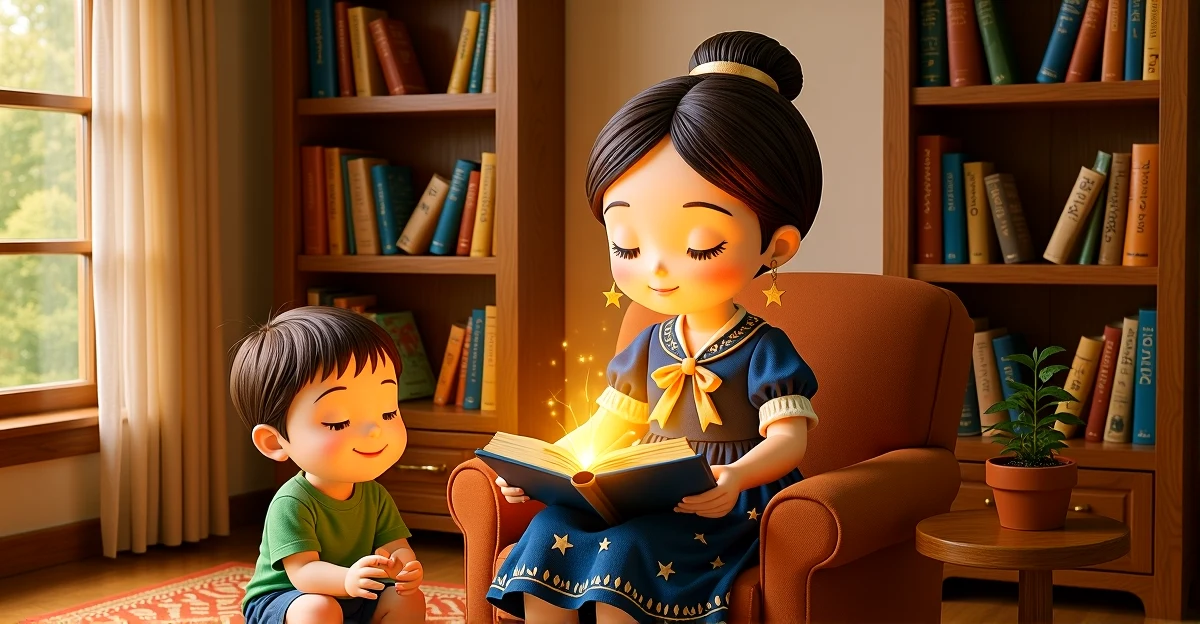
So what can we do instead? The Magic Book whispers this wisdom: create safety for honesty, not fear of consequences.
1. Create Safety for Truth-Telling
When you catch your child in a lie, take a breath. Get down to their level. And say something like: "I can see something happened here. I want to understand what's going on. Can you help me understand?"
This opens the door for honesty instead of slamming it shut. You're showing them that you're more interested in understanding than in punishing.
2. Praise Truth-Telling, Especially When It's Hard
The Raising Children Network in Australia found that praising children for owning up to wrongdoing is far more effective than punishment.
"Praising your child for owning up to doing something wrong is far more effective than punishment. Say: I'm so glad you told me what happened. Let's work together to sort things out."
— Raising Children Network (Australia)
When your child does tell you the truth, even if it's about something they did wrong, celebrate that courage. You might say: "Thank you so much for telling me the truth. I know that was hard. I'm so glad we can talk about this together. Now let's figure out what to do about the broken vase."
3. Separate Consequences for the Lie from the Original Behavior
This is SO important. If your child spilled juice and lied about it, there might be a natural consequence for the spill, like helping clean it up. But the lie needs to be addressed separately, with a conversation about why honesty matters and how lying affects trust.
You might say: "I understand you were worried about getting in trouble for the spill. That makes sense. But when you lie to me, it makes it harder for me to trust you. Let's talk about what you could do next time instead."
4. Model Integrity in Your Own Life
Children are always watching us. They're learning about honesty not just from what we say, but from what we do. When we admit our own mistakes, when we apologize sincerely, when we tell the truth even when it's uncomfortable, we're showing them what integrity looks like in real life.
You might share a time when you made a mistake and told the truth about it, even though it was scary. This shows them that honesty is a value you live by, not just a rule you enforce.
5. Teach About the Inner Compass
Help your child develop their own internal motivation for honesty. Talk about their "inner compass" - that feeling inside that helps them know when something is right or wrong. When they tell the truth, even when it's hard, they're following their inner compass. And that takes real courage.
Stories That Can Help
In The Book of Inara, we have beautiful stories that bring these concepts to life for your child. Stories are such a powerful way to teach values without preaching, to show children what integrity looks like in action.
The Compass Stones of Courage
Perfect for: Ages 6-7 (also great for mature 5-year-olds)
What makes it special: This story teaches children about integrity and following their inner compass to do what's right, even when it's difficult or when others doubt them. Theo and Miles learn from Arctic terns who trust their instincts on the world's longest migration, discovering that true courage means following your inner navigation even when the journey is hard.
Key lesson: Just like the Arctic terns trust their inner compass to guide them thousands of miles, children can trust their inner knowing about what's right and wrong. Telling the truth, even when it's scary, is following your inner compass. And that takes real courage.
How to use it: After reading this story together, you can talk with your child about their own inner compass. You might say: "You know how the Arctic terns know which way to fly? You have something like that inside you too. It's the feeling that helps you know when something is right or wrong. When you tell the truth, even when it's hard, you're following your inner compass."
You're Doing Beautifully
My wonderful friend, if your child is lying right now, I want you to hear this: You are not failing. Your child is not broken. This is a normal, temporary part of development, and you have so much power to guide them toward honesty through connection, not fear.
Create safety for truth. Praise courage when they're honest. Separate consequences thoughtfully. Model integrity in your own life. And use stories like The Compass Stones of Courage to teach these values in a gentle, beautiful way.
The Magic Book and I believe in you. We believe in your child. And we believe in the power of connection to transform these challenging moments into opportunities for growth and deeper trust.
Remember: every time your child lies, their brain is practicing important cognitive skills. And every time you respond with calm curiosity instead of anger, you're teaching them that honesty is safe, that mistakes are learning opportunities, and that your love is unconditional.
You're doing beautifully, even on the hard days. Especially on the hard days.
With love and starlight,
Inara
Related Articles
- Why Your Child Says Good or Bad for Every Feeling (And How to Help Them Express the Full Rainbow of Emotions)
- When Your Child Won't Speak to Classmates: Understanding Social Anxiety in Young Children
- Supporting Your Child's Social Awareness Development: A Gentle Guide
- Why Your 4-Year-Old Lies About Small Things (And How to Gently Teach Honesty)
Show transcript
Hello, my wonderful friend! It's me, Inara, and I am so happy you're here today. You know, the Magic Book and I have been noticing something that so many parents are experiencing right now, and I want you to know, you are not alone in this. If your child has been lying, even when you catch them with the evidence right there in front of them, I see you. I know how confusing and frustrating this feels. You might be wondering, why would they lie when they know I know the truth? And more importantly, what does this mean about who they're becoming?
Take a deep breath with me, because I have something WONDERFUL to share with you. Something that might completely change how you see this moment.
Your child's lying is not a character flaw. In fact, it's actually a sign that their brain is developing exactly as it should. I know that might sound surprising, but stay with me, because this is so important.
The Magic Book has taught me about the incredible research from Dr. Victoria Talwar and Dr. Kang Lee at McGill University and the University of Toronto. These brilliant scientists have spent years studying children's lying behavior, and what they discovered is absolutely fascinating. They found that lying actually emerges around ages two to three, right when children first realize that you cannot read their minds. Think about that for a moment. Your child is discovering that their thoughts are private, that what they know and what you know can be different things. This is a HUGE cognitive milestone!
And here's something even more amazing. By ages five to six, children are developing something called theory of mind. This means they're learning to understand that other people have different thoughts, feelings, and perspectives than they do. When your child lies, they're actually using some pretty sophisticated brain skills. They're planning, they're thinking about what you know versus what they know, they're managing their facial expressions and tone of voice. These are all signs of growing executive functioning and social intelligence.
In fact, the research shows that about sixty-four percent of children will lie to conceal something they did when asked directly. Sixty-four percent! That means if you're experiencing this, you're in the majority. This is completely normal development, my friend.
Now, I know what you might be thinking. Just because it's normal doesn't mean I should accept it, right? And you're absolutely right. We want to guide our children toward honesty and integrity. But here's the key, the WAY we respond to lying makes all the difference in the world.
The Child Mind Institute has found something really important. When we label children as liars, when we say things like, you're such a liar, or I can't trust you, those labels can actually become self-fulfilling. If your child believes they're a liar, they might think, well, I might as well keep lying. But when we separate the behavior from the child, when we address the lie while still seeing the good in them, everything shifts.
So what can we do instead? The Magic Book whispers this wisdom. First, create safety for honesty. Children lie for understandable reasons. They're trying to avoid consequences, they're protecting a relationship with you, they're seeking approval, or they're managing their own big feelings about making a mistake. When we come at them with anger or harsh punishment, we're actually making it LESS safe to tell the truth.
Instead, try this. When you catch your child in a lie, take a breath. Get down to their level. And say something like, I can see something happened here. I want to understand what's going on. Can you help me understand? This opens the door for honesty instead of slamming it shut.
Second, praise truth-telling, especially when it's hard. The Raising Children Network in Australia found that praising children for owning up to wrongdoing is far more effective than punishment. So when your child does tell you the truth, even if it's about something they did wrong, celebrate that courage. You might say, thank you so much for telling me the truth. I know that was hard. I'm so glad we can talk about this together. Now let's figure out what to do about the broken vase, or the marker on the wall, or whatever happened.
Third, separate consequences for the lie from consequences for the original behavior. This is so important. If your child spilled juice and lied about it, there might be a natural consequence for the spill, like helping clean it up. But the lie needs to be addressed separately, with a conversation about why honesty matters and how lying affects trust.
And here's something beautiful. You can teach your child that everyone makes mistakes, and the brave thing to do is own up to them. You might share a time when you made a mistake and told the truth about it, even though it was scary. This shows them that honesty is a value you live by, not just a rule you enforce.
Now, the Magic Book has shown me a story that I think will help so much with this. It's called The Compass Stones of Courage, and it's about two friends, Theo and Miles, who learn about integrity from Arctic terns. These amazing birds travel the longest migration in the world, and they do it by trusting their inner compass, their inner navigation system, even when the journey is hard and others might doubt them.
This story teaches children about following their inner compass, about doing what's right even when it's difficult. And that's exactly what honesty is, isn't it? It's following that inner knowing that truth matters, even when telling the truth feels scary or hard.
After you read this story together, you can talk with your child about their own inner compass. You might say, you know how the Arctic terns know which way to fly? You have something like that inside you too. It's the feeling that helps you know when something is right or wrong. When you tell the truth, even when it's hard, you're following your inner compass. And that takes real courage.
This kind of conversation builds the foundation for integrity. It's not about shame or punishment. It's about helping your child develop their own internal motivation for honesty.
You know what else the Magic Book taught me? That children are always watching us. They're learning about honesty not just from what we say, but from what we do. When we admit our own mistakes, when we apologize sincerely, when we tell the truth even when it's uncomfortable, we're showing them what integrity looks like in real life.
So my wonderful friend, if your child is lying right now, I want you to hear this. You are not failing. Your child is not broken. This is a normal, temporary part of development, and you have so much power to guide them toward honesty through connection, not fear.
Create safety for truth. Praise courage when they're honest. Separate consequences thoughtfully. Model integrity in your own life. And use stories like The Compass Stones of Courage to teach these values in a gentle, beautiful way.
The Magic Book and I believe in you. We believe in your child. And we believe in the power of connection to transform these challenging moments into opportunities for growth and deeper trust.
You can find The Compass Stones of Courage and so many other helpful stories in The Book of Inara. Each story is crafted with love to teach emotional intelligence, character development, and social skills in ways that feel magical, not preachy.
Thank you for being here today, my friend. Thank you for caring so deeply about raising a child with integrity. You're doing beautifully, even on the hard days. Especially on the hard days.
With love and starlight, Inara.