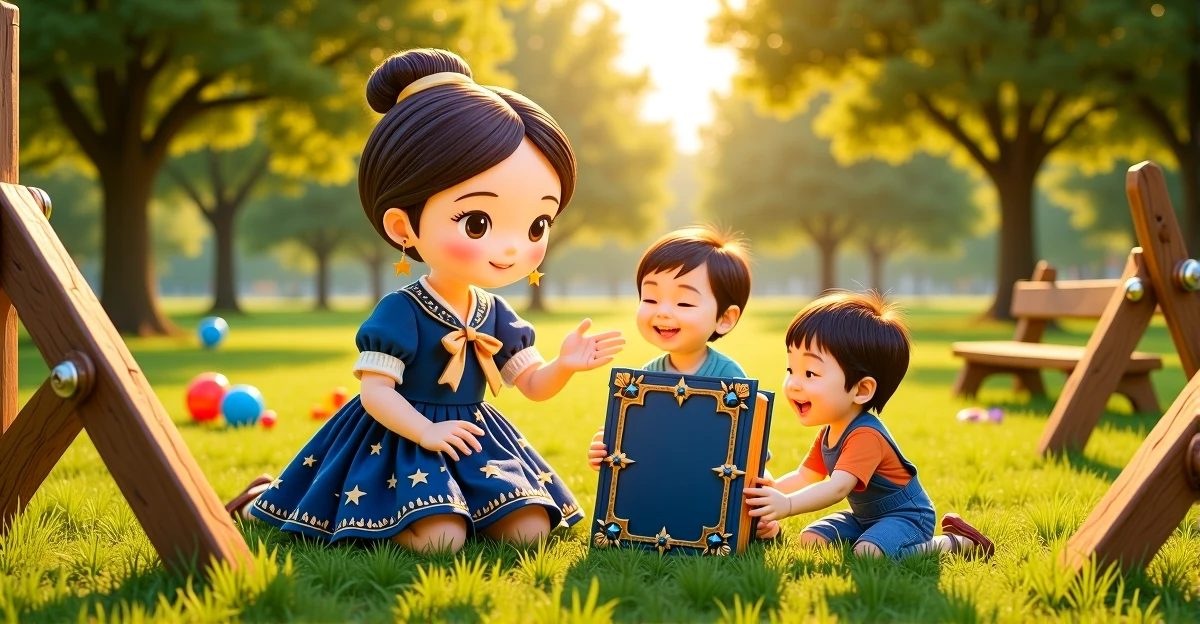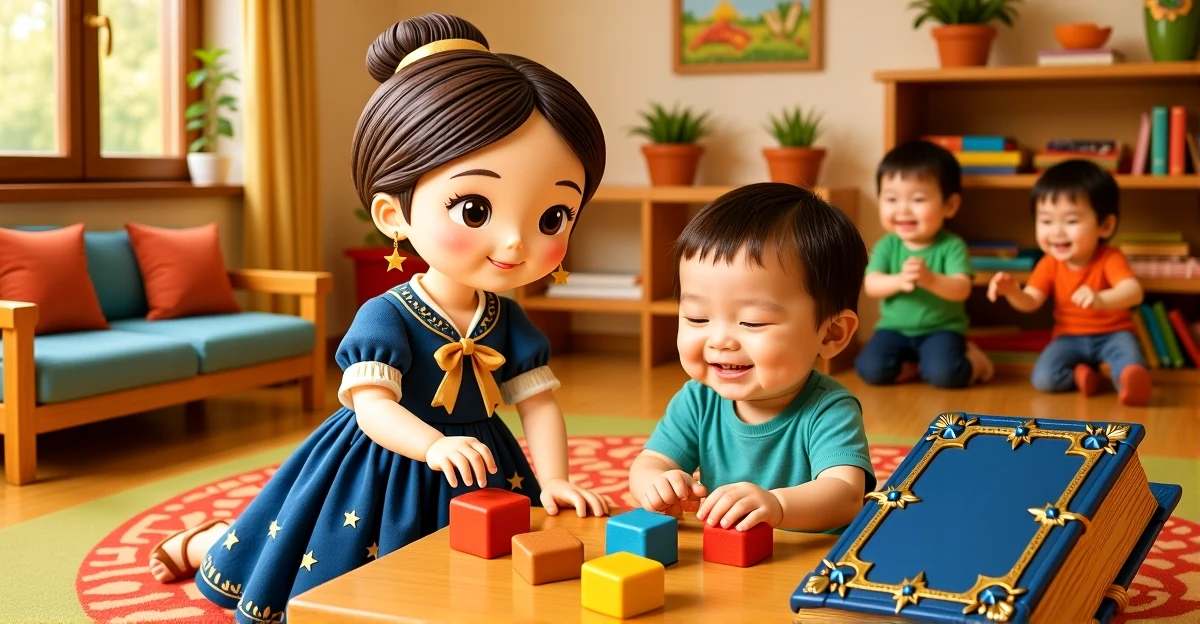

You arrive at preschool pickup, and there's your little one—sitting contentedly with blocks in the corner while a group of children play together nearby. Your heart does that little squeeze. Is something wrong? Should they be playing with the others? Why do they seem so happy alone when other children their age are already forming friendships?
My wonderful friend, let me tell you something BEAUTIFUL. What you're witnessing is not a problem. It's not a delay. It's not something to fix. What you're seeing is development unfolding exactly, perfectly, wonderfully as it should.
In this guide, we're going to explore the magical journey from parallel play to friendship that happens during ages 3-4. You'll discover what child development research tells us about this stage, why your child's solitary play is actually a sign of healthy development, and gentle ways you can support their emerging social skills. Plus, I'll share some beautiful stories from The Book of Inara that can help your child learn about friendship in the most magical way.
The Associate Play Stage: What's Really Happening
Here's what the Magic Book taught me, and what child development experts confirm: children between the ages of three and four are in what's called the associate play stage. This is a beautiful transitional time when children are moving from parallel play—where they play alongside others but not with them—to more interactive forms of play.
And here's the key part that I want you to really hear: During this stage, children might do activities related to the kids around them, but they might not actually be interacting directly with another child yet. They're watching. They're learning. They're absorbing. Their brilliant little minds are taking in SO much information about how friendships work, how to share space, how to navigate the complex world of peer relationships.
What This Looks Like in Real Life
Your child might:
- Play with blocks near other children who are also building, but not build together
- Watch group play from the sidelines with interest
- Engage in brief interactions (sharing a toy, making eye contact) but then return to solitary play
- Prefer one-on-one interactions with adults over peer play
- Show awareness of other children without actively joining them
All of this? Completely, beautifully, wonderfully normal for ages 3-4.
What Child Development Research Tells Us
The research on this topic is SO reassuring. Let me share what experts have discovered about social development in young children.
According to research from Pathways.org, which consulted expert pediatric physical and occupational therapists, associate play at ages 3-4 involves children starting to interact with others during play, though interaction is limited at this stage. Children at this age might do activities related to kids around them but might not actually be interacting directly with another child. This is a normal progression from parallel play to more cooperative forms of engagement.
"Children who are socially and emotionally healthy tend to demonstrate positive behaviors and continue to develop important skills including close relationships with caregivers and peers."
— National Association for the Education of Young Children
The American Academy of Pediatrics published groundbreaking research confirming that play has significant influences on children's social and academic outcomes. The social-emotional skills developed through play—even solitary play—are foundational for long-term success. Your child isn't missing out by playing alone. They're building essential neural pathways that will serve them for their entire lives.
Every Child Has Their Own Timeline
Here's what I want you to know with your whole heart: Every child moves through these developmental stages at their own pace. Some children leap into cooperative play earlier. Others take their time, observing and building confidence before they join in. Both paths are perfect. Both paths lead to friendship.
The Magic Book whispers this truth: Some children are like sunflowers, turning toward others immediately, soaking up social connection like sunshine. Other children are like moonflowers, taking their time, opening slowly, blooming in their own perfect moment. Both are beautiful. Both are exactly right.
Why This Stage is Actually Beautiful
I know it can feel worrying when you see your child playing alone. But let me reframe this for you in a way that might shift everything.
Your child is learning to navigate one of the most complex things humans do—connecting with other humans. And they're doing it at three or four years old! Can you imagine? Their little brains are working SO hard, processing so much information, building neural pathways for:
- Observation skills: Learning how other children interact by watching
- Emotional regulation: Managing their own feelings in social spaces
- Spatial awareness: Understanding how to share physical space with peers
- Social cues: Reading facial expressions, body language, and tone
- Confidence building: Developing the security to eventually join in
When you see your child playing alone, I want you to see THIS. I want you to see a child who is observing, learning, building confidence. I want you to see a child who is exactly where they need to be. I want you to see a child who is loved, supported, and perfectly on track.
Gentle Ways to Support Emerging Friendship Skills
While your child's solitary play is completely normal, there are some beautiful, gentle ways you can support their emerging social skills without pushing, without pressure, without making them feel like something is wrong with them.
1. Validate Their Experience
If your child tells you they played alone at preschool, you might say something like: "It sounds like you enjoyed your own special playtime today. What did you build with those blocks?" This honors their experience without suggesting that playing alone is somehow less valuable than playing with others.
2. Model Social Skills at Home
Play games that involve taking turns. Practice listening to each other without interrupting. Show them what it looks like to share, to ask politely, to express feelings with words. Children learn SO much by watching the people they love most. When you model warm, respectful social interactions, you're teaching them the foundation of friendship.
3. Create Gentle Social Opportunities
Maybe invite one friend over for a playdate—just one, so it's not overwhelming. Or visit the park and narrate what you see: "Look, that child is going down the slide. Would you like to try the slide too?" You're not forcing interaction, you're simply opening doors. You're creating low-pressure opportunities for your child to practice social engagement at their own pace.
4. Read Stories About Friendship
Stories are SUCH a powerful way for children to learn about social skills in a safe, magical space. When children see characters navigating friendships, learning to share, practicing listening, they're building a mental framework for their own social interactions. And the beautiful part? There's no pressure. No performance anxiety. Just wonder and learning.
5. Trust the Process
This is perhaps the most important one. Trust your child. Trust that they are exactly where they need to be on their unique journey. Research shows that children who receive patient, empathetic support during this phase show significantly better social competence and emotional regulation as they grow. Your gentle presence, your warm support, your belief in your child—all of this matters. All of this is helping your child build the foundation for a lifetime of healthy friendships.
Stories That Can Help
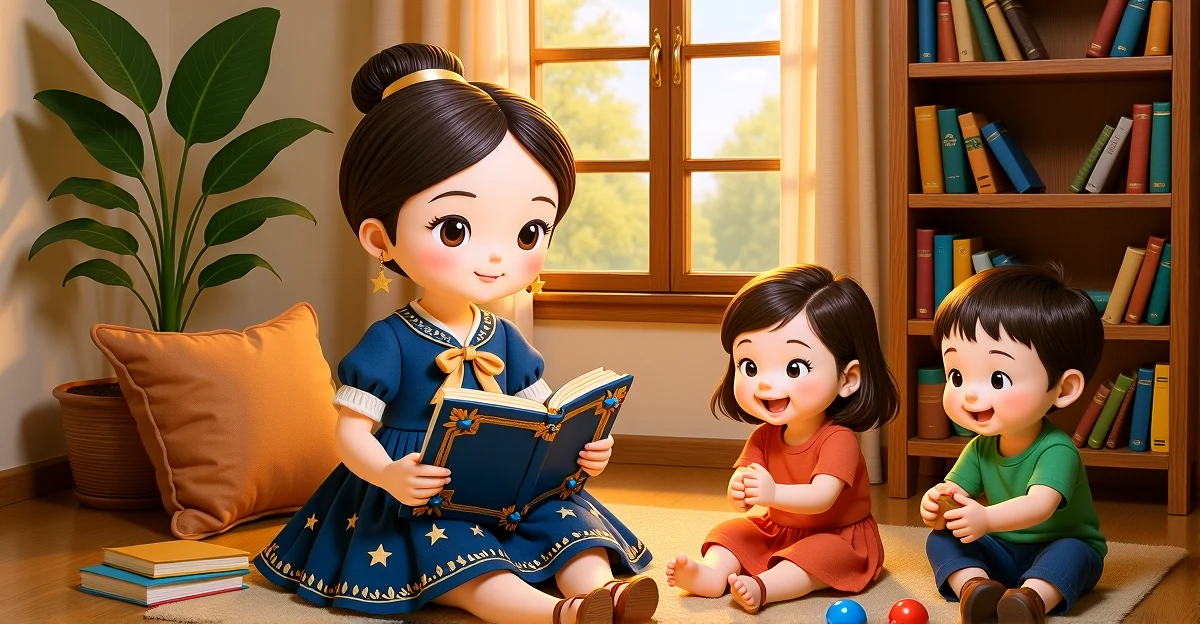
In The Book of Inara, we have beautiful stories that bring these concepts to life for your child. Stories that show children what listening looks like, what sharing feels like, what it means to connect with others. Let me share three that might be perfect for your little one right now:
The Listening Garden's Gentle Whispers
Perfect for: Ages 4-5
What makes it special: In this beautiful story, Ethan and Sofia discover a magical garden where plants teach them that listening with their hearts helps both flowers and friends feel truly understood and cared for. When Ethan and Sofia learn to really listen—not just with their ears, but with their whole hearts—the garden blooms in the most spectacular way.
Key lesson: This story teaches children that paying attention to others, really noticing them, is the first step to making friends. After you read this story together, you could practice listening games. Take turns sharing something and really listening without interrupting, just like the characters did in the magical garden.
The Playground That Listens to Hearts
Perfect for: Ages 4-5
What makes it special: This one is set in a playground environment, just like preschool, and it teaches something SO important about friendships. When Leo accidentally ruins Mia's nature collection, the playground equipment stops working properly until they discover that forgiveness makes everything feel lighter and happier.
Key lesson: This story shows children that making mistakes with friends is normal and fixable. That friendships can be mended. That playgrounds are places where hearts connect. You could use this story to talk about times when friends might accidentally hurt our feelings at preschool, and how saying sorry and forgiving helps everyone feel better and play together again.
Sweet Bear Shares His Honey
Perfect for: All ages
What makes it special: In this gentle tale, a kind bear discovers that sharing sweet honey with forest friends makes everything taste even sweeter. This story teaches sharing as a pathway to friendship. It shows children that offering to share is a wonderful way to connect with others.
Key lesson: Before preschool, you might remind your child that sharing toys or snacks can be a friendly way to start playing with other children, just like Sweet Bear shared his honey.
You're Doing Beautifully
My wonderful friend, I want you to take a deep breath right now. Your child is not behind. They are not struggling. They are learning, growing, and developing exactly as they should. And with your love and support, with stories that guide them gently, with patience and trust, they will build the friendship skills they need in their own perfect time.
The research is clear. The experts agree. And the Magic Book whispers this truth: Your child's journey from parallel play to friendship is unfolding beautifully. At ages 3-4, they are in the associate play stage—watching, learning, absorbing. They are building the foundation for a lifetime of meaningful connections.
And I want you to see yourself, too. A parent who cares so deeply that you're here, learning, seeking to understand. A parent who wants the very best for their child. A parent who is doing a BEAUTIFUL job.
The Magic Book and I are always here for you. Whenever you need encouragement, whenever you need a reminder that you're doing beautifully, we're here. And we have so many stories waiting to support you and your little one on this journey.
Thank you for being here today. Thank you for loving your child so deeply. Thank you for trusting the process.
With love and starlight,
Inara
Related Articles
- Teaching Manners Without Power Struggles: A Gentle Parenting Guide
- Understanding Your Child's Rough Play: A Gentle Guide to Teaching Empathy
- Building Friendship Skills in Young Children: A Gentle Guide for Parents
- When Your 3-4 Year Old Doesn't Notice Others' Feelings: Understanding Empathy Development
- Teaching Gentle Touch: Understanding Your Child's Tight Hugs (Ages 3-4)
Show transcript
Hello, my wonderful friend! It's me, Inara, and I am SO happy you're here today. You know, the Magic Book and I have been noticing something that many parents are experiencing, and I want you to know right from the start—you are not alone in this, and what you're seeing is actually quite beautiful.
Many parents have been asking about their three and four year old children who seem to prefer playing alone at preschool. Maybe you've noticed your little one sitting by themselves with blocks while other children play together nearby. Maybe the teacher mentioned that your child watches from the sidelines instead of joining group activities. And maybe, just maybe, your heart aches a little bit when you see this, wondering if something is wrong.
Let me tell you something WONDERFUL. What you're witnessing is not a problem. It's development unfolding exactly as it should.
The Magic Book has shown me something truly magical about how children learn to make friends, and I want to share this with you today. Because when you understand what's really happening in your child's beautiful, growing mind, everything shifts. The worry melts away, and in its place comes this deep knowing that your child is exactly where they need to be.
So grab a cozy cup of tea, settle in, and let's talk about the amazing journey from playing alone to building friendships—and how you can gently support your little one along the way.
First, let me share what child development experts have discovered. Research from organizations like the National Association for the Education of Young Children and the American Academy of Pediatrics tells us something fascinating. Children between the ages of three and four are in what's called the associate play stage. This is a beautiful transitional time when children are moving from parallel play—where they play alongside others but not with them—to more interactive forms of play.
And here's the key part. During this stage, children might do activities related to the kids around them, but they might not actually be interacting directly with another child yet. They're watching, learning, absorbing. Their brilliant little minds are taking in SO much information about how friendships work, how to share space, how to navigate the complex world of peer relationships.
This is completely, beautifully, wonderfully normal.
The Magic Book whispers this truth. Your child is not struggling. They are learning. And learning takes time, patience, and gentle support.
Now, I know what some of you might be thinking. But Inara, the other children seem to be playing together already. Why is my child different? And I want to honor that question with so much tenderness. Because here's what the research shows us. Every child moves through these developmental stages at their own pace. Some children leap into cooperative play earlier. Others take their time, observing and building confidence before they join in. Both paths are perfect. Both paths lead to friendship.
Child development experts emphasize that children who are socially and emotionally healthy demonstrate positive behaviors and continue to develop important skills, including close relationships with caregivers and peers. And you know what helps children develop these skills most? Warm, trusting relationships with the adults in their lives. When parents and teachers respond with empathy and model positive social behaviors, children develop the confidence and skills they need to successfully join others in play.
So what does this mean for you, my dear friend? It means that the most important thing you can do right now is exactly what you're already doing. Loving your child. Believing in them. Being their safe place.
And there are some gentle, beautiful ways you can support your child's emerging friendship skills without pushing, without pressure, without making them feel like something is wrong with them.
First, validate what they're experiencing. If your child tells you they played alone at preschool, you might say something like, It sounds like you enjoyed your own special playtime today. What did you build with those blocks? This honors their experience without suggesting that playing alone is somehow less valuable than playing with others.
Second, model social skills at home. Play games that involve taking turns. Practice listening to each other without interrupting. Show them what it looks like to share, to ask politely, to express feelings with words. Children learn so much by watching the people they love most.
Third, create opportunities for gentle social practice. Maybe invite one friend over for a playdate—just one, so it's not overwhelming. Or visit the park and narrate what you see. Look, that child is going down the slide. Would you like to try the slide too? You're not forcing interaction, you're simply opening doors.
And fourth, trust the process. Trust your child. Trust that they are exactly where they need to be on their unique journey.
Now, the Magic Book has something truly special to share with you. We have stories in The Book of Inara that can help your child learn about friendship in the gentlest, most magical way. Stories that show children what listening looks like, what sharing feels like, what it means to connect with others.
Let me tell you about three stories that might be perfect for your little one right now.
The first is called The Listening Garden's Gentle Whispers. In this beautiful story, Ethan and Sofia discover a magical garden where plants teach them that listening with their hearts helps both flowers and friends feel truly understood and cared for. When Ethan and Sofia learn to really listen—not just with their ears, but with their whole hearts—the garden blooms in the most spectacular way. And you know what? This story teaches children that paying attention to others, really noticing them, is the first step to making friends. After you read this story together, you could practice listening games. Take turns sharing something and really listening without interrupting, just like the characters did in the magical garden.
The second story is called The Playground That Listens to Hearts. This one is set in a playground environment, just like preschool, and it teaches something so important about friendships. When Leo accidentally ruins Mia's nature collection, the playground equipment stops working properly until they discover that forgiveness makes everything feel lighter and happier. This story shows children that making mistakes with friends is normal and fixable. That friendships can be mended. That playgrounds are places where hearts connect. You could use this story to talk about times when friends might accidentally hurt our feelings at preschool, and how saying sorry and forgiving helps everyone feel better and play together again.
And the third story is called Sweet Bear Shares His Honey. In this gentle tale, a kind bear discovers that sharing sweet honey with forest friends makes everything taste even sweeter. This story teaches sharing as a pathway to friendship. It shows children that offering to share is a wonderful way to connect with others. Before preschool, you might remind your child that sharing toys or snacks can be a friendly way to start playing with other children, just like Sweet Bear shared his honey.
These stories are not fixes. Your child does not need to be fixed. These stories are gentle guides. They're companions on the journey. They're ways to explore friendship in a safe, magical space where there's no pressure, no judgment, just wonder and learning.
You know what the Magic Book taught me? That every child has their own timeline for friendship. Some children are like sunflowers, turning toward others immediately, soaking up social connection like sunshine. Other children are like moonflowers, taking their time, opening slowly, blooming in their own perfect moment. Both are beautiful. Both are exactly right.
Your child is learning to navigate one of the most complex things humans do—connecting with other humans. And they're doing it at three or four years old! Can you imagine? Their little brains are working SO hard, processing so much information, building neural pathways that will serve them for their entire lives.
So when you see your child playing alone, I want you to see this. I want you to see a child who is observing, learning, building confidence. I want you to see a child who is exactly where they need to be. I want you to see a child who is loved, supported, and perfectly on track.
And I want you to see yourself, my dear friend. A parent who cares so deeply that you're here, learning, seeking to understand. A parent who wants the very best for their child. A parent who is doing a BEAUTIFUL job.
The research is clear. Children who receive patient, empathetic support during this phase show significantly better social competence and emotional regulation as they grow. And you know what that means? It means that your gentle presence, your warm support, your belief in your child—all of this matters. All of this is helping your child build the foundation for a lifetime of healthy friendships.
So take a deep breath, my wonderful friend. Your child is not behind. They are not struggling. They are learning, growing, and developing exactly as they should. And with your love and support, with stories that guide them gently, with patience and trust, they will build the friendship skills they need in their own perfect time.
The Magic Book and I are always here for you. Whenever you need encouragement, whenever you need a reminder that you're doing beautifully, we're here. And we have so many stories waiting to support you and your little one on this journey.
Thank you for being here today. Thank you for loving your child so deeply. Thank you for trusting the process.
Sweet dreams, my wonderful friend. Until our next adventure together. With love and starlight, Inara.