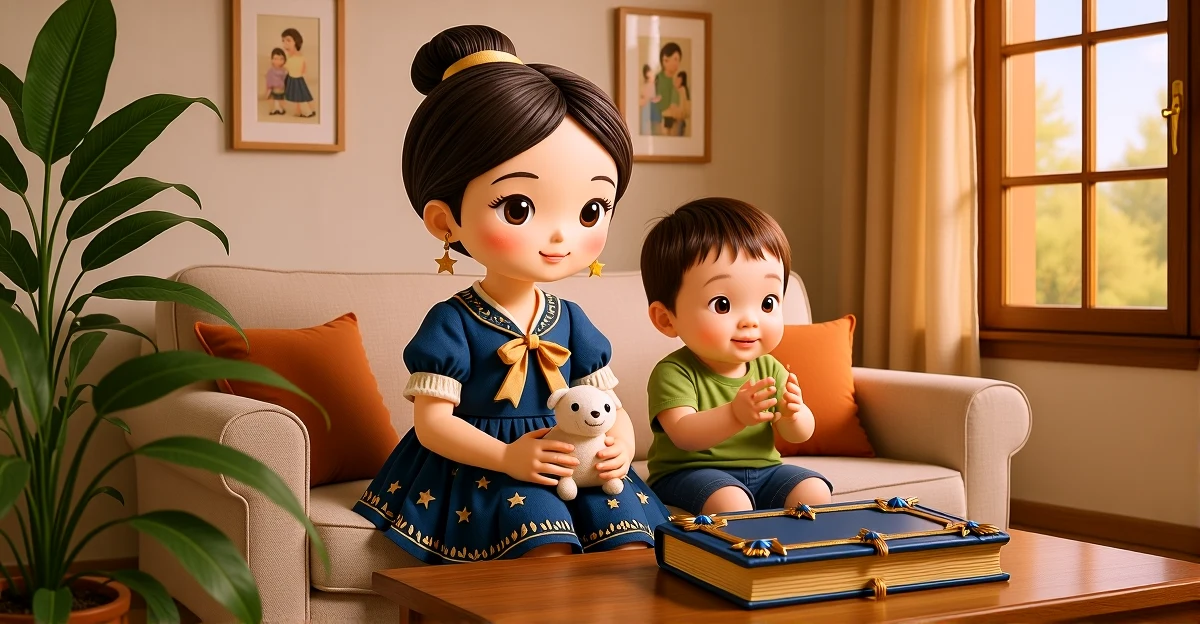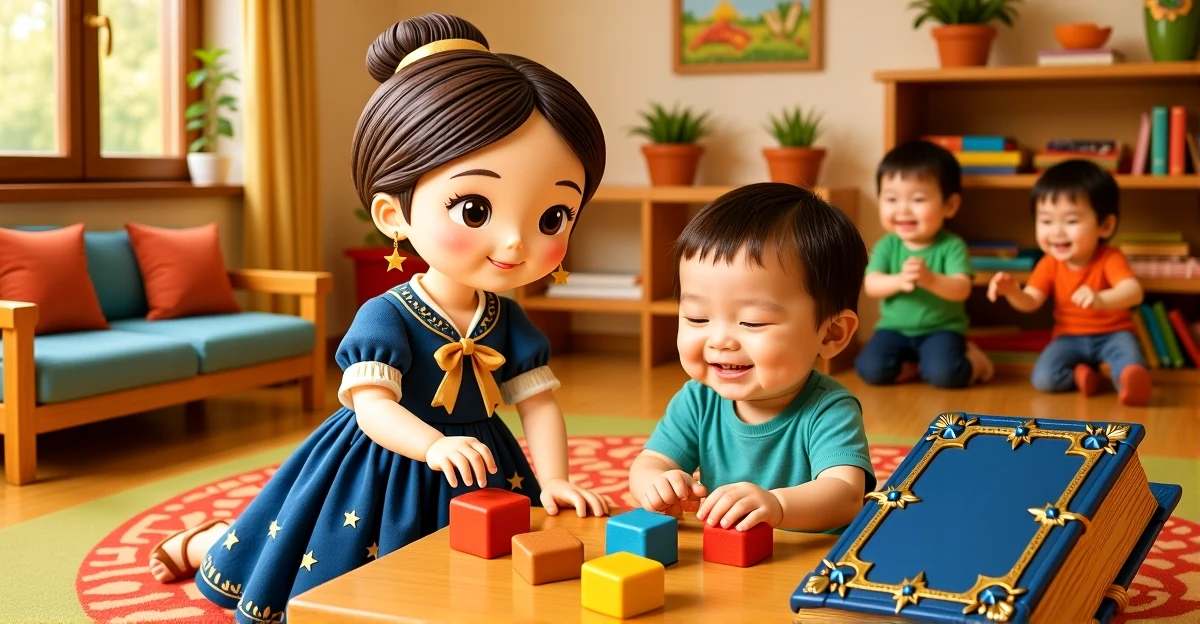

You're at the playground, and your child is playing with friends. Everything seems fine until you notice the play getting rougher. Your child is excited, energetic, having fun, but then a friend says stop. And your child keeps going. You step in, redirect, explain, but the next day it happens again. And you're thinking: why don't they understand? Why can't they see that their friend doesn't like this?
First, take a deep breath with me. You are not alone in this. This is one of the most common challenges parents of four and five year olds face, and here's something WONDERFUL: this isn't about your child being difficult or unkind. This is about development, and there is SO much we can do to help.
In this post, we're going to explore why this happens, what the research tells us, and most importantly, gentle strategies that actually work. Plus, I'll share some beautiful stories from The Book of Inara that can help your child learn these important skills through the magic of storytelling.
Understanding Why This Happens: The Developing Brain
When your child is four or five years old, their brain is doing something absolutely remarkable. They're building the neural pathways for empathy, for self-control, for reading social cues. But here's the thing that changes EVERYTHING: those pathways take time to develop. Years, actually.
Your child's prefrontal cortex, the part of the brain that helps with impulse control and perspective-taking, is still growing and won't be fully developed until they're in their twenties. Yes, you read that right. The part of the brain responsible for stopping in the moment, for thinking about how someone else feels, for controlling impulses, is still under construction.
So when your child is playing rough and doesn't stop when their friend says stop, they're not ignoring the boundary on purpose. They're genuinely learning how to notice, process, and respond to social cues in real time. And that is HARD work for a developing brain.
What This Means for Your Child
At ages 4-5, children are:
- Still developing the capacity for perspective-taking (understanding that others have different feelings and needs)
- Learning to read facial expressions and body language
- Building impulse control (the ability to stop their body when their mind says stop)
- Connecting actions to consequences in the moment
- Understanding abstract concepts like personal space and boundaries
All of these skills are emerging, but they're not fully formed yet. And that's completely normal and expected.
What Research Shows About Rough Play and Empathy Development
Here's something that might surprise you: research from child development experts shows us that rough and tumble play is actually developmentally appropriate and supports empathy development. Physical play helps children learn social skills and emotional regulation. The key is gentle, in-the-moment coaching.
You're not going to sit down with a 4-year-old and say, okay, this is what empathy means. You have to show them in the moment.
— Dr. Rachel Busman, PsyD, Clinical Psychologist at Child Mind Institute
This insight aligns with current understanding of how young children develop social awareness through experience rather than instruction. Your child learns boundary respect through your calm guidance, through practicing over and over again, through connecting their actions to others' feelings in real time.
Early childhood education research emphasizes that rough play situations are actually valuable learning opportunities when adults provide immediate, specific feedback. When properly guided, physical play teaches children to read social cues, understand their own strength, and develop empathy for others.
The Beautiful Truth About This Phase
Children who receive patient, consistent coaching during physical play develop better boundary awareness and empathy skills. This developmental phase, while challenging, creates the foundation for healthy social relationships throughout childhood and beyond. You're not just teaching your child to stop when someone says stop. You're teaching them how to be in relationship with others, how to balance their own needs with the needs of people around them, how to be both strong and gentle.
Gentle Strategies That Actually Work
So what does gentle, effective coaching look like in real life? Let me share some strategies that are backed by research and proven to help children learn boundary respect.
1. Validate Their Desire for Active Play
Your child's energy and enthusiasm are BEAUTIFUL. They're not trying to hurt anyone. They're exploring their body, testing their strength, connecting with friends through movement. So we start by honoring that.
You might say: "I can see you're having so much fun playing! Your body wants to move and be strong!"
This validation helps your child feel understood rather than shamed, which keeps their nervous system calm and ready to learn.
2. Help Them Notice the Other Person
This is where the learning happens. Get down to their level, use their name to get their attention, and help them see what you see.
You might say: "Look at Emma's face. Do you see how she's not smiling anymore? Her body is telling us she wants to play more gently now. Let's check in with her."
This teaches them to read social cues, to connect actions with feelings, to understand that other people have different comfort levels. And this takes practice. Lots and lots of practice.
3. Give Them Specific Language for Boundary-Setting
Four and five year olds are still learning how to use their words in the heat of the moment. So we teach them.
You can say: "When someone says stop, we stop right away. That's how we keep our friends safe and happy. Let's practice. I'll say stop, and you freeze your body. Ready?"
Make it playful. Make it a game. Practice when everyone is calm so that when emotions are high, they have that muscle memory to draw on.
4. Teach That Listening to Others Is a Superpower
When you can notice what someone else needs, when you can tune into their feelings, you have a special gift. Frame boundary awareness as a strength, not a restriction.
You might say: "You noticed that your friend wanted to play more gently, and you listened! That's being such a caring friend. That's a superpower!"
This reinforces the behavior you want to see more of and helps your child feel proud of their growing empathy skills.
5. Stay Calm and Intervene Early
Your calm presence is the most powerful teaching tool you have. When you stay regulated, your child can borrow your calm to help regulate themselves.
Don't wait until someone is crying or upset. As soon as you notice the play getting too rough, step in with curiosity and connection: "Hey, let's check in. Is everyone still having fun?"
6. Offer Alternatives
If rough play is too much right now, what else could they do with all that wonderful energy? Maybe it's time for a dance party, or a race outside, or some jumping jacks. Help them find appropriate outlets for their physical needs.
7. Celebrate the Wins
When you see your child pause, when they check in with a friend, when they stop right away, make a big deal out of it. "You noticed Emma wanted to play more gently, and you listened! That's being such a caring friend!"
This positive reinforcement builds neural pathways and makes them want to repeat that behavior.
What to Expect Over Time
Here's what consistent, gentle coaching looks like over time. You'll notice your child starting to pause before they act. You'll see them checking in with friends more often. You'll hear them using the language you've been teaching. It won't happen overnight, but it will happen.
And in the meantime, you're building something so much more important than perfect behavior. You're building trust. You're building connection. You're showing your child that you believe in their ability to learn and grow.
There will be mistakes. There will be moments when they forget, when they get too excited, when they don't notice soon enough. And that's okay. That's NORMAL. That's learning. Your job isn't to make them perfect. Your job is to be their gentle guide, their safe place to practice, their patient teacher.
Stories That Can Help
In The Book of Inara, we have beautiful stories that bring these concepts to life for your child. Stories are such a powerful way to teach empathy and boundary awareness because children can see themselves in the characters and learn through their experiences.
The Listening Heart Center
Perfect for: Ages 4-5
What makes it special: This story teaches children the power of quiet listening and noticing what others need. Ethan and Sofia discover a magical place where silence reveals inner wisdom and helps them understand what others truly need. When they learn that paying attention to others is a superpower, children discover that tuning into friends' feelings is a gift.
Key lesson: Listening to others with your whole heart helps you understand what they need, even when they don't use words. This directly supports learning to recognize when playmates say stop or show discomfort.
How to use it: After reading this story, create your own listening moments during play. Pause and ask your child: "How do you think your friend is feeling right now? What is their body telling us?" This builds the awareness needed for boundary respect.
You're Doing Beautifully
Remember, wonderful parent, your child is not playing too rough because they're bad or mean or difficult. They're playing rough because they're four or five years old, and they're learning one of life's most important skills: how to be in relationship with others.
With you as their guide, with stories as their gentle helpers, with patience and practice and time, they will learn. They absolutely will. The seeds you're planting now, with every calm intervention, with every moment you help them notice how their friend is feeling, with every celebration of their growing empathy, those seeds will bloom into something truly wonderful.
The Magic Book and I are here for you, every step of the way. Keep going, keep believing in your child, keep offering that gentle guidance. You're doing such important work, and you're doing it beautifully.
With love and starlight,
Inara
Related Articles
- Understanding Physical Affection Boundaries: Why Your Child Avoids or Over-Hugs
- When Your Child Plays Alone at Recess: Understanding Social Development (Ages 4-5)
- Teaching Your Child to Ask Permission: A Gentle Guide for Ages 4-5
- How Your 4-5 Year Old Learns Empathy: The Beautiful Science of Caring
- Helping Your 4-5 Year Old Build Friendship Skills: A Gentle Guide
Show transcript
Hello, wonderful parent! It's me, Inara, and I am so glad you're here today. You know, the Magic Book and I have been hearing from so many parents who are navigating something that feels really challenging. Maybe this sounds familiar. Your child is playing with friends or siblings, and things get a little too rough. They're excited, they're energetic, they're having fun, but then someone says stop, and your child just keeps going. And you're thinking, why don't they understand? Why can't they see that their friend doesn't like this?
First, I want you to take a deep breath with me, because you are not alone in this. This is one of the most common challenges parents of four and five year olds face, and here's something WONDERFUL. This isn't about your child being difficult or unkind. This is about development, and there is so much we can do to help.
Let me share what the Magic Book taught me about this beautiful, complex stage of learning. When your child is four or five years old, their brain is doing something absolutely remarkable. They're building the neural pathways for empathy, for self-control, for reading social cues. But here's the thing. Those pathways take time to develop. Years, actually. Your child's prefrontal cortex, the part of the brain that helps with impulse control and perspective-taking, is still growing and won't be fully developed until they're in their twenties.
So when your child is playing rough and doesn't stop when their friend says stop, they're not ignoring the boundary on purpose. They're genuinely learning how to notice, process, and respond to social cues in real time. And that is HARD work for a developing brain.
Research from child development experts shows us something really important. Rough and tumble play is actually developmentally appropriate and supports empathy development. I know that might sound surprising, but physical play helps children learn social skills and emotional regulation. The key is gentle, in-the-moment coaching.
Dr. Rachel Busman, a clinical psychologist at the Child Mind Institute, says something I think about all the time. She says, you're not going to sit down with a four year old and say, okay, this is what empathy means. You have to show them in the moment. And that is exactly right. Your child learns boundary respect through experience, through your calm guidance, through practicing over and over again.
So what does this look like in real life? Let's talk about some gentle strategies that actually work.
First, validate their desire for active play. Your child's energy and enthusiasm are BEAUTIFUL. They're not trying to hurt anyone. They're exploring their body, testing their strength, connecting with friends through movement. So we start by honoring that. You might say something like, I can see you're having so much fun playing! Your body wants to move and be strong!
Then, we help them notice the other person. This is where the learning happens. Get down to their level, use their name to get their attention, and help them see what you see. You might say, look at Emma's face. Do you see how she's not smiling anymore? Her body is telling us she wants to play more gently now. Let's check in with her.
This is teaching them to read social cues, to connect actions with feelings, to understand that other people have different comfort levels. And this takes practice. Lots and lots of practice.
Next, give them specific language for boundary-setting. Four and five year olds are still learning how to use their words in the heat of the moment. So we teach them. You can say, when someone says stop, we stop right away. That's how we keep our friends safe and happy. Let's practice. I'll say stop, and you freeze your body. Ready?
Make it playful. Make it a game. Practice when everyone is calm so that when emotions are high, they have that muscle memory to draw on.
And here's something the Magic Book showed me that changed everything for so many families. We teach children that listening to others is a superpower. When you can notice what someone else needs, when you can tune into their feelings, you have a special gift. And there's a story in The Book of Inara that shows this so beautifully.
It's called The Listening Heart Center, and it's about Ethan and Sofia who discover a magical place where quiet listening helps people understand what others truly need. In the story, they learn that when you pause and really pay attention, you can hear what someone's heart is saying, even if they're not using words. And that silence, that noticing, reveals inner wisdom.
After you read this story with your child, you can create your own listening moments. During play, pause and ask, how do you think your friend is feeling right now? What is their body telling us? This builds the awareness that makes boundary respect possible.
Another story that helps with this is The Shy Plant's Garden Song. In this one, Ethan and Maeva discover a lonely plant in a magical greenhouse, and they learn to include it with gentle touches and caring. The whole garden creates more beautiful music when everyone is treated with gentleness. It's such a lovely metaphor for how our relationships bloom when we're kind and attentive to each other's needs.
Now, I want to talk about something really important. When your child is learning these skills, there will be mistakes. There will be moments when they forget, when they get too excited, when they don't notice soon enough. And that's okay. That's NORMAL. That's learning.
Your job isn't to make them perfect. Your job is to be their gentle guide, their safe place to practice, their patient teacher. And you're doing that beautifully, even on the hard days.
Here's what consistent, gentle coaching looks like over time. You'll notice your child starting to pause before they act. You'll see them checking in with friends more often. You'll hear them using the language you've been teaching. It won't happen overnight, but it will happen.
And in the meantime, you're building something so much more important than perfect behavior. You're building trust. You're building connection. You're showing your child that you believe in their ability to learn and grow.
The research is so clear on this. Children who receive patient, consistent coaching during physical play develop better boundary awareness and empathy skills. This developmental phase, while challenging, creates the foundation for healthy social relationships throughout childhood and beyond.
So let's talk about what you can do today, right now, to support your child's learning.
First, stay calm. I know that's easier said than done, especially when you're worried about other children getting hurt or you're feeling embarrassed. But your calm presence is the most powerful teaching tool you have. When you stay regulated, your child can borrow your calm to help regulate themselves.
Second, intervene early and gently. Don't wait until someone is crying or upset. As soon as you notice the play getting too rough, step in with curiosity and connection. Hey, let's check in. Is everyone still having fun? This teaches them to monitor the situation themselves.
Third, offer alternatives. If rough play is too much right now, what else could they do with all that wonderful energy? Maybe it's time for a dance party, or a race outside, or some jumping jacks. Help them find appropriate outlets for their physical needs.
And fourth, celebrate the wins. When you see your child pause, when they check in with a friend, when they stop right away, make a big deal out of it. You noticed Emma wanted to play more gently, and you listened! That's being such a caring friend! This reinforces the behavior you want to see more of.
Remember, my wonderful friend, your child is not playing too rough because they're bad or mean or difficult. They're playing rough because they're four or five years old, and they're learning one of life's most important skills. How to be in relationship with others. How to balance their own needs and desires with the needs and desires of the people around them. How to be both strong and gentle, both enthusiastic and aware.
And with you as their guide, with stories as their gentle helpers, with patience and practice and time, they will learn. They absolutely will.
The Magic Book and I are here for you, every step of the way. And The Book of Inara has so many stories that support this learning, stories about listening, about gentleness, about friendship and empathy and caring for others.
You're doing such important work, and you're doing it beautifully. Keep going, keep believing in your child, keep offering that gentle guidance. The seeds you're planting now will bloom into something truly wonderful.
With love and starlight, Inara.