
Hello, wonderful parent! If your four or five year old is learning to make friends and navigate social situations, I want to start by saying something really important: You are witnessing one of life most precious learning journeys. And you are doing beautifully.
Maybe you have noticed your child standing on the sidelines at the playground, unsure how to join the other children. Or perhaps they have come home from preschool saying no one wants to play with them. Maybe they struggle with sharing, or do not know how to ask for a turn, or get upset when a friend wants to play with someone else. If any of this sounds familiar, you are not alone. This is one of the MOST common challenges parents of preschoolers face.
Here is what I want you to know. Your child desperately wants friends. They want connection SO much. But here is the beautiful truth: they are still learning how. And in this guide, we are going to explore why this happens, what research tells us about friendship development at this age, and most importantly, gentle strategies you can use to support your child on this journey.
The Beautiful Truth About Ages 4-5 and Friendship
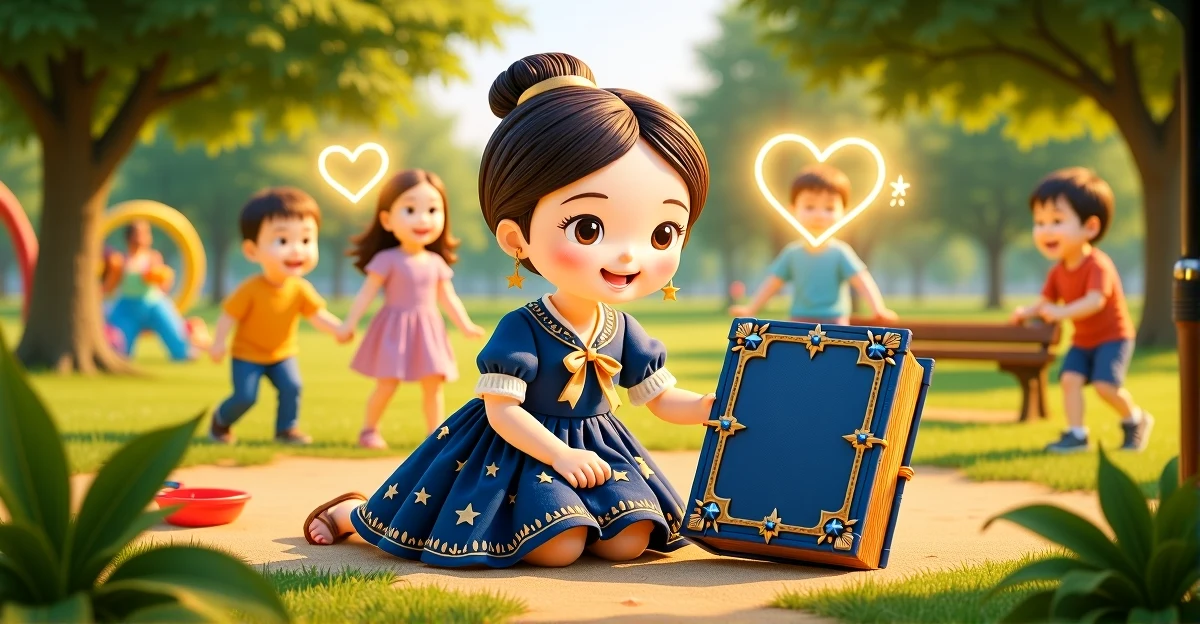
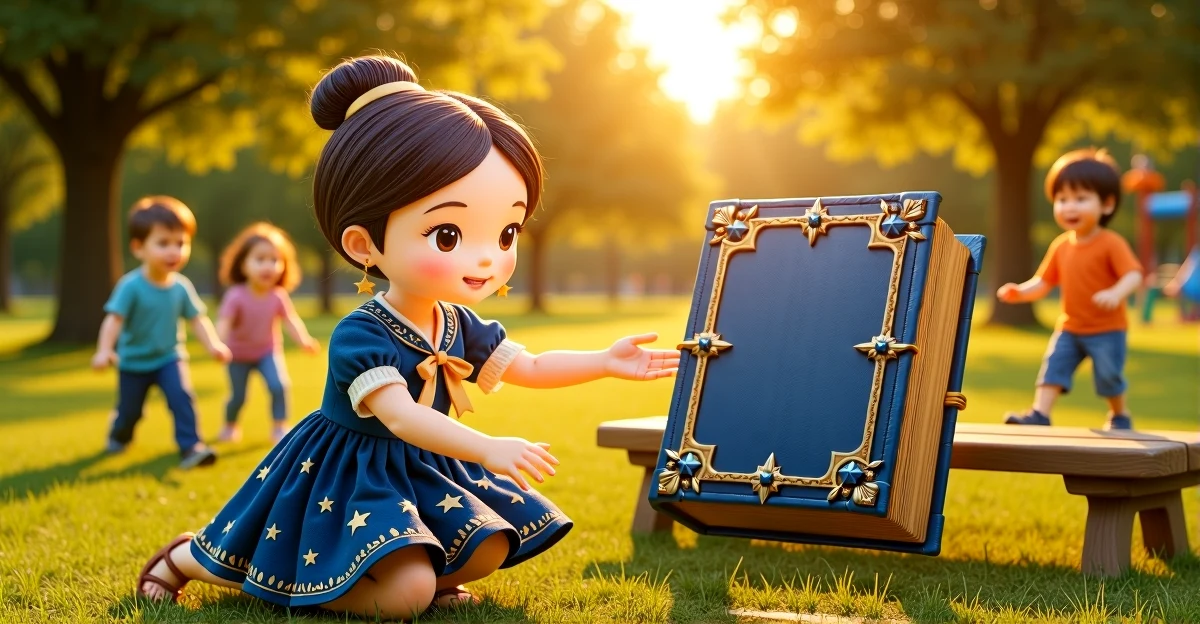
Let me share something the Magic Book taught me that changed everything I understood about young children and friendship. Your four or five year old has a heart full of love and longing for connection. They watch other children playing and they WANT to be part of it. They see friendships forming and they want that too. This desire for friendship is real, powerful, and completely normal.
But here is what makes this age so special and sometimes challenging. While their hearts are ready for friendship, their developing brains are still building the social skills toolbox they need. Think of it this way: they know they want to build a beautiful sandcastle with another child, but they are still learning which tools to use and how to use them together.
Research shows us something wonderful. Ages four and five represent a critical window for social skills development. At this age, children are naturally motivated to make friends. They are drawn to other children. They want to play together, share experiences, and form connections. This motivation is a gift. It means they are ready to learn.
But studies also show that preschoolers often lack the developmental toolbox to understand social norms, use appropriate problem-solving skills, or think through challenging social situations. And this is completely normal. This is development unfolding exactly as it should.
What Research Tells Us About Preschool Friendships
Gerard Visco, an expert in early childhood education, observes something beautiful about this age. He notes that preschoolers do not have the toolbox to understand social norms, use appropriate problem-solving skills, or think through an adverse situation. As desperately as they want friends, sometimes preschoolers do not know how to treat them.
Isn't that profound? They WANT friendship so much. They are just learning the how.
Research from the National Association for the Education of Young Children shows us that children who are socially and emotionally healthy tend to demonstrate several important behaviors. They care about friends. They show interest in others. They express wishes and preferences clearly. And here is the WONDERFUL part: these skills can be taught. They can be modeled. They can be nurtured.
Children who have trusting relationships with their teachers and parents are more willing to ask questions, solve problems, try new tasks, and express their thinking than their peers without such relationships.
— Dr. Jeannie Ho and Suzanne Funk, National Association for the Education of Young Children
This tells us something powerful. When we respond with warmth, model appropriate social behaviors, and provide intentional coaching during peer interactions, children develop stronger social confidence and more positive peer relationships. You have SO much power to help your child on this journey.
What This Means for Your Child
When your child struggles to share, or has trouble taking turns, or does not know how to join a group of playing children, they are not being difficult. They are learning. They are building skills that will serve them for their entire lives.
At ages four and five, children can follow simple social rules. They can learn to give praise and apologize. They can develop foundational friendship skills through guided practice and modeling. But they need our gentle guidance to get there.
Gentle Strategies to Support Your Child Friendship Development
The consensus among child development experts is clear. Social skills are learned abilities that flourish when adults create trusting relationships, demonstrate gentle behavior, and provide children with specific strategies for navigating the complex world of friendship.
Here are some beautiful, research-backed strategies you can use:
1. Model Friendship Behaviors Yourself
Your child is watching you. When they see you being kind to others, using gentle words, showing empathy, they are learning. They are watching how friendship works in the real world. Show them what it looks like to be a good friend. Let them see you apologizing when you make a mistake. Let them hear you expressing gratitude. Let them witness you working through a disagreement with kindness.
2. Coach Gently in the Moment
When you see your child struggling with a social situation, you can gently guide them. You might say, I notice you want to play with that toy. What words could you use to ask your friend? Or, I see you are feeling upset. Can you tell your friend how you feel with your words?
This gentle coaching helps children build their social skills toolbox one interaction at a time. You are not solving the problem for them. You are showing them the tools they can use.
3. Teach That Friendships Can Include Disagreements
This is SO important. Help your child understand that friends can be mad at each other and still be friends. That friends do not always have to play together. That friends can have other friends. These concepts might seem simple to us, but for a four or five year old, they are revolutionary.
When your child says, She is not my friend anymore because she would not share, you can gently respond, It sounds like you are feeling upset right now. Friends can feel upset with each other and still be friends. What could you do to feel better?
4. Create Opportunities for Social Practice
Arrange playdates with one or two children at a time. Small groups are less overwhelming and give your child more opportunities to practice their emerging social skills. Stay nearby to offer gentle coaching if needed, but try to let them navigate the interaction themselves as much as possible.
5. Read Stories That Show Friendship in Action
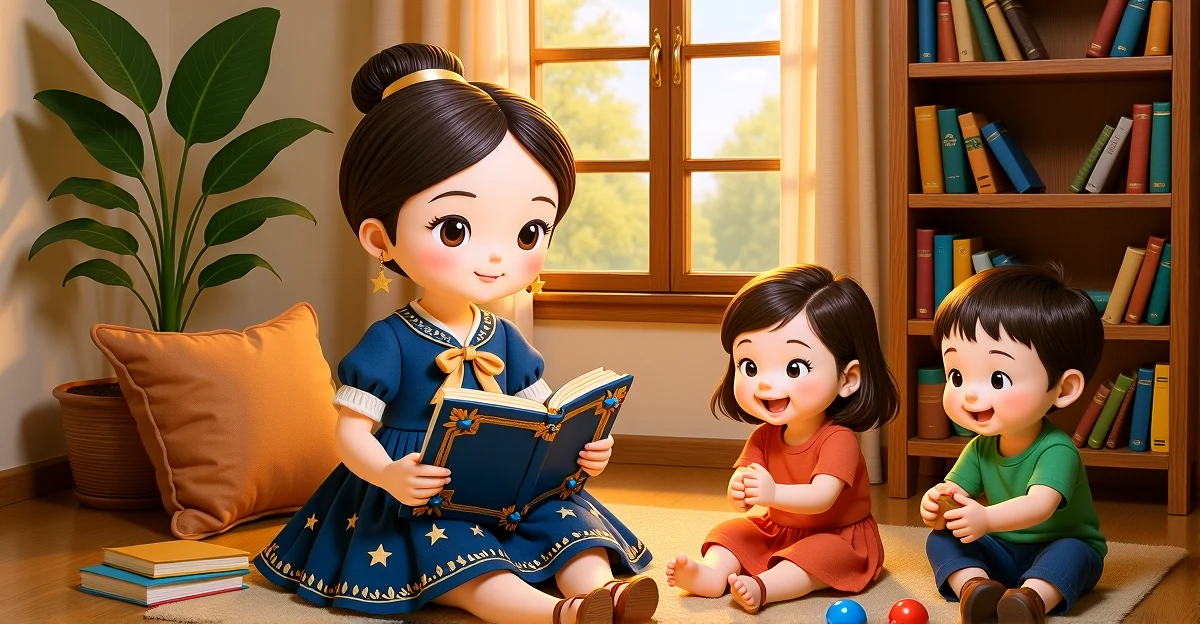
Stories are such powerful teachers. When children see characters navigating friendship challenges, working through disagreements, showing loyalty and caring, they are learning the language and patterns of healthy relationships. Stories give children a safe way to explore social situations and see how different friendship scenarios can unfold.
A Story That Can Help
In The Book of Inara, we have a beautiful story that brings these friendship concepts to life for your child:
The Wind in the Willows: A Tale of Friendship
Perfect for: Ages 4-5
What makes it special: This classic story beautifully demonstrates how friendships work through the adventures of Mole, Rat, Toad, and Badger. It shows children that friends can be different from each other. Mole is gentle and cautious. Rat is adventurous and kind. Toad is impulsive and makes mistakes. Badger is wise and steady. And yet, they are all friends. They care for each other. They help each other. They work through challenges together.
Key teaching moment: There is a particularly beautiful moment in the story when the friends work together to help Toad despite his mistakes. Children learn that true friendship means supporting each other even when someone makes poor choices, and that friends can gently guide each other toward better behavior.
How to use this story: After reading, talk with your child about how the characters showed friendship. Ask questions like, What did Rat do to help Mole feel welcome? or How did the friends help Toad when he was in trouble? These conversations help your child identify and name friendship behaviors they can practice with their own peers.
You Are Doing Beautifully
Here is what I want you to remember, wonderful parent. Your four or five year old is on a beautiful journey. They are learning one of life most important skills. They are discovering how to connect with others, how to navigate the give and take of relationships, how to be a friend and have friends.
There will be bumps along the way. There will be moments of struggle. There will be times when they do not know what to say or how to join in or how to work through a disagreement. And that is okay. That is learning. That is growth.
Your job is not to make it perfect. Your job is to be their gentle guide. To model kindness. To coach them with warmth. To validate their feelings. To help them build the skills they need, one interaction at a time.
You are raising a child who will know how to connect with others, how to build meaningful relationships, how to navigate the social world with confidence and kindness. And that is one of the greatest gifts you can give.
The Magic Book and I are always here for you. With love and starlight, Inara.
Related Articles
- Understanding Physical Affection Boundaries: Why Your Child Avoids or Over-Hugs
- Building Confidence in Young Performers: A Gentle Guide for Ages 4-5
- Building Friendship Skills in Young Children: A Gentle Guide for Parents
- When Your Child Plays Alone at Recess: Understanding Social Development (Ages 4-5)
- When Your Child Can't Speak Outside Home: Understanding Selective Mutism
Show transcript
Hello, wonderful parent! It's me, Inara, and I am so happy you're here today. You know, the Magic Book and I have been noticing something beautiful happening in homes all around the world. Parents like you are asking such thoughtful questions about helping their children build friendships, and I want you to know, this is one of the MOST important gifts you can give your child.
If your four or five year old is learning to make friends and navigate social situations, I want to start by saying something really important. You are doing beautifully. Your child is exactly where they need to be. And what you're witnessing right now, this sometimes awkward, sometimes challenging process of learning friendship, this is one of life's most precious learning journeys.
Let me share something the Magic Book taught me that changed everything I understood about young children and friendship. Are you ready? Here it is. Your four or five year old desperately wants friends. They want connection SO much. But here's the beautiful truth, they're still learning how. Their little hearts are full of love and longing for friendship, but their developing brains are still building the toolbox of social skills they need.
Research shows us something wonderful. Ages four and five represent a critical window for social skills development. At this age, children are naturally motivated to make friends, but they're still learning how to navigate peer relationships successfully. Studies demonstrate that children at this age can follow simple social rules, learn to give praise and apologize, and develop foundational friendship skills through guided practice and modeling.
But here's what the experts want you to know. Preschoolers often lack the developmental toolbox to understand social norms, use appropriate problem-solving skills, or think through challenging social situations. And this is completely normal. This is development unfolding exactly as it should.
Gerard Visco, an expert in early childhood education, observes that preschoolers don't have the toolbox to understand social norms, use appropriate problem-solving skills, or think through an adverse situation. As desperately as they want friends, sometimes preschoolers don't know how to treat them. Isn't that beautiful? They WANT friendship so much, they're just learning the how.
So what does this mean for you, wonderful parent? It means that when your child struggles to share, or has trouble taking turns, or doesn't know how to join a group of playing children, they're not being difficult. They're learning. They're building skills that will serve them for their entire lives.
Research from the National Association for the Education of Young Children shows us that children who are socially and emotionally healthy tend to demonstrate several important behaviors, including caring about friends, showing interest in others, and expressing wishes and preferences clearly. And here's the WONDERFUL part, these skills can be taught. They can be modeled. They can be nurtured.
When parents and educators respond with warmth, model appropriate social behaviors, and provide intentional coaching during peer interactions, children develop stronger social confidence and more positive peer relationships. You have so much power to help your child on this journey.
Let me share some gentle strategies that the Magic Book and research both tell us work beautifully. First, model friendship behaviors yourself. When your child sees you being kind to others, using gentle words, showing empathy, they're learning. They're watching how friendship works in the real world.
Second, coach them gently in the moment. When you see your child struggling with a social situation, you can gently guide them. You might say, I notice you want to play with that toy. What words could you use to ask your friend? Or, I see you're feeling upset. Can you tell your friend how you feel with your words?
Third, teach them that friendships can include disagreements. This is SO important. Help them understand that friends can be mad at each other and still be friends. That friends don't always have to play together. That friends can have other friends. These concepts might seem simple to us, but for a four or five year old, they're revolutionary.
Fourth, read stories together that show friendship in action. Stories are such powerful teachers. When children see characters navigating friendship challenges, working through disagreements, showing loyalty and caring, they're learning the language and patterns of healthy relationships.
And speaking of stories, let me tell you about one that the Magic Book holds especially dear. It's called The Wind in the Willows, A Tale of Friendship. This classic story beautifully demonstrates how friendships work through the adventures of Mole, Rat, Toad, and Badger.
What makes this story so special for teaching friendship skills? It shows children that friends can be different from each other. Mole is gentle and cautious. Rat is adventurous and kind. Toad is impulsive and makes mistakes. Badger is wise and steady. And yet, they're all friends. They care for each other. They help each other. They work through challenges together.
There's a particularly beautiful moment in the story when the friends work together to help Toad despite his mistakes. Children learn that true friendship means supporting each other even when someone makes poor choices, and that friends can gently guide each other toward better behavior. This is such an important lesson.
After reading this story with your child, you can talk about how the characters showed friendship. You might ask, What did Rat do to help Mole feel welcome? Or, How did the friends help Toad when he was in trouble? These conversations help your child identify and name friendship behaviors they can practice with their own peers.
The consensus among child development experts is clear. Social skills are learned abilities that flourish when adults create trusting relationships, demonstrate gentle behavior, and provide children with specific strategies for navigating the complex world of friendship.
So here's what I want you to remember, wonderful parent. Your four or five year old is on a beautiful journey. They're learning one of life's most important skills. They're discovering how to connect with others, how to navigate the give and take of relationships, how to be a friend and have friends.
There will be bumps along the way. There will be moments of struggle. There will be times when they don't know what to say or how to join in or how to work through a disagreement. And that's okay. That's learning. That's growth.
Your job isn't to make it perfect. Your job is to be their gentle guide. To model kindness. To coach them with warmth. To validate their feelings. To help them build the skills they need, one interaction at a time.
And the Magic Book and I are here to help. We have stories that show friendship in all its beautiful complexity. Stories that teach children how to be kind, how to share, how to work through disagreements, how to be loyal and caring friends.
You're doing such important work, wonderful parent. You're raising a child who will know how to connect with others, how to build meaningful relationships, how to navigate the social world with confidence and kindness. And that is one of the greatest gifts you can give.
The Magic Book and I are always here for you. Until our next adventure together, with love and starlight, Inara.