
Maybe you've noticed your five or six year old hiding behind you when other children approach at the playground. Maybe their teacher mentioned that they won't speak to classmates, even though you know they have SO much to say at home. Maybe they're avoiding social activities altogether, and you're lying awake at night wondering what's happening inside their beautiful heart.
First, I want you to take a deep breath with me. What you're seeing isn't defiance. It isn't stubbornness. And it absolutely isn't something you've done wrong. You're not alone in this, and your child isn't alone either.
In this guide, we're going to explore what's really happening when young children experience social anxiety, what research tells us about this developmental phase, and most importantly, the gentle strategies that actually help children build authentic confidence at their own pace.
Understanding Social Anxiety in Kindergarten Age Children
Here's what's magical about ages five and six: this is when children are navigating one of the most significant transitions of their young lives. They're moving from the familiar safety of home into formal schooling, where suddenly they're expected to navigate complex peer dynamics, follow group instructions, and manage social interactions without you right beside them.
And for some children, this feels absolutely overwhelming.
Research from the University of Waterloo shows us something fascinating. When children around ages five and six experience significant social anxiety and withdrawal from peer interactions, they're actually in a critical developmental period where social demands intensify dramatically. Dr. Kristie Poole, who studied children's social anxiety patterns for years, discovered that there are different pathways to social fearfulness.
Some children, about fifteen to seventeen percent, show temperament-based social anxiety that emerges early and remains relatively stable. These are the children who've always been a bit more cautious, a bit more observant, taking their time to warm up to new situations. And you know what? That's not a flaw. That's their beautiful, thoughtful temperament showing itself.
What Social Anxiety Looks Like in Young Children
Social anxiety in kindergarten age children can show up in many ways:
- Refusing to speak to classmates or teachers, even though they talk freely at home
- Hiding during group activities or social events
- Clinging to parents when other children approach
- Physical symptoms like stomachaches or headaches before school
- Avoiding eye contact with peers
- Participating through gestures or nods rather than words
- Playing alone rather than joining group activities
If you're seeing these behaviors, your child isn't choosing to be difficult. They're experiencing genuine anxiety that makes social interaction feel scary and overwhelming.
The Truth About Selective Mutism
What parents often describe as a child who "won't speak to classmates and hides during social activities" may reflect selective mutism, an anxiety disorder closely linked to social anxiety that typically emerges around kindergarten age.
The Child Mind Institute explains that selective mutism is an anxiety disorder that prevents children from speaking in certain social situations, particularly at school, despite speaking comfortably at home. And here's what's SO important to understand: these children aren't being defiant or choosing silence.
Children with selective mutism often have underlying social anxiety disorder and benefit from gentle, patient approaches that validate their feelings rather than forcing speech.
— Child Mind Institute
When your child's throat tightens, when their heart races, when the words simply won't come no matter how much they want them to, they're experiencing a genuine anxiety response. Their developing brain is telling them that this social situation feels dangerous, even when logically it isn't.
This isn't rare. This isn't unusual. This is a completely normal response to what feels, to their developing nervous system, like an overwhelming social demand.
What Research Tells Us About Supporting Socially Anxious Children
Now, I know what you might be thinking. You might be worried about their future. You might be wondering if this will affect their friendships, their learning, their confidence. And I want to tell you something that research has shown us again and again:
Children whose parents respond with patience, validation, and gentle support rather than pressure develop stronger emotional regulation skills and show reduced anxiety over time.
Let me say that again, because it's THAT important. Your gentle, understanding response right now is exactly what helps your child move through this phase with their confidence intact.
The National Center for Biotechnology Information confirms that validating children's feelings rather than dismissing their fears builds trust and supports healthy emotional development. So when your child says they're scared to talk to other kids, the most powerful thing you can say is:
"I understand. That does feel scary. I'm right here with you."
Not "there's nothing to be scared of." Not "just go talk to them." But "I see you. I understand. We'll figure this out together."
Why Pressure Doesn't Work
When we pressure children to "just speak up" or "stop being shy," we're actually reinforcing their anxiety. We're teaching them that their feelings are wrong, that they should be able to override their nervous system through willpower alone, and that they're disappointing us.
But when we validate their feelings and support them gently, we're teaching them that emotions are manageable, that they're not alone in navigating these big feelings, and that we trust them to grow at their own pace.
Gentle Strategies That Build Social Confidence
So what can you do right now, today, to support your child? Here are research-backed strategies that actually work:
1. Collaborate With Your Child's Teacher
Share what you're seeing at home and what you know about your child. Explain that your child isn't being defiant or rude. They're experiencing anxiety, and they need gentle, gradual support.
Ask about small steps. Maybe your child can start by whispering to one trusted friend. Maybe they can participate through gestures or nods before words come. The Child Mind Institute emphasizes that treatment focuses on gradually building confidence through behavioral approaches, never forcing speech.
2. Celebrate Every Tiny Step Forward
Did your child make eye contact with a classmate? That's huge. Did they wave instead of hiding? That's progress. Did they whisper one word when last week they were silent? That's a victory worth celebrating.
Because confidence builds slowly, one small brave moment at a time. When we celebrate these micro-victories, we're showing our children that we see their effort, we value their courage, and we believe in their ability to grow.
3. Create Low-Pressure Social Opportunities
Invite one child over for a playdate in your home, where your child feels safe. Let them play side by side before expecting conversation. Let them warm up at their own pace.
Research shows that children develop social confidence when they're given time and space to practice in environments that feel secure. Your home is the perfect place for this gentle practice.
4. Model Authentic Communication
Talk about your own feelings openly. Share when you feel nervous about social situations. Show your child that everyone experiences these feelings sometimes, and that being authentic about our emotions is brave and beautiful.
5. Never Force Speech or Interaction
Resist the urge to say "say hello" or "answer the question" when your child is frozen with anxiety. Instead, give them an out: "Would you like me to answer for you?" or "You can wave if you're not ready to talk yet."
This shows them that you respect their feelings and that they have agency over their own communication.
6. Take Care of Yourself
I know this is hard. I know you might feel worried or frustrated or scared for your child's future. But you're doing beautifully. You're seeking information. You're trying to understand. You're showing up with love and patience.
That's exactly what your child needs. And taking care of your own emotional wellbeing ensures you can continue showing up with that gentle, patient energy.
Stories That Can Help
In The Book of Inara, we have beautiful stories that bring these concepts to life for your child. Stories create a safe space for children to explore big feelings and learn new skills without pressure.
The Friendship Frequency
Perfect for: Ages 4-5 (and wonderful for 5-6 year olds too!)
What makes it special: Ethan and Sofia discover a magical emergency radio that only works when they speak from their hearts, when they're being completely authentic, even when that feels vulnerable. This story beautifully addresses authentic communication and being yourself with friends, which directly supports children experiencing social anxiety.
Key lesson: Real friendship means speaking from the heart even when it feels scary. When we're authentic, even when that feels vulnerable, we create real connection.
After reading together: You can talk with your child about how everyone feels nervous sometimes when making friends, and that being yourself is the bravest and best way to connect with others. You can help your child understand that their feelings are valid, that taking time to warm up is perfectly fine, and that real friendship happens when we're authentic, not when we're trying to be someone we're not.
You're Doing Beautifully
Here's the beautiful truth that I want you to hold close to your heart: Your child isn't broken. They're learning. They're developing at their own pace, in their own way. And with your support, they're building the foundation for lifelong emotional health.
Every child blooms in their own time, in their own way. Some children burst into social situations with immediate confidence. Others take their time, observing, learning, slowly building the courage to step forward. And both paths are perfectly valid. Both paths lead to connection and friendship and joy.
Your child's journey might look different from other children's journeys. And that's not just okay. That's beautiful. Because they're learning to honor their own feelings, to move at their own pace, to be authentic even when the world seems to demand something different.
And with you beside them, validating their feelings, celebrating their progress, giving them time and space and unconditional love, they're building something precious. They're building genuine confidence. They're building emotional intelligence. They're building the foundation for a lifetime of authentic connections.
So take a deep breath, wonderful parent. You're not alone in this. Your child isn't alone in this. And this phase, as challenging as it feels right now, is temporary. With your gentle support, your child will find their voice. They'll find their confidence. They'll find their way to connection.
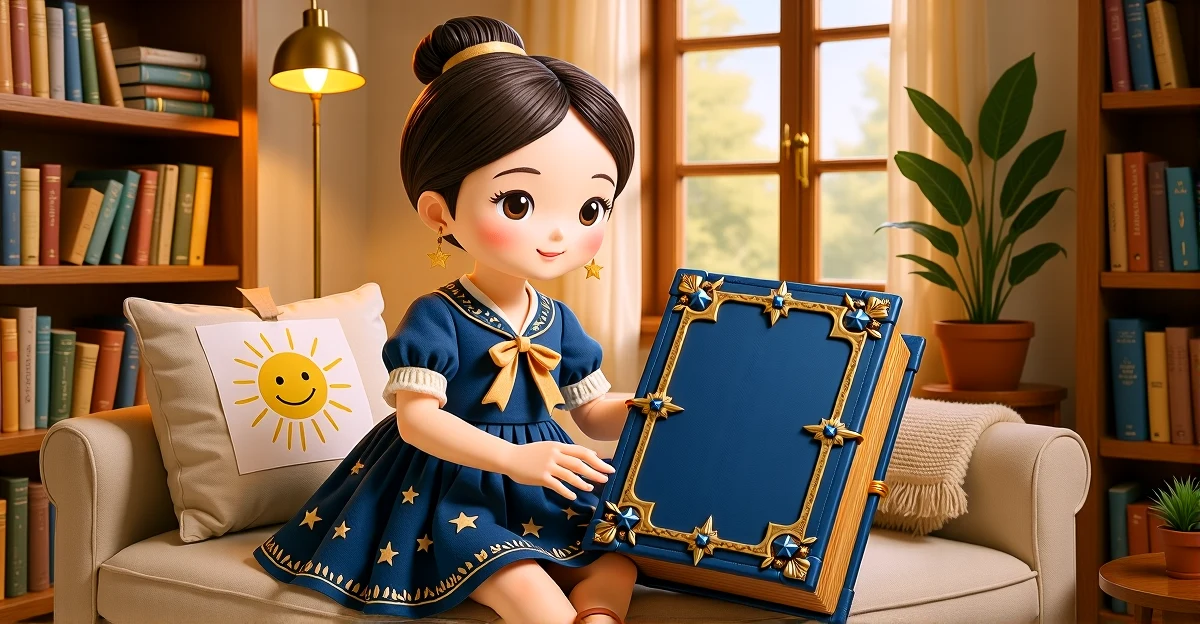
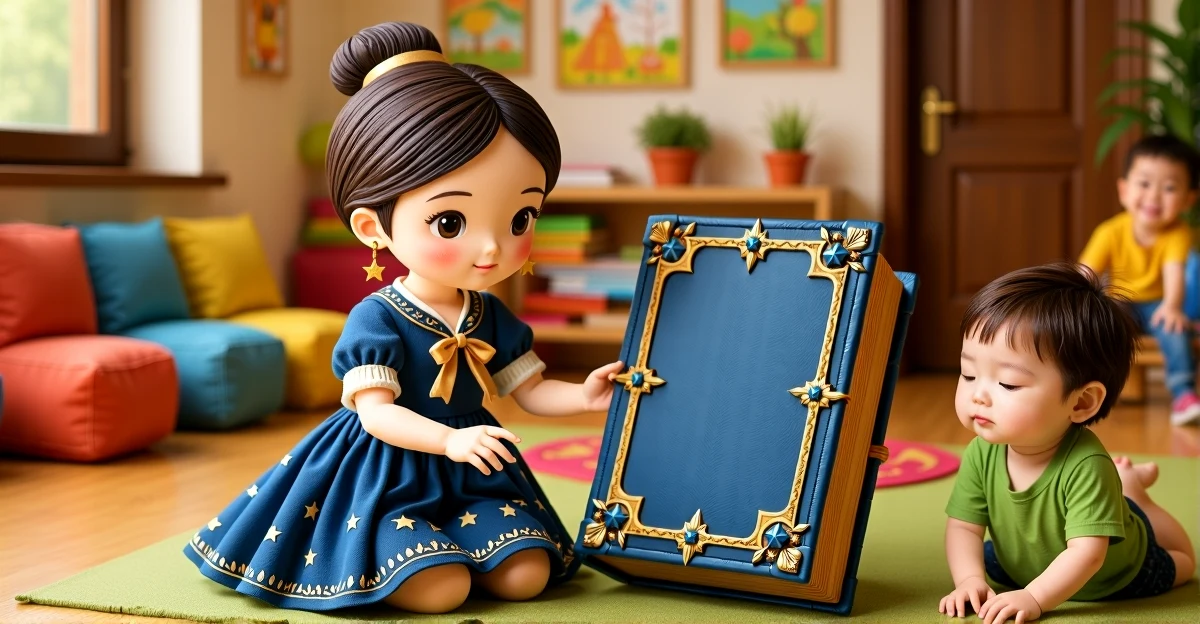
The Magic Book and I are always here for you. Until our next time together, with love and starlight, Inara.
Related Articles
- When Your Child Feels Invisible: Understanding Social Isolation and the Gentle Path to Friendship
- When Your Child Lies Even When Caught: Understanding Honesty Development (Ages 5-6)
- Why Your Child Says Good or Bad for Every Feeling (And How to Help Them Express the Full Rainbow of Emotions)
- Supporting Your Child's Social Awareness Development: A Gentle Guide
Show transcript
Hello, wonderful parent. I'm Inara, and I want to talk with you today about something that might be weighing on your heart. Maybe you've noticed your child hiding behind you when other kids approach. Maybe they won't speak to classmates, even though you know they have so much to say. Maybe they're avoiding social activities altogether, and you're wondering what's happening inside their beautiful heart.
First, I want you to take a deep breath with me. What you're seeing isn't defiance. It isn't stubbornness. And it absolutely isn't something you've done wrong. What you're witnessing is your child navigating one of the most challenging developmental transitions of their young life, and they need your understanding more than ever.
Research from the University of Waterloo shows us something fascinating. When children around ages five and six experience significant social anxiety, they're actually in a critical developmental period. This is the age when they're transitioning to formal schooling, when social demands intensify dramatically, when suddenly they're expected to navigate complex peer dynamics without you right beside them. And for some children, this feels absolutely overwhelming.
Dr. Kristie Poole, who studied children's social anxiety patterns for years, discovered that there are different pathways to social fearfulness. Some children, about fifteen to seventeen percent, show temperament-based social anxiety that emerges early. These are the children who've always been a bit more cautious, a bit more observant, taking their time to warm up to new situations. And you know what? That's not a flaw. That's their beautiful, thoughtful temperament showing itself.
But here's what I want you to understand. When your child won't speak to classmates, when they hide during social activities, they're not choosing to be difficult. They're experiencing genuine anxiety. The Child Mind Institute explains that what parents sometimes see, especially around kindergarten age, can be selective mutism, an anxiety disorder where children feel completely comfortable speaking at home but find it nearly impossible to speak in certain social situations. Their throat tightens. Their heart races. The words simply won't come, no matter how much they want them to.
And this isn't rare. This isn't unusual. This is a completely normal response to what feels, to their developing brain, like an overwhelming social demand.
Now, I know what you might be thinking. You might be worried about their future. You might be wondering if this will affect their friendships, their learning, their confidence. And I want to tell you something that research has shown us again and again. Children whose parents respond with patience, validation, and gentle support rather than pressure develop stronger emotional regulation skills and show reduced anxiety over time.
Let me say that again, because it's so important. Your gentle, understanding response right now is exactly what helps your child move through this phase with their confidence intact.
The National Center for Biotechnology Information confirms that validating children's feelings rather than dismissing their fears builds trust and supports healthy emotional development. So when your child says they're scared to talk to other kids, the most powerful thing you can say is, I understand. That does feel scary. I'm right here with you.
Not, there's nothing to be scared of. Not, just go talk to them. But, I see you. I understand. We'll figure this out together.
Because here's the beautiful truth. Your child isn't broken. They're learning. They're developing at their own pace, in their own way. And with your support, they're building the foundation for lifelong emotional health.
Now, I want to share something with you that the Magic Book showed me. There's a story called The Friendship Frequency, about two friends named Ethan and Sofia who discover a magical emergency radio. And this radio has a special quality. It only works when they speak from their hearts, when they're being completely authentic, even when that feels vulnerable.
At first, Ethan and Sofia try to say what they think they should say. They try to sound impressive. They try to be perfect. And the radio goes fuzzy. The connection fades. But when they finally speak their true feelings, when they share what's really in their hearts, even the scary parts, the radio comes alive with the most beautiful frequency.
And that's exactly what your child is learning right now. They're learning that authentic communication, speaking from the heart even when it feels frightening, creates real connection. They're learning that being themselves, even when that self feels shy or quiet or cautious, is not just okay. It's beautiful.
After you read this story together, you can talk about how everyone feels nervous sometimes when making friends. You can share that being yourself is the bravest and best way to connect with others. You can help your child understand that their feelings are valid, that taking time to warm up is perfectly fine, and that real friendship happens when we're authentic, not when we're trying to be someone we're not.
So what can you do right now, today, to support your child?
First, collaborate with their teacher. Share what you're seeing. Explain that your child isn't being defiant or rude. They're experiencing anxiety, and they need gentle, gradual support. Ask about small steps. Maybe your child can start by whispering to one trusted friend. Maybe they can participate through gestures or nods before words come. The Child Mind Institute emphasizes that treatment focuses on gradually building confidence through behavioral approaches, never forcing speech.
Second, celebrate every tiny step forward. Did your child make eye contact with a classmate? That's huge. Did they wave instead of hiding? That's progress. Did they whisper one word when last week they were silent? That's a victory worth celebrating. Because confidence builds slowly, one small brave moment at a time.
Third, create low-pressure social opportunities. Invite one child over for a playdate in your home, where your child feels safe. Let them play side by side before expecting conversation. Let them warm up at their own pace. Research shows that children develop social confidence when they're given time and space to practice in environments that feel secure.
And fourth, take care of yourself. I know this is hard. I know you might feel worried or frustrated or scared for your child's future. But you're doing beautifully. You're seeking information. You're trying to understand. You're showing up with love and patience. That's exactly what your child needs.
The Magic Book reminds me that every child blooms in their own time, in their own way. Some children burst into social situations with immediate confidence. Others take their time, observing, learning, slowly building the courage to step forward. And both paths are perfectly valid. Both paths lead to connection and friendship and joy.
Your child's journey might look different from other children's journeys. And that's not just okay. That's beautiful. Because they're learning to honor their own feelings, to move at their own pace, to be authentic even when the world seems to demand something different.
And with you beside them, validating their feelings, celebrating their progress, giving them time and space and unconditional love, they're building something precious. They're building genuine confidence. They're building emotional intelligence. They're building the foundation for a lifetime of authentic connections.
So take a deep breath, wonderful parent. You're not alone in this. Your child isn't alone in this. And this phase, as challenging as it feels right now, is temporary. With your gentle support, your child will find their voice. They'll find their confidence. They'll find their way to connection.
The Magic Book and I are always here for you. Until our next time together, with love and starlight, Inara.