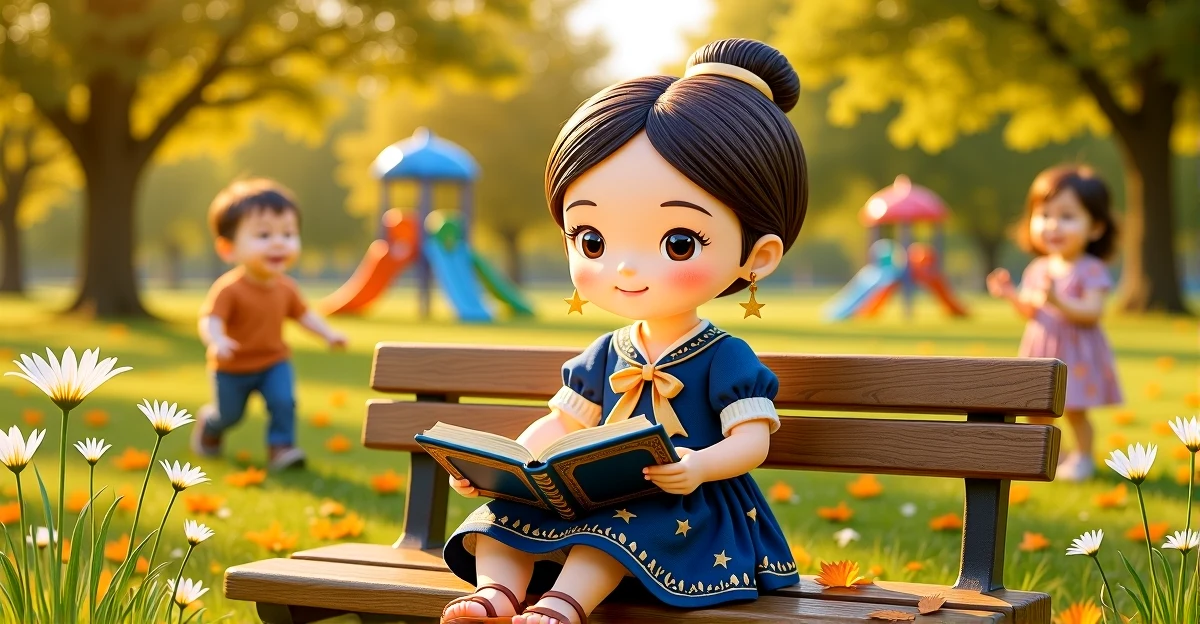

Your child comes home from school and tells you, once again, that no one wanted to play with them at recess. You watch from the playground edge as other children run and laugh together while your beautiful child stands alone, uncertain, invisible. Your heart aches in a way that is almost unbearable because you cannot fix this for them. You cannot make other children choose your child. You cannot force friendships into existence.
My dear friend, if this is your reality right now, I want you to know something IMPORTANT: You are not alone in this pain, and more importantly, your child is not broken. What you are witnessing is not a permanent state. It is a developmental phase, and friendship skills are absolutely, completely, beautifully teachable.
In this article, I am going to share what leading child development researchers have discovered about social isolation in young children, why some children struggle more than others with peer relationships, and most importantly, the gentle, evidence-based strategies that actually help children build the friendship skills they need. I will also share three magical stories from The Book of Inara that can guide your child on this journey from isolation to connection.
Understanding Social Withdrawal in Young Children
When children around ages five and six experience social isolation, they are going through what researchers call a challenging but completely addressable developmental phase. Dr. Kenneth Rubin, a leading researcher at the University of Maryland who has spent decades studying socially withdrawn children, has found that some children refrain from social activities in the presence of peers for very specific, understandable reasons.
Social withdrawal can stem from social fear and anxiety. Your child may desperately want to play with others but feel overwhelmed by the uncertainty of approaching a group, the fear of rejection, or the complexity of reading social cues in real time. Other children may struggle to understand the unspoken rules of peer interaction. When do you join a game? How do you ask to play? What do you say when someone says no?
Here is what is SO important to understand: These struggles do not mean your child is unlikeable or destined for isolation. They mean your child is learning friendship skills at their own pace, and they need gentle support to build confidence and competence.
With proper support, socially withdrawn children absolutely can and do develop healthy, meaningful peer relationships.
— Dr. Kenneth H. Rubin, University of Maryland
Why Friendship Skills Are Completely Teachable
The National Association for the Education of Young Children emphasizes something that should bring every parent hope: We can intentionally teach social and emotional skills using evidence-based strategies. Think about that for a moment. Friendship skills are learnable.
Just like your child learned to tie their shoes, to ride a bike, to write their name, they can learn to initiate play, to listen with their heart, to recognize kindness in others and offer kindness themselves. These are not innate talents that some children have and others lack. They are skills that can be taught, practiced, and mastered.
The Four Core Friendship Skills
Research has identified four essential friendship skills that socially isolated children need to develop:
- Initiating Interaction: How to approach another child, how to ask to join a game, how to start a conversation
- Active Listening: How to listen without interrupting, how to show interest in what another child is saying, how to ask follow-up questions
- Sharing and Turn-Taking: How to share toys and space, how to wait for a turn, how to negotiate when both children want the same thing
- Reading Social Cues: How to recognize when someone wants to play versus when they want space, how to understand facial expressions and body language, how to adjust behavior based on feedback
EVERY one of these skills can be taught through modeling, practice, and gentle guidance. Your child can learn them. And you can help.
Four Gentle Strategies That Actually Help
Based on research from child development experts and organizations like the Child Mind Institute and NAEYC, here are four evidence-based strategies that help socially isolated children build friendship skills:
1. Build Confidence Through Trusting Relationships at Home
Children who have trusting relationships with their parents and caregivers are more willing to try new social tasks and express their needs. When your child feels deeply seen and valued at home, they carry that sense of worth into the world. Spend one-on-one time with your child. Listen to their feelings about social struggles without trying to immediately fix them. Validate their experience while also building their confidence.
2. Practice Social Skills in Low-Pressure Settings
The Child Mind Institute emphasizes that social skills training and practice in low-pressure settings builds confidence. Instead of throwing your child into large group situations where they feel overwhelmed, create opportunities for practice with just one other child. Arrange playdates with a single peer. Practice conversation skills at the dinner table. Role-play scenarios like asking to join a game or introducing yourself to a new friend.
3. Teach Specific, Concrete Strategies
Do not assume your child knows how to approach another child or start a conversation. Teach them specific phrases and strategies. For example: You can say, That looks fun! Can I play too? or When someone is talking, look at their eyes and nod to show you are listening. These concrete, actionable strategies give children tools they can actually use.
4. Use Stories as Gentle Guides
Stories show children what friendship looks like, how it feels, and how to navigate the sometimes confusing world of peer relationships. When children see characters in stories facing similar challenges and finding solutions, they internalize those lessons in a gentle, non-threatening way. Stories create a safe space to explore social situations and practice empathy.
Stories That Can Help Your Child Build Friendship Skills
In The Book of Inara, we have beautiful stories that bring these friendship concepts to life for your child. Here are three stories that are PERFECT for children who are learning to build connections:
The Heart Mirrors of Kindness Center
Perfect for: Ages 6-7 (also wonderful for ages 5-6)
What makes it special: This story directly addresses the core challenge of building caring friendships through kindness. Two children named Rumi and Freya visit a magical place where special mirrors show the kindness that lives inside people hearts. When they look into these mirrors, they discover something BEAUTIFUL: their purpose is to spread caring friendship wherever they go.
Key lesson: Friendship begins with recognizing the kindness within yourself. Every child has this kindness. Your child has this kindness. And when they learn to see it in themselves, they can begin to extend it to others.
After reading together: Help your child identify one small act of kindness they can do tomorrow at school. Remind them that every friendship starts with one kind gesture, just like Rumi and Freya discovered.
The Listening Garden Gentle Whispers
Perfect for: Ages 4-5 (also wonderful for ages 5-6)
What makes it special: Listening is one of the most IMPORTANT friendship skills, and many children who struggle socially either talk too much or too little. In this story, Ethan and Sofia discover a magical garden where plants teach them that listening with their hearts helps both flowers and friends feel truly understood and cared for.
Key lesson: Listening without interrupting is a gift you give to others. When you listen with your heart, you help friends feel seen and valued.
After reading together: Practice listening games at home. Take turns sharing and listening. Remind your child that when they listen to a friend at school, they are giving that friend something precious.
The Magic City
Perfect for: All ages
What makes it special: This classic tale is about a lonely boy named Philip who builds a magical city and learns about courage, friendship, and helping others. What I love about this story is that it shows how friendship often grows naturally when children do things together. Philip does not force connections. He simply engages in activities he loves, and through acts of courage and kindness, friendship finds him.
Key lesson: Friendship often grows most beautifully when children share what brings them joy.
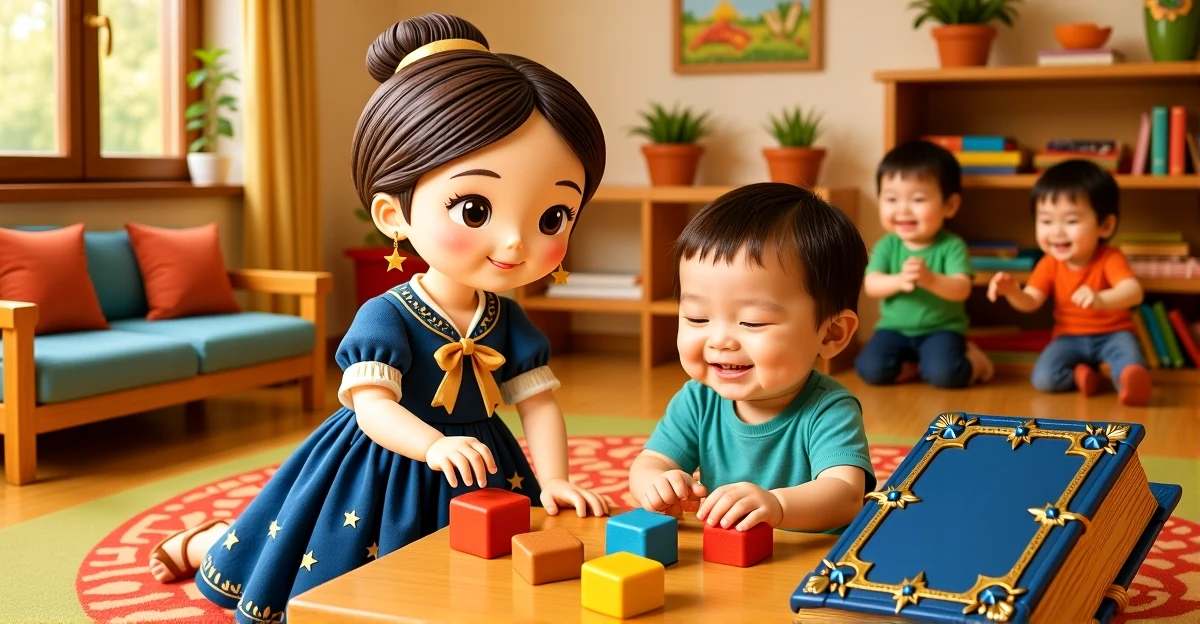
After reading together: Talk with your child about activities they enjoy. Maybe they love building with blocks, or drawing, or playing with toy animals. How might they invite another child to join them in something they already love?
Your Child Is Learning, Not Broken
My dear friend, I want you to take a deep breath right now. Your child is on a learning journey. Some children learn friendship skills easily and early. Others need more time, more practice, more support. And that is completely, beautifully okay.
Your child is not behind. Your child is not defective. Your child is not unlikeable. Your child is exactly where they need to be, learning at their own pace, developing skills that will serve them for a lifetime.
What matters most is that you are here, seeking understanding, seeking help, seeking ways to support your precious child. That makes you a WONDERFUL parent. Keep showing up. Keep reading stories together. Keep practicing social skills in gentle, low-pressure ways. Keep validating your child feelings while also building their confidence.
And most importantly, keep reminding your child that they are deeply loved, that they have so much to offer, and that friendship skills can be learned. Because they absolutely can.
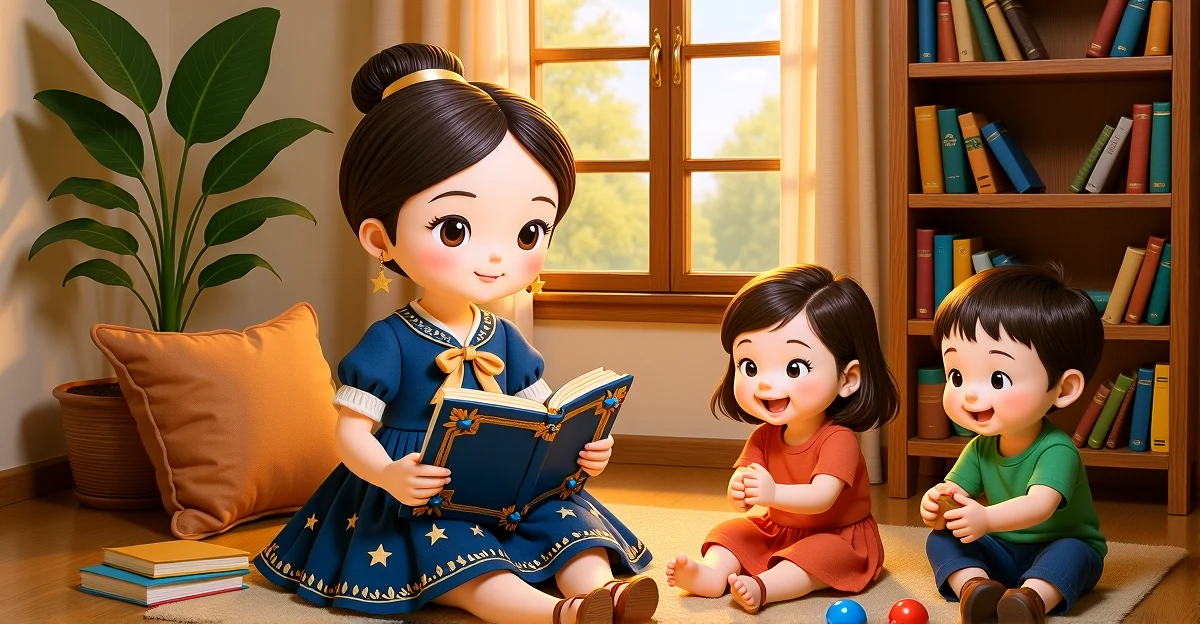
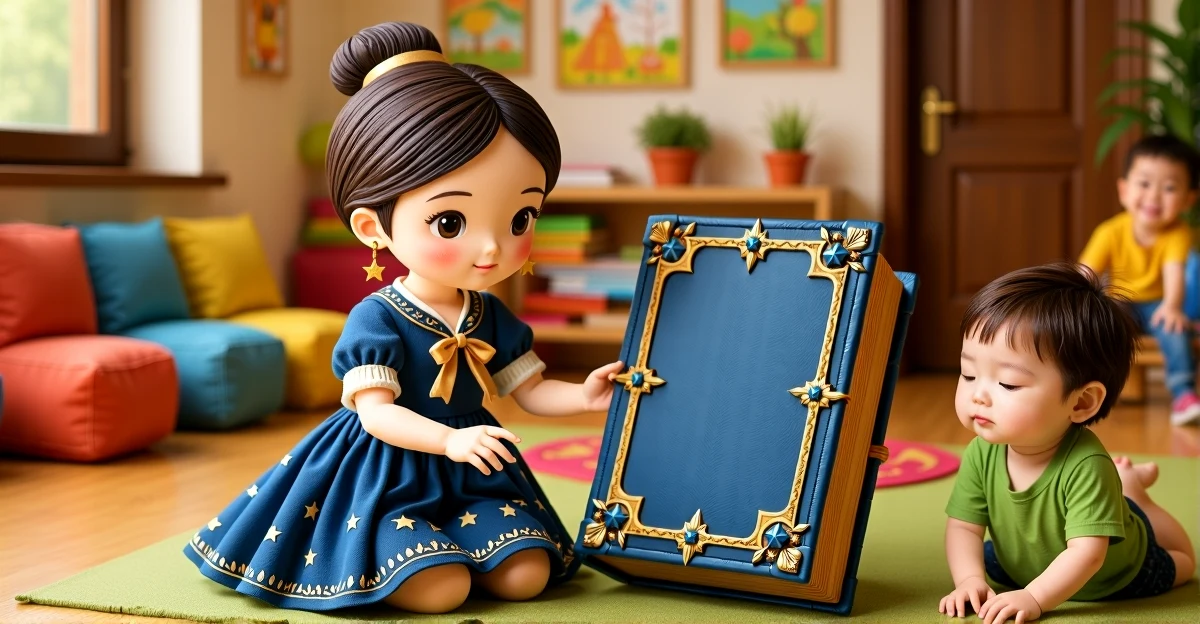
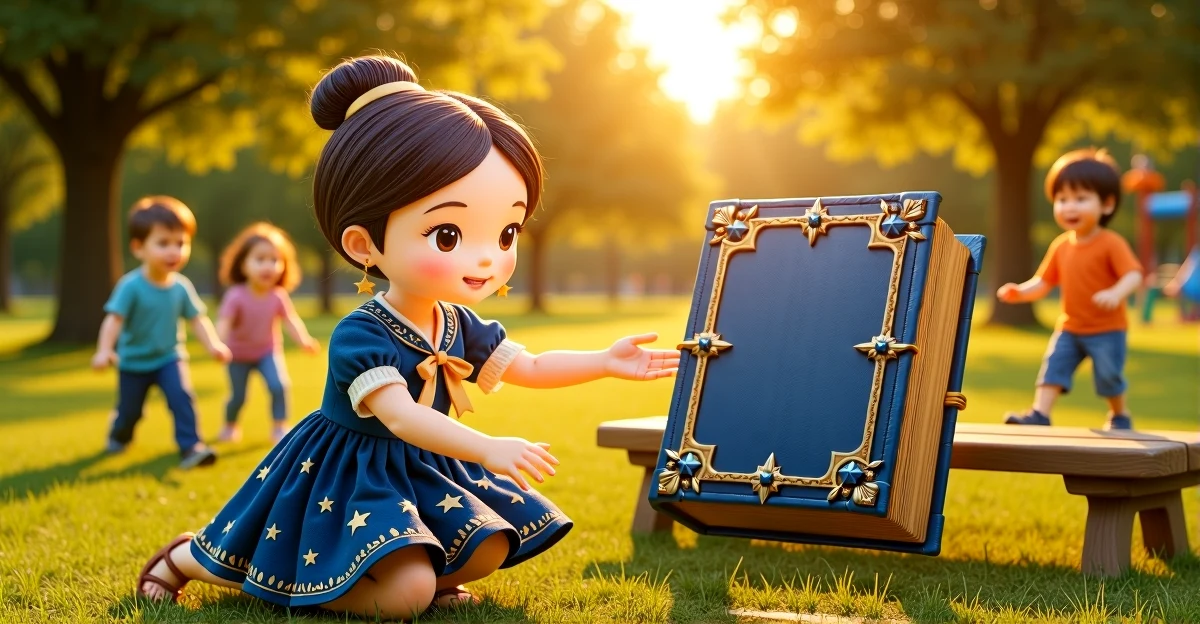
The Magic Book and I believe in your child. We believe in you. And we are here, through every story, through every gentle lesson, to walk this journey with you.
With love and starlight,
Inara
Related Articles
- When Screen Time Ends in Meltdowns: Understanding Your Child's Brain and What Actually Helps (Ages 5-6)
- Teaching Financial Wisdom to Your 5-6 Year Old: A Gentle Guide to Money and Economics
- Understanding Friendship Challenges at Ages 5-6: A Gentle Parenting Guide
- When Your Child Won't Speak to Classmates: Understanding Social Anxiety in Young Children
- When Your Child Eats Lunch Alone: Understanding Social Development in Young Children
Show transcript
Hello, my dear friend. Come sit with me for a moment, because I want to talk to you about something that might be weighing heavy on your heart right now. If your child is coming home from school and saying that no one wants to play with them, if you are watching them stand alone on the playground while other children run and laugh together, if you are feeling that ache in your chest wondering why your beautiful child seems invisible to their peers, I see you. I truly see you. And I want you to know something IMPORTANT right from the start. Your child is not broken. Your child is not unlikeable. Your child is simply learning friendship skills, and friendship skills can absolutely be taught. Let me share what the research tells us, and then I will tell you about some beautiful stories that can help. When children around ages five and six experience social isolation, they are going through what researchers call a challenging but completely addressable developmental phase. Dr. Kenneth Rubin, a leading researcher at the University of Maryland, has spent decades studying socially withdrawn children, and here is what his research shows. Some children refrain from social activities because of social fear and anxiety. Others struggle to read social cues. And here is the WONDERFUL news. With gentle support, these children absolutely can and do develop healthy, meaningful friendships. The National Association for the Education of Young Children emphasizes that we can intentionally teach social and emotional skills using evidence-based strategies. Think about that for a moment. Friendship skills are learnable. Just like your child learned to tie their shoes, to ride a bike, to write their name, they can learn to initiate play, to listen with their heart, to recognize kindness in others and offer kindness themselves. So what does this gentle support look like? First, we build your child confidence through trusting relationships with you. When children feel deeply seen and valued at home, they carry that sense of worth into the world. Second, we help them practice social skills in low-pressure settings. Maybe that is a playdate with just one other child. Maybe that is practicing conversation skills at the dinner table. Third, we teach them specific strategies. How to approach another child. How to ask to join a game. How to listen without interrupting. How to share and take turns. These are concrete, teachable skills. And fourth, we use stories as gentle guides. Stories show children what friendship looks like, how it feels, and how to navigate the sometimes confusing world of peer relationships. Let me tell you about three stories that can help your child on this journey. The first is called The Heart Mirrors of Kindness Center. In this story, two children named Rumi and Freya visit a magical place where special mirrors show the kindness that lives inside people hearts. When they look into these mirrors, they discover something BEAUTIFUL. Their purpose is to spread caring friendship wherever they go. This story is perfect for children who feel invisible because it teaches them that friendship begins with recognizing the kindness within themselves. Every child has this kindness. Your child has this kindness. And when they learn to see it in themselves, they can begin to extend it to others. After you read this story together, help your child identify one small act of kindness they can do tomorrow at school. Remind them that every friendship starts with one kind gesture, just like Rumi and Freya discovered. The second story is called The Listening Gardens Gentle Whispers. In this story, Ethan and Sofia discover a magical garden where plants teach them that listening with their hearts helps both flowers and friends feel truly understood and cared for. Listening is one of the most IMPORTANT friendship skills, and many children who struggle socially either talk too much or too little. This story teaches the beautiful balance of listening without interrupting, of giving someone the gift of feeling heard. After reading this story, practice listening games at home. Take turns sharing and listening. Remind your child that when they listen to a friend at school, they are giving that friend something precious. The third story is called The Magic City. This is a classic tale about a lonely boy named Philip who builds a magical city and learns about courage, friendship, and helping others. What I love about this story is that it shows how friendship often grows naturally when children do things together. Philip does not force connections. He simply engages in activities he loves, and through acts of courage and kindness, friendship finds him. Talk with your child about activities they enjoy. Maybe they love building with blocks, or drawing, or playing with toy animals. How might they invite another child to join them in something they already love? Sometimes friendship grows most beautifully when children share what brings them joy. Now, my dear friend, I want you to take a deep breath. Your child is on a learning journey. Some children learn friendship skills easily and early. Others need more time, more practice, more support. And that is completely okay. Your child is not behind. Your child is exactly where they need to be, learning at their own pace. What matters is that you are here, seeking understanding, seeking help, seeking ways to support your precious child. That makes you a WONDERFUL parent. Keep showing up. Keep reading stories together. Keep practicing social skills in gentle, low-pressure ways. Keep validating your child feelings while also building their confidence. And most importantly, keep reminding your child that they are deeply loved, that they have so much to offer, and that friendship skills can be learned. The Magic Book and I believe in your child. We believe in you. And we are here, through every story, through every gentle lesson, to walk this journey with you. Sweet dreams, my wonderful friend. With love and starlight, Inara.