Hello, my wonderful friend! Have you been wondering when the right time is to start talking about your family's cultural heritage with your preschooler? Maybe you've caught yourself thinking, "Is my three-year-old too young to understand where our family comes from?" Or perhaps you've felt that gentle tug in your heart, wanting to share the beautiful traditions, stories, and values that shaped you—but you're not quite sure how to begin.
I want you to know something right from the start: you're not alone in these questions, and the fact that you're thinking about this shows how deeply you love your child. You want them to feel proud of who they are, connected to their roots, and confident in their identity. That's SO beautiful.
Here's the wonderful news I'm excited to share with you today: ages three and four are actually a PERFECT time to begin this journey of cultural celebration with your little one. In this guide, I'll share what child development research teaches us about cultural identity formation, gentle strategies you can start using today, and beautiful stories that can help your child understand and celebrate their heritage. Let's explore this together!
Why Ages 3-4 Are the Perfect Time for Cultural Learning
Your preschooler's heart and mind are wide open right now, ready to soak up the magic of where they come from. This isn't just my observation—it's backed by fascinating research about how young children develop cultural identity.
Studies show that children at this age already have a deep understanding of their family's cultural routines. They notice the special foods you make, the songs you sing, the way you celebrate, and the stories you tell. And here's what's truly magical: they have a strong desire to follow and explore these practices! They're not just watching. They're learning who they are.
Dr. Zeynep Isik-Ercan, a researcher who studies how children learn about culture, discovered something important. She found that when parents and educators honor children's cultural backgrounds, they support family cohesion and promote healthy social and emotional development. Isn't that beautiful? By celebrating your heritage with your child, you're not just teaching them about traditions—you're helping their heart grow strong and confident.
What Makes This Age So Special
During early childhood, children are actively learning culturally relevant messages through observation and participation in family activities. This makes ages three and four an optimal time for intentional cultural socialization. Your little one is like a sponge right now, absorbing the beautiful essence of your family's story.
Research from Northwestern University shows that during this developmental period, children are naturally curious about family culture and traditions. They're ready to learn, and they want to understand the special things that make your family unique. This curiosity is a gift—it's your child's way of saying, "Tell me about us. Help me understand where I belong."
The Beautiful Benefits of Cultural Pride
When children's cultural backgrounds are validated and celebrated, something wonderful happens. Research demonstrates that these children show greater confidence, stronger family bonds, and better emotional regulation skills. Think about that for a moment. By sharing your heritage, you're giving your child gifts that will last their entire lifetime—confidence, connection, and a sense of belonging.
Dr. Liliana Aguayo's longitudinal research found that during early childhood, parents and children naturally prioritize talking about family culture and traditions. This isn't about having big, serious conversations about complex topics. It's about the gentle, everyday moments—cooking together, looking at photos, singing songs, celebrating holidays, and sharing stories.
"Cultural factors influence the development of all children, with early school age representing a key period in the development of cultural socialization."
— Dr. Liliana Aguayo, Northwestern University
The Black SEL organization emphasizes that cultural pride brings together self-advocacy and emotional intelligence to empower children. When you help your preschooler understand and celebrate their cultural background, you're building foundations for lifelong resilience. You're teaching them that they come from somewhere beautiful, that their family's story matters, and that they have every reason to feel proud of who they are.
Gentle Strategies to Share Your Heritage
So how do you begin this beautiful journey? Let me share some gentle, magical ways to help your child understand and appreciate their cultural background. These strategies are simple, natural, and can start today.
1. Start with the Everyday Magic
Your family's culture lives in your daily routines—the foods you prepare, the way you greet each other, the songs you hum while cooking, the stories you tell at bedtime. These aren't just habits. They're treasures!
Talk about them with your child. Say things like, "This is how our family makes this special dish," or "This song is one your grandmother used to sing to me when I was little, just like you." These simple moments of naming and celebrating your cultural practices help your child see that what you do together is special and meaningful.
2. Bring Out the Family Treasures
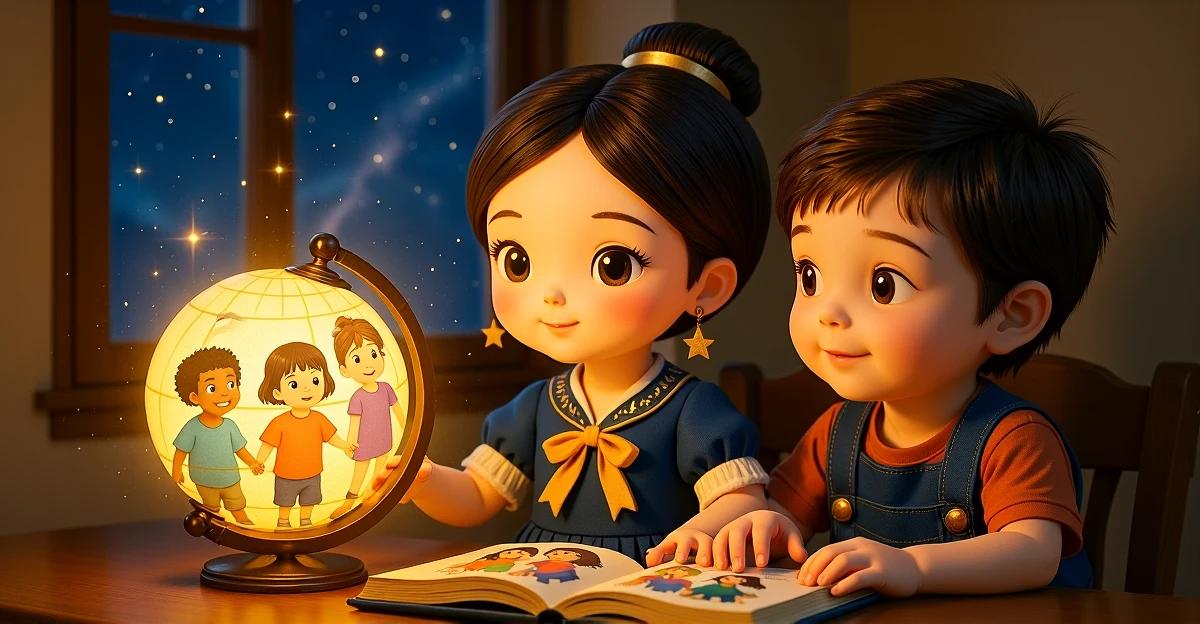
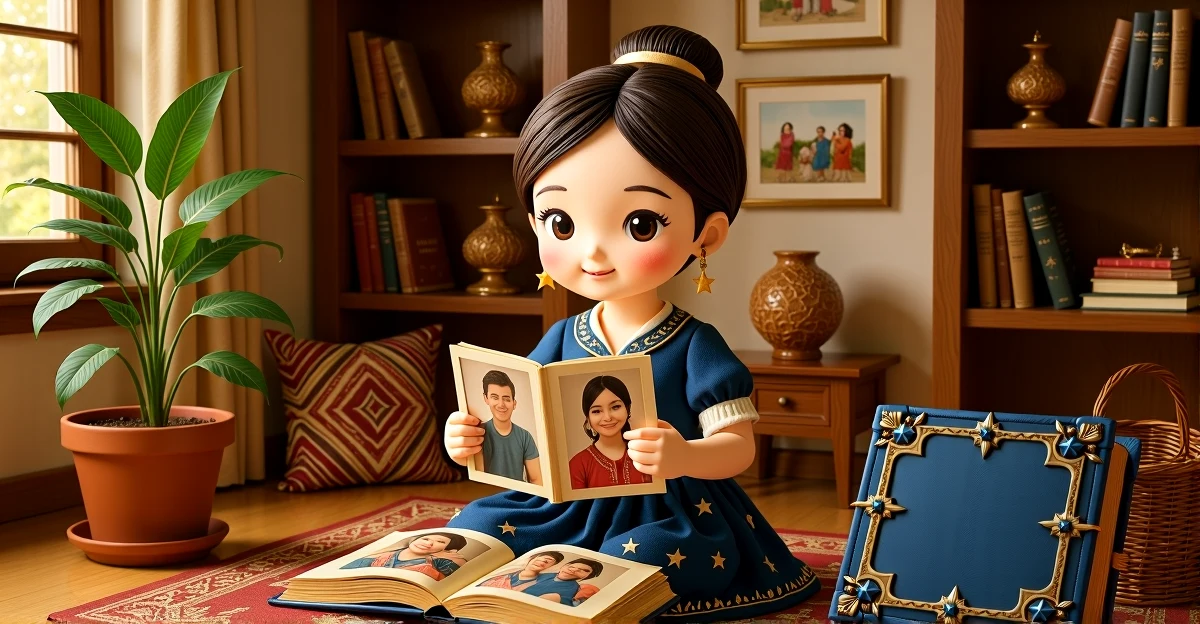
Do you have photos of grandparents or great-grandparents? Traditional clothing tucked away? Special objects that carry family memories? These are magical teaching tools!
Sit with your child and explore them together. Let them touch the fabric of traditional clothing, look at old photographs, hold objects that have been passed down. As you do, tell the stories. Who wore this? What celebration was this from? What did this mean to our family? Your child will treasure these moments of connection, and they'll begin to understand that they're part of a beautiful, ongoing story.
3. Celebrate Your Traditions with Intention
Whether it's holiday celebrations, special meals, religious practices, or family rituals, invite your child to participate fully. Explain what you're doing and why it matters. Let them help prepare special foods, set up decorations, or participate in ceremonies in age-appropriate ways.
When children actively participate, they don't just learn about culture—they FEEL it in their hearts. They experience the joy, the connection, the meaning. These embodied experiences create lasting memories and deep understanding.
4. Read Stories That Reflect Your Heritage
Stories are powerful teachers. Look for children's books that feature characters from your cultural background, folktales from your heritage, or stories about families celebrating traditions similar to yours. When your child sees themselves reflected in stories, they learn that their cultural identity is valued and beautiful.
5. Share the Language of Your Heritage
If your family speaks another language or uses special words from your cultural background, share them with your child! Even if you're not fluent, teaching a few words, songs, or phrases creates connection to heritage. Language carries culture in beautiful ways.
6. Connect with Community
When possible, participate in cultural events, visit cultural centers, or connect with others who share your heritage. Seeing that they're part of a larger community helps children feel proud and connected. They learn that their family's culture is alive, vibrant, and shared by many people.
Stories That Can Help
In The Book of Inara, we have beautiful stories that bring these concepts to life for your child. Let me share three stories that can help your preschooler understand and celebrate cultural heritage:
The Heart Gallery's Gentle Whispers
Perfect for: Ages 2-3 (and early 3-4)
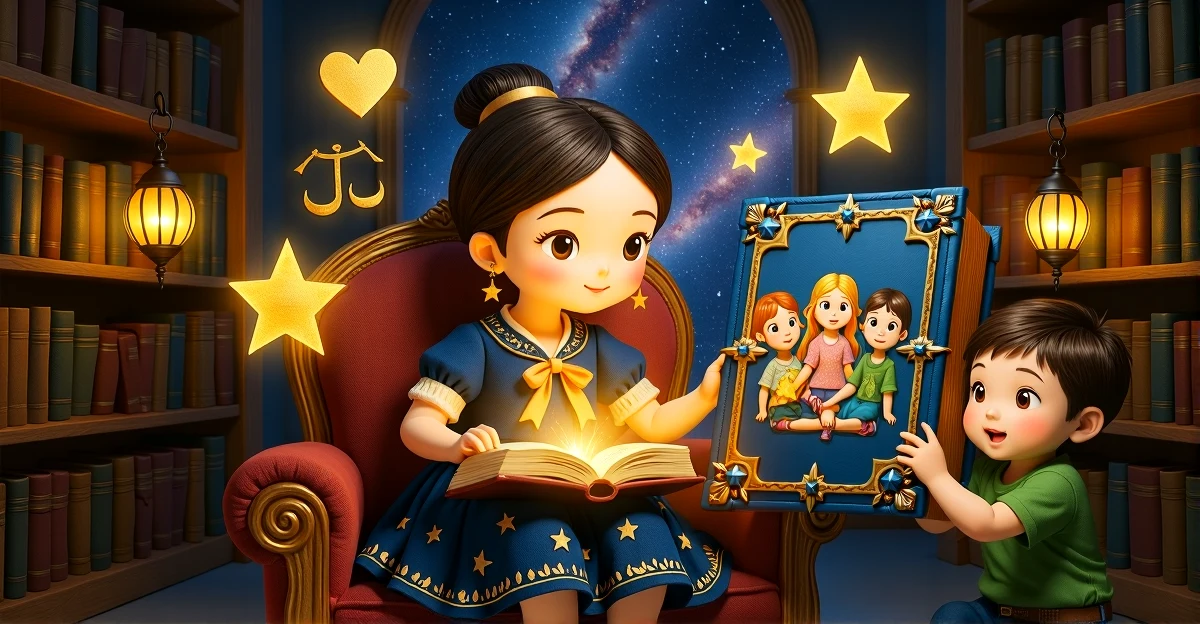
What makes it special: This story takes children through a cultural learning center where family photos and artifacts glow softly when touched with kindness. When Noah feels overwhelmed by all the cultural differences he sees, his Grandmother Svetlana gives him a warm hug, and he discovers something magical—that love feels the same in every culture.
Key lesson: While families may have different traditions and practices, the love that connects us all is universal. This story teaches children that their cultural background is special while other families' traditions are equally beautiful and meaningful.
After reading: Explore your own family photos and cultural items with your child, helping them see how your traditions are special while other families' traditions are equally beautiful.
The Costume Garden of Memories
Perfect for: Ages 4-5 (and older 3-4)
What makes it special: Leo and Mia discover a heritage costume display where traditional clothing glows with family memories. As they touch the costumes, they learn that cultural traditions are like seasons—they change and grow while keeping their beautiful essence.
Key lesson: Cultural traditions carry meaning across generations. Honoring these traditions helps keep family stories alive and creates connection between past, present, and future.
After reading: Share your own family's cultural clothing, recipes, or traditions with your child, explaining how these practices connect them to their grandparents, great-grandparents, and the beautiful story of your family heritage.
The Weaving Spider
Perfect for: Preschool ages
What makes it special: In this traditional tale, a young Navajo child learns the sacred art of weaving from a wise spider teacher. Through patient practice and respect for tradition, the child discovers that cultural practices create beautiful patterns that connect all life.
Key lesson: Cultural practices are gifts passed down through generations. Learning these traditions with patience and respect honors heritage and creates connection to ancestors.
After reading: Identify a cultural practice or skill from your heritage that you can teach your child, emphasizing how this knowledge has been passed down through your family and why it matters to preserve these beautiful traditions.
You're Doing Beautifully
My wonderful friend, I want you to know that you don't have to be perfect at this. You don't have to know every detail of your family history or every traditional practice. What matters is that you're sharing what you DO know with love and pride. Your child will feel that love, and that's what they'll remember most.
Start small. Start today. Share one story. Cook one traditional meal together. Sing one song from your childhood. Look at one photo album. Each small moment is a seed you're planting in your child's heart, and those seeds will grow into a beautiful garden of cultural pride and identity.
When you share your cultural heritage with your child, you're not just teaching them about the past. You're giving them a foundation for the future. You're helping them develop a strong sense of who they are, where they come from, and what makes them special. You're building their confidence, strengthening your family bonds, and creating memories they'll carry in their hearts forever.
Your child's cultural background is a beautiful gift. By sharing your heritage with warmth and pride, you're giving them roots and wings—roots to know where they come from, and wings to fly confidently into the world, proud of who they are.
The Magic Book and I believe in you. You're doing something truly beautiful by helping your child understand and appreciate their cultural background. Keep celebrating the beautiful heritage you're sharing with your little one.
With love and starlight,
Inara
Related Articles
- Understanding Your Child's Social Development: Why Playing Alone is Normal (Ages 3-4)
- Why Your Child Melts Down at Gentle Correction (And How to Help): Understanding Sensitivity in Ages 3-4
- Teaching Your Preschooler to Appreciate Differences: A Gentle Guide for Parents
- Understanding Your Child's Rough Play: A Gentle Guide to Teaching Empathy
- Why Morning Routines Feel Like Battles (And the Gentle Approach That Works)
Show transcript
Hello, my wonderful friend! It's me, Inara, and I am SO happy you're here with me today!
You know, the Magic Book and I have been noticing something truly beautiful happening in families all around the world. Parents like you are asking such important questions about helping your little ones understand and celebrate their cultural heritage. And I want you to know something right from the start—the fact that you're thinking about this shows how deeply you love your child and how much you want them to feel proud of who they are.
If you've been wondering when the right time is to start talking about cultural traditions, family stories, and heritage with your preschooler, I have wonderful news for you. Ages three and four are actually a PERFECT time to begin this beautiful journey! Your little one's heart and mind are wide open right now, ready to soak up the magic of where they come from.
Let me share what the Magic Book has taught me about this. Research shows that young children at this age already have a deep understanding of their family's cultural routines. They notice the special foods you make, the songs you sing, the way you celebrate, and the stories you tell. And here's what's truly magical—they have a strong desire to follow and explore these practices! They're not just watching. They're learning who they are.
Dr. Zeynep Isik-Ercan, a wonderful researcher who studies how children learn about culture, discovered something important. She found that when parents and educators honor children's cultural backgrounds, they support family cohesion and promote healthy social and emotional development. Isn't that beautiful? By celebrating your heritage with your child, you're not just teaching them about traditions—you're helping their heart grow strong and confident.
Now, I know some parents worry. They think, is my child too young to understand? Will talking about our culture make them feel different from other children? And I want to gently tell you—your child is ready, and this is so important for them.
Here's what the research shows. During early childhood, children are actively learning culturally relevant messages through observation and participation in family activities. This makes ages three and four an optimal time for intentional cultural socialization. Your little one is like a sponge right now, absorbing the beautiful essence of your family's story.
And here's something else the Magic Book taught me. When children's cultural backgrounds are validated and celebrated, they show greater confidence, stronger family bonds, and better emotional regulation skills. Think about that for a moment. By sharing your heritage, you're giving your child gifts that will last their entire lifetime—confidence, connection, and a sense of belonging.
So how do you begin this beautiful journey? Let me share some gentle, magical ways to help your child understand and appreciate their cultural background.
First, start with the everyday magic. Your family's culture lives in your daily routines—the foods you prepare, the way you greet each other, the songs you hum while cooking, the stories you tell at bedtime. These aren't just habits. They're treasures! Talk about them with your child. Say things like, this is how our family makes this special dish, or this song is one your grandmother used to sing to me when I was little, just like you.
Second, bring out the family treasures. Do you have photos of grandparents or great-grandparents? Traditional clothing tucked away? Special objects that carry family memories? These are magical teaching tools! Sit with your child and explore them together. Let them touch the fabric of traditional clothing, look at old photographs, hold objects that have been passed down. As you do, tell the stories. Who wore this? What celebration was this from? What did this mean to our family?
Third, celebrate your traditions with intention. Whether it's holiday celebrations, special meals, religious practices, or family rituals, invite your child to participate fully. Explain what you're doing and why it matters. Let them help prepare special foods, set up decorations, or participate in ceremonies in age-appropriate ways. When children actively participate, they don't just learn about culture—they FEEL it in their hearts.
Fourth, read stories that reflect your heritage. The Magic Book knows how powerful stories are for teaching children about who they are and where they come from. Look for children's books that feature characters from your cultural background, folktales from your heritage, or stories about families celebrating traditions similar to yours.
And speaking of stories, I want to tell you about three beautiful stories from the Magic Book that can help your child understand and celebrate cultural heritage.
The first is called The Heart Gallery's Gentle Whispers. In this story, Anya and Noah explore a cultural learning center where family photos and artifacts glow softly when touched with kindness. When Noah feels overwhelmed by all the cultural differences he sees, his Grandmother Svetlana gives him a warm hug, and he discovers something magical—that love feels the same in every culture. This story teaches children that while families may have different traditions and practices, the love that connects us all is universal. It's perfect for helping your child see that their cultural background is special while other families' traditions are equally beautiful and meaningful.
The second story is The Costume Garden of Memories. Leo and Mia discover a heritage costume display where traditional clothing glows with family memories. As they touch the costumes, they learn that cultural traditions are like seasons—they change and grow while keeping their beautiful essence. This story helps children understand how cultural traditions carry meaning across generations and how honoring these traditions helps keep family stories alive. After reading this story, you can share your own family's cultural clothing, recipes, or traditions with your child, explaining how these practices connect them to their grandparents, great-grandparents, and the beautiful story of your family heritage.
The third story is The Weaving Spider. In this traditional tale, a young Navajo child learns the sacred art of weaving from a wise spider teacher. Through patient practice and respect for tradition, the child discovers that cultural practices create beautiful patterns that connect all life. This story teaches children that cultural practices are gifts passed down through generations and that learning these traditions with patience and respect honors their heritage. It's a wonderful way to help your child understand that the skills, practices, and knowledge from your culture are precious treasures to be cherished.
You can find all three of these stories in The Book of Inara app, where they come alive with beautiful illustrations and gentle narration that your child will love.
Now, I want to share one more thing that the Magic Book taught me. Research from Northwestern University shows that during early childhood, parents and children naturally prioritize talking about family culture and traditions. This isn't about having big, serious conversations about complex topics. It's about the gentle, everyday moments—cooking together, looking at photos, singing songs, celebrating holidays, and sharing stories.
Your child doesn't need lectures about cultural identity. They need experiences. They need to FEEL their heritage through the warmth of your traditions, the taste of special foods, the sound of songs in your family's language, and the love in your stories about where you come from.
And here's something beautiful—when you share your cultural heritage with your child, you're not just teaching them about the past. You're giving them a foundation for the future. You're helping them develop a strong sense of who they are, where they come from, and what makes them special. You're building their confidence, strengthening your family bonds, and creating memories they'll carry in their hearts forever.
So start today, my wonderful friend. Start small. Share one story. Cook one traditional meal together. Sing one song from your childhood. Look at one photo album. Each small moment is a seed you're planting in your child's heart, and those seeds will grow into a beautiful garden of cultural pride and identity.
Remember, you don't have to be perfect at this. You don't have to know every detail of your family history or every traditional practice. What matters is that you're sharing what you DO know with love and pride. Your child will feel that love, and that's what they'll remember most.
The Magic Book and I believe in you. You're doing something truly beautiful by helping your child understand and appreciate their cultural background. You're giving them roots and wings—roots to know where they come from, and wings to fly confidently into the world, proud of who they are.
Thank you for being here with me today. Until our next adventure together, keep celebrating the beautiful heritage you're sharing with your little one. With love and starlight, Inara.