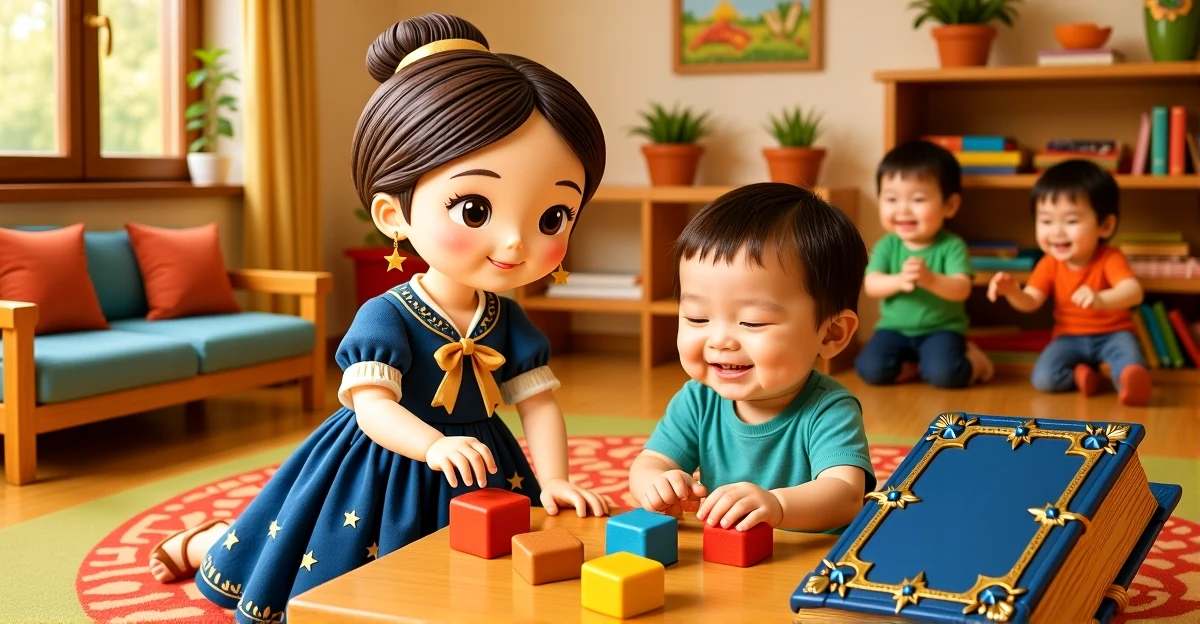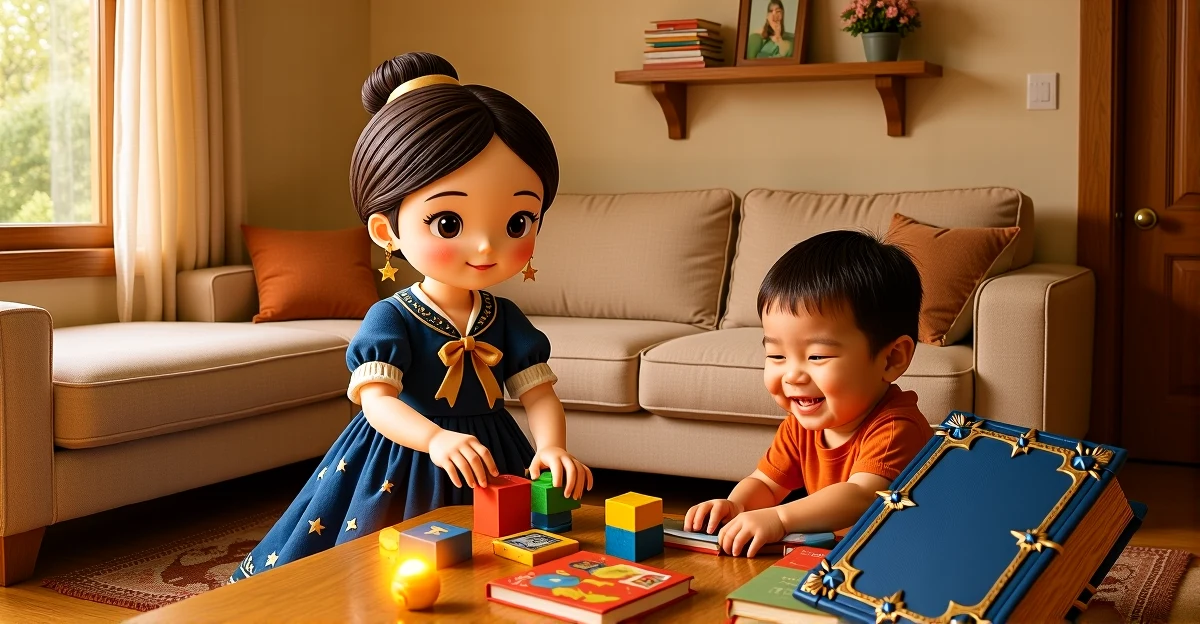

Maybe you've noticed something that has you wondering. Your six or seven year old makes friends easily, but those friendships seem to shift and change like the seasons. One week, they're inseparable from a classmate at school. The next week, they're playing with someone completely different. And you might be asking yourself: Is something wrong? Should I be worried?
Let me tell you something WONDERFUL that the Magic Book taught me. What you're seeing isn't a problem at all. It's actually your child's brain doing exactly what it's supposed to do at this age. They're learning one of the most important skills they'll ever develop: how to build and maintain meaningful relationships. And just like learning to read or ride a bike, it takes practice, patience, and time.
In this guide, we'll explore why friendship changes are completely normal at ages six and seven, what research tells us about this beautiful developmental phase, and how you can support your child as they learn these essential life skills. You're going to discover that those shifting friendships aren't a sign of struggle. They're a sign of growth.
Why Friendships Change at Ages 6-7
Here's what's happening in your child's developing brain. At ages six and seven, children are in this magical phase where they're discovering what makes a good friend. They're learning about loyalty, about patience, about understanding someone else's feelings. They're figuring out how to navigate conflicts, how to forgive, how to balance their own needs with someone else's needs.
Think about it for a moment. These are skills that many adults are still working on! And your six or seven year old is just beginning this journey. Every friendship that forms, every conflict they work through, every time they feel left out and then find their way back to connection, they're building emotional muscles that will serve them for their entire lives.
The Developmental Reality
Children at this age are transitioning from parallel play and simple companionship to more complex friendships that require reciprocity, emotional understanding, and sustained effort. This is a HUGE developmental leap. They're moving from "we like the same things" friendships to "I understand how you feel and I care about you" friendships.
During this transition, it's completely normal for friendships to feel unstable. Your child is essentially practicing. They're trying out different social strategies, learning what works and what doesn't, discovering their own preferences for friendship, and developing the capacity for deeper connections.
What Research Shows About Friendship Development
Research gives us such beautiful insight into what's happening during this stage. Dr. Eileen Kennedy-Moore, a clinical psychologist who specializes in children's friendships, studied first graders and discovered something fascinating: best friendship stability varies significantly across the school year for children ages six and seven.
Friendship changes in early elementary years are completely normal and reflect children's developing social understanding. Young children are still learning what makes a good friend and how to maintain relationships over time.
— Dr. Eileen Kennedy-Moore, Clinical Psychologist
In other words, what you're seeing at home is exactly what researchers see in their studies. Your child isn't struggling. They're learning. And that's a HUGE difference.
The Role of Self-Control and Emotion Management
Recent research from BMC Psychology shows us that self-control and emotion management skills are the foundation for successful peer interactions. When children develop these regulatory abilities, they become better equipped to handle friendship challenges like conflicts, disappointments, and the give-and-take of reciprocal relationships.
This is SO important to understand. Your child's ability to maintain friendships isn't just about being nice or being fun to play with. It's deeply connected to their developing capacity to manage their own emotions, control their impulses, and understand others' perspectives. These are skills that develop gradually throughout childhood.
Quality Over Quantity
Research from Frontiers in Psychology confirms something beautiful: friendship quality matters significantly more than friendship quantity during elementary years. Having one or two close, caring friendships is far more valuable for your child's development than having many surface-level friendships.
So when you see your child focusing their energy on one or two friends at a time, even if those friends change over the months, that's actually developmentally appropriate. They're learning depth before breadth. They're discovering what it means to truly connect with another person.
How to Support Your Child's Friendship Journey
Now that you understand what's happening developmentally, let's talk about the beautiful ways you can support your child as they navigate this learning phase.
1. Validate Their Feelings
When your child comes home sad because their best friend played with someone else at recess, or when they're upset because a friendship feels different than it did last month, you have an incredible opportunity. You get to be their safe place to process these big feelings.
Don't rush to fix it or minimize it. Simply say, "I can see this feels hard right now. Tell me about it." That validation is like sunshine to their growing heart. It teaches them that their feelings matter, that relationships are important, and that it's okay to feel disappointed or confused sometimes.
2. Teach the Garden Metaphor
Help your child understand that friendships, like all relationships, need gentle care and attention. Just like the plants in your garden need water and sunlight, friendships need kindness, patience, and understanding to grow strong.
You might say, "Friendships are like gardens. When we water them with kindness and give them sunshine through spending time together, they grow beautiful and strong. Sometimes we need to pull weeds, like when we have a disagreement and need to talk it through. And sometimes, even with good care, some plants don't grow in our garden, and that's okay too."
3. Focus on Quality, Not Quantity
Help your child see that they don't need to be friends with everyone. They need to learn how to be a good friend to the people they care about. This takes the pressure off and allows them to focus on developing deeper connections rather than trying to maintain surface-level friendships with everyone in their class.
You might ask questions like: "What do you like about spending time with this friend?" "How do you feel when you're together?" "What makes this friendship special to you?" These questions help your child develop awareness about what they value in friendships.
4. Coach Through Conflicts
When friendship conflicts arise, and they will, resist the urge to solve the problem for your child. Instead, coach them through it. Ask questions like:
- "What do you think your friend was feeling when that happened?"
- "How did you feel?"
- "What could you do to help fix this?"
- "What would you want your friend to do if the situation were reversed?"
These questions build emotional intelligence, perspective-taking, and problem-solving skills. They're learning to navigate the complexities of human relationships, and you're their guide.
5. Celebrate the Learning
When you see your child's friendships shifting, instead of worrying, celebrate. You can say to yourself, "My child is learning. My child is growing. My child is developing the skills they need to build meaningful relationships throughout their life."
And you can say to your child, "I noticed you and your friend worked through that disagreement today. That's such an important skill you're learning!" or "I can see you're figuring out what kind of friend you want to be. That's beautiful growth."
A Story That Can Help
In The Book of Inara, we have a beautiful story that brings these concepts to life for your child in the most magical way:
The Warmth That Connects Us All
Perfect for: Ages 6-7
What makes it special: Lucas and Ella discover that an ancient sauna holds gentle steam that carries whispered messages of love and care between friends. Through their journey, they learn that true friendship involves invisible emotional connections, bonds that you can't see but you can definitely feel. These bonds need care, patience, and understanding to stay strong over time.
Key lesson: Friendships are like invisible threads of warmth. They need tending, they need kindness, and they grow stronger when we pay attention to them with gentle care.
Perfect conversation starter: After reading this story together, you can ask your child, "What are some ways we can keep our friendship bonds warm and strong? What small acts of kindness can you do for your friends? How do you feel when a friend shows they care about you?"
You're Doing Beautifully
The fact that you're here, reading this, learning about your child's development, seeking to understand what they're going through, that shows how much you care. That shows what a wonderful parent you are.
The Magic Book and I want you to know that you don't have to have all the answers. You don't have to fix every friendship challenge. You just have to be there, to listen, to validate, and to gently guide your child as they learn these skills.
Your child is exactly where they're supposed to be. Those changing friendships aren't a sign of a problem. They're a sign of growth, of learning, of a beautiful brain developing the capacity for deep, meaningful connections.
So tonight, or whenever feels right, curl up with your child and read The Warmth That Connects Us All together. Let the story open up conversations about friendship, about care, about those invisible bonds that connect us all. And know that with every page you turn, with every conversation you have, you're supporting your child's journey toward becoming someone who knows how to build and maintain beautiful, lasting friendships.
With love and starlight,
Inara
Related Articles
- Why Your Child Makes Friends But Cant Keep Them (And How to Help)
- Nurturing Your Child Innovation Mindset: A Gentle Guide for Ages 6-7
- When Your Child Makes Insensitive Comments: A Gentle Guide to Teaching Cultural Awareness
- Nurturing Purpose and Meaning in Young Children: A Gentle Guide for Parents
- Building Deep, Meaningful Friendships at Ages 5-6: A Gentle Parenting Guide
Show transcript
Hello, my wonderful friend! It's me, Inara, and I am SO happy you're here today. You know, the Magic Book and I have been noticing something beautiful happening in homes with children around ages six and seven. Parents are reaching out, wondering about their child's friendships, and I want to talk with you about something that might be on your heart too.
Maybe you've noticed that your child makes friends easily, but those friendships seem to shift and change. One week, they're inseparable from a classmate, and the next week, they're playing with someone completely different. And you might be wondering, is something wrong? Should I be worried?
Let me tell you something WONDERFUL that the Magic Book taught me. What you're seeing isn't a problem at all. It's actually your child's brain doing exactly what it's supposed to do at this age. They're learning one of the most important skills they'll ever develop, friendship maintenance, and just like learning to read or ride a bike, it takes practice, patience, and time.
Research shows us something fascinating. Dr. Eileen Kennedy-Moore, a clinical psychologist who specializes in children's friendships, studied first graders, children exactly your child's age, and discovered that best friendship stability varies significantly across the school year. In other words, changing friendships at ages six and seven is completely, beautifully normal.
Your child isn't struggling. They're learning. And that's a HUGE difference.
Here's what's happening in your child's developing brain. At ages six and seven, children are in this magical phase where they're discovering what makes a good friend. They're learning about loyalty, about patience, about understanding someone else's feelings. They're figuring out how to navigate conflicts, how to forgive, how to balance their own needs with someone else's needs.
Think about it. These are skills that many adults are still working on! And your six or seven year old is just beginning this journey.
Recent research from BMC Psychology shows us that self-control and emotion management skills are the foundation for successful peer interactions. When children develop these abilities, they become better equipped to handle friendship challenges like conflicts, disappointments, and the give-and-take of reciprocal relationships.
So what does this mean for you as a parent? It means that when your child comes home and says their best friend played with someone else at recess, or when they're upset because a friendship feels different than it did last month, you have an incredible opportunity. You get to be their guide, their safe place to process these big feelings, and their coach as they learn these essential life skills.
Here are some beautiful ways you can support your child's friendship journey. First, validate their feelings. When they're sad about a friendship change, don't rush to fix it or minimize it. Simply say, I can see this feels hard right now. Tell me about it. That validation is like sunshine to their growing heart.
Second, help them understand that friendships, like all relationships, need gentle care and attention. Just like the plants in your garden need water and sunlight, friendships need kindness, patience, and understanding to grow strong.
Third, and this is SO important, help them see that quality matters more than quantity. Research confirms that having one or two close, caring friendships is far more valuable than having many surface-level friendships. Your child doesn't need to be friends with everyone. They need to learn how to be a good friend to the people they care about.
Now, let me tell you about a story from the Magic Book that shows this beautifully. It's called The Warmth That Connects Us All, and it follows Lucas and Ella as they discover something magical. They find that an ancient sauna holds gentle steam that carries whispered messages of love and care between friends.
In this story, Lucas and Ella learn that true friendship involves invisible emotional connections, bonds that you can't see but you can definitely feel. These bonds need care, patience, and understanding to stay strong over time. It's such a gentle, beautiful way to help children understand that friendships are like those invisible threads of warmth, they need tending, they need kindness, and they grow stronger when we pay attention to them.
After you read this story with your child, you can have such meaningful conversations. You might ask, what are some ways we can keep our friendship bonds warm and strong? What small acts of kindness can you do for your friends? How do you feel when a friend shows they care about you?
These conversations are where the real learning happens, my friend. This is where your child starts to understand that maintaining friendships is an active process, something they can learn and get better at with practice.
Here's something else the Magic Book taught me. When children experience friendship changes, they're actually building resilience. They're learning that relationships can shift and that's okay. They're discovering that they can handle disappointment, that they can make new connections, that they're capable of navigating the social world.
Every friendship that changes, every conflict they work through, every time they feel left out and then find their way back to connection, they're building emotional muscles that will serve them for their entire lives.
So when you see your child's friendships shifting, instead of worrying, you can celebrate. You can say to yourself, my child is learning. My child is growing. My child is developing the skills they need to build meaningful relationships throughout their life.
And you know what? You're doing this beautifully. The fact that you're here, learning about your child's development, seeking to understand what they're going through, that shows how much you care. That shows what a wonderful parent you are.
The Magic Book and I want you to know that you don't have to have all the answers. You don't have to fix every friendship challenge. You just have to be there, to listen, to validate, and to gently guide your child as they learn these skills.
Your child is exactly where they're supposed to be. Those changing friendships? They're not a sign of a problem. They're a sign of growth, of learning, of a beautiful brain developing the capacity for deep, meaningful connections.
So tonight, or whenever feels right, curl up with your child and read The Warmth That Connects Us All together. Let the story open up conversations about friendship, about care, about those invisible bonds that connect us all. And know that with every page you turn, with every conversation you have, you're supporting your child's journey toward becoming someone who knows how to build and maintain beautiful, lasting friendships.
Thank you so much for being here with me today, my wonderful friend. The Magic Book and I are always here for you, cheering you on, believing in you and your child. Until our next adventure together, with love and starlight, Inara.