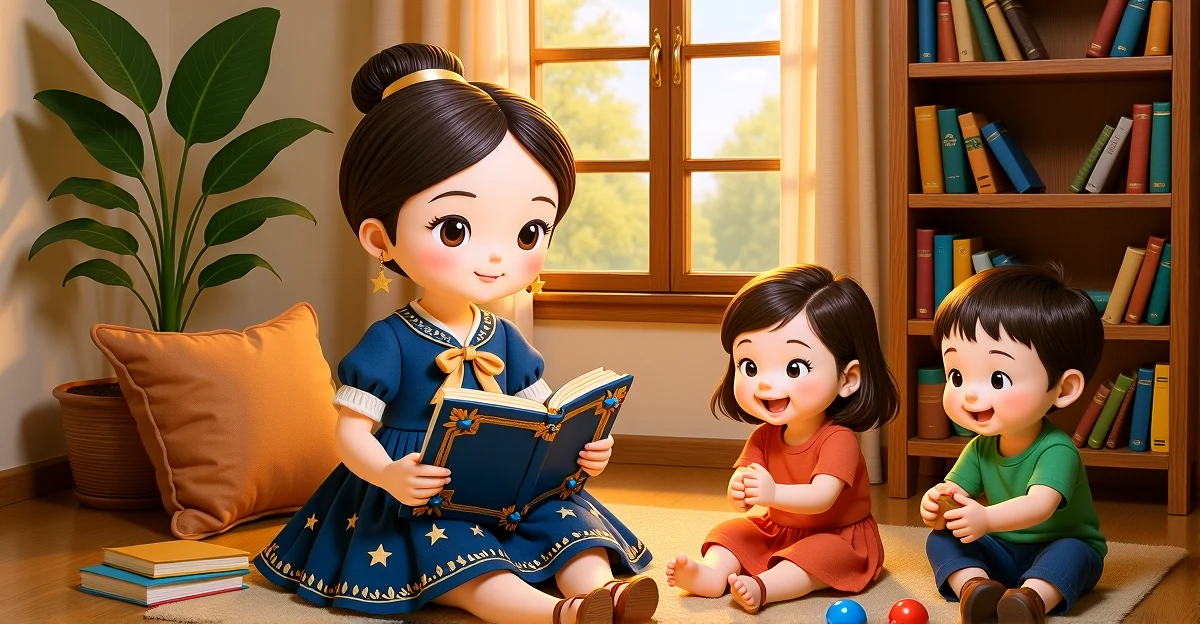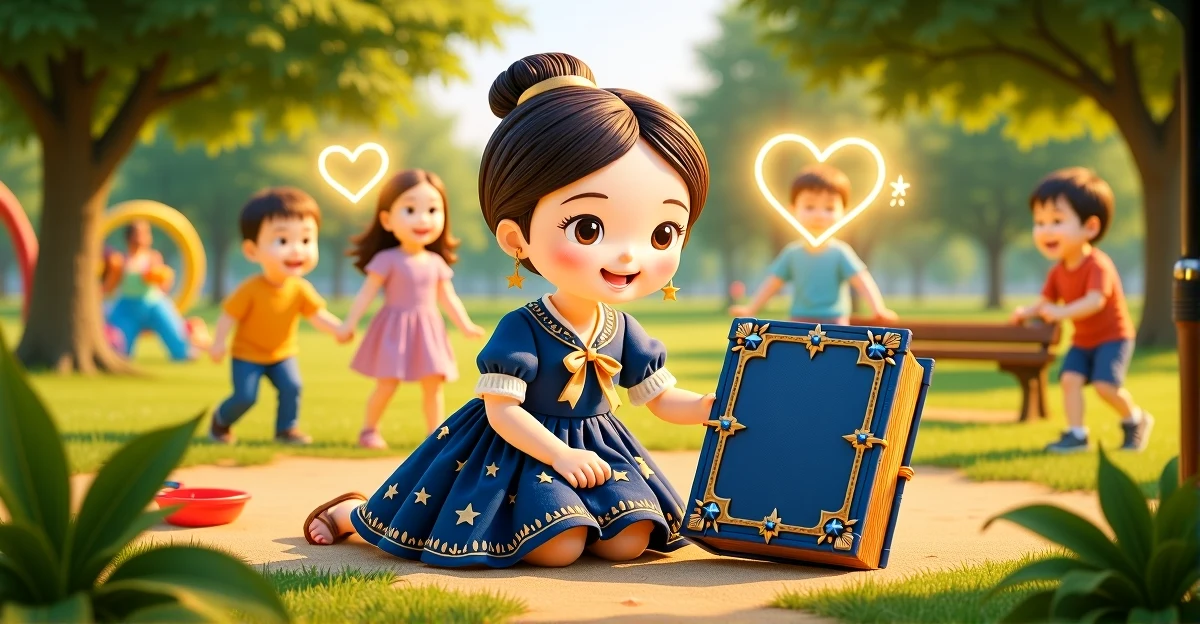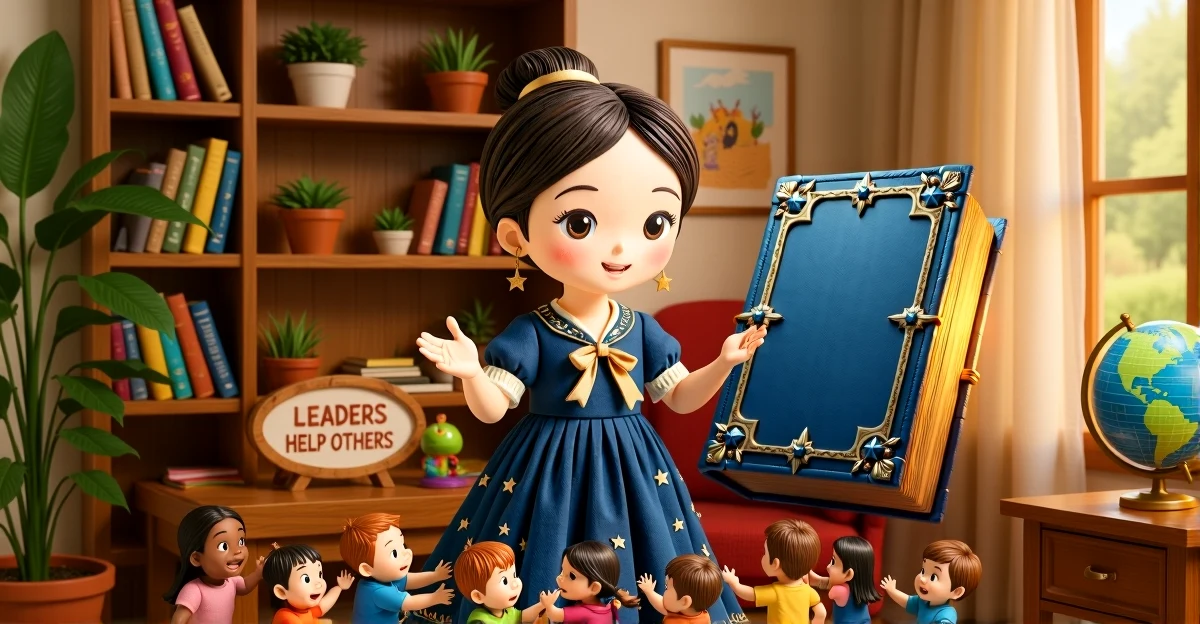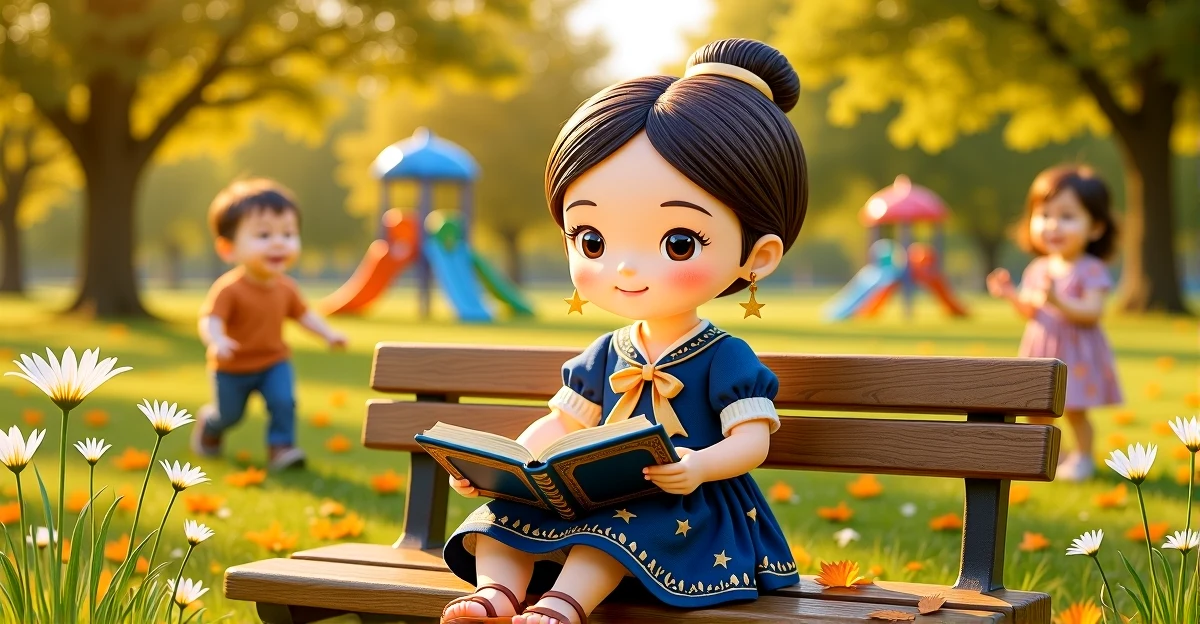

Hello, wonderful parent! It's me, Inara, and I am SO happy you're here today. You know what I've been noticing? So many parents are asking the Magic Book and me about something that touches their hearts deeply. They're watching their two or three year old at the playground, and their little one seems hesitant around other children. Maybe they watch from the sidelines. Maybe they play alone while other kids run and laugh together. And these beautiful parents wonder: Is something wrong? Should I be worried?
First, let me say this, and I want you to really hear it. Take a deep breath. What you're seeing is completely, beautifully, wonderfully NORMAL development. You are not alone in this concern, and more importantly, your child is exactly where they need to be.
In this guide, I'm going to share what the Magic Book has taught me about toddler social development, what the research reveals about how children learn friendship, and gentle ways you can support your child's natural social curiosity. Plus, I'll introduce you to a story that makes this whole journey feel magical and safe for your little one.
The Beautiful Truth About Toddler Social Development
Here's something the Magic Book whispers that I think will bring you so much peace. Your little one's brain is doing something absolutely REMARKABLE right now. They're learning one of the most complex skills humans ever master: how to connect with other people.
And just like learning to walk or learning to talk, this skill unfolds gradually, gently, in its own perfect time. Some children take their first steps at nine months. Others wait until fifteen months. Both are completely normal. Social development works the same way.
Between twenty-four and thirty-six months, children are building the foundational capacity to form friendships. They're learning to communicate emotions. They're discovering how to navigate peer interactions. This is the age when the seeds of friendship are being planted, and those seeds need time, warmth, and gentle encouragement to grow.
The Magic Book taught me this truth: Social curiosity in young children isn't something you force or fix. It's something you nurture, like tending a garden. Some flowers bloom quickly, others take their time, but all of them are growing toward the light.
What Research Reveals About How Toddlers Learn Friendship
Let me share what the research shows, because I think this will absolutely transform how you see what's happening when your child watches other kids from across the playground.
Scientists who study young children have discovered something fascinating. Toddlers aged two to four engage in social interactions with their peers about thirteen times every single hour. Thirteen times! That means your child's brain is CONSTANTLY practicing, learning, reaching out, even when it doesn't look like much is happening on the surface.
Young children manifest a remarkable motivation and ability for fast-paced interactions with multiple partners, with this social drive appearing as early as age two.
— Dr. Federico Rossano, University of California San Diego
So when your child watches other children from across the playground, they're not being shy or difficult. They're LEARNING. Their beautiful brain is observing, processing, figuring out how this whole friendship thing works. That's not a problem. That's intelligence in action.
Dr. Jeannie Ho, a professor who studies early childhood development, explains that children who are socially and emotionally healthy show interest in others, care about friends, and are learning to recognize and manage their own emotions. But here's the key: These skills are DEVELOPING. They're not finished. They're growing, just like your child is growing.
Strong, positive relationships help toddlers develop trust, learn to form friendships, communicate emotions, and deal with challenges.
— Zero to Three Organization
And here's something else the research reveals that I find SO beautiful. Four-year-olds engage in more cooperative social interactions than two-year-olds. That means your child WILL grow into more complex social play. It's coming. It's unfolding. You don't have to force it or worry about it. You just have to trust the process and provide gentle support along the way.
Understanding Parallel Play: The Foundation of Friendship
Let me tell you about something called parallel play, because understanding this will change EVERYTHING about how you see your toddler's social behavior.
When your child plays alongside another child without directly interacting, that's not a failure to connect. That's parallel play, and it's a completely normal, healthy stage of social development. They're learning to be comfortable in the presence of peers. That's the foundation that cooperative play will build upon later.
Think of it like this. Before a child can have a conversation, they need to learn individual words. Before they can run, they need to learn to walk. And before they can engage in complex cooperative play, they need to learn to simply BE near other children comfortably. That's what parallel play teaches them.
Your child sitting in the sandbox building their own castle while another child builds theirs nearby? That's not isolation. That's your child's brain learning: Other children are safe. Other children are interesting. I can do my thing while they do theirs, and we can exist peacefully together.
This is HUGE. This is the foundation of all future friendships. And it deserves to be celebrated, not worried about.
Gentle Ways to Support Your Child's Growing Social Interest
Now, let me share some gentle ways you can support your child's growing social interest, because I know you want to help. These strategies come from both research and the Magic Book's wisdom about how children learn best.
1. Create Low-Pressure Social Opportunities
Take your child to places where other children are present. Playgrounds, library story times, gentle playdates. But here's the key: Don't push. Don't force interactions. Just let your child be present, observing, getting comfortable. Their brain is learning even when they're just watching.
2. Narrate What You See
When you're at the park and another child is playing nearby, you might say something like: "Look, that little friend is building in the sand too. I wonder what they're making." This helps your child notice other children and start thinking about what those children might be feeling or doing. You're teaching them to be curious about other people's experiences.
3. Model Friendly Behavior
Say hello to other parents and children. Show your little one what reaching out looks like. Children learn SO much by watching us, and when they see you being warm and friendly, they're learning that social connection is safe and joyful.
4. Celebrate Small Moments of Connection
When your child makes eye contact with another child, or offers a toy, or simply smiles at someone, acknowledge it with warmth. "You noticed that little friend! That was so kind of you to share." These small celebrations build confidence and show your child that their social efforts matter.
5. Honor Their Pace
Some two-year-olds rush right into group play. Others need more time to warm up. Both paths are completely normal. Both children are learning. Both are exactly where they need to be. Your job isn't to speed up your child's timeline. Your job is to provide a safe, supportive environment where they can unfold at their own perfect pace.
6. Read Stories That Celebrate Connection
Stories are SUCH a powerful way to help children understand social concepts. When children see characters navigating friendship, showing interest in others, and experiencing the joy of connection, they're learning that reaching out is safe and wonderful.
A Story That Makes Social Connection Feel Magical
And this is where I get SO excited, because we have a story in The Book of Inara that was made for exactly this moment in your child's journey.
The Magic Show Where Everything Says Hello
Perfect for: Ages 2-3
What makes it special: This story follows Anya and Noah as they discover a magical puppet theater where every single prop giggles and introduces itself. The curtains wave hello. The puppet strings shimmer with excitement. Every object in the theater wants to be friends and share in the magic.
Why it helps with social interest: This story does something SO special. It shows children that the whole world wants to be their friend. That reaching out is met with warmth and welcome. That saying hello is the beginning of magic. When children internalize this message, social interaction stops feeling scary and starts feeling like an adventure.
How to use it: After you read this story together, practice saying hello to things around your home. "Hello, teddy bear!" "Hello, favorite cup!" This playful approach helps your child see that reaching out to others, including other children, is natural, safe, and fun. You're building their confidence in a gentle, magical way.
Discover The Magic Show Where Everything Says Hello in The Book of Inara
The Gift of Close Friendships
Here's something else the Magic Book taught me that I want you to know. Your child will develop one or two close friendships over time, and that's actually more important than having lots of casual playmates.
Research shows that even young children form these special bonds, and they're less likely to have conflicts with their close friends than with other children. Quality over quantity, always.
So if your child gravitates toward one particular friend, that's beautiful. That's them learning what deep connection feels like. Honor that friendship. Nurture it. Those early close relationships teach children what trust, loyalty, and love look like in action.
You don't need to worry if your toddler isn't friends with every child at the playground. That's not how friendship works, even for adults! What matters is that they're learning to connect, to care, to show interest in at least one or two special people. That's the foundation of a lifetime of meaningful relationships.
You're Doing Beautifully
Dear parent, I want you to know something. What you're doing right now, by being here, by learning, by caring so deeply about your child's social development, that's exactly what your little one needs. Your warmth, your patience, your belief in them. That's the foundation that all healthy social development is built upon.
Every child unfolds at their own pace. Your child is learning to show interest in others in their own perfect way, in their own perfect time. The research is clear: This is normal development. This is beautiful development. This is your child's brain doing exactly what it's supposed to do.
So let's take a moment to celebrate what's really happening here. Your child is developing social curiosity. They're learning to navigate the complex world of peer relationships. They're building the skills that will help them form friendships for the rest of their life. And you're supporting them with love and wisdom.
That's beautiful. That's enough. That's everything.
The Magic Book and I are always here for you, cheering you on, believing in you and your wonderful child. And remember, we have so many stories in The Book of Inara that celebrate friendship, connection, and the joy of reaching out to others.
With love and starlight,
Inara
Related Articles
- Understanding Parallel Play: Why Your Toddler Plays Near (Not With) Other Kids
- When Your Toddler Hurts Themselves During Big Feelings: Understanding and Gentle Support
- Understanding Why Toddlers Hit and Bite (And Gentle Ways to Help)
- Understanding Your Toddler's Help-Seeking Behavior (And Why It's Beautiful)
- Why Asking for Help is a Superpower: Teaching Your Toddler This Essential Life Skill
- The Beautiful Journey from Pointing to Words: Supporting Your Toddler's Language Development
Show transcript
Hello, wonderful parent! It's me, Inara, and I am SO happy you're here today. You know, the Magic Book and I have been noticing something beautiful happening in homes all around the world. Parents like you are asking such thoughtful questions about their little ones, and today, I want to talk about something that touches so many hearts. Helping your child show interest in other children.
First, let me say this. If you're worried because your two or three year old seems hesitant around other kids, or watches from the sidelines, or doesn't rush right into play, I want you to take a deep breath. You are not alone in this, and more importantly, what you're seeing is completely, beautifully normal development.
The Magic Book taught me something wonderful about this age. Your little one's brain is doing something absolutely REMARKABLE right now. They're learning one of the most complex skills humans ever master. How to connect with other people. And just like learning to walk or learning to talk, this skill unfolds gradually, gently, in its own perfect time.
Let me share what the research shows, because I think this will bring you so much peace. Scientists who study young children have discovered that toddlers aged two to four engage in social interactions with their peers about thirteen times every single hour. Thirteen times! That means your child's brain is CONSTANTLY practicing, learning, reaching out, even when it doesn't look like much is happening on the surface.
Dr. Jeannie Ho, a professor who studies early childhood development, explains that children who are socially and emotionally healthy show interest in others, care about friends, and are learning to recognize and manage their own emotions. But here's the key. These skills are DEVELOPING. They're not finished. They're growing, just like your child is growing.
And here's something else the research reveals that I find so beautiful. Between twenty-four and thirty-six months, children are building the foundational capacity to form friendships. They're learning to communicate emotions. They're discovering how to navigate peer interactions. This is the age when the seeds of friendship are being planted, and those seeds need time, warmth, and gentle encouragement to grow.
The Magic Book whispers this truth. Social curiosity in young children isn't something you force or fix. It's something you nurture, like tending a garden. Some flowers bloom quickly, others take their time, but all of them are growing toward the light.
So what does this mean for you, dear parent? It means that when your child watches other children from across the playground, they're not being shy or difficult. They're LEARNING. Their beautiful brain is observing, processing, figuring out how this whole friendship thing works. That's not a problem. That's intelligence in action.
And when your child plays alongside another child without directly interacting, that's not a failure to connect. That's called parallel play, and it's a completely normal, healthy stage of social development. They're learning to be comfortable in the presence of peers. That's the foundation that cooperative play will build upon later.
Now, let me share some gentle ways you can support your child's growing social interest, because I know you want to help. First, create low-pressure opportunities for your child to be around other children. Playgrounds, library story times, gentle playdates. But here's the key. Don't push. Don't force interactions. Just let your child be present, observing, getting comfortable.
Second, narrate what you see happening. When you're at the park and another child is playing nearby, you might say something like, Look, that little friend is building in the sand too. I wonder what they're making. This helps your child notice other children and start thinking about what those children might be feeling or doing.
Third, model friendly behavior yourself. Say hello to other parents and children. Show your little one what reaching out looks like. Children learn so much by watching us, and when they see you being warm and friendly, they're learning that social connection is safe and joyful.
Fourth, read stories together that celebrate friendship and connection. And this is where I get SO excited, because we have a story in The Book of Inara that was made for exactly this moment. It's called The Magic Show Where Everything Says Hello, and it's about Anya and Noah discovering a magical puppet theater where every single prop giggles and introduces itself.
This story does something so special. It shows children that the whole world wants to be their friend. That reaching out is met with warmth and welcome. That saying hello is the beginning of magic. After you read this story together, you can practice saying hello to things around your home. Hello, teddy bear! Hello, favorite cup! This playful approach helps your child see that reaching out to others, including other children, is natural, safe, and fun.
Fifth, celebrate small moments of connection. When your child makes eye contact with another child, or offers a toy, or simply smiles at someone, acknowledge it with warmth. You noticed that little friend! That was so kind of you to share. These small celebrations build confidence and show your child that their social efforts matter.
And here's something else the Magic Book taught me. Your child will develop one or two close friendships over time, and that's actually more important than having lots of casual playmates. Research shows that even young children form these special bonds, and they're less likely to have conflicts with their close friends than with other children. Quality over quantity, always.
So if your child gravitates toward one particular friend, that's beautiful. That's them learning what deep connection feels like. Honor that friendship. Nurture it. Those early close relationships teach children what trust, loyalty, and love look like in action.
I also want to remind you of something important. Every child unfolds at their own pace. Some two year olds rush right into group play. Others need more time to warm up. Both paths are completely normal. Both children are learning. Both are exactly where they need to be.
The research is so clear on this. Four year olds engage in more cooperative social interactions than two year olds. That means your child WILL grow into more complex social play. It's coming. It's unfolding. You don't have to force it or worry about it. You just have to trust the process and provide gentle support along the way.
And please, dear parent, be kind to yourself in this process too. It's so easy to compare your child to others, to worry that they're behind or different. But the Magic Book reminds us that every child is on their own unique journey. Your child is learning to show interest in others in their own perfect way, in their own perfect time.
What you're doing right now, by being here, by learning, by caring so deeply about your child's social development, that's exactly what your little one needs. Your warmth, your patience, your belief in them. That's the foundation that all healthy social development is built upon.
So let's take a moment to celebrate what's really happening here. Your child is developing social curiosity. They're learning to navigate the complex world of peer relationships. They're building the skills that will help them form friendships for the rest of their life. And you're supporting them with love and wisdom. That's beautiful. That's enough. That's everything.
The Magic Book and I are always here for you, cheering you on, believing in you and your wonderful child. And remember, we have so many stories in The Book of Inara that celebrate friendship, connection, and the joy of reaching out to others. Stories like The Magic Show Where Everything Says Hello are waiting to help your little one see that the world is full of friends just waiting to be discovered.
You're doing beautifully, wonderful parent. Your child is exactly where they need to be, and so are you. With love and starlight, Inara.