
If you're reading this, you probably care deeply about your child's education. Maybe you're watching your six or seven-year-old navigate first or second grade, and you're wondering: how can I help them succeed academically while keeping that beautiful spark of curiosity alive?
It's a question that weighs on many parents' hearts. We want our children to excel, to reach their full potential, to have every opportunity. But we also sense, somewhere deep down, that too much pressure might extinguish the very joy of learning we're trying to cultivate.
Here's what research from Harvard and Stanford reveals: you're right to trust that instinct.
The Surprising Truth About Academic Excellence
Dr. Carol Dweck at Stanford University has spent decades studying how children approach learning. Her groundbreaking research on growth mindset reveals something profound: children who believe their abilities can grow through effort and practice show greater persistence, more genuine engagement, and yes, higher achievement than children who believe intelligence is fixed.
But here's the part that might surprise you: parents shape this mindset through the words they choose every single day.
When your child brings home a test or project, what do you say? If you say "you're so smart," you might think you're building confidence. But research shows that praising innate ability can actually backfire. When children believe their worth depends on being smart, they start to avoid challenges. After all, if you're supposed to be smart, struggling means you're not.
Instead, try: "I can see how hard you worked on this" or "I love how you tried different strategies when that first one didn't work." You're teaching them something powerful: effort matters, strategies matter, and challenges are opportunities to grow.
The Haven from Pressure
Jennifer Breheny Wallace from Harvard Graduate School of Education studied what she calls "healthy strivers" - children who achieve academic success in healthy, sustainable ways. Her findings are illuminating.
These children felt deeply valued for who they were, not just for what they accomplished. Their homes were havens from performance pressure, places where their worth was never in question. As Wallace puts it: "Home needs to be a haven from that pressure, where our kids can recover, and where their value is never in question. Minimize criticism. Prioritize affection."
This doesn't mean lowering expectations. It means understanding the crucial difference between high expectations and pressure:
- High expectations say: I believe in you. I know you can do hard things. I'm here to support you.
- Pressure says: Your worth depends on your performance. I'll be disappointed if you don't succeed.
Children feel this difference in their bones.
How Stress Shuts Down Learning
The Collaborative for Academic, Social, and Emotional Learning (CASEL) has shown us that social-emotional competencies and academic mastery aren't competing priorities. They're intimately connected.
When children feel emotionally safe, when they know they're valued, when they have strong relationships, their brains are actually more available for learning. Stress and pressure shut down the prefrontal cortex - the part of the brain responsible for complex thinking, problem-solving, and creativity.
But connection and safety? They open it wide.
This is why children who feel unconditionally loved often perform better academically. It's not despite that love - it's because of it.
Practical Strategies for Your Home
1. Celebrate Curiosity More Than Correctness
When your child asks a question - even if it's the tenth question in five minutes - pause and honor that curiosity. Say "what a wonderful question" or "I love how your mind works."
Children who love asking questions become lifelong learners. Children who fear being wrong become afraid to try.
Consider creating a family question journal. Every day, write down one question your child asks, no matter how simple it might seem. At the end of the week, celebrate all those questions together. You're teaching them that their wondering mind is precious.
2. Reframe Mistakes as Learning Opportunities
When your child makes an error on homework or struggles with a concept, resist the urge to jump in and fix it immediately. Instead, try:
- "This is tricky, isn't it? What have you tried so far?"
- "Mistakes are how our brains grow. Let's figure this out together."
- "I love that you're willing to try hard things."
You're teaching them that struggle is part of learning, not a sign of failure.
3. Protect Time for Play and Wonder
I know there's pressure to fill every moment with enrichment activities and academic preparation. But children's brains need unstructured time to process, to imagine, to create.
Some of the most important learning happens when children are building with blocks, making up stories, or just daydreaming. Wonder is the foundation of all learning.
4. Change Your After-School Questions
Instead of "what grade did you get?" or "did you do well on your test?" try:
- "What made you curious today?"
- "What was something you learned that surprised you?"
- "What was challenging today?"
- "What are you proud of?"
Watch how their face lights up. That light, that spark - that's what we're protecting.
The Power of Stories
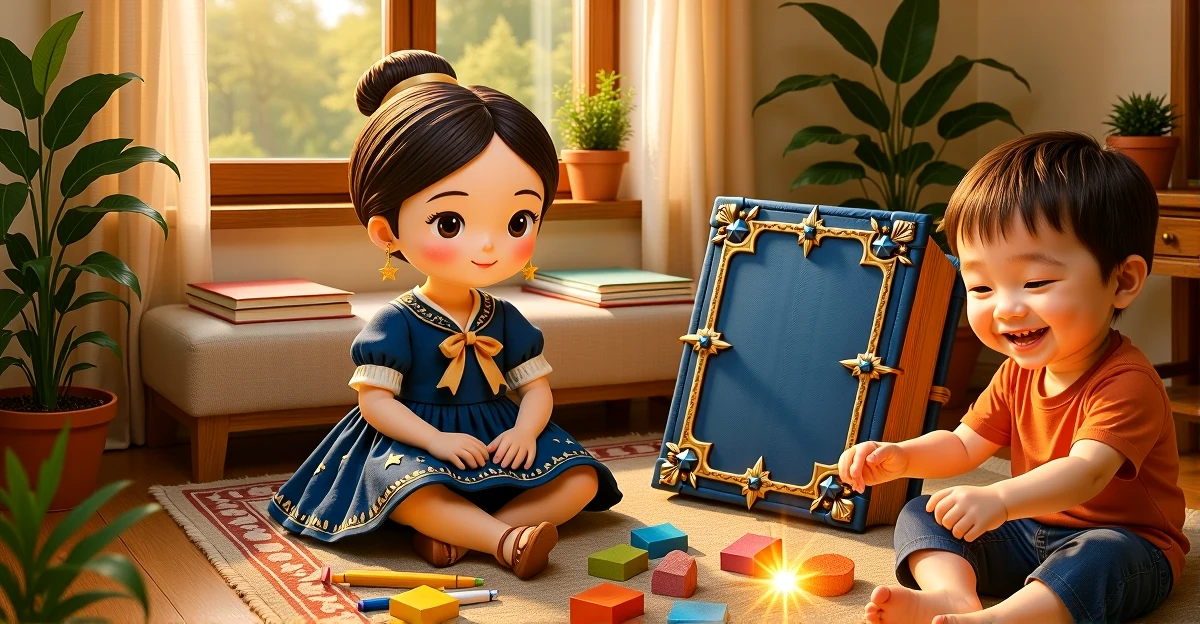
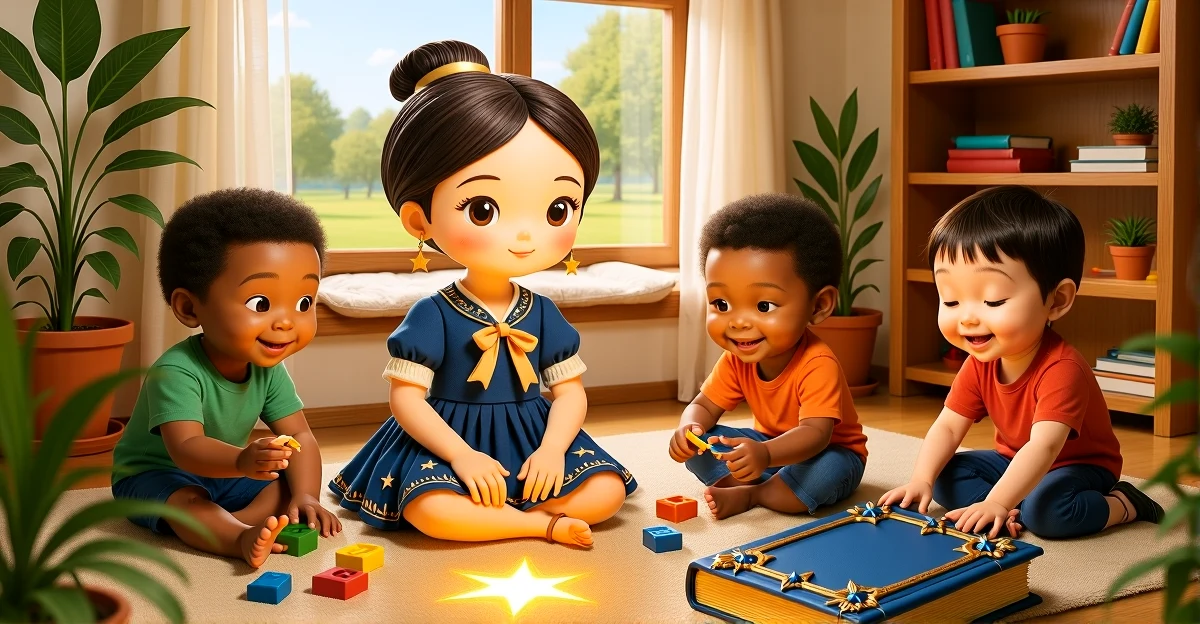
In The Book of Inara, there's a story called "The Giggling Gallery of Forgotten Questions." It's about Lucas and Ella, two curious children who discover an archive where old photographs giggle when asked the right questions. Each question unlocks more magical mysteries.
The children learn something profound: curiosity itself is valuable and rewarding. Asking questions isn't a test to pass or fail. It's a delightful adventure.
After reading this story with your child, you might notice them asking more questions, taking more intellectual risks, showing more joy in their learning. That's the power of stories that celebrate curiosity.
What the Research Really Shows
The National Academies of Sciences has demonstrated that parent praise patterns in early childhood predict motivational frameworks years later. The words you speak today are shaping how your child will approach challenges when they're ten, fifteen, twenty years old.
That's how powerful your voice is in their life.
And here's the beautiful news: you don't have to be perfect. You just have to be present, loving, and willing to see challenges as normal parts of development.
The Critical Window
Your child is six or seven years old. They're in a critical window where their relationship with learning is being formed. You have the power to help them see learning as:
- Joyful, not stressful
- An adventure, not an evaluation
- Something they do because they're curious, not because they're being judged
When you create a home where your child feels valued for who they are, where effort is celebrated, where mistakes are learning opportunities, and where curiosity is honored, you're not just supporting academic excellence. You're nurturing a lifelong love of learning.
Moving Forward
Tonight, when your child comes home from school, try something different. Before you ask about grades or tests, ask: "What made you curious today?"
Notice what happens. Notice how they respond. Notice the light in their eyes.
That light is what will carry them through every challenge they'll ever face. That curiosity is more valuable than any test score. That joy in learning is the foundation of all future success.
The research is clear: children achieve academic excellence not despite being valued unconditionally, but because of it.
You're doing something wonderful. Your child is lucky to have you.
Discover more stories that celebrate curiosity and learning in The Book of Inara app. Each story is crafted with love to support your child's emotional and intellectual growth.
Related Articles
- How to Nurture Your Child's Empathy and World-Changing Impact (Ages 6-7)
- Nurturing Your Child Innovation Mindset: A Gentle Guide for Ages 6-7
- When Your Child Makes Insensitive Comments: A Gentle Guide to Teaching Cultural Awareness
- When Your Child Expresses Thoughts of Self-Harm: Getting Help Now
- Nurturing Purpose and Meaning in Young Children: A Gentle Guide for Parents
Show transcript
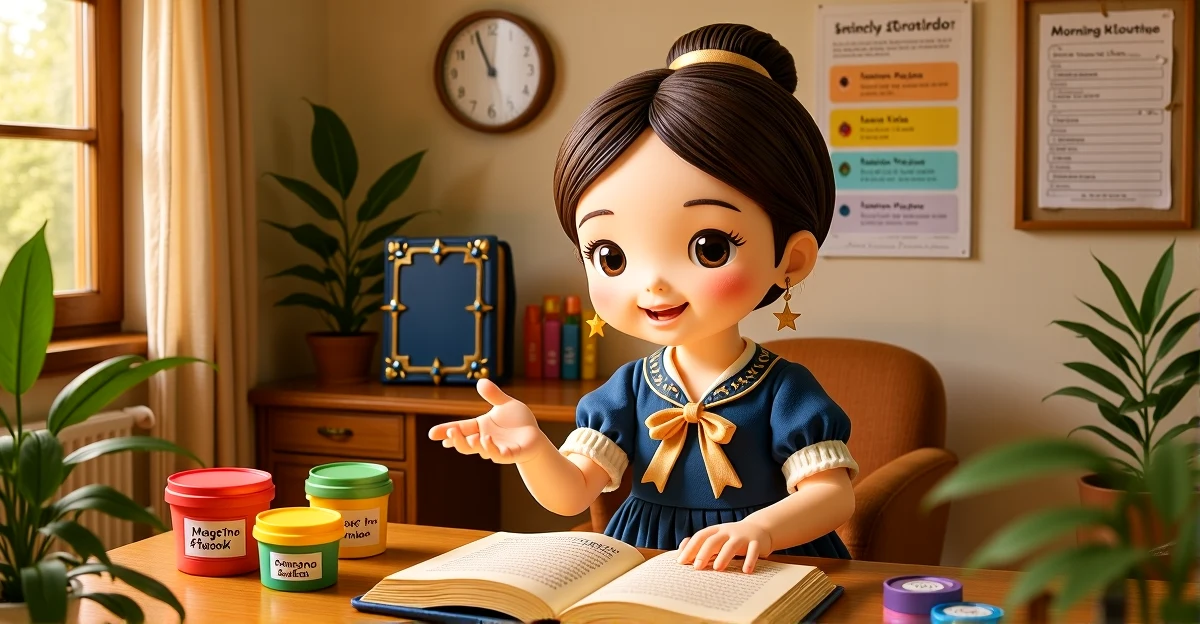
Hello, my wonderful friend! It's me, Inara, and I am so happy you're here today. You know, the Magic Book and I have been noticing something beautiful happening in homes all around the world. Parents like you are asking such thoughtful questions about how to support your child's learning journey, and today I want to talk about something that's on many hearts: how to help your child achieve academic excellence while keeping that beautiful spark of curiosity alive.
If you're here, it probably means you care deeply about your child's education. Maybe you're watching them start first or second grade, and you're wondering how to set them up for success. Maybe you're seeing other children excel and you're thinking, how can I help my child reach their full potential? And here's what I want you to know right from the start: the fact that you're asking this question with such care and thoughtfulness means you're already doing something WONDERFUL.
The Magic Book has taught me something profound about learning, and it comes from some of the wisest researchers at places like Harvard and Stanford. Are you ready for this? Children who feel deeply valued for who they are, separate from their achievements, actually perform BETTER academically. Isn't that beautiful? It's not despite being loved unconditionally that children excel. It's BECAUSE of it.
Let me share what the research shows. Dr. Carol Dweck at Stanford has spent decades studying how children approach learning, and she discovered something called growth mindset. Children who believe that their abilities can grow through effort and practice show greater persistence, more genuine engagement, and yes, higher achievement than children who believe intelligence is fixed. And here's the magical part: parents shape this mindset through the words they choose every single day.
When your child brings home a test or a project, what do you say? If you say, you're so smart, you might think you're building confidence. But the Magic Book whispers a different truth. When we praise innate ability, children start to believe their worth depends on being smart. And when they hit a challenge, which they will, they think, maybe I'm not smart after all. But when you say, I can see how hard you worked on this, or, I love how you tried different strategies when that first one didn't work, you're teaching them something powerful: effort matters, strategies matter, and challenges are opportunities to grow.
Jennifer Breheny Wallace from Harvard Graduate School of Education studied what she calls healthy strivers, children who achieve academic success in healthy, sustainable ways. And do you know what she found? These children felt deeply valued for who they were, not just for what they accomplished. Their homes were havens from performance pressure, places where their worth was never in question. She says, and I love this, minimize criticism and prioritize affection. Home needs to be where your child can recover from the pressure they feel everywhere else.
Now, I know what some of you might be thinking. But Inara, if I don't push my child, how will they reach their potential? And here's what the Magic Book showed me: there's a beautiful difference between high expectations and pressure. High expectations say, I believe in you, I know you can do hard things, and I'm here to support you. Pressure says, your worth depends on your performance, and I'll be disappointed if you don't succeed. Can you feel the difference?
The Collaborative for Academic, Social, and Emotional Learning has shown us that social-emotional competencies and academic mastery aren't competing priorities. They're intimately connected. When children feel emotionally safe, when they know they're valued, when they have strong relationships, their brains are actually MORE available for learning. Stress and pressure shut down the prefrontal cortex, the part of the brain responsible for complex thinking. But connection and safety open it wide.
So what does this look like in your home? Let me share some practical wisdom from the Magic Book. First, celebrate curiosity more than correctness. When your child asks a question, even if it's the tenth question in five minutes, pause and honor that curiosity. Say, what a WONDERFUL question, or, I love how your mind works. Because here's the truth: children who love asking questions become lifelong learners. Children who fear being wrong become afraid to try.
Second, reframe mistakes as learning opportunities. When your child makes an error on homework or struggles with a concept, resist the urge to jump in and fix it immediately. Instead, try saying, this is tricky, isn't it? What have you tried so far? Or, mistakes are how our brains grow. Let's figure this out together. You're teaching them that struggle is part of learning, not a sign of failure.
Third, protect time for play and wonder. I know there's pressure to fill every moment with enrichment activities and academic preparation. But children's brains need unstructured time to process, to imagine, to create. Some of the most important learning happens when children are building with blocks, making up stories, or just daydreaming. The Magic Book reminds us that wonder is the foundation of all learning.
And here's where I want to tell you about a story that captures this beautifully. In The Book of Inara, there's a tale called The Giggling Gallery of Forgotten Questions. It's about Lucas and Ella, two curious children who discover an archive where old photographs giggle when asked the right questions. Each question unlocks more magical mysteries, and the children learn something profound: curiosity itself is valuable and rewarding. Asking questions isn't a test to pass or fail. It's a delightful adventure.
After you read this story with your child, you might try creating a family question journal. Every day, write down one question your child asks, no matter how silly or simple it might seem. At the end of the week, celebrate all those questions together. You're teaching them that their wondering mind is precious, that curiosity is something to honor, not something that needs to produce correct answers.
The National Academies of Sciences has shown that parent praise patterns in early childhood predict motivational frameworks years later. The words you speak today are shaping how your child will approach challenges when they're ten, fifteen, twenty years old. That's how powerful your voice is in their life. And the beautiful news is, you don't have to be perfect. You just have to be present, loving, and willing to see challenges as normal parts of development.
Here's what I want you to remember, my wonderful friend. Your child is six or seven years old. They're in a critical window where their relationship with learning is being formed. And you have the power to help them see learning as joyful, as an adventure, as something they do because they're curious, not because they're being evaluated. When you create a home where your child feels valued for who they are, where effort is celebrated, where mistakes are learning opportunities, and where curiosity is honored, you're not just supporting academic excellence. You're nurturing a lifelong love of learning.
The research is clear, and the Magic Book confirms it: children achieve academic excellence not despite being valued unconditionally, but because of it. So tonight, when your child comes home from school, before you ask about grades or tests, try asking, what made you curious today? Or, what was something you learned that surprised you? Watch their face light up. That light, that spark, that's what we're protecting. That's what will carry them through every challenge they'll ever face.
The Magic Book and I are always here for you, cheering you on, believing in you and your beautiful child. You're doing something WONDERFUL. Until our next adventure together, with love and starlight, Inara.