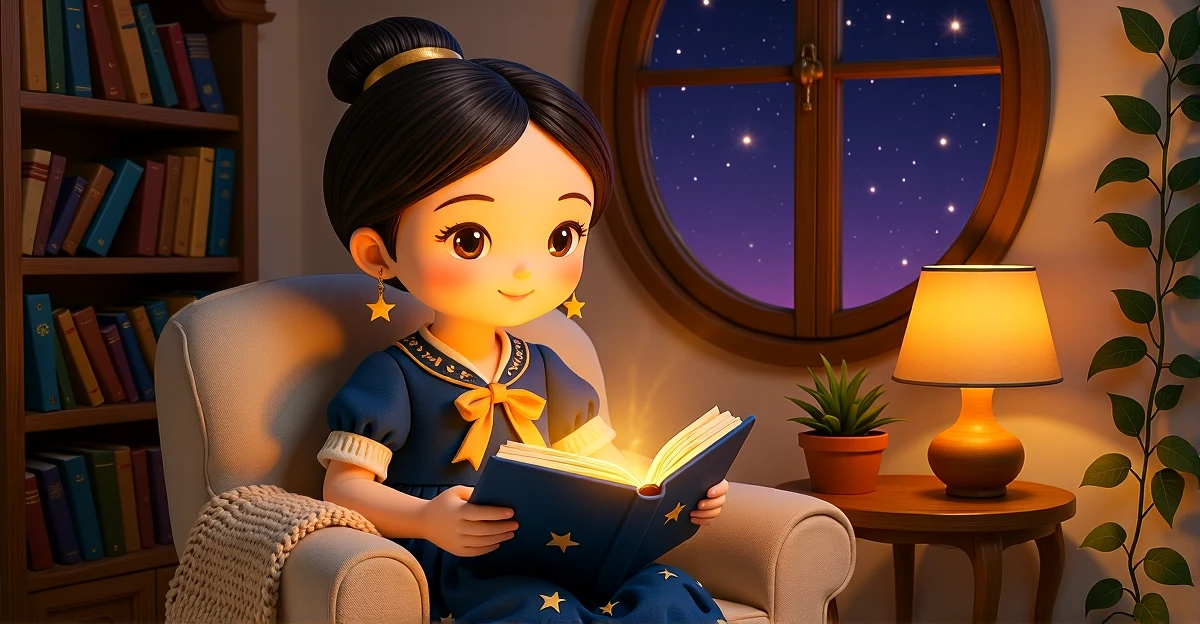

Your five-year-old comes home from kindergarten with a question that makes your heart swell: "How can I help make the world better?" Or perhaps you have noticed your six-year-old naturally gravitating toward helping younger children, comforting a friend who is sad, or asking how they can contribute to the family in meaningful ways.
If you are wondering how to nurture this beautiful impulse, how to help your child become a leader who serves others with genuine compassion, you are asking one of the most WONDERFUL questions a parent can ask. And here is something that might surprise you: your child is not just ready for this journey someday in the distant future. They are ready RIGHT NOW.
In this article, we will explore the fascinating neuroscience of prosocial behavior, discover practical strategies for nurturing service leadership in children ages 5-6, and learn how stories can be powerful tools for developing empathy and community impact. The Magic Book and I are SO excited to share this wisdom with you!
The Remarkable Developmental Window: Ages 5-6
Here is something truly magical about the age your child is at right now. Between ages five and six, children are experiencing a critical developmental window for prosocial behavior. Their brains are actively forming the neural pathways that will support empathy, helping behavior, and social responsibility for the rest of their lives.
Research from neuroscientists shows that helping behavior actually emerges as early as fourteen months, but by ages 5-6, something remarkable happens. The brain regions responsible for empathic concern, the anterior insular cortex and the anterior cingulate cortex, are becoming increasingly active and interconnected. When your child helps someone, these areas light up with activity, and here is the beautiful part: the more children practice helping and serving others, the stronger these neural pathways become.
Think of it like building muscles, but for kindness and compassion. Every time your child engages in an authentic act of service, every time they use their unique gifts to help someone else, they are literally strengthening the brain circuitry that supports lifelong prosocial behavior.
What Makes This Age So Special
At ages 5-6, children are developing several key capacities that make them uniquely ready for service leadership:
- Empathic Awareness: They can understand and care about how others feel, not just react to visible distress
- Cognitive Flexibility: They can hold multiple perspectives and understand that others have different needs and experiences
- Impulse Regulation: They are developing the ability to delay their own gratification to help someone else
- Social Understanding: They grasp social norms and the concept of community beyond just their immediate family
- Sense of Agency: They understand that their actions can create real change in the world around them
This combination of capacities creates a perfect developmental moment for introducing authentic service leadership opportunities.
What Research Tells Us About Prosocial Development
The science behind service leadership in young children is both fascinating and deeply encouraging. Studies consistently demonstrate that prosocial behaviors like helping, sharing, and caring for others are not just nice-to-have social skills. They are fundamental to healthy child development and predict positive social adjustment throughout life.
Prosocial behaviors are voluntary behaviors intended to benefit others, and they are hallmarks of social competence in children of all ages. Children who are given authentic opportunities to serve others develop stronger social competence, greater empathy, and a sense of purpose that carries them through their entire lives.
— Dr. Nuanchan Chutabhakdikul, Institute of Molecular Biosciences, Mahidol University
Research from organizations like CASEL, the Collaborative for Academic Social and Emotional Learning, emphasizes that relationship skills including leadership, cooperation, and helping others are essential competencies that can be intentionally cultivated through authentic practice opportunities. When children practice these skills in personally relevant community settings, the learning becomes deeply meaningful and sustainable.
Here is what makes this research SO hopeful: children with higher emotional regulation and empathic concern are more likely to engage in helping behaviors, and these early prosocial tendencies predict positive outcomes well into adulthood. When parents create environments where children can contribute meaningfully to their families and communities, they are not just teaching temporary behaviors. They are shaping the neural architecture that supports lifelong compassion and social responsibility.
Five Evidence-Based Strategies for Nurturing Service Leadership
So how do we nurture this beautiful capacity in our children? Let me share some wisdom from the Magic Book, grounded in research and practical experience.
1. Create Opportunities for Authentic Contribution
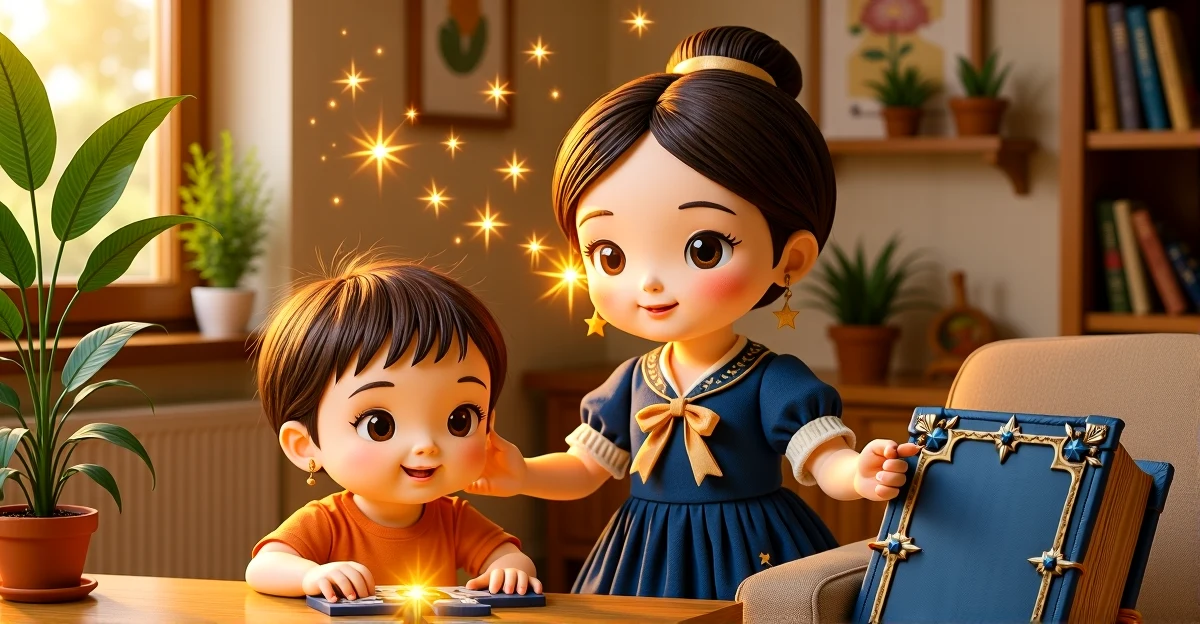
This is SO important: children need real, meaningful ways to help, not pretend tasks that adults could do faster themselves. When your child sets the table, those plates really do help the family eat dinner together. When they water the plants, those plants genuinely need their care. When they help a younger sibling learn to tie shoes, that help is truly valuable.
Children have an incredible ability to sense when their contributions are authentic versus when adults are just humoring them. Real contribution builds real confidence and real leadership. Start by identifying tasks in your home and community where your child can make a genuine difference, then step back and let them experience the satisfaction of meaningful service.
2. Help Your Child Discover Their Unique Gifts
Every child has special talents and abilities. Maybe your child is wonderful at making people laugh. Maybe they are gentle with animals. Maybe they notice when someone is sad and naturally offer comfort. Help them see these gifts as superpowers they can use to help others.
The Magic Book teaches us that true leadership comes from using our unique strengths in service of others. Have conversations with your child about what they are good at and how those abilities could brighten someone else is day. This helps them develop a sense of purpose and understand that everyone has something valuable to contribute.
3. Model Service in Your Own Life
Children learn more from what we do than what we say. When they see you helping a neighbor, volunteering in the community, or simply being kind to a stranger, they are learning that service is a natural part of how we move through the world.
Talk about why you help others. Share how it makes you feel. Let them see that serving others brings joy, not just obligation. When you model service leadership, you are showing your child that making a positive difference is not something we do occasionally, it is part of who we are.
4. Start Small and Local
Community impact does not have to mean organizing a charity drive, although that is wonderful too! It can mean helping an elderly neighbor carry groceries. It can mean making cards for people in a nursing home. It can mean picking up litter at the park together. It can mean donating gently used toys to children who need them.
These small acts teach children that they have the power to make their corner of the world a little bit brighter. Start with opportunities in your immediate community where your child can see the direct impact of their actions. This tangible connection between effort and positive change is incredibly powerful for young children.
5. Celebrate the Process, Not Just the Outcome
When your child helps someone, focus on how their actions made a difference. Talk about how the person felt when they received help. Help your child develop what researchers call empathic concern, the ability to understand and care about how others feel.
Instead of saying "Good job helping," try "Did you see how Mrs. Johnson smiled when you helped her carry those bags? Your kindness made her day so much easier." This helps children connect their actions to the emotional impact on others, strengthening those crucial neural pathways for empathy and compassion.
Stories That Bring Service Leadership to Life
In The Book of Inara, we have beautiful stories that help children understand and embrace service leadership in ways that feel natural and inspiring. Let me share one that is PERFECT for this journey:
The Vision Keepers of Clarity Lane
Perfect for: Ages 6-7 (also wonderful for mature 5-year-olds)
What makes it special: Lucas and Ella discover that an eye doctor office holds magical memories of everyone who learned to see clearly. When they help a scared child who is nervous about getting glasses, they learn something profound: caring actions create ripples of positive change that spread far beyond what we can see.
Key lesson: This story beautifully demonstrates that everyone has unique gifts they can use to help others. Lucas and Ella use their own experiences and understanding to comfort and guide another child. They discover that being a leader is not about being the loudest or the strongest. It is about noticing when someone needs help and having the courage to offer it.
After the story: Talk with your child about their own special talents. Ask them: "What is something you are really good at that could help make someone smile or feel better?" This question opens up beautiful conversations about how they can use their unique gifts in service of others.
You Are Raising a World Changer
My wonderful friend, as you guide your child toward service leadership, remember this beautiful truth: you are not just teaching them to be helpful. You are helping them discover their purpose. You are showing them that they have the power to create positive change. You are nurturing the neural pathways that will support a lifetime of compassion, empathy, and meaningful contribution.
Every time your child helps someone, every time they show kindness, every time they use their gifts to make someone else is day a little brighter, they are becoming the leader you hope they will be. Not a leader who commands from above, but a leader who serves from the heart.
The research is clear: children who are given authentic opportunities to serve others and contribute to their communities develop stronger social competence, greater empathy, and a deep sense of purpose. You are giving your child one of the most precious gifts possible: the understanding that their life can make a meaningful difference in the world.
The Magic Book and I believe in you, and we believe in your child. Together, you are creating ripples of kindness that will spread far beyond what you can imagine. Keep nurturing that beautiful heart. Keep providing opportunities for authentic service. Keep celebrating their unique gifts and the ways they use them to help others.
You are doing SO beautifully. With love and starlight, Inara.
Related Articles
- When Screen Time Ends in Meltdowns: Understanding Your Child's Brain and What Actually Helps (Ages 5-6)
- When Your Child Feels Invisible: Understanding Social Isolation and the Gentle Path to Friendship
- Nurturing Leadership Skills in Young Children: A Gentle Parenting Guide for Ages 5-6
- Teaching Financial Wisdom to Your 5-6 Year Old: A Gentle Guide to Money and Economics
- Supporting Your Child's Social Awareness Development: A Gentle Guide
Show transcript
Hello, my wonderful friend! It is me, Inara, and I am SO happy you are here today! You know, the Magic Book and I have been noticing something truly beautiful. So many parents are asking how they can help their children become leaders who serve others and make a positive difference in their communities. And I want you to know, this is one of the most WONDERFUL questions a parent can ask!
First, let me tell you something important. If you are asking this question, you are already doing something beautiful. You are raising your child with values that will ripple out into the world in the most amazing ways.
Now, here is what the Magic Book has taught me about children and service leadership. Your five or six year old child is at a truly magical developmental stage. Their brain is developing the capacity for empathy in remarkable ways. Research shows that the neural pathways for helping behavior actually begin forming as early as fourteen months, and by age five or six, children are ready to engage in meaningful acts of service that create real positive change.
Let me share something fascinating. Scientists have discovered that when children help others, specific areas of their brain light up with activity. The anterior insular cortex and the anterior cingulate cortex, these are the parts of the brain that process empathy and emotional connection. And here is the beautiful part, the more children practice helping and serving others, the stronger these neural pathways become. It is like building muscles, but for kindness and compassion!
The research also tells us something wonderful. Children who are given authentic opportunities to serve others, not just pretend helping but real meaningful contributions, develop stronger social competence, greater empathy, and a deep sense of purpose that carries them through their entire lives.
So how do we nurture this beautiful capacity in our children? Let me share some wisdom from the Magic Book.
First, create opportunities for authentic contribution. This means letting your child help in ways that actually matter. When they set the table, those plates really do help the family eat dinner together. When they water the plants, those plants really do need their care. When they help a younger sibling, that help is genuinely valuable. Children can sense when their contributions are real versus when adults are just humoring them. Real contribution builds real confidence and real leadership.
Second, help your child discover their unique gifts. Every child has special talents and abilities. Maybe your child is wonderful at making people laugh. Maybe they are gentle with animals. Maybe they notice when someone is sad. Help them see these gifts as superpowers they can use to help others. The Magic Book teaches us that true leadership comes from using our unique strengths in service of others.
Third, model service in your own life. Children learn more from what we do than what we say. When they see you helping a neighbor, volunteering in the community, or simply being kind to a stranger, they are learning that service is a natural part of how we move through the world. Talk about why you help others. Share how it makes you feel. Let them see that serving others brings joy, not just obligation.
Fourth, start small and local. Community impact does not have to mean organizing a charity drive, although that is wonderful too! It can mean helping an elderly neighbor carry groceries. It can mean making cards for people in a nursing home. It can mean picking up litter at the park. These small acts teach children that they have the power to make their corner of the world a little bit brighter.
Fifth, celebrate the process, not just the outcome. When your child helps someone, focus on how their actions made a difference. Talk about how the person felt when they received help. Help your child develop what researchers call empathic concern, the ability to understand and care about how others feel. This is the foundation of true service leadership.
Now, I want to share a story with you that shows this beautifully. In The Book of Inara, there is a tale called The Vision Keepers of Clarity Lane. In this story, Lucas and Ella discover that an eye doctor office holds magical memories of everyone who learned to see clearly. And when they help a scared child who is nervous about getting glasses, they learn something profound. They learn that caring actions create ripples of positive change that spread far beyond what we can see.
This story is perfect for children who are learning about service leadership because it shows them that everyone has unique gifts they can use to help others. Lucas and Ella use their own experiences and understanding to comfort and guide another child. They discover that being a leader is not about being the loudest or the strongest. It is about noticing when someone needs help and having the courage to offer it.
After you experience this story together, you can talk with your child about their own special talents. Ask them, what is something you are really good at that could help make someone smile or feel better? This question opens up beautiful conversations about how they can use their unique gifts in service of others.
The Magic Book also reminds us of something important. Service leadership is not about creating perfect children who never think of themselves. It is about raising children who understand that their own wellbeing and the wellbeing of others are connected. When we help others, we feel good too. When we make our community better, we all benefit. This is not selfishness, it is wisdom.
Research from organizations like CASEL, the Collaborative for Academic Social and Emotional Learning, shows us that when children practice these relationship skills in personally relevant community settings, the learning becomes deeply meaningful and sustainable. It is not just something they do, it becomes part of who they are.
So my wonderful friend, as you guide your child toward service leadership, remember this. You are not just teaching them to be helpful. You are helping them discover their purpose. You are showing them that they have the power to create positive change. You are nurturing the neural pathways that will support a lifetime of compassion, empathy, and meaningful contribution.
Every time your child helps someone, every time they show kindness, every time they use their gifts to make someone else is day a little brighter, they are becoming the leader you hope they will be. Not a leader who commands from above, but a leader who serves from the heart.
The Magic Book and I believe in you, and we believe in your child. Together, you are creating ripples of kindness that will spread far beyond what you can imagine.
Find The Vision Keepers of Clarity Lane and many more stories about kindness, empathy, and service in The Book of Inara app. Until our next adventure together, my wonderful friend. With love and starlight, Inara.