
Hello, wonderful parent! You know what I love about the question you're asking? You're not just thinking about your child's success. You're thinking about the kind of person they'll become, the kindness they'll bring to the world, the positive change they'll create. That tells me everything about your heart.
When you ask how to help your child become a master communicator who influences others positively, you're really asking something beautiful: How can I raise someone who uses their voice to lift others up, to create fairness, to bring people together? And I want you to know, you're already on the right path just by asking this question.
In this post, I'm going to share something the Magic Book taught me that might surprise you. We'll explore what research tells us about communication development at ages six and seven, discover the secret skill that all great communicators share, and learn practical ways you can nurture these abilities in your child right now. Plus, I'll introduce you to a story that shows this beautifully.
The Surprising Secret to Master Communication
When we think about master communicators, we often picture someone who speaks beautifully, who has all the right words, who commands attention when they talk. And yes, those things matter. But here's the secret the Magic Book whispers: The very best communicators, the ones who truly influence others positively, they don't start with speaking. They start with listening.
I know that might sound backwards! But stay with me, because this changes everything.
Think about the people in your own life who have influenced you most positively. Chances are, they weren't the loudest voices in the room. They were the ones who really listened to you. Who made you feel heard and understood. Who asked thoughtful questions and genuinely cared about your answers. That's the kind of communicator your child can become.
Why Ages 6-7 Are a Critical Window
Your child is in this AMAZING developmental window right now. Research shows that children ages six and seven are experiencing explosive growth in their communication abilities. Their brains are learning about twenty new words every single day. Can you imagine? Twenty words! Their vocabulary is expanding rapidly, their understanding of language is deepening, and they're beginning to grasp the nuances of how communication works.
But here's what's even more important. They're also learning about social dynamics, about how their words affect others, about the invisible threads that connect hearts through conversation. This is the perfect time to help them develop the skills that will serve them for a lifetime.
What Research Tells Us About Communication Mastery
The National Association for the Education of Young Children has done beautiful research on how children's communication skills develop. They tell us that these skills grow through what they call serve and return interactions. Think of it like a dance. You say something, your child responds. They share an idea, you listen and build on it. Back and forth, back and forth.
Children's communication and social skills, including self-regulation, develop through serve and return interactions that shape the brain's architecture.
— National Association for the Education of Young Children
These interactions aren't just nice moments. They're literally building the neural pathways in your child's brain that will help them communicate for the rest of their lives. Every conversation you have is shaping their capacity to connect with others.
Now, here's where it gets really interesting. Leadership development research shows us that the most effective leaders, the people who influence others positively and create real change, they all share one foundational skill. They listen. They truly listen. Not just waiting for their turn to talk, but genuinely seeking to understand others first.
A good leader isn't the loudest person in the room—they're someone who listens.
— Boys & Girls Clubs of America, Leadership Development Research
This is SO important. When you want to help your child become a master communicator, the most powerful thing you can do is teach them to listen with their whole heart. To be curious about what others think and feel. To ask questions. To seek to understand before seeking to be understood.
Five Ways to Nurture Communication Mastery
The beautiful thing is, you can start nurturing these skills right now, today, in your own home. Here are five wonderful ways to help your child develop communication mastery and positive influence:
1. Practice Active Listening Together
When your child tells you about their day, put down your phone. Get down to their eye level. Really listen. Show them what it looks like to give someone your full attention. Ask follow-up questions. Be curious about the details. This teaches them that listening is an active skill, not a passive one.
You might say things like: Tell me more about that. How did that make you feel? What happened next? These questions show that you're truly engaged, and your child learns by watching you.
2. Encourage Perspective-Taking
When your child is having a disagreement with a sibling or friend, instead of jumping straight to solutions, ask questions that build empathy. How do you think they're feeling right now? What might they be trying to tell you? Why do you think they did that?
This builds empathy, and empathy is the foundation of positive influence. When children learn to consider other perspectives, they develop the ability to communicate in ways that bring people together rather than pushing them apart.
3. Create Opportunities for Collaborative Problem-Solving
Instead of always having the answers, invite your child to help find solutions. What do you think we should do about this? How could we make this fair for everyone? When children practice working together to solve problems, they learn that the best solutions often come from listening to multiple voices.
This is where real leadership develops. Not from having all the answers, but from bringing people together to find answers collaboratively.
4. Model the Communication You Want to See
Let your child hear you listening to others, considering different viewpoints, speaking with kindness even when you disagree. Children learn more from what we do than what we say. When they see you communicating with respect and empathy, they absorb those patterns into their own communication style.
You might narrate your thinking sometimes: I'm listening carefully to understand what Grandma is saying. Even though I see it differently, I want to hear her perspective. This makes your thought process visible to your child.
5. Celebrate When You See These Skills in Action
When you notice your child really listening to someone, when you see them trying to understand another person's perspective, when they use their voice to help make something fair, acknowledge it! You could say something like: I noticed how carefully you listened to your friend just now. That's what great communicators do. They listen first.
This positive reinforcement helps your child recognize these skills in themselves and motivates them to continue developing them.
A Story That Shows This Beautifully
In The Book of Inara, we have a story that brings these concepts to life in the most magical way:
The Marble Voices of Ancient Athens
Perfect for: Ages 6-7
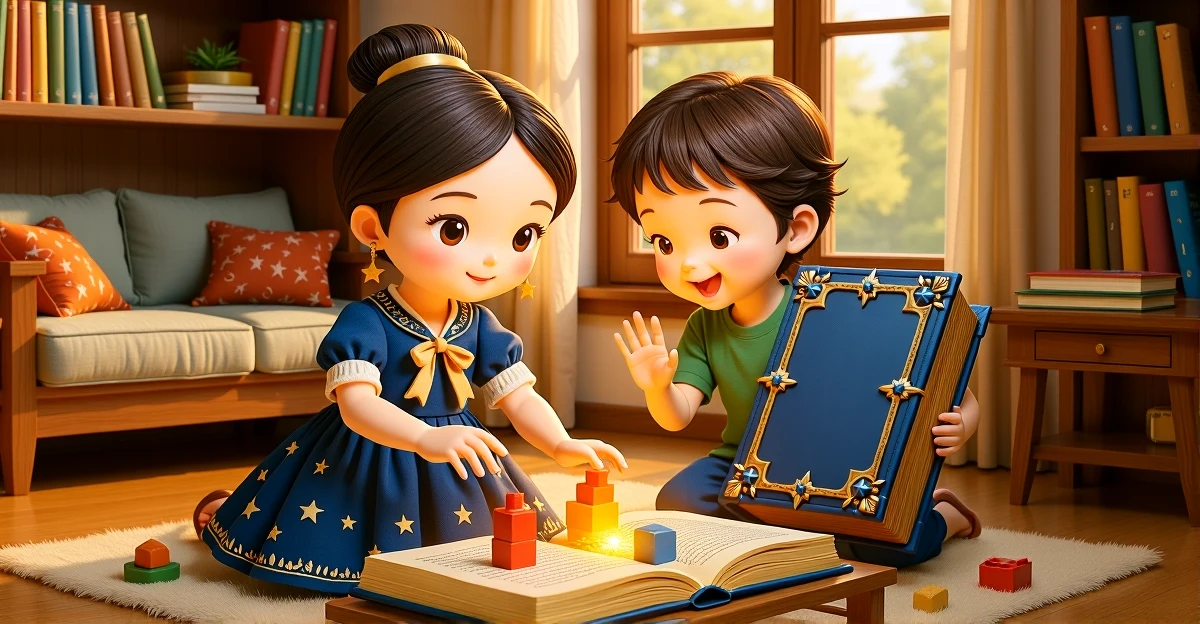
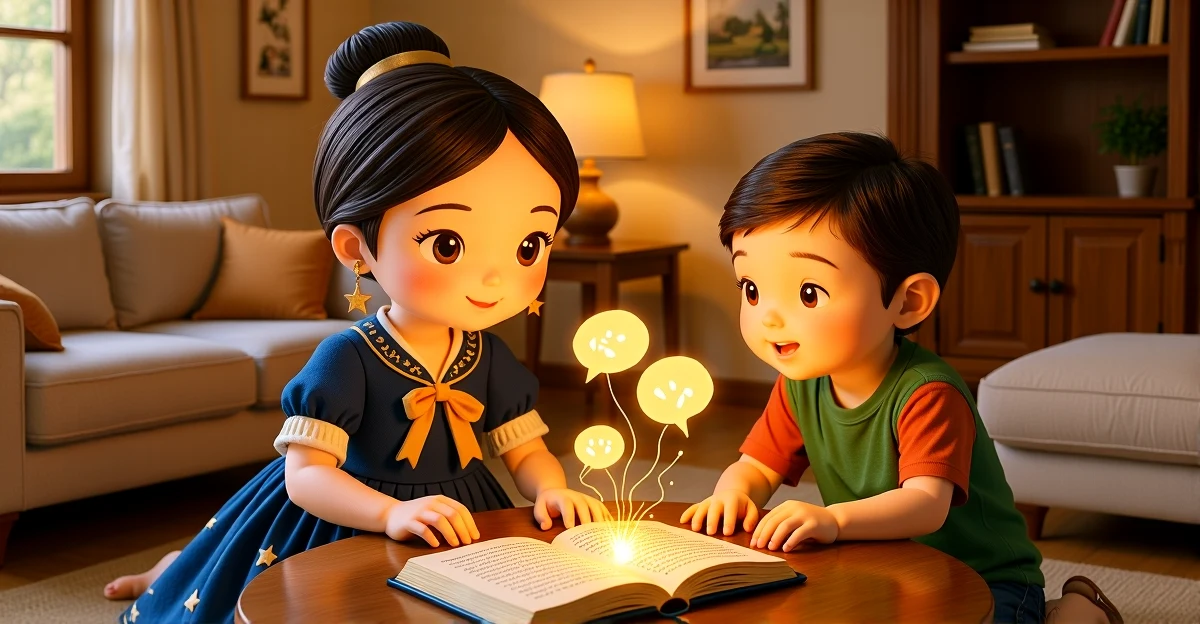
What makes it special: Lucas and Ella discover that ancient marble columns glow and echo with voices whenever children speak up for fairness. Through this magical adventure, they learn how the small actions of listening to everyone and working together to find fair solutions actually created democracy itself.
Key lesson: True influence doesn't come from being the loudest voice or having all the answers. It comes from bringing people together, from listening to different perspectives, from helping everyone feel heard. When you use your voice to make things fair for everyone, when you communicate with kindness and collaboration, you create change that echoes through time.
Why it helps: This story shows your child that their words have power, and that power is meant to lift others up, to create fairness, to bring people together. It's a beautiful example of how listening and collaborative communication create positive influence.
After reading this story together, you can talk with your child about times when they've used their voice to help others or make things fair. Help them see that being a great communicator means listening to everyone and working together to find solutions that help the whole group.
You're Raising Someone Special
The Magic Book reminds us that communication mastery isn't about being perfect with words. It's about connecting hearts. It's about using language to build bridges, not walls. It's about influencing others through understanding, not domination.
Your child is in this beautiful developmental window right now where their brain is primed for learning these skills. Every conversation you have, every time you model active listening, every opportunity you give them to practice empathy and collaboration, you're building their capacity to become someone who communicates with confidence and influences others through kindness.
And here's something else the Magic Book taught me. When children learn to communicate this way, when they learn to listen deeply and speak thoughtfully, they don't just become better communicators. They become better friends. Better siblings. Better classmates. Better humans. They learn that their words have power, and that power is meant to lift others up, to create fairness, to bring people together.
So keep asking those beautiful questions. Keep nurturing your child's curiosity about others. Keep creating space for them to practice listening and collaborating. You're not just teaching communication skills. You're raising someone who will use their voice to make the world a little bit kinder, a little bit fairer, a little bit more connected.
Thank you for being here, wonderful parent. Thank you for caring so deeply about the kind of person your child is becoming. The Magic Book and I are always here, cheering you on.
With love and starlight,
Inara
Related Articles
- How to Nurture Your Child's Empathy and World-Changing Impact (Ages 6-7)
- Nurturing Your Child Innovation Mindset: A Gentle Guide for Ages 6-7
- When Your Child Makes Insensitive Comments: A Gentle Guide to Teaching Cultural Awareness
- Nurturing Purpose and Meaning in Young Children: A Gentle Guide for Parents
- How Children Develop Inspirational Leadership Through Kindness
Show transcript
Hello, wonderful parent! It's me, Inara, and I am SO happy you're here today. You know what? The Magic Book and I have been hearing something beautiful from parents like you. You're asking, how can I help my child become a master communicator, someone who influences others positively? And I want you to know, this question tells me everything about your heart. You're not just thinking about your child's success, you're thinking about the kind of person they'll become, the kindness they'll bring to the world. That is WONDERFUL.
Now, let me share something the Magic Book taught me that might surprise you. When we think about master communicators, we often picture someone who speaks beautifully, who has all the right words, who commands attention when they talk. And yes, those things matter. But here's the secret the Magic Book whispers. The very best communicators, the ones who truly influence others positively, they don't start with speaking. They start with listening.
I know that might sound backwards! But stay with me, because this changes everything.
Research from child development experts shows us something fascinating. Children ages six and seven are in this AMAZING window of development. Their brains are learning about twenty new words every single day. Can you imagine? Twenty words! Their vocabulary is exploding, their understanding of language is deepening, and they're beginning to grasp the nuances of how communication works. But here's what's even more important. They're also learning about social dynamics, about how their words affect others, about the invisible threads that connect hearts through conversation.
The National Association for the Education of Young Children tells us that children's communication skills develop through what they call serve and return interactions. Think of it like a beautiful dance. You say something, your child responds. They share an idea, you listen and build on it. Back and forth, back and forth. These interactions actually shape your child's brain architecture. Every conversation you have is literally building the neural pathways that will help them communicate for the rest of their lives.
Now, here's where it gets really interesting. Leadership development research shows us that the most effective leaders, the people who influence others positively and create real change, they all share one foundational skill. They listen. They truly listen. Not just waiting for their turn to talk, but genuinely seeking to understand others first.
So when you want to help your child become a master communicator, the most powerful thing you can do is teach them to listen with their whole heart. To be curious about what others think and feel. To ask questions. To seek to understand before seeking to be understood.
Let me tell you about a story in the Magic Book that shows this so beautifully. It's called The Marble Voices of Ancient Athens, and it's about Lucas and Ella discovering something magical. They find these ancient marble columns that glow and echo with voices whenever children speak up for fairness. And through this adventure, they learn how the small actions of listening to everyone and working together to find fair solutions, those small actions actually created democracy itself.
What I love about this story is how it shows that true influence doesn't come from being the loudest voice or having all the answers. It comes from bringing people together, from listening to different perspectives, from helping everyone feel heard. Lucas and Ella learn that when you use your voice to make things fair for everyone, when you communicate with kindness and collaboration, you create change that echoes through time.
Your child can learn this too. And the beautiful thing is, you can start right now, today, in your own home.
Here are some wonderful ways to nurture these communication skills. First, practice active listening together. When your child tells you about their day, put down your phone, get down to their eye level, and really listen. Show them what it looks like to give someone your full attention. Ask follow-up questions. Be curious about the details. This teaches them that listening is an active skill, not a passive one.
Second, encourage them to consider other perspectives. When they're having a disagreement with a sibling or friend, instead of jumping straight to solutions, ask questions like, how do you think they're feeling right now? What might they be trying to tell you? This builds empathy, and empathy is the foundation of positive influence.
Third, create opportunities for collaborative problem-solving. Instead of always having the answers, invite your child to help find solutions. What do you think we should do about this? How could we make this fair for everyone? When children practice working together to solve problems, they learn that the best solutions often come from listening to multiple voices.
Fourth, model the communication you want to see. Let your child hear you listening to others, considering different viewpoints, speaking with kindness even when you disagree. Children learn more from what we do than what we say. When they see you communicating with respect and empathy, they absorb those patterns into their own communication style.
And fifth, celebrate when you see them using these skills. When you notice your child really listening to someone, when you see them trying to understand another person's perspective, when they use their voice to help make something fair, acknowledge it! You could say something like, I noticed how carefully you listened to your friend just now. That's what great communicators do. They listen first.
The Magic Book reminds us that communication mastery isn't about being perfect with words. It's about connecting hearts. It's about using language to build bridges, not walls. It's about influencing others through understanding, not domination.
Your child is in this beautiful developmental window right now where their brain is primed for learning these skills. Every conversation you have, every time you model active listening, every opportunity you give them to practice empathy and collaboration, you're building their capacity to become someone who communicates with confidence and influences others through kindness.
And here's something else the Magic Book taught me. When children learn to communicate this way, when they learn to listen deeply and speak thoughtfully, they don't just become better communicators. They become better friends. Better siblings. Better classmates. Better humans. They learn that their words have power, and that power is meant to lift others up, to create fairness, to bring people together.
So keep asking those beautiful questions. Keep nurturing your child's curiosity about others. Keep creating space for them to practice listening and collaborating. You're not just teaching communication skills. You're raising someone who will use their voice to make the world a little bit kinder, a little bit fairer, a little bit more connected.
The story of The Marble Voices of Ancient Athens is waiting for you in The Book of Inara. I think you and your child will love discovering together how small acts of listening and speaking up for fairness can create change that echoes through time.
Thank you for being here, wonderful parent. Thank you for caring so deeply about the kind of person your child is becoming. The Magic Book and I are always here, cheering you on.
With love and starlight, Inara.