
You just gently reminded your two-year-old to use gentle hands with the cat. Your tone was warm, your words were kind, and yet your little one burst into tears as if you'd scolded them harshly. You stand there, confused and maybe a little frustrated, wondering what just happened. You were SO gentle. Why did they react so strongly?
Dear parent, if this sounds familiar, I want you to know something IMPORTANT: you are not alone, and you are not doing anything wrong. What you're experiencing is your child's beautiful, sensitive temperament showing itself. And while it can feel challenging in the moment, this sensitivity is actually a gift that, with your patient guidance, will serve them beautifully throughout their life.
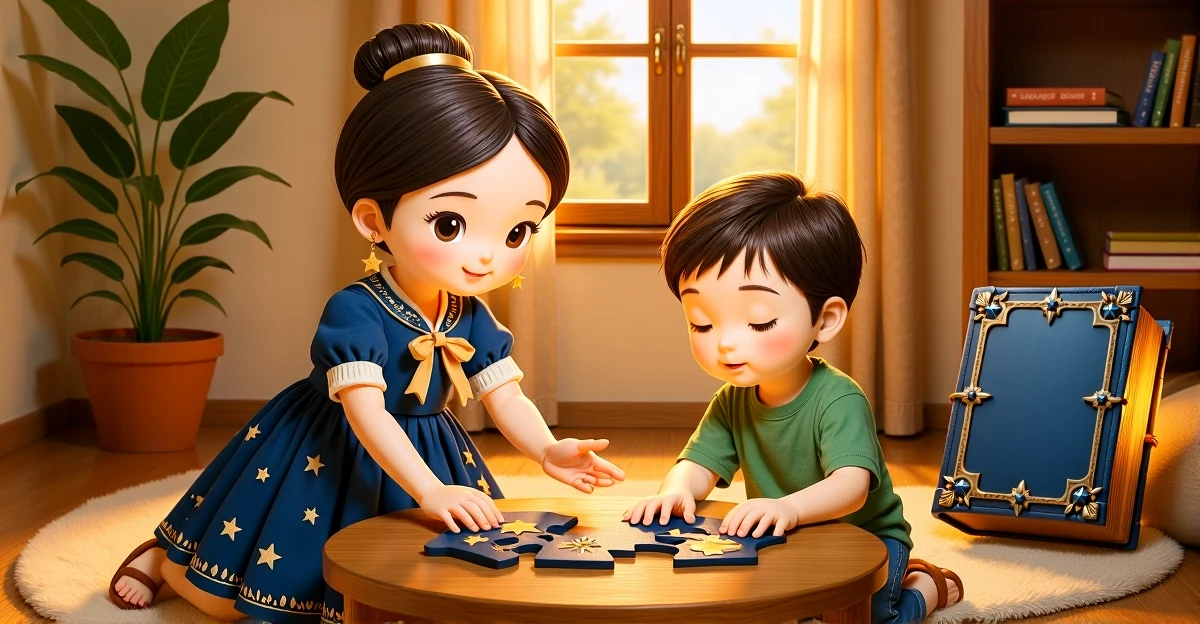
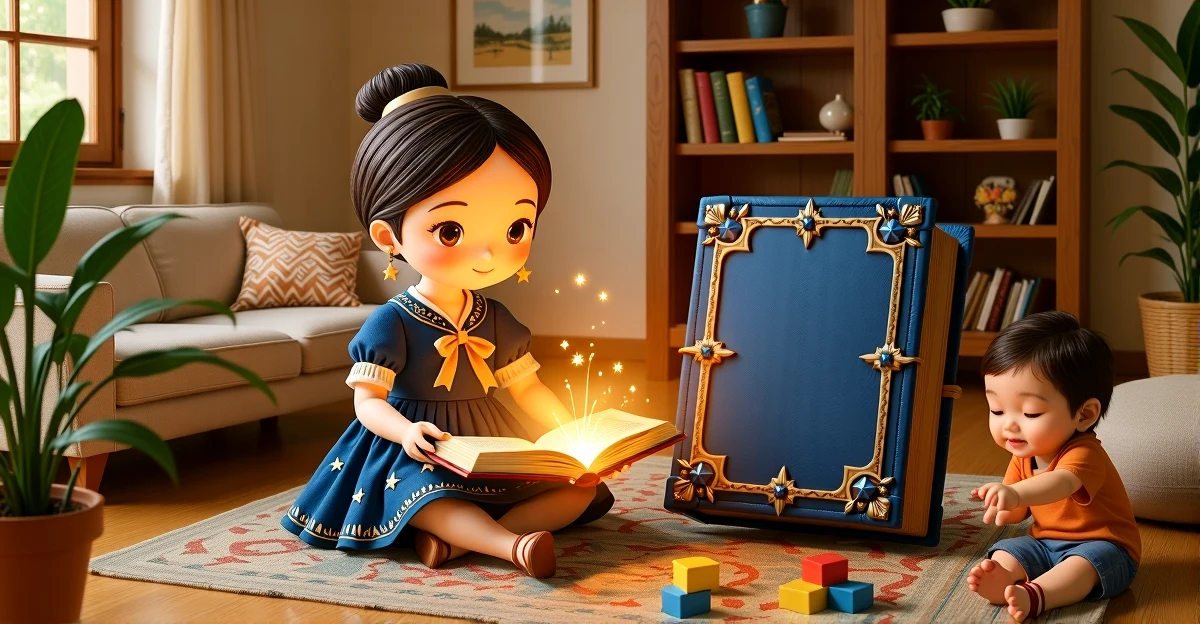
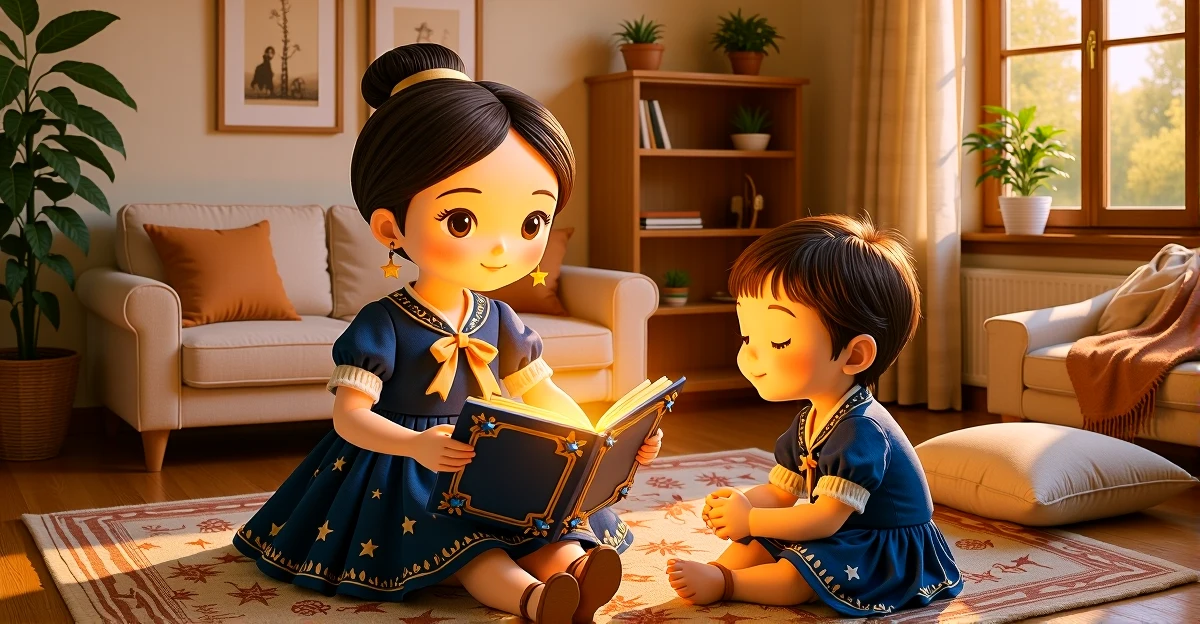
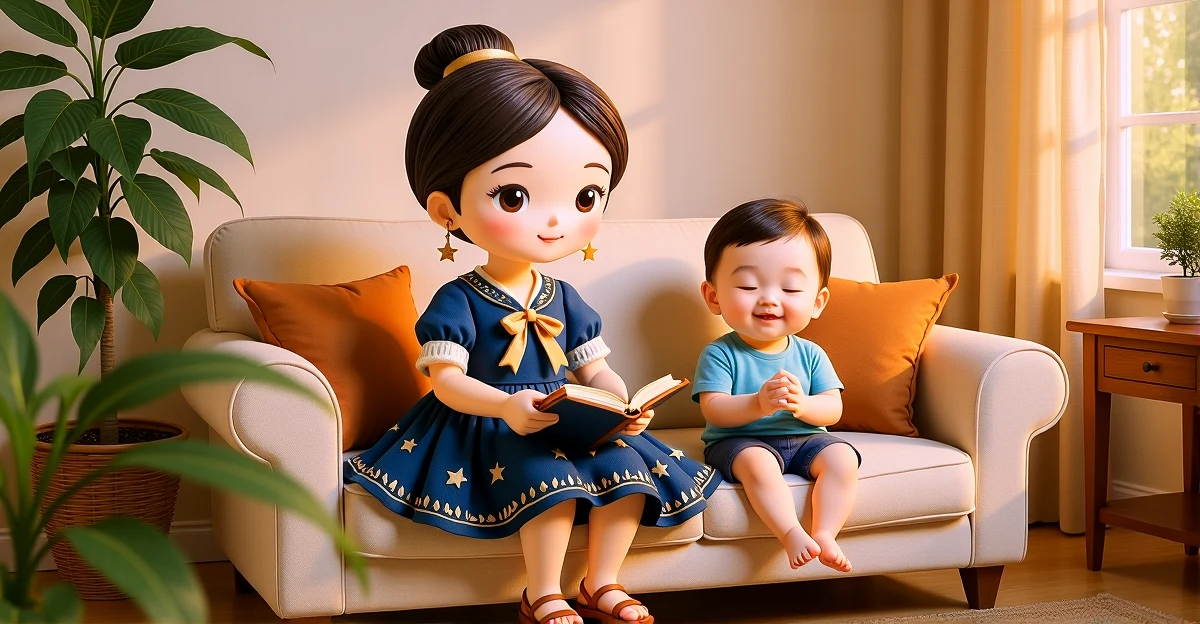
In this post, the Magic Book and I are going to explore what's really happening when your toddler has big reactions to gentle corrections, what the latest research tells us about sensitive temperaments, and most importantly, gentle strategies that honor your child's unique way of experiencing the world.
What's Really Happening: The Sensitive Temperament
When your two or three year old reacts strongly to even the gentlest reminder or correction, they are not being difficult. They are not trying to manipulate you or make your life harder. What's actually happening is something quite wonderful, even though it doesn't always feel that way in the moment.
Your child has what researchers call a highly sensitive temperament. Think of their nervous system as a finely tuned instrument that picks up on everything around them, including the emotional tone of corrections and guidance. Where some children might barely notice a gentle reminder, your sensitive little one feels it deeply. They're not overreacting, they're experiencing the world with incredible intensity.
The Science of Sensitivity
Temperament is something we're born with. It's not a choice your child is making, and it's not something you caused through your parenting. Some children simply have nervous systems that process sensory and emotional information more intensely than others. This includes how they experience corrections, redirections, and guidance from the adults they love.
When you offer a gentle reminder, your sensitive child's brain processes multiple layers of information simultaneously. They're picking up on your tone, your facial expression, the words you're using, and the emotional context of the moment. All of this gets processed through their highly reactive nervous system, which can feel overwhelming even when your approach was genuinely gentle.
Here's what's beautiful about this: that same sensitivity that makes corrections feel big also means your child experiences joy more intensely, notices beauty others might miss, and feels empathy deeply. Their sensitivity is not a flaw to fix. It's a temperament trait that comes with incredible gifts.
What Research Tells Us About Sensitive Children and Gentle Guidance
Recent research from the University of Liverpool has discovered something fascinating about how sensitive children develop emotional regulation skills. Dr. Laura Bozicevic and her colleagues studied the relationship between parental sensitivity and children's emotion regulation, and what they found changes everything.
Greater maternal sensitivity in the context of frustration increased self-soothing in highly negative reactive children, and communicative behaviours in low reactive children.
— Dr. Laura Bozicevic et al., Nature Scientific Reports (2025)
Let me translate what this means for you, wonderful parent. When you respond to your highly reactive child with warmth and patience during moments of frustration, something magical happens. They learn to self-soothe. They develop the ability to manage their big feelings. But here's the key: it only works when we as parents can stay calm and validating, even when their reaction feels out of proportion to our gentle correction.
The National Association for the Education of Young Children reminds us that warmth and affection, even on bad days and when children are misbehaving, are critical to children's well-being. Your sensitive child needs that warmth even more intensely than other children. They're not testing you, they're showing you how deeply they feel everything.
What This Means for Your Daily Life
When you gently remind your child to use gentle hands and they burst into tears, their reaction is telling you something important. It's saying: I felt that correction so deeply in my body. I'm learning to manage these big feelings, but I need your help. I need you to stay calm so I can learn to be calm too.
Child development specialists note that what parents often perceive as overreaction is actually the child's nervous system processing correction more intensely due to temperamental sensitivity. When you accept and validate these big feelings while maintaining gentle boundaries, you teach your child that emotions are manageable and that guidance comes from a place of love rather than criticism.
Gentle Strategies That Honor Your Child's Sensitivity
So what does this mean for you, dear parent? How do you provide the guidance your child needs while honoring their sensitive temperament? Here are strategies the Magic Book and I want to share with you:
1. Take a Deep Breath First
Your child's big reaction can trigger your own stress response, and that's completely normal. But when you can pause, breathe, and remind yourself that this is temperament, not defiance, everything shifts. Your calm becomes their calm. Your regulated nervous system helps regulate theirs.
2. Validate Their Feelings Before Anything Else
You might say something like: I can see that reminder felt really big to you. You're having such strong feelings right now. This simple acknowledgment helps their nervous system start to calm down because they feel seen and understood. Validation doesn't mean you're agreeing with their behavior, it means you're acknowledging their emotional experience.
3. Maintain Your Gentle Boundary While Offering Comfort
You can say: I still need you to use gentle hands, and I'm right here with you while you have these big feelings. This teaches them that boundaries are safe and loving, not harsh or rejecting. They learn that you can hold a limit while still being their safe place.
4. Get Down to Their Eye Level
When you need to give a correction or reminder, get down to their eye level first. Make a connection before the direction. Use their name gently. Wait for them to look at you. Then offer your guidance in the warmest tone you can manage. This approach honors their sensitivity while still providing the structure they need.
5. Give Them Words for Their Feelings
When they have a big reaction, you might say: You're feeling frustrated right now, or That felt overwhelming to you. This builds their emotional vocabulary and helps them understand that feelings are normal and manageable. Over time, they'll start to use these words themselves, which is a huge step in emotional regulation.
6. Create a Calm-Down Space Together
Not as punishment, but as a cozy spot where big feelings can settle. Fill it with soft things, maybe a favorite stuffed animal, some books. When emotions run high, you can say: Let's go to our cozy corner together until these big feelings get smaller. This gives them a concrete strategy for managing overwhelm.
7. Remember: This Phase is Temporary, But the Skills Are Forever
Every time you respond with patience to their big reaction, you're teaching their brain that emotions are manageable, that they're safe even when they feel overwhelmed, and that guidance comes from a place of love. Research shows that children whose parents respond with empathy rather than frustration during this developmental phase develop significantly better emotional regulation skills as they grow.
Stories That Can Help
In The Book of Inara, we have beautiful stories that bring these concepts to life for your child. Let me share one that's PERFECT for sensitive little ones:
The Greenhouse Where Plants Whisper Thank You
Perfect for: Ages 2-3
What makes it special: In this magical story, Milo and Nana discover a greenhouse where plants glow softly when they're cared for with gentle touches and kind words. The plants are sensitive, you see. They respond to gentleness with beauty and light. When children hear this story, something wonderful happens. They see themselves in those sensitive plants. They understand that being sensitive isn't bad, it's special.
Key lesson: Just like the plants need gentle care to thrive, sensitive children flourish when approached with warmth and patience. After reading this story with your child, you can remind them later: Remember how the plants loved gentle touches? You're just like those special plants. You notice everything and feel things deeply, and that makes you wonderful.
You're Doing Beautifully
Dear parent, I want you to know that parenting a sensitive child requires extra patience, and some days you won't have it. That's okay. That's human. What matters is the overall pattern of warmth and validation, not perfection in every moment.
Your child's sensitivity is not a burden, it's a superpower in training. They are learning to harness their deep feelings, their intense awareness, their powerful empathy. And you, wonderful parent, are their guide on this journey. Your patience now is building their resilience for life.
The Magic Book whispers this truth: sensitivity is a gift. When nurtured with gentle care, it becomes a source of strength, creativity, and deep connection. Your sensitive little one will grow into someone who notices when others are hurting, who creates beauty, who feels joy intensely, who forms deep and meaningful relationships.
So tonight, or tomorrow, or whenever you have a quiet moment, hold your sensitive child close. Let them know that their big feelings are safe with you. Read them stories that show them their sensitivity is special. And remember that every moment of patience you offer is shaping who they'll become.
The Magic Book and I are always here for you, cheering you on, believing in you and your wonderful child.
With love and starlight,
Inara
Related Articles
Show transcript
Hello, wonderful parent! It's me, Inara, and I am so happy you're here today. You know, the Magic Book and I have been noticing something that many parents are experiencing, and I want you to know right from the start that you are not alone in this. If your little one seems to have big reactions to even the gentlest reminders or corrections, if a simple redirect can sometimes lead to tears or frustration, I see you. This is real, this is challenging, and you are doing beautifully.
Let me tell you something the Magic Book showed me that changed everything. When your two or three year old reacts strongly to gentle guidance, they are not being difficult. They are not trying to make your life harder. What's actually happening is something quite WONDERFUL, even though it doesn't always feel that way in the moment.
Your child has what researchers call a highly sensitive temperament. Their nervous system is like a finely tuned instrument that picks up on everything around them, including the emotional tone of corrections and guidance. Where some children might barely notice a gentle reminder, your sensitive little one feels it deeply. They're not overreacting, they're experiencing the world with incredible intensity, and that's actually a beautiful gift, even when it feels challenging.
Recent research from the University of Liverpool discovered something fascinating. Dr. Laura Bozicevic and her colleagues found that when parents respond to their highly reactive children with warmth and patience during moments of frustration, something magical happens. These sensitive children learn to self-soothe. They develop the ability to manage their big feelings. But here's the key, it only works when we as parents can stay calm and validating, even when their reaction feels out of proportion to our gentle correction.
The National Association for the Education of Young Children reminds us that warmth and affection, even on bad days and when children are misbehaving, are critical to children's well-being. Your sensitive child needs that warmth even more intensely than other children. They're not testing you, they're showing you how deeply they feel everything.
So what does this mean for you, dear parent? It means that when you gently remind your child to use gentle hands and they burst into tears, their reaction is telling you something important. It's saying, I felt that correction so deeply in my body. I'm learning to manage these big feelings, but I need your help. I need you to stay calm so I can learn to be calm too.
Here's what the Magic Book taught me about supporting these wonderfully sensitive souls. First, take a deep breath yourself. Your child's big reaction can trigger your own stress response, and that's completely normal. But when you can pause, breathe, and remind yourself that this is temperament, not defiance, everything shifts.
Second, validate their feelings before anything else. You might say something like, I can see that reminder felt really big to you. You're having such strong feelings right now. This simple acknowledgment helps their nervous system start to calm down because they feel seen and understood.
Third, maintain your gentle boundary while offering comfort. You can say, I still need you to use gentle hands, and I'm right here with you while you have these big feelings. This teaches them that boundaries are safe and loving, not harsh or rejecting.
Fourth, remember that this phase is temporary but the skills they're learning are forever. Every time you respond with patience to their big reaction, you're teaching their brain that emotions are manageable, that they're safe even when they feel overwhelmed, and that guidance comes from a place of love.
Now, let me tell you about a story that shows this so beautifully. In The Book of Inara, we have a tale called The Greenhouse Where Plants Whisper Thank You. In this story, Milo and Nana discover a magical greenhouse where plants glow softly when they're cared for with gentle touches and kind words. The plants are sensitive, you see. They respond to gentleness with beauty and light.
When children hear this story, something wonderful happens. They see themselves in those sensitive plants. They understand that being sensitive isn't bad, it's special. Just like the plants need gentle care to thrive, they too flourish when approached with warmth and patience. And parents, when you read this story with your child, you can remind them later, remember how the plants loved gentle touches? You're just like those special plants. You notice everything and feel things deeply, and that makes you wonderful.
The research shows us that children whose parents respond with empathy rather than frustration during this developmental phase develop significantly better emotional regulation skills as they grow. Your patience now is building their resilience for life.
I want you to know something else that's IMPORTANT. Your child's sensitivity is not a flaw to fix. It's a temperament trait that comes with incredible gifts. Sensitive children often grow into deeply empathetic adults. They notice things others miss. They feel beauty and joy intensely, not just challenges. They form deep connections. Your job isn't to make them less sensitive, it's to help them learn to manage their sensitivity while honoring the gift it is.
Some practical strategies the Magic Book and I want to share with you. When you need to give a correction or reminder, get down to their eye level first. Make a connection before the direction. Use their name gently. Wait for them to look at you. Then offer your guidance in the warmest tone you can manage. This approach honors their sensitivity while still providing the structure they need.
Also, give them words for their feelings. When they have a big reaction, you might say, you're feeling frustrated right now, or that felt overwhelming to you. This builds their emotional vocabulary and helps them understand that feelings are normal and manageable.
Create a calm-down space together, not as punishment, but as a cozy spot where big feelings can settle. Fill it with soft things, maybe a favorite stuffed animal, some books. When emotions run high, you can say, let's go to our cozy corner together until these big feelings get smaller.
And dear parent, please be gentle with yourself too. Parenting a sensitive child requires extra patience, and some days you won't have it. That's okay. That's human. What matters is the overall pattern of warmth and validation, not perfection in every moment.
The Magic Book whispers this truth: sensitivity is not a burden, it's a superpower in training. Your child is learning to harness their deep feelings, their intense awareness, their powerful empathy. And you, wonderful parent, are their guide on this journey.
So tonight, or tomorrow, or whenever you have a quiet moment, find The Greenhouse Where Plants Whisper Thank You in The Book of Inara. Read it with your sensitive little one. Let them see themselves in those glowing plants. Let them know that gentle care makes beautiful things grow, including them.
You are doing such important work. Your patience, your warmth, your willingness to understand your child's unique temperament, these are the gifts that will shape who they become. The Magic Book and I are always here for you, cheering you on, believing in you and your wonderful child.
With love and starlight, Inara.