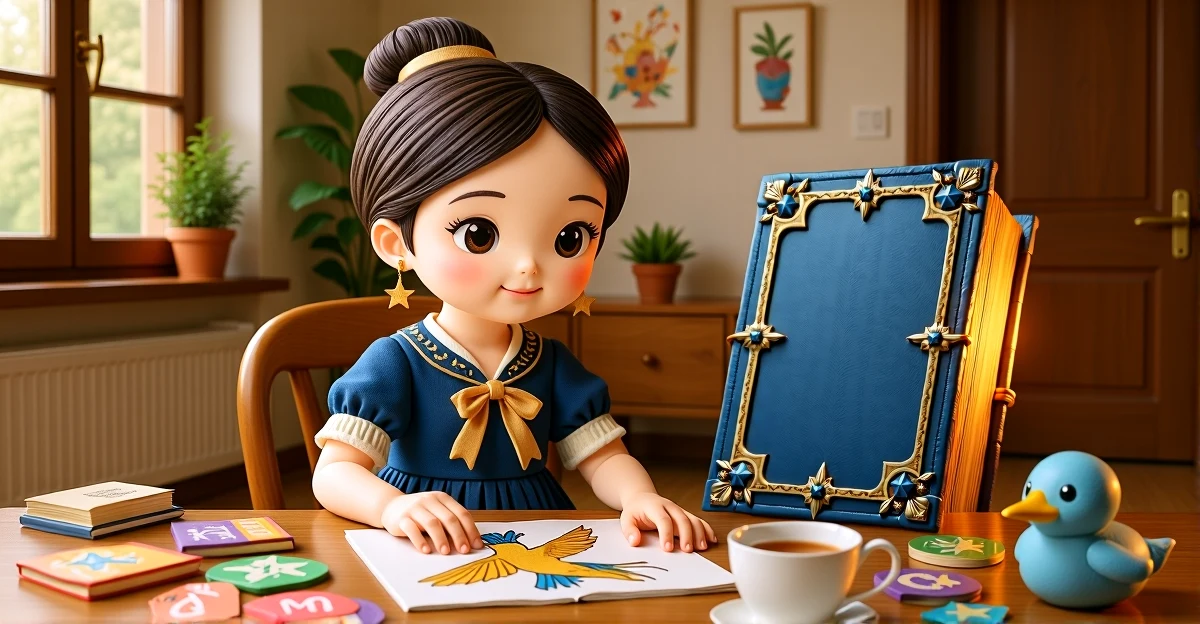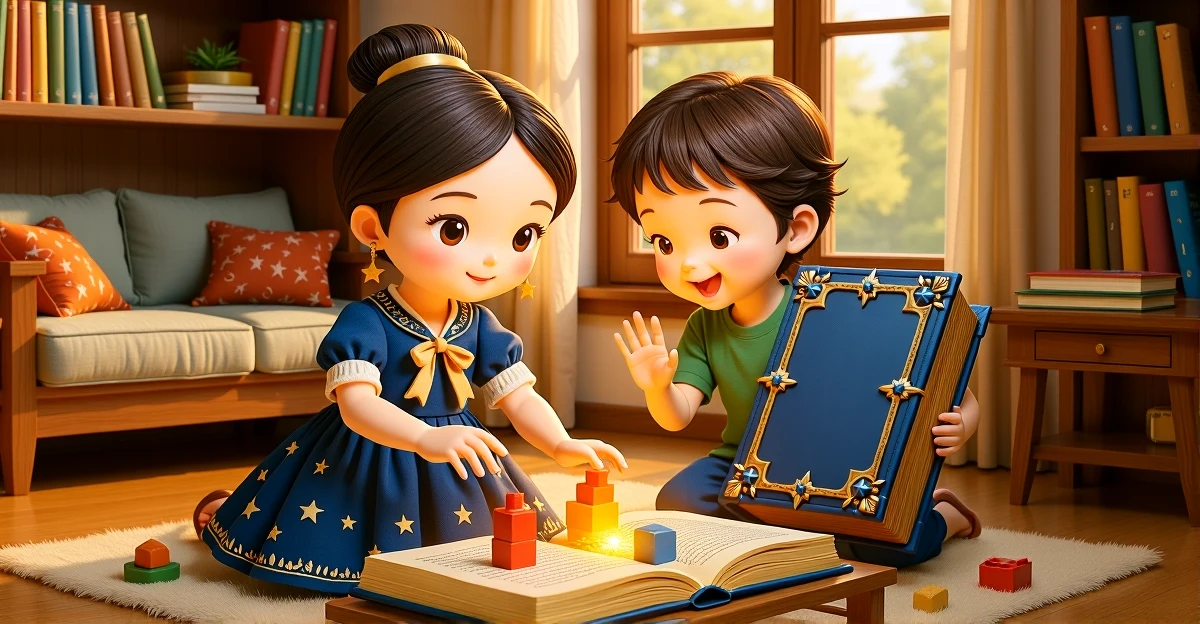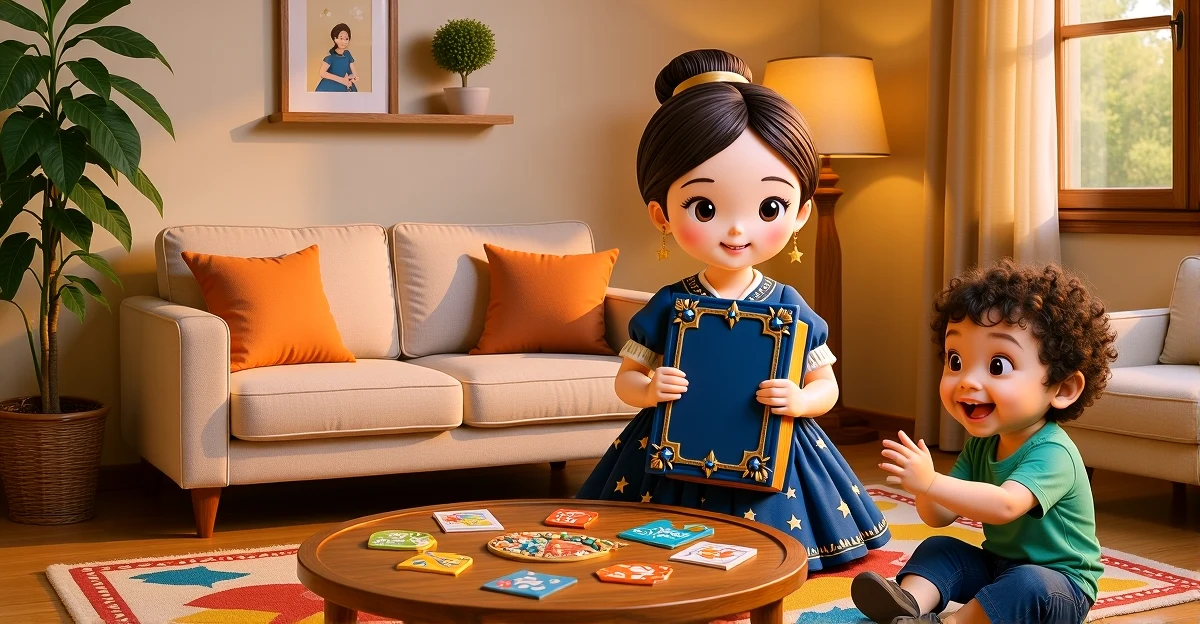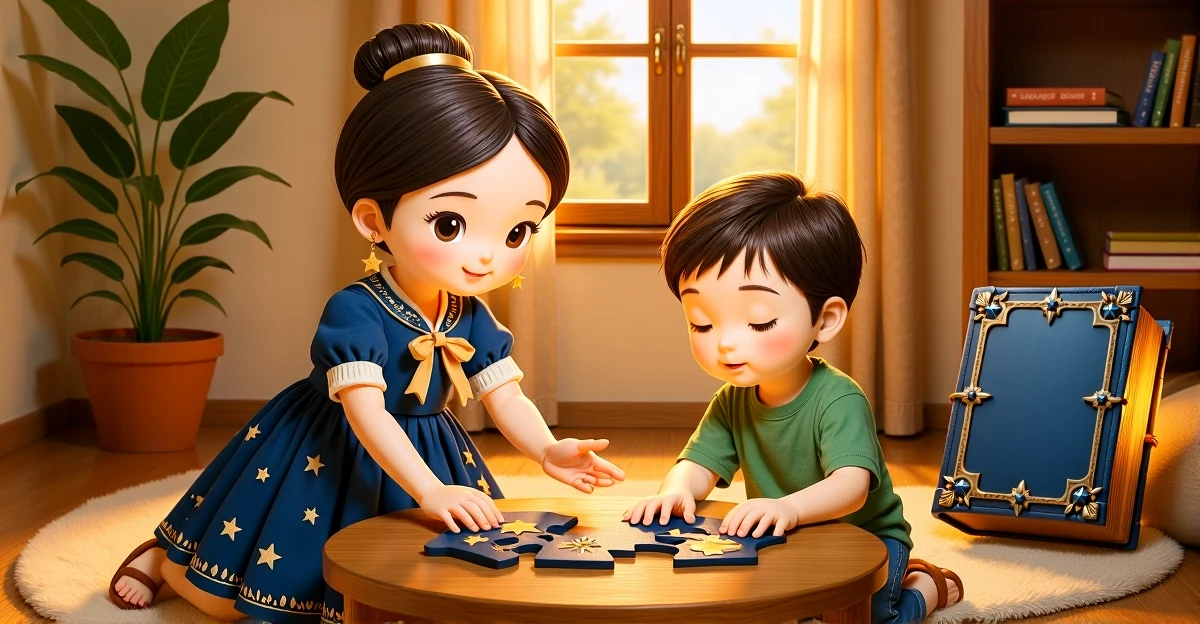

Your child is working on a puzzle, concentrating deeply. You notice a piece that might fit better in a different spot and gently suggest, "What if we try this piece over here?" Suddenly, your child's face crumples. The puzzle goes flying. Tears start flowing. "I hate this! You're mean!" they cry, running from the room.
If this sounds familiar, I want you to take a deep breath and know something really important. You are not alone, and your child is not being difficult. Something beautiful and complex is happening in their developing brain, and today, we're going to understand it together.
In this post, we'll explore why children ages four and five often have intense reactions to gentle corrections or feedback, what research tells us about this developmental phase, and most importantly, how you can support your sensitive child with patience, love, and evidence-based strategies.
Understanding the Developing Sense of Self
When your four or five year old has a big reaction to feedback or correction, they're not being defiant or stubborn. What's actually happening is that their sense of self is blooming like a flower opening to the sun. At this age, children are becoming deeply aware of themselves as capable people. They're discovering, "I can do things! I have ideas! I matter!" And that's WONDERFUL.
But here's the tender part. Their brains are still learning to separate who they are from what they do. So when we suggest they try something differently, their developing mind sometimes hears, "You're not good enough." Even though that's not what we're saying at all.
The Brain Science Behind the Reaction
Research shows us something fascinating. Children between ages four and six are in a critical window for developing emotion regulation skills. Their brains are literally building the neural pathways they'll use for their entire lives to manage big feelings. The National Academies research tells us that how we respond to children's emotional reactions during this time shapes their long-term resilience and self-regulation abilities.
Think about that for a moment. Every time you stay calm and connected when your child melts down over feedback, you're helping build those pathways. Your patience is literally shaping their brain for life.
The Highly Sensitive Child
Some children are what experts call highly sensitive. Claire Lerner, a wonderful child development specialist, explains that these children are wired to register their feelings and experiences more deeply than other children. It's not something they choose, it's how their nervous system works.
"Highly sensitive children are wired to register their feelings and experiences in the world more deeply than other children."
— Claire Lerner, LCSW-C, Child Development Specialist
For these sensitive souls, feedback can feel overwhelming because their brains process it more intensely. They're not being dramatic, they're experiencing the world through a more sensitive lens. And that sensitivity, my wonderful friend, is actually a gift. These children often grow up to be deeply empathetic, creative, and aware.
Why Feedback Feels Like a Threat
When a sensitive child receives correction or feedback, their nervous system can interpret it as a threat to their developing identity. Their brain is asking, "Am I good enough? Am I capable? Do I matter?" And any suggestion that they could do something differently feels like the answer might be no.
This is why the reaction seems so disproportionate to the situation. You're simply suggesting a different puzzle piece, but to your child's developing brain, it feels like their entire sense of competence is being questioned.
What Research Tells Us
Studies on emotion regulation demonstrate that children in this age group are still developing the neural pathways needed to manage big feelings. Their responses to perceived criticism are often rooted in their growing awareness of competence and self-worth.
Research published in Frontiers in Psychology demonstrates that emotion regulation skills between ages 4-6 directly impact peer relationships and social success. This makes it a critical window for gentle, patient support from parents and caregivers.
"Supportive adult responses to children's emotional reactions build resilience and self-regulation."
— National Academies of Sciences, Engineering, and Medicine
The research is clear. How you respond to these moments matters deeply. When parents respond with patience and validation rather than frustration or punishment, children develop better emotional regulation skills and show reduced anxiety over time.
Gentle Strategies That Actually Work
So what can we do to help? First, remember that your child's reaction is communication. They're telling you, "This feels too big for me right now. I need help." When we see it that way, we can respond with compassion instead of frustration.
Connect Before You Correct
Before offering feedback, connect first. Get down to their level, use their name, wait for them to look at you. This helps their nervous system feel safe. Then, instead of pointing out what's wrong, try wondering aloud.
You might say, "I'm wondering if this puzzle piece might fit over here," or "I notice your shirt tag is in the front. Would you like to check?" This gives them space to discover without feeling criticized.
Stay Calm and Close During Big Reactions
When they do have a big reaction, stay calm and close. Your calm nervous system helps regulate theirs. You might say, "I can see this feels really big right now. I'm right here with you."
You don't need to fix their feelings or talk them out of it. Just be their safe harbor while the storm passes. This is SO important. Your presence and calm are teaching them that big feelings are manageable and that they're not alone.
Reflect After They've Calmed Down
After they've calmed down, and this is important, wait until they're truly calm, you can gently reflect. "That felt really hard when I suggested a different puzzle piece. Sometimes our brains trick us into thinking a suggestion means we're not doing well. But you know what? You're learning and growing, and that's exactly what you're supposed to be doing."
Build a Growth Mindset
We can help children build what's called a growth mindset. This means understanding that abilities grow with practice, and mistakes are part of learning. When we say things like, "Your brain is growing stronger every time you try," or "I love watching you figure things out," we're helping them see challenges as opportunities instead of threats.
Practical Tips You Can Try Tonight
- Notice when correction is truly necessary. Ask yourself, "Is this truly important right now, or can it wait?" Sometimes we correct out of habit when it doesn't really matter.
- Use "I notice" instead of "You should." "I notice your shoes are on the wrong feet. Do you want to switch them?" This feels so much gentler to a sensitive child.
- Celebrate effort over outcome. Instead of "Good job on that puzzle," try "I love how you kept trying different pieces until you found the right one." This builds resilience.
- Create a "mistakes are learning" culture. Share your own mistakes openly. "Oops, I put the milk in the pantry instead of the fridge! My brain was thinking about something else. Let me fix that."
- Be gentle with yourself too. Parenting a sensitive child is tender work. There will be days when you lose your patience. That's okay. You're learning too.
Stories That Can Help
This is where stories become such gentle helpers. In The Book of Inara, we have a beautiful story that addresses this exact challenge:
The Cathedral of Gentle Echoes
Perfect for: Ages 4-5
What makes it special: In this story, Kenji and Maeva are making music in a peaceful cathedral, and they keep making mistakes. But here's the magic. Every time they make a mistake, it creates the most beautiful harmonies. They discover that their errors aren't failures at all, they're steps toward creating something wonderful.
Key lesson: When children hear this story, something shifts. They start to see that mistakes aren't scary, they're part of the journey. And when your child has a hard time with feedback, you can gently remind them, "Remember how Kenji and Maeva's mistakes made beautiful music? Your learning is making something beautiful too."
You're Doing Beautifully
I want to remind you of something crucial. Your child's sensitivity, their deep caring about doing things right, these are signs of a beautiful heart. They're not problems to fix. When we honor their feelings while gently helping them build resilience, we're raising children who will grow into compassionate, thoughtful adults who care deeply about their work and relationships.
So tonight, when your child melts down over a gentle suggestion, take a breath. Remember that their brain is growing, their sense of self is blooming, and their big reaction is actually a sign of how much they care. Stay close, stay calm, and know that you're doing something beautiful. You're raising a child who feels deeply, who cares about doing well, and who is learning, day by day, that they can handle hard things with your love and support.
The Magic Book and I are always here for you, my wonderful friend. You're doing such important work, and you're doing it beautifully.
With love and starlight,
Inara
Related Articles
- When Your Child Falls Apart During Stress: Understanding and Supporting Emotional Regulation
- Understanding Extended Meltdowns in Preschoolers Ages 4-5
- Teaching Good Sportsmanship to Young Children: A Gentle Parenting Guide
- Understanding Why Unexpected Changes Feel So Big to Your Child (And How to Help)
- Building Your Child's Emotional Superpowers: A Guide for Ages 4-5
Show transcript
Hello, wonderful parent! It's me, Inara, and I'm so glad you're here today. You know, the Magic Book and I have been thinking about something that so many parents are experiencing right now. Maybe this sounds familiar. Your child is working on a puzzle, and you gently suggest trying a different piece. Suddenly, they're melting down, pushing the puzzle away, maybe even saying things like, I hate this, or, You're mean. Or perhaps you're helping them get dressed, and when you mention their shirt is on backwards, they dissolve into tears and refuse to change it. If this is happening in your home, I want you to take a deep breath and know something really important. You are not alone, and your child is not being difficult. Something beautiful and complex is happening in their developing brain, and today, we're going to understand it together.
Let me share what the Magic Book has taught me about this. When your four or five year old has a big reaction to feedback or correction, they're not being defiant or stubborn. What's actually happening is that their sense of self is blooming like a flower opening to the sun. At this age, children are becoming deeply aware of themselves as capable people. They're discovering, I can do things! I have ideas! I matter! And that's WONDERFUL. But here's the tender part. Their brains are still learning to separate who they are from what they do. So when we suggest they try something differently, their developing mind sometimes hears, You're not good enough. Even though that's not what we're saying at all.
Research shows us something fascinating. Children between ages four and six are in a critical window for developing emotion regulation skills. Their brains are literally building the neural pathways they'll use for their entire lives to manage big feelings. The National Academies research tells us that how we respond to children's emotional reactions during this time shapes their long-term resilience and self-regulation abilities. Isn't that powerful? Every moment we stay calm and connected, we're helping build those pathways.
Now, some children are what experts call highly sensitive. Claire Lerner, a wonderful child development specialist, explains that these children are wired to register their feelings and experiences more deeply than other children. It's not something they choose, it's how their nervous system works. For these sensitive souls, feedback can feel overwhelming because their brains process it more intensely. They're not being dramatic, they're experiencing the world through a more sensitive lens. And that sensitivity, my friend, is actually a gift. These children often grow up to be deeply empathetic, creative, and aware.
So what can we do to help? First, remember that your child's reaction is communication. They're telling you, This feels too big for me right now. I need help. When we see it that way, we can respond with compassion instead of frustration. Here are some gentle approaches the Magic Book and I have discovered.
Before offering feedback, connect first. Get down to their level, use their name, wait for them to look at you. This helps their nervous system feel safe. Then, instead of pointing out what's wrong, try wondering aloud. You might say, I'm wondering if this puzzle piece might fit over here, or, I notice your shirt tag is in the front. Would you like to check? This gives them space to discover without feeling criticized.
When they do have a big reaction, stay calm and close. Your calm nervous system helps regulate theirs. You might say, I can see this feels really big right now. I'm right here with you. You don't need to fix their feelings or talk them out of it. Just be their safe harbor while the storm passes.
After they've calmed down, and this is important, wait until they're truly calm, you can gently reflect. That felt really hard when I suggested a different puzzle piece. Sometimes our brains trick us into thinking a suggestion means we're not doing well. But you know what? You're learning and growing, and that's exactly what you're supposed to be doing. Mistakes and trying new ways are how we get better at things.
Here's something else the Magic Book taught me. We can help children build what's called a growth mindset. This means understanding that abilities grow with practice, and mistakes are part of learning. When we say things like, Your brain is growing stronger every time you try, or, I love watching you figure things out, we're helping them see challenges as opportunities instead of threats.
And this is where stories become such gentle helpers. We have a beautiful story in The Book of Inara called The Cathedral of Gentle Echoes. In this story, Kenji and Maeva are making music in a peaceful cathedral, and they keep making mistakes. But here's the magic. Every time they make a mistake, it creates the most beautiful harmonies. They discover that their errors aren't failures at all, they're steps toward creating something wonderful. When children hear this story, something shifts. They start to see that mistakes aren't scary, they're part of the journey. And when your child has a hard time with feedback, you can gently remind them, Remember how Kenji and Maeva's mistakes made beautiful music? Your learning is making something beautiful too.
I also want to remind you of something crucial. Your child's sensitivity, their deep caring about doing things right, these are signs of a beautiful heart. They're not problems to fix. When we honor their feelings while gently helping them build resilience, we're raising children who will grow into compassionate, thoughtful adults who care deeply about their work and relationships.
Some practical things you can try tonight. First, notice when you're about to offer correction, and ask yourself, Is this truly necessary right now, or can it wait? Sometimes we correct out of habit when it doesn't really matter. Second, practice the phrase, I notice, instead of, You should. I notice your shoes are on the wrong feet. Do you want to switch them? This feels so much gentler to a sensitive child. Third, celebrate effort over outcome. Instead of, Good job on that puzzle, try, I love how you kept trying different pieces until you found the right one. This builds resilience.
And please, be gentle with yourself too. Parenting a sensitive child is tender work. There will be days when you lose your patience, when you say the wrong thing, when you feel exhausted by the big reactions. That's okay. You're learning too. The Magic Book reminds me that perfection isn't the goal. Connection is. And every time you repair after a hard moment, every time you come back with love, you're teaching your child something profound. You're showing them that relationships can weather storms, that mistakes can be fixed, that love is constant even when emotions are big.
So tonight, when your child melts down over a gentle suggestion, take a breath. Remember that their brain is growing, their sense of self is blooming, and their big reaction is actually a sign of how much they care. Stay close, stay calm, and know that you're doing something beautiful. You're raising a child who feels deeply, who cares about doing well, and who is learning, day by day, that they can handle hard things with your love and support.
The Magic Book and I are always here for you, my wonderful friend. You're doing such important work, and you're doing it beautifully. Until our next time together, with love and starlight, Inara.