
Your four-year-old just received a beautiful gift from Grandma, and instead of saying thank you, they immediately ask for something else. Or your five-year-old complains about dinner even though you spent an hour preparing their favorite meal. You find yourself wondering: Will my child EVER develop gratitude? Will they always focus on what they do not have instead of appreciating what they do?
Wonderful parent, I want you to take a deep breath with me right now. What you are experiencing is SO normal, and here is the beautiful truth: your child brain is actually in a perfect developmental window for learning gratitude right now. What looks like ingratitude is often just a skill that is still developing, like learning to tie shoes or ride a bike.
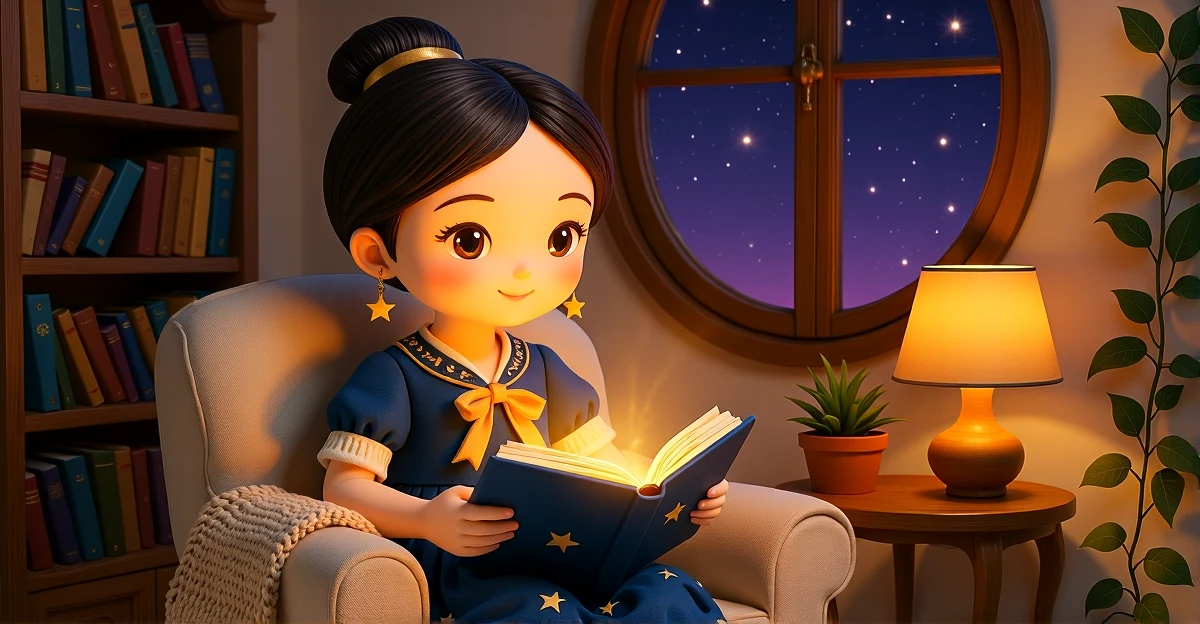
In this post, we will explore the fascinating science behind gratitude development in four and five year olds, why this age is such a critical window for learning thankfulness, and gentle, research-backed strategies that actually work. Plus, I will share a story from The Book of Inara that shows children what gratitude feels like from the inside, making it natural and joyful rather than forced.
Why Your Child Seems Ungrateful (And Why That is Actually Normal)
Let me start by relieving some of that parental guilt you might be carrying. When your four or five year old focuses on what they do not have, complains about gifts, or seems oblivious to others kindness, they are not being spoiled or ungrateful. They are being EXACTLY where their development says they should be.
Here is what is happening in that beautiful little brain: Gratitude is actually a remarkably complex skill. It requires your child to recognize someone else intentions, connect positive feelings to specific people and events, understand that good things come from others kindness, and feel motivated to reciprocate. That is a LOT of cognitive and emotional heavy lifting for a brain that is still learning to manage impulses and understand cause and effect!
Think about it this way. Your preschooler is just beginning to understand that other people have thoughts and feelings different from their own. This capacity, called theory of mind, typically emerges around ages four to five. Before children can feel genuine gratitude toward a benefactor, they need to understand that the person CHOSE to help them, that this choice required effort or sacrifice, and that the person did it because they care. These are sophisticated concepts that take time to develop.
Research from Dr. Jackie Nelson at the University of North Carolina at Greensboro reveals something fascinating: children who have better emotional understanding at age three develop stronger gratitude comprehension by age five. What does this mean for you? Every time you have helped your child name their feelings, every conversation about emotions, every moment of validation has been building the foundation for gratitude. You have been doing this work all along!
The Perfect Window: Why Ages 4-5 Are Critical for Gratitude Development
Here is where things get really exciting. While your child might not seem particularly grateful right now, their brain is actually primed and ready to learn this skill. Ages four and five represent a critical developmental window when several important capacities come together.
By ages four and five, most children can identify and name basic emotions in themselves and others. They are beginning to understand that feelings have causes and that different situations create different emotional responses. This emotional literacy is the foundation for recognizing the warm, happy feeling that comes from receiving help or kindness.
Your preschooler is learning that other people have thoughts, intentions, and perspectives different from their own. This capacity allows them to begin understanding that when someone helps them, it was a deliberate choice motivated by care and kindness. Without this understanding, true gratitude cannot develop.
And here is something that should fill you with hope: research shows that approximately seventy five percent of positive thinking and optimistic outlook is LEARNED, not inherited. Let that sink in for a moment. Three quarters of your child capacity for gratitude, for noticing good things, for maintaining a positive perspective comes from what they experience and learn right now, in your home, with you. That is not pressure, that is POWER. You have such beautiful influence here.
Four Gentle Strategies That Actually Work
So how do we nurture gratitude and positive thinking in ways that feel natural, joyful, and aligned with your child development? Here are four research-backed strategies that work beautifully with four and five year olds.
1. Model Noticing Good Things Out Loud
Your child learns by watching and listening to you. When you narrate your own gratitude practice, you are showing them how to pay attention to positive moments. Try saying things like: I am so grateful the sun is shining today. It makes me feel warm and happy. Or: I noticed you helped your brother find his toy. That made me feel proud and grateful for your kindness.
Notice how these statements connect the good thing to a feeling? That is intentional. You are teaching your child that gratitude is not just about saying thank you, it is about FEELING appreciation and noticing how that feels in your body and heart. This is not about toxic positivity or pretending hard things do not exist. It is about balance. It is about helping your child brain learn to see BOTH the challenges AND the beauty.
2. Connect Gratitude to People, Not Just Things
When someone helps your child or gives them something, help them make the connection between the kind action and the person care. You might say: Grandma spent time making that for you because she loves you. How does that feel in your heart? Or: Your teacher stayed late to help you with that project. She cares about your learning.
This is exactly what the research shows builds true gratitude: helping children connect the dots between someone intentional kindness and the warm feeling it creates. You are teaching them that gratitude is relational, that it is about recognizing and appreciating the people who care for us.
3. Create Simple Rituals of Appreciation
Consistency matters more than perfection when building new skills. Consider creating brief, regular moments for noticing good things: At dinner, everyone shares one good thing from their day. At bedtime, whisper three things you are grateful for together. During car rides, play a game of noticing beautiful things you see.
Keep these practices SHORT and WARM. Even thirty seconds of genuine appreciation, done with love and consistency, plants seeds of gratitude that will grow for years. The Magic Book reminds us that small, consistent practices create lasting change.
4. Validate ALL Feelings First
This is SO important. Before we can help children focus on good things, they need to know that sad things, hard things, and frustrated things are okay too. When your child is upset, start with validation: I see you are really disappointed that we cannot go to the park today. That is okay. Feelings are okay. THEN, after they feel heard and understood, you might gently add: And I also noticed you tried really hard. That is something to feel proud of.
This teaches your child that multiple things can be true at once. They can feel disappointed AND proud. Sad AND grateful. Frustrated AND hopeful. This is emotional wisdom, and it is one of the most valuable gifts you can give your child.
A Story That Brings Gratitude to Life
In The Book of Inara, we have a beautiful story that shows children what gratitude feels like from the inside, without preaching or lecturing.
The Listening Heart Center
Perfect for: Ages 4-5
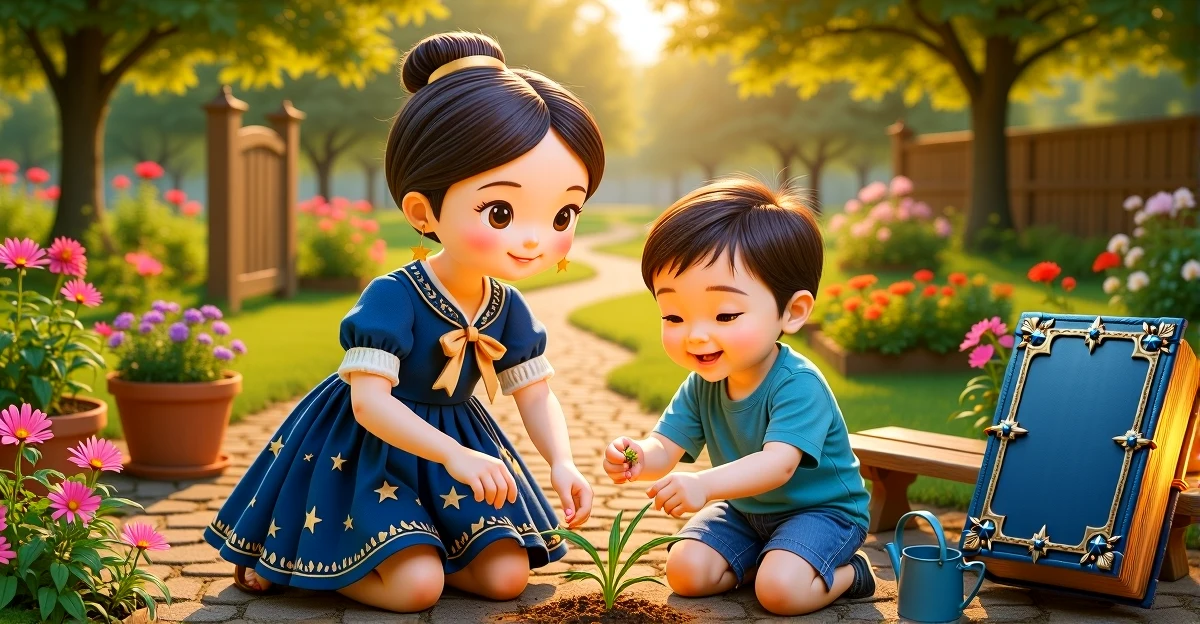
What makes it special: This story follows two friends, Ethan and Sofia, who discover something magical: when they listen quietly to their hearts, they can hear what others need, and helping others fills them with the most wonderful warm feeling. The story does not tell children to be grateful. Instead, it shows them what gratitude feels like through the joy of noticing others needs and finding purpose in helping.
Key lesson: When children learn that silence and listening reveal opportunities to serve their community, they discover that gratitude begins with noticing the good around us and finding joy in making others happy.
How to use it: After reading this story together, you might create your own listening heart practice. Take a quiet moment with your child and ask: What good things do you notice today? Who helped you? How can we help someone else? Keep it playful, keep it light.
You are Doing Beautifully
I want you to know something important. Your child journey with gratitude and positive thinking will have ups and downs, and that is completely normal. Some days they will notice every beautiful thing. Other days they will complain about everything. Both are okay. Both are part of learning. The Magic Book teaches us that growth is not linear, it is spiral. We come back to the same lessons again and again, each time understanding them a little more deeply.
The research is so clear on this: when parents help young children identify and appreciate positive experiences, when they validate emerging grateful feelings, when they model optimistic perspectives, they support the development of emotional regulation skills that last a lifetime. You are not just teaching your child to say thank you. You are helping them build neural pathways for noticing beauty, for connecting with others, for finding meaning and joy. That is HUGE.
Every time you help your child notice something good, every time you point out someone kindness, every time you whisper what you are grateful for together, you are planting seeds of joy that will bloom for years to come. The Magic Book and I believe in you. We see you showing up for your child with such love and intention. Sweet dreams and starlight.
Related Articles
- Building Physical Confidence in Young Children: Gentle Movement Strategies for Ages 4-5
- Teaching Your 4-5 Year Old Peaceful Conflict Resolution: A Gentle Parenting Guide
- Understanding Your Child's Journey to Gratitude: Why 4-5 Year Olds Are Learning to Say Thank You (And How to Help)
- Building Confidence in Young Performers: A Gentle Guide for Ages 4-5
Show transcript
Hello, wonderful parent! It's me, Inara, and I am SO happy you're here today. You know, the Magic Book and I have been noticing something beautiful happening in homes all around the world. Parents like you are wondering how to help their four and five year olds develop gratitude and maintain a positive outlook, and I want you to know something important right from the start. You're asking exactly the right question at exactly the right time.
Let me tell you why this matters so much. Your child's brain right now, at ages four and five, is in a MAGICAL window for learning about gratitude and positive thinking. Research shows us that children this age are just beginning to understand the beautiful connection between receiving help and feeling thankful, between noticing good things and feeling happy. And here's what makes my heart sing. You don't need to force it or make it a chore. You get to nurture it gently, like tending a garden of starlight.
Now, I know what some of you might be thinking. My child complains about everything! They don't seem grateful for anything! And wonderful parent, I want you to take a deep breath with me right now, because what I'm about to share will change how you see this completely.
When your four or five year old focuses on what they don't have, or complains, or seems ungrateful, they're not being difficult. They're being EXACTLY where their development says they should be. You see, gratitude is actually a complex skill. It requires your child to recognize someone else's intentions, connect positive feelings to specific people, and understand that good things come from others' kindness. That's a LOT for a little brain that's still learning to tie shoes!
The research is so fascinating here. Dr. Jackie Nelson, a brilliant child development researcher, discovered that children who understand emotions well at age three develop better gratitude understanding by age five. What does this mean for you? It means every time you've helped your child name their feelings, every time you've said things like, you're feeling disappointed right now, or, I can see you're excited, you've been building the foundation for gratitude. You've been doing this work all along, my friend!
And here's something else the Magic Book taught me that I find absolutely WONDERFUL. About seventy five percent of positive thinking is learned, not inherited. Let that sink in for a moment. Three quarters of your child's ability to maintain a positive outlook comes from what they experience and learn right now, in your home, with you. That's not pressure, that's POWER. You have such beautiful influence here.
So how do we nurture gratitude and positive thinking in ways that feel natural and joyful? Let me share what works, backed by both ancient wisdom and modern research.
First, model noticing good things out loud. Your child learns by watching you, and when you say things like, I'm so grateful the sun is shining today, or, I noticed you helped your sister, that made me feel happy, you're showing them how to pay attention to positive moments. You're teaching them that good things are worth noticing. This isn't about toxic positivity or pretending hard things don't exist. It's about balance. It's about helping your child's brain learn to see BOTH the challenges AND the beauty.
Second, connect gratitude to people, not just things. When someone helps your child, you can gently say, Grandma spent time making that for you because she loves you. How does that feel? You're helping them make that beautiful connection between someone's kind action and the warm feeling in their heart. This is exactly what the research shows builds true gratitude, not just polite thank yous.
Third, create little rituals of appreciation. Maybe at dinner, everyone shares one good thing from their day. Maybe at bedtime, you whisper three things you're grateful for together. Keep it simple, keep it short, and keep it warm. The Magic Book reminds us that consistency matters more than perfection. Even thirty seconds of this practice, done with love, plants seeds of gratitude that will grow for years.
Fourth, and this is SO important, validate ALL feelings first. Before we can help children focus on good things, they need to know that sad things, hard things, and frustrated things are okay too. When your child is upset, start with, I see you're really disappointed. That's okay. Feelings are okay. THEN, after they feel heard, you might gently add, And I also noticed you tried really hard. That's something to feel proud of. This teaches them that multiple things can be true at once. They can feel disappointed AND proud. Sad AND grateful. This is emotional wisdom, my friend.
Now, let me tell you about a story that shows this so beautifully. It's called The Listening Heart Center, and it's about two friends, Ethan and Sofia, who discover something magical. They learn that when they listen quietly to their hearts, they can hear what others need, and helping others fills them with the most wonderful warm feeling. This story doesn't preach about gratitude. Instead, it shows children what gratitude feels like from the inside. It shows them that noticing good things, appreciating others, and finding ways to help creates JOY. And that's what we want, isn't it? Not children who say thank you because they have to, but children who FEEL thankfulness because they've discovered how beautiful it is.
After you read this story together, you might create your own listening heart practice. Take a quiet moment with your child and ask, What good things do you notice today? Who helped you? How can we help someone else? Keep it playful, keep it light. You're not testing them, you're exploring together.
Here's something else I want you to know. Your child's journey with gratitude and positive thinking will have ups and downs, and that's completely normal. Some days they'll notice every beautiful thing. Other days they'll complain about everything. Both are okay. Both are part of learning. The Magic Book teaches us that growth isn't linear, it's spiral. We come back to the same lessons again and again, each time understanding them a little more deeply.
And wonderful parent, I want to acknowledge something. Teaching gratitude and positive thinking when YOU'RE exhausted, when YOU'RE stressed, when YOU'RE struggling to see the good things yourself, that's HARD. So here's my invitation to you. Practice this for yourself too. Not because you have to be perfect, but because you deserve it. Notice one good thing today. Appreciate one person who helped you. Whisper one thing you're grateful for before you sleep. Your child will learn more from watching you do this imperfectly than from any lesson you could teach.
The research is so clear on this. When parents help young children identify and appreciate positive experiences, when they validate emerging grateful feelings, when they model optimistic perspectives, they support the development of emotional regulation skills that last a lifetime. You're not just teaching your child to say thank you. You're helping them build neural pathways for noticing beauty, for connecting with others, for finding meaning and joy. That's HUGE, my friend.
So let's bring this all together. Your four or five year old is in a perfect window for learning gratitude and positive thinking. Their brain is ready. Their heart is open. And you, wonderful parent, you have everything you need to guide them gently. Model noticing good things. Connect gratitude to people. Create simple rituals. Validate all feelings. And explore stories like The Listening Heart Center that show what gratitude feels like from the inside.
You're doing such important work here. Every time you help your child notice something good, every time you point out someone's kindness, every time you whisper what you're grateful for together, you're planting seeds of joy that will bloom for years to come.
The Magic Book and I believe in you. We see you showing up for your child with such love and intention. And we're here to support you every step of the way.
Until our next adventure together, sweet dreams and starlight, my wonderful friend. You've got this.