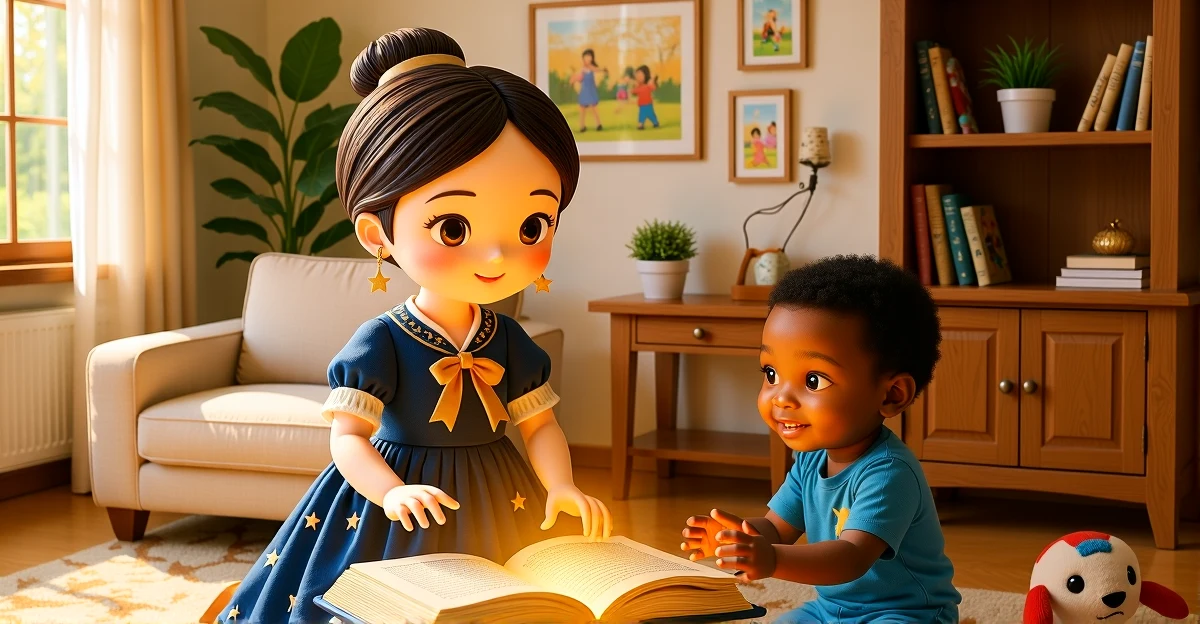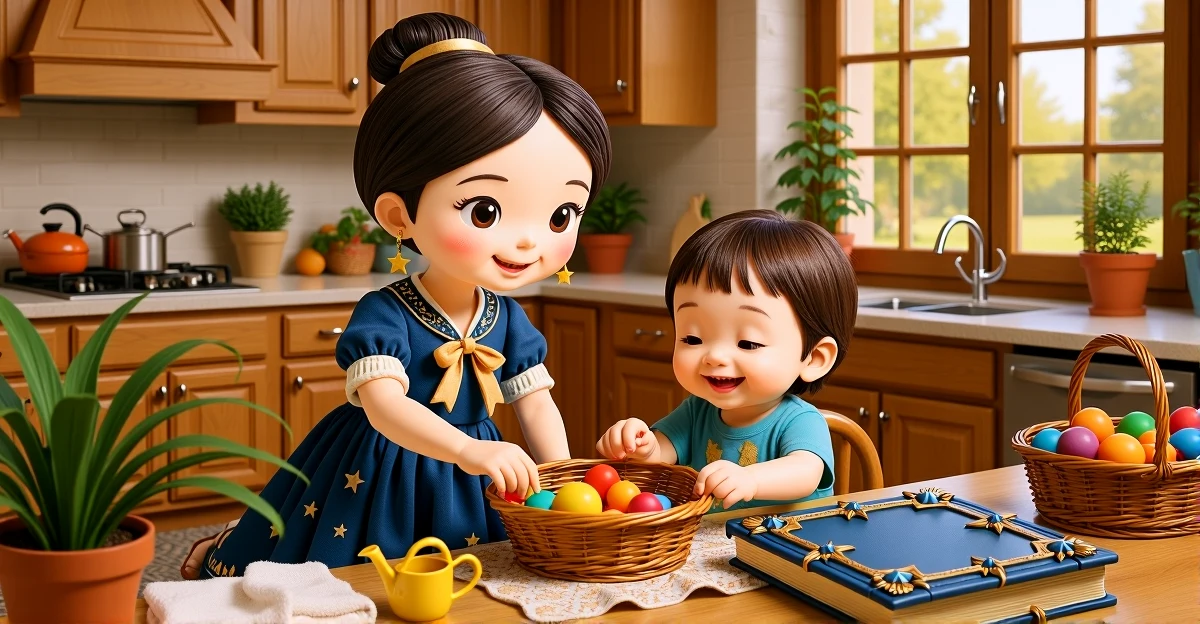

Your three-year-old stands on their tiptoes, reaching for the dish soap. "I help!" they announce with determination. You know what comes next. Water everywhere. Bubbles on the floor. A task that would take you two minutes now stretching into twenty. And yet, as you look at their eager face, you see something beautiful. Your child wants to contribute. They want to matter. They want to be part of the family team.
If you're wondering how to nurture your child's natural desire to help others and take care of things without losing your mind in the process, you're in exactly the right place. This isn't just about getting through the messy moments. This is about understanding what's happening in your child's developing brain and supporting one of the most important skills they'll ever learn: the joy of helping others.
In this guide, we'll explore why children ages three and four are SO eager to help, what research tells us about prosocial development, and gentle strategies that honor both your child's growth and your sanity. Plus, I'll share a story from the Magic Book that brings these concepts to life in a way your child will love.
Why Your Child Wants to Help (And Why It's So Important)
Let me share something wonderful with you. When your preschooler says "I want to help," they're not just being cute. Their developing brain is showing you something profound. They're learning about contribution, connection, and their place in the world.
During the preschool years, especially between ages three and four, children are developing what researchers call prosocial behaviors. These are the skills that help us connect with others, show empathy, cooperate, and yes, be helpful. And here's what's magical about this phase: your child WANTS to develop these skills. They're not doing it for rewards or praise. They're doing it because their hearts are genuinely wired for connection and contribution.
Think about it. Your child watches you care for the family. They see you cook meals, tidy spaces, water plants, help neighbors. And they think, "I want to do that too. I want to be like you. I want to matter." This isn't just imitation. This is their developing sense of identity and belonging.
The Developmental Window of Opportunity
The three-to-four-year age range is a particularly special time for nurturing helpfulness. Your child's brain is building the neural pathways for responsibility, empathy, and cooperation. Every time they help, even when it's messy, they're strengthening these pathways. They're learning that they have something valuable to offer. They're discovering that helping others feels good.
When we honor this desire to help, we're not just getting through a developmental phase. We're building a foundation that will serve your child for their entire life. We're teaching them that they matter, that their contribution is valuable, and that being part of a community means caring for others.
What Research Says About Prosocial Development
Let me share what the research tells us, because understanding the science makes everything so much clearer. Dr. Gwendolyn Lawson from the University of Pennsylvania studied evidence-based social-emotional learning programs and found something remarkable: social skills and the ability to understand feelings are present in one hundred percent of effective programs. That means helpfulness isn't just a nice bonus. It's a foundational part of healthy development.
"Social skills and identifying feelings are core components present in 100% of evidence-based programs."
— Dr. Gwendolyn M. Lawson, University of Pennsylvania
And here's something the American Academy of Pediatrics wants you to know: when parents provide developmentally appropriate opportunities for contribution, children build intrinsic motivation and a sense of competence. In other words, when you let your child help, even when it's messy, you're building their confidence and their genuine desire to contribute.
The research on prosocial behavior is equally encouraging. Studies show that prosocial behaviors like helpfulness, empathy, and cooperation can be nurtured through modeling, age-appropriate practice opportunities, and positive reinforcement. Your child isn't born knowing how to help effectively. They learn through practice, through watching you, and through experiencing the joy that comes from contributing to their family.
The Magic of Small Helpers
Here's something that always fills me with wonder. In nature, the tiniest helpers create the most magnificent results. Earthworms aerate the soil, making it possible for plants to grow. Bees pollinate flowers, creating entire ecosystems. Ants build colonies one grain of sand at a time. Small helpers, working together, accomplish AMAZING things.
Your child is learning this cosmic truth right now in your kitchen, in your living room, in your garden. They're discovering that their small hands can do important work. They're experiencing the joy of contribution. And they're building the understanding that we're all connected, and we all have something valuable to offer.
Gentle Strategies to Nurture Helpfulness
Now let's talk about how to support your child's desire to help in ways that honor their development and your sanity. These strategies are gentle, practical, and backed by research on child development.
1. Offer Age-Appropriate Tasks
The key to successful helping is matching the task to your child's abilities. For three and four-year-olds, this might mean:
- Putting napkins on the table (one at each place)
- Watering plants with a small cup or watering can
- Sorting laundry by color into different baskets
- Helping put toys in bins (you can make it a game!)
- Wiping the table with a damp cloth
- Feeding pets (with supervision)
- Carrying lightweight items to different rooms
These tasks let your child contribute meaningfully without requiring perfection. They're building skills, learning routines, and experiencing the satisfaction of helping.
2. Celebrate the Process, Not Just the Result
This is SO important. When your child helps, focus on their effort and their caring heart, not whether the task was done perfectly. Instead of "Good job!" try:
- "You worked so hard to help our family!"
- "I love how gentle you were with those plants."
- "Thank you for being such a caring helper."
- "You put so much effort into sorting those clothes!"
These words build intrinsic motivation. Your child learns that the act of helping itself is valuable, not just achieving a perfect result. This creates a lifelong love of contribution rather than perfectionism or fear of failure.
3. Work Alongside Them
Helping together turns chores into connection time. You can chat, sing, tell stories, and make the work joyful. This is where the magic happens. Your child isn't just learning how to fold laundry or set the table. They're learning that families work together, that helping can be fun, and that they're valued members of the team.
The Magic Book reminds me that the best learning happens in relationship. When you help side by side, you're strengthening your bond while teaching valuable skills. You're creating memories. You're building patterns of cooperation that will serve your family for years to come.
4. Be Patient with Messes and Mistakes
I know this is hard. When your child spills water while watering plants, it's tempting to take over or show frustration. But here's the truth: that spilled water isn't failure. It's learning. It's their brain building the neural pathways for coordination, spatial awareness, and problem-solving.
A gentle response like "Oh, the water spilled! Let's get a towel together" teaches SO much more than frustration or taking over the task. It teaches that mistakes are normal, that we can solve problems together, and that you're a safe person to learn with.
5. Model Helpfulness in Your Own Life
Children learn more from what we do than what we say. When they watch you help a neighbor, donate items, care for family members, or contribute to your community, they learn that helpfulness extends beyond our own homes. You're modeling the beautiful truth that we're all connected, and we all have something to contribute.
Talk about your own helping too. "I'm going to help Grandma with her groceries today." "We're donating these toys to children who need them." "I helped my friend who was feeling sad." These simple statements teach your child that helping others is a normal, valued part of life.
A Story That Brings This to Life
In The Book of Inara, we have a beautiful story that shows children the magic of being helpful helpers. Let me tell you about it:
The Garden of Many Helpers
Perfect for: Ages 2-3 (and early 4-year-olds)
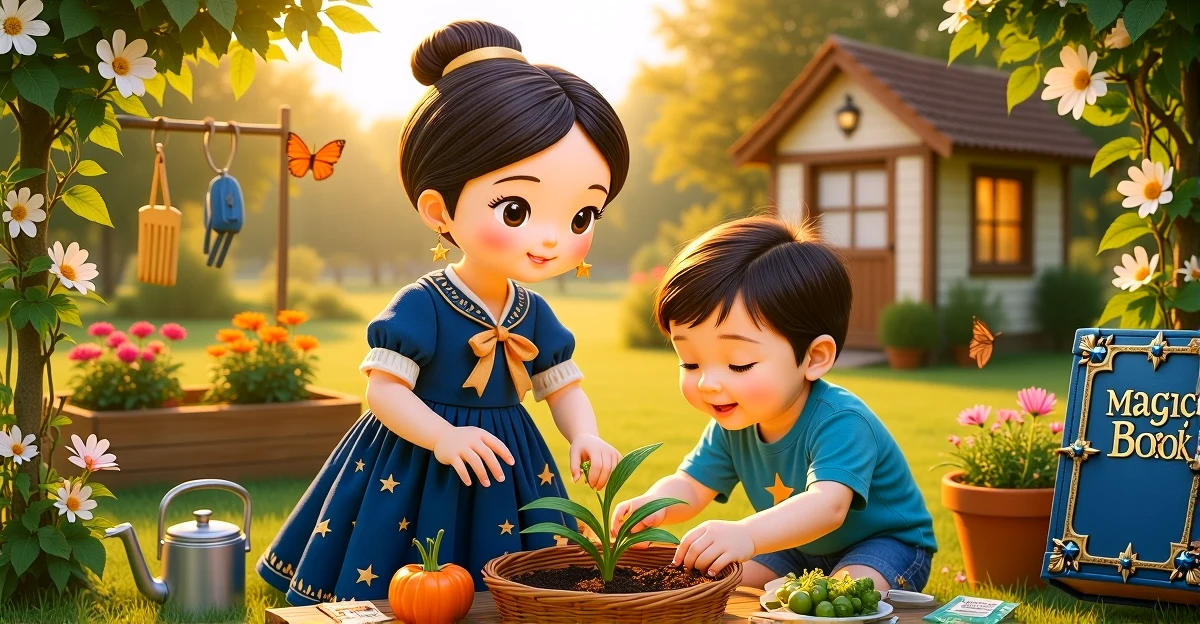
What makes it special: Ayli and Igar walk into a big garden and feel overwhelmed. The garden is HUGE, and their hands are so little. But then they notice the earthworms, the bees, and the ants—all these tiny helpers working together. They realize that small helpers can accomplish amazing things when they work as a team. With this new understanding, they organize their planting and discover that their small hands CAN do important work.
Key lesson: This story validates children's feelings about feeling small while showing them the truth: their size doesn't limit their ability to help. Their effort matters. Their contribution is valuable. It's perfect for children who are learning about helpfulness and contribution because it honors both the challenge ("This feels too big for me") and the truth ("I can do important work").
After reading together: You might create your own "helping team" at home. Talk about how everyone in the family is a helper, just like the earthworms and bees and ants. You could even make a simple chart showing different ways each family member helps, celebrating that everyone contributes in their own special way.
You're Doing Beautifully
My wonderful friend, I want you to know something as we close our time together. When your child says "I want to help," they're offering you a gift. They're saying, "I want to be close to you. I want to matter. I want to contribute to our family." And even when that help comes with spilled milk and crooked napkins, it's still a gift.
Your patience in these moments? Your willingness to slow down and let them try? That's not just good parenting. That's you building a foundation of responsibility, empathy, and connection that will serve your child for their entire life.
The research is clear. The Magic Book is clear. And I hope your heart is clear too. Supporting your child's desire to help is one of the most important things you can do. Not because it makes your life easier right now, but because it's teaching them that they have something valuable to offer the world.
So the next time your little one says "I help!" take a deep breath, smile, and say, "Yes, you can help! Let's do this together." And know that in that moment, you're not just getting through a task. You're raising a caring, capable, connected human being.
The Magic Book and I are always here for you, cheering you on, reminding you that you're doing BEAUTIFULLY, and offering stories that support your family's journey.
With love and starlight,
Inara
Related Articles
- Why Your Child Doesn't Understand Consequences Yet (And How to Help)
- Nurturing Environmental Awareness in Young Children (Ages 3-4)
- Nurturing Your Toddler's Desire to Help: Age-Appropriate Chores for 2-3 Year-Olds
- Why Your Child Resists Helping with Tasks (And How to Build Cooperation)
- Teaching Time Management to Preschoolers: Visual Schedules That Work
Show transcript
Hello, my wonderful friend! It's me, Inara, and I am SO happy you're here today!
You know, the Magic Book and I have been noticing something absolutely BEAUTIFUL happening in homes with young children. Parents are watching their little ones say, I want to help! I do it! And while this is such a precious moment, it can also feel... well, a little overwhelming when helping means flour all over the kitchen or toys scattered while trying to tidy up.
If you're wondering how to nurture your child's natural desire to help others and take care of things without losing your mind in the process, you are in exactly the right place. And I want you to know something important right from the start. Your child's eagerness to help? That's not just adorable. It's their developing brain showing you something WONDERFUL. They're learning about contribution, connection, and their place in the family and the world.
So grab a cozy cup of tea, settle in, and let's talk about this beautiful phase of development and how we can support it with love, patience, and a little cosmic wisdom from the Magic Book.
First, let me share what the research tells us, because understanding what's happening in your child's brain makes everything so much clearer. During the preschool years, especially between ages three and four, children are developing what researchers call prosocial behaviors. These are the skills that help us connect with others, show empathy, cooperate, and yes, be helpful!
Dr. Gwendolyn Lawson from the University of Pennsylvania studied evidence-based social-emotional learning programs and found that social skills and the ability to understand feelings are present in one hundred percent of effective programs. That means helpfulness isn't just a nice bonus. It's a foundational part of healthy development!
And here's something the American Academy of Pediatrics wants you to know. When parents provide developmentally appropriate opportunities for contribution, children build intrinsic motivation and a sense of competence. In other words, when you let your child help, even when it's messy, you're building their confidence and their genuine desire to contribute. How BEAUTIFUL is that?
The Magic Book whispers this truth to me all the time. Young children don't help because they want a reward or because they're trying to please you. They help because their hearts are wired for connection and contribution. They want to be part of the family team. They want to matter. And when we honor that desire, we're teaching them that they DO matter, that their small hands can do important work, and that helping others brings joy.
Now, I know what you might be thinking. But Inara, when my child helps, it takes three times as long and makes twice the mess! And my friend, I hear you. I truly do. This is where we need to shift our perspective just a little bit.
When your three-year-old wants to help set the table and drops a fork, they're not making your life harder. They're practicing coordination, learning about family routines, and building the neural pathways for responsibility. When your four-year-old wants to help fold laundry and creates a pile of wrinkled chaos, they're not creating more work. They're learning that families work together, that their contribution matters, and that effort is valuable even when the result isn't perfect.
The Magic Book taught me something profound about this. It showed me that in nature, the tiniest helpers create the most magnificent results. Earthworms aerate the soil. Bees pollinate flowers. Ants build entire colonies one grain of sand at a time. Small helpers, working together, accomplish AMAZING things. And your child? They're learning this cosmic truth right now in your kitchen, in your living room, in your garden.
So how do we nurture this beautiful desire to help? Let me share some gentle, practical strategies that honor your child's development and your sanity.
First, offer age-appropriate tasks that set your child up for success. For three and four-year-olds, this might mean putting napkins on the table, watering plants with a small cup, sorting laundry by color, or helping put toys in bins. These tasks let them contribute meaningfully without requiring perfection.
Second, celebrate the process, not just the result. When your child helps, focus on their effort and their caring heart. You worked so hard to help our family! or I love how gentle you were with those plants! These words build intrinsic motivation far more than focusing on whether the task was done perfectly.
Third, work alongside them. Helping together turns chores into connection time. You can chat, sing, tell stories, and make the work joyful. The Magic Book reminds me that the best learning happens in relationship, and helping side by side strengthens your bond while teaching valuable skills.
Fourth, be patient with messes and mistakes. I know this is hard, my friend. But when your child spills water while watering plants, that's not failure. That's learning. A gentle, Oh, the water spilled! Let's get a towel together, teaches so much more than frustration or taking over the task.
And fifth, let them see you helping others too. When children watch you help a neighbor, donate items, or care for family members, they learn that helpfulness extends beyond our own homes. You're modeling the beautiful truth that we're all connected, and we all have something to contribute.
Now, I want to tell you about a story from the Magic Book that shows this so beautifully. It's called The Garden of Many Helpers, and it's about two friends named Ayli and Igar who walk into a big garden and feel overwhelmed. The garden is HUGE, and their hands are so little. Sound familiar?
But then something magical happens. They notice the earthworms, the bees, and the ants, all these tiny helpers working together. And they realize that small helpers can accomplish amazing things when they work as a team. With this new understanding, Ayli and Igar organize their planting, and they discover that their small hands CAN do important work.
This story is perfect for children who are learning about helpfulness and contribution because it validates their feelings. It's okay to feel small when facing a big task! But it also shows them the truth. Their size doesn't limit their ability to help. Their effort matters. Their contribution is valuable.
After you read this story with your child, you might create your own helping team at home. Talk about how everyone in the family is a helper, just like the earthworms and bees and ants. You might even make a simple chart showing different ways each family member helps, celebrating that everyone contributes in their own special way.
You can find The Garden of Many Helpers in The Book of Inara, along with so many other stories that support your child's social and emotional growth. Each story is crafted with love to help children understand themselves and the world around them.
My wonderful friend, I want you to know something as we close our time together today. When your child says, I want to help, they're offering you a gift. They're saying, I want to be close to you. I want to matter. I want to contribute to our family. And even when that help comes with spilled milk and crooked napkins, it's still a gift.
Your patience in these moments? Your willingness to slow down and let them try? That's not just good parenting. That's you building a foundation of responsibility, empathy, and connection that will serve your child for their entire life.
The research is clear. The Magic Book is clear. And I hope your heart is clear too. Supporting your child's desire to help is one of the most important things you can do. Not because it makes your life easier right now, but because it's teaching them that they have something valuable to offer the world.
So the next time your little one says, I help! take a deep breath, smile, and say, Yes, you can help! Let's do this together. And know that in that moment, you're not just getting through a task. You're raising a caring, capable, connected human being.
The Magic Book and I are always here for you, cheering you on, reminding you that you're doing BEAUTIFULLY, and offering stories that support your family's journey.
With love and starlight, Inara.