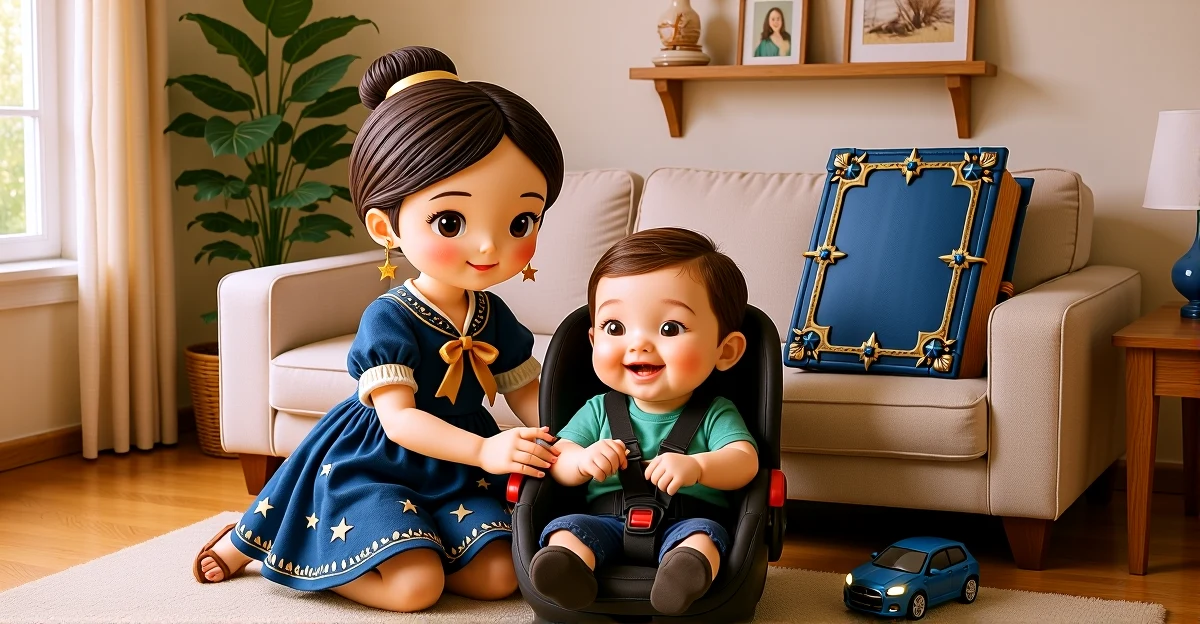

Picture this: It's the end of a long day, and you announce it's bath time. Immediately, your toddler's face crumples. The screaming starts. They run away, they fight, they cry as if you've asked them to do something truly terrible. And you're standing there, exhausted, wondering what happened to the child who used to love splashing in the tub.
If this sounds familiar, I want you to know something REALLY important: You are not alone, and your child is not being difficult. In fact, what's happening is actually a beautiful sign of healthy development.
I'm Inara, and the Magic Book and I have been exploring this challenge with so many parents. Today, I want to share what child development research teaches us about bath time fears, why they happen, and most importantly, gentle strategies that actually work. By the end of this post, you'll understand what's really happening in your toddler's brilliant little brain, and you'll have practical tools to help bath time become peaceful again.
Why Bath Time Fear Is Actually Normal Development
Here's something that might surprise you: Your toddler's fear of bath time is not a behavioral problem. It's a developmental milestone.
Between ages two and three, children's brains are growing at an incredible rate. They're developing new awareness of sensations, transitions, and their own autonomy. And sometimes, all of these changes converge at bath time in ways that feel overwhelming to their developing nervous systems.
Dr. Laura Kirmayer from the Child Mind Institute explains it beautifully:
"It is a typical stage of development for children this age to start developing fears. It's actually a sign that their neurological system, which alerts them to danger, is developing, so it's a good thing."
— Dr. Laura Kirmayer, Child Mind Institute
Can you imagine? Your child's fear of bath time is actually their brilliant little brain learning to assess the world around them. They're not being defiant when they scream and fight. They're communicating the only way they know how: "This feels scary to me right now. I need your help to feel safe."
And that, my wonderful friend, is not misbehavior. That's trust. That's your child knowing you're their safe person.
What Makes Bath Time Feel Scary?
For toddlers, bath time involves SO many potentially overwhelming elements:
- Sensory experiences: The feeling of water on skin, the sound of running water, the temperature changes, the sensation of being wet
- Transitions: Moving from one activity to another, from clothed to unclothed, from one room to another
- Loss of control: Being told what to do during a time when they're discovering their own autonomy
- Imagination development: Their growing imagination can create fears about water, drains, or getting soap in their eyes
- Past experiences: Even one time getting water in their eyes or feeling too cold can create lasting associations
When you understand that your toddler's nervous system is genuinely overwhelmed, it changes everything about how you respond.
What Research Says About Fear and Development
The research on toddler fears is SO reassuring for parents who are in the thick of bath time battles.
Studies from the National Association for the Education of Young Children show us that trusting relationships with caregivers are essential for children's optimum development. When we respond to our children's fears with warmth, affection, respect, and caring, we're teaching them that their emotions are manageable and that they're not alone in facing challenges.
This is SUCH an important point. When your little one screams during bath time and you respond with patience instead of frustration, you're not just getting them clean. You're teaching them:
- That their feelings are valid and important
- That scary things can become comfortable with gentle support
- That you're their safe place, no matter what
- That emotions are temporary and manageable
- That they can trust you to help them through difficult moments
Pediatric occupational therapy specialists also tell us that some toddlers experience sensory processing differences that make routine activities like bathing feel overwhelming. And that's not something to fix in your child—it's something to understand and support.
The beautiful truth is this: Your patient, loving response to your child's bath time fear is building their emotional foundation for life. Every gentle word, every moment of validation, every time you choose connection over control, you're teaching them that they're safe, loved, and capable of handling big feelings.
Gentle Strategies That Actually Work
Now let me share some research-backed strategies that can help transform bath time from a battle into a peaceful routine. These aren't quick fixes—they're gentle approaches that honor your child's development while building their confidence over time.
1. Create Predictable Routines
Predictable routines are like magic spells for toddler brains. When children know what to expect, their stress hormones actually decrease. Their nervous system can prepare instead of being caught off guard.
Try creating a consistent bath time sequence. Maybe it's always after dinner, always with the same gentle song, always with a special hug before getting in the water. That predictability helps their nervous system feel safe.
You might create a simple routine like this:
- Five-minute warning: "Bath time is coming soon!"
- Connection moment: A special hug or song together
- Transition ritual: Walking to the bathroom together, turning on the water together
- Choice moment: "Blue boat or yellow duck tonight?"
- Comfort signal: The same gentle phrase every time, like "You're safe, I'm here"
2. Offer Meaningful Choices
This is SO important. Your toddler is discovering that they're a separate person with their own preferences, and that's WONDERFUL development. When you offer choices, you support their growing autonomy while reducing their fear.
Instead of saying "Time for a bath," try:
- "Would you like to bring your blue boat or your yellow duck into the bath tonight?"
- "Should we sing the bubble song or the splashing song?"
- "Do you want to get in the bath first, or should we put your toys in first?"
- "Would you like to wash your arms first or your legs first?"
These small choices give them a sense of control, which helps reduce their fear. They're not being forced into something scary—they're making decisions about how it happens.
3. Try Gradual Exposure
If your child is truly terrified, you don't have to do a full bath every single night. Gradual exposure can work beautifully, building confidence through small, celebrated steps.
You might try:
- Start with just washing hands together at the sink, making it playful and fun
- Progress to sitting near the tub while it fills, listening to the water sounds together
- Then maybe just feet in the water, with lots of praise and comfort
- Gradually work up to sitting in the tub, then adding water, then washing
Small steps, celebrated with warmth and patience, build confidence over time. There's no rush. Your child will get there.
4. Connection Before Transition
This is something the Magic Book whispers often: Connection before transition.
Spend five extra minutes of close, warm time with your child before bath time begins. Read a story together, have a cuddle, sing a song. When their connection cup is full, transitions feel less scary.
Think of it this way: When your child feels deeply connected to you, they have more emotional resources to handle something that feels challenging. That five minutes of connection is not wasted time—it's an investment that makes the entire bath time routine smoother.
5. Validate Their Feelings
Never dismiss or minimize your child's fear. When you validate their experience, you build trust and teach emotional regulation.
Instead of "There's nothing to be scared of," try:
- "I can see bath time feels scary to you right now. That's okay. I'm here to help you feel safe."
- "Your body is telling you this feels like too much. Let's go slowly together."
- "I know the water feels different on your skin. We can take our time."
When children feel heard and understood, their nervous system can begin to calm. Validation is not the same as giving in—it's acknowledging their reality while gently supporting them through it.
Stories That Can Help
In The Book of Inara, we have beautiful stories that bring these concepts to life for your child. Stories are SUCH powerful tools for helping children understand their feelings and learn new ways of coping.
The Gentle Glow of Friendship
Perfect for: Ages 2-3
What makes it special: This story addresses nighttime fears and the power of comfort and reassurance, which directly parallels bath time anxiety. When Ayli feels scared during a nighttime bathroom trip, she and her friend Igar discover that their night light glows brighter whenever they share comforting hugs, teaching them about the healing magic of friendship and comfort.
Key lesson: Fears are normal, and gentle support and connection help us feel brave again. When we have someone who cares about us nearby, scary things feel more manageable.
How to use it: After reading this story together, you can create your own comfort ritual for bath time. Maybe a special hug before getting in the water, or a gentle song that signals safety. You could say, "Remember how Ayli felt scared but Igar's hug helped her feel brave? Let's have our special bath time hug so you can feel brave too."
When you read stories like this with your child, you're not just entertaining them. You're teaching them that their feelings are normal, that comfort and connection help, and that they can be brave even when something feels scary.
You're Doing Beautifully
I want you to imagine something with me. Imagine your child, five years from now, confidently getting ready for their day, maybe even enjoying their shower or bath. That future is coming, my wonderful friend. This phase, as challenging as it feels right now, is temporary.
Your patient, loving support is teaching your child that their feelings matter, that you're their safe place, and that scary things can become comfortable with time and gentle help. You don't have to be perfect. You don't have to make the fear disappear overnight. You just have to be present, be warm, be patient, and trust that this phase will pass.
Here's what I want you to remember: Your child's bath time fear is not defiance. It's development. It's their brain growing and learning. And your warm, patient response is exactly what they need.
The Magic Book and I believe in you. We see how much you love your child, how hard you're trying, how exhausted you feel at the end of long days. And we want you to know—you're doing beautifully. Every gentle word, every patient moment, every time you choose connection over control, you're building your child's emotional foundation for life.
So tonight, or tomorrow, whenever bath time comes around again, take a deep breath. Remember that your child's fear is normal and healthy. Offer them choices, maintain your warm routine, maybe read The Gentle Glow of Friendship together first, and trust that with your loving support, bath time will become peaceful again.
With love and starlight,
Inara
Related Articles
- Why Bedtime Battles Are Normal Development (And the Gentle Routine That Changes Everything)
- Understanding Your Toddler's Growing Independence: A Gentle Parenting Guide
- Understanding Public Meltdowns: Why Your Toddler Isn't Trying to Embarrass You
- Understanding Toilet Training Regression: Why It Happens and How to Help (Ages 2-3)
Show transcript
Hello, my wonderful friend! It's me, Inara, and I am so happy you're here today. You know, the Magic Book and I have been noticing something that many parents are experiencing right now. Bath time has become a battle, and if that's happening in your home, I want you to know something really important. You are not alone, and your child is not being difficult. In fact, what's happening is actually a beautiful sign of healthy development.
Let me paint a picture. Your toddler, who maybe used to love splashing in the tub, now screams and fights every single time bath time approaches. You feel exhausted, maybe even a little defeated, wondering what changed and how to make it better. And here's what I want you to know, my dear friend. This is one of the most common challenges parents of two and three year olds face, and there are such WONDERFUL reasons why this happens.
The Magic Book taught me something that changed everything about how I understand toddler fears. Dr. Laura Kirmayer from the Child Mind Institute explains it beautifully. She says, it is a typical stage of development for children this age to start developing fears. It's actually a sign that their neurological system, which alerts them to danger, is developing, so it's a good thing. Can you imagine? Your child's fear of bath time is actually their brilliant little brain learning to assess the world around them.
You see, between ages two and three, children's imaginations are blooming like cosmic flowers. They're becoming more aware of sensations, of transitions, of their own autonomy. And sometimes, the feeling of water, the sound of it running, the transition from clothed to unclothed, from one room to another, it can feel overwhelming to their developing nervous systems.
Research from the National Association for the Education of Young Children shows us that trusting relationships with caregivers are essential for children's optimum development. And when we respond to our children's fears with warmth, affection, respect, and caring, we're teaching them that their emotions are manageable and that they're not alone in facing challenges.
So what does this mean for bath time? It means that when your little one screams and fights, they're not being defiant. They're communicating the only way they know how. They're saying, this feels scary to me right now. I need your help to feel safe. And that, my friend, is not misbehavior. That's trust. That's your child knowing you're their safe person.
Now, let me share some gentle, research-backed strategies that can help transform bath time from a battle into a peaceful routine.
First, predictable routines are like magic spells for toddler brains. When children know what to expect, their stress hormones actually decrease. So try creating a consistent bath time sequence. Maybe it's always after dinner, always with the same gentle song, always with a special hug before getting in the water. That predictability helps their nervous system prepare and feel safe.
Second, offer choices to support their growing autonomy. This is SO important. Your toddler is discovering that they're a separate person with their own preferences, and that's WONDERFUL development. So instead of saying, time for a bath, try saying, would you like to bring your blue boat or your yellow duck into the bath tonight? Or, should we sing the bubble song or the splashing song? These small choices give them a sense of control, which helps reduce their fear.
Third, gradual exposure can work beautifully. If your child is truly terrified, you don't have to do a full bath every single night. Maybe start with just washing hands together at the sink, making it playful and fun. Then progress to sitting near the tub while it fills, listening to the water sounds together. Then maybe just feet in the water. Small steps, celebrated with warmth and patience, build confidence over time.
Fourth, and this is something the Magic Book whispers often, connection before transition. Spend five extra minutes of close, warm time with your child before bath time begins. Read a story together, have a cuddle, sing a song. When their connection cup is full, transitions feel less scary.
And here's something beautiful. We have a story in The Book of Inara called The Gentle Glow of Friendship, where Ayli feels scared during a nighttime bathroom trip. She and her friend Igar discover that their night light glows brighter whenever they share comforting hugs, teaching them about the healing magic of friendship and comfort.
This story is PERFECT for your two to three year old because it shows that fears are normal, that it's okay to feel scared, and that gentle support and connection help us feel brave again. After reading this story, you could create your own comfort ritual for bath time. Maybe a special hug before getting in the water, or a gentle song that signals safety, helping your child associate the routine with warmth and connection rather than fear.
You could say something like, remember how Ayli felt scared but Igar's hug helped her feel brave? Let's have our special bath time hug so you can feel brave too. And then you're not just getting them into the tub, you're teaching them that comfort and connection help fears feel smaller.
The research is so clear on this, my friend. Pediatric occupational therapy specialists tell us that some toddlers experience sensory processing differences that make routine activities like bathing feel overwhelming. And that's not something to fix in your child, it's something to understand and support. When we validate their experience instead of dismissing it, we build trust and teach emotional regulation.
I want you to imagine something with me. Imagine your child, five years from now, confidently getting ready for their day, maybe even enjoying their shower or bath. That future is coming, my dear friend. This phase, as challenging as it feels right now, is temporary. Your patient, loving support is teaching your child that their feelings matter, that you're their safe place, and that scary things can become comfortable with time and gentle help.
Here's what I want you to remember tonight. Your child's bath time fear is not defiance. It's development. It's their brain growing and learning. And your warm, patient response is exactly what they need. You don't have to be perfect. You don't have to make the fear disappear overnight. You just have to be present, be warm, be patient, and trust that this phase will pass.
The Magic Book and I believe in you. We see how much you love your child, how hard you're trying, how exhausted you feel at the end of long days. And we want you to know, you're doing beautifully. Every gentle word, every patient moment, every time you choose connection over control, you're building your child's emotional foundation for life.
So tonight, or tomorrow, whenever bath time comes around again, take a deep breath. Remember that your child's fear is normal and healthy. Offer them choices, maintain your warm routine, maybe read The Gentle Glow of Friendship together first, and trust that with your loving support, bath time will become peaceful again.
You can find The Gentle Glow of Friendship and so many other helpful stories in The Book of Inara app. Stories that teach, comfort, and connect. Stories that help both you and your child navigate these beautiful, challenging early years.
Thank you for being here with me today, my wonderful friend. Thank you for loving your child so deeply, for seeking understanding, for choosing gentleness. The Magic Book and I are always here for you, cheering you on, believing in you.
Sweet dreams, and peaceful bath times ahead. With love and starlight, Inara.