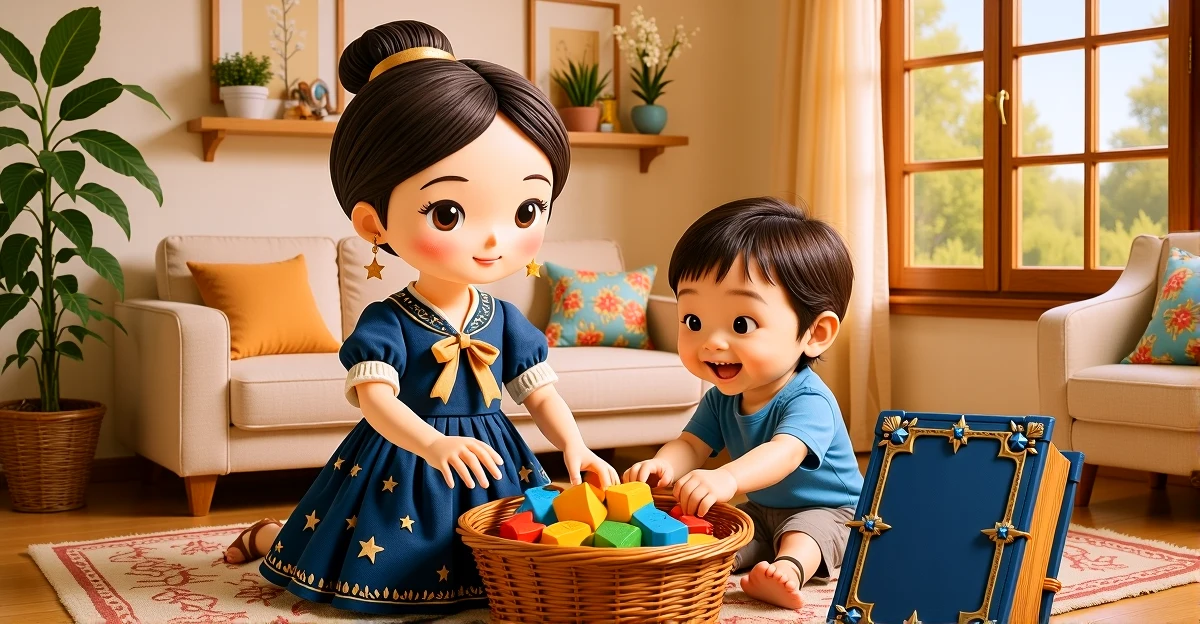

When your toddler resists the same daily activities you do every single day, it can feel exhausting. Mornings become battles. Bedtime turns into a struggle. You wonder, when will routines feel natural instead of overwhelming? Here is the beautiful truth: routines are not just about getting through the day. They are one of the most powerful tools you have for helping your toddler feel safe, secure, and ready to explore the world.
Understanding Why Toddlers Need Predictable Routines
Between ages two and three, your child is experiencing massive changes in thinking, learning, social abilities, and emotional development. The Centers for Disease Control and Prevention tells us that consistent routines help toddlers explore their new world and make sense of it during these huge developmental changes.
Think about what is happening in your toddler brain during these years. They are taking in so much information every single day. When their day has predictable patterns, their brain can focus energy on learning and exploration rather than managing uncertainty and anxiety.
Five Gentle Strategies to Help Your Child Enjoy Routines
1. Make Routines Playful and Engaging
Instead of saying time to brush teeth, you can say let us go find the toothbrush fairy! When routines include elements of play and joy, children start to look forward to them.
2. Give Your Child Choices Within the Routine
You can say, would you like to put on your pajamas first, or brush your teeth first? This gives them a sense of control and autonomy while still maintaining the overall structure.
3. Use Visual Cues to Support Anticipation
You can create a simple picture chart showing the steps of your morning routine or bedtime routine. When your toddler can SEE what is coming, they feel more prepared and less anxious about transitions.
4. Narrate the Routine as You Go
You can say, first we eat breakfast, then we get dressed, then we play. This helps your child internalize the sequence and start to anticipate what comes next on their own.
5. Celebrate the Routine Itself
You can say, we did it! We finished our whole bedtime routine! When you celebrate the completion of routines, your child starts to feel a sense of accomplishment and pride in following the pattern.
Using Stories to Teach About Consistent Care
The Book of Inara includes a story called The Greenhouse Where Plants Whisper Thank You, which teaches about consistent, gentle care through the metaphor of caring for plants. Just like the plants thrive with predictable watering and kind words, children thrive with consistent daily routines filled with love and connection.
What to Remember About Routines and Security
Routines are not about control. They are about creating a secure foundation from which your child can explore, learn, and grow. You do not need to have a perfect routine. You just need to create some consistent patterns that help your child anticipate what comes next.
Related Articles
Show transcript
Hello, wonderful parent! It's me, Inara, and I am so happy you're here today. You know, the Magic Book and I have been noticing something beautiful happening in homes all around the world. Parents like you are reaching out with questions about daily routines, and I want you to know right from the start - you are doing beautifully, and your little one is learning and growing in exactly the way they should.
So let's talk about something you might be experiencing. You want to help your child enjoy and anticipate daily routines. Maybe mornings feel like a battle. Maybe bedtime is a struggle. Maybe your toddler resists the same activities you do every single day, and you're wondering, why is this so hard? When will routines feel natural instead of exhausting?
First, wonderful parent, take a deep breath. What you're experiencing is completely normal. And the Magic Book has taught me something that will completely change how you see routines. Are you ready?
Here's the beautiful truth. Routines are not just about getting through the day. They are one of the most powerful tools you have for helping your toddler feel safe, secure, and ready to explore the world. When you establish predictable patterns in your child's day, you are giving their developing brain exactly what it needs to thrive.
The research backs this up in such wonderful ways. The Centers for Disease Control and Prevention tells us that consistent routines help toddlers explore their new world and make sense of it during huge changes in thinking, learning, social, and emotional abilities. Can you imagine? Your simple morning routine of breakfast, getting dressed, and brushing teeth is actually helping your child's brain develop the ability to understand sequences, anticipate what comes next, and feel in control of their environment.
And here's something else the Magic Book showed me. During the toddler years, your child's brain is growing at an incredible pace. They are taking in so much information every single day. When their day has predictable patterns, their brain can focus energy on learning and exploration rather than managing uncertainty and anxiety. University research confirms that keeping the same general routine every day helps make your child's world feel stable and predictable, which is fundamental for emotional security.
Think about it this way. Imagine if every day, you woke up in a completely different place with completely different expectations. You would feel anxious and overwhelmed, right? That's how toddlers feel when their days are unpredictable. But when they know that after breakfast comes playtime, then a nap, then a snack, they feel safe. They feel like they understand their world. And that sense of security is the foundation for everything else they will learn.
Now, I know what you might be thinking. But Inara, my child FIGHTS the routine. They resist bedtime. They don't want to get dressed. They cry when it's time to clean up toys. How is that enjoying routines?
Here's what I want you to understand. Your toddler is not resisting the routine because they don't need it. They are resisting because they are learning about autonomy, about having their own preferences, about testing boundaries. This is normal, healthy development. And the beautiful thing is, even when they resist, the routine itself is still providing that sense of security and predictability their brain craves.
So what can you do to help your child not just tolerate routines, but actually enjoy and anticipate them? The Magic Book whispers this wisdom.
First, make routines playful and engaging. Instead of saying, time to brush teeth, you can say, let's go find the toothbrush fairy! Or sing a special tooth-brushing song. When routines include elements of play and joy, children start to look forward to them. You are not just completing a task. You are creating a moment of connection.
Second, give your child choices within the routine. You can say, would you like to put on your pajamas first, or brush your teeth first? This gives them a sense of control and autonomy while still maintaining the overall structure. They are learning that routines have flexibility, and that their preferences matter.
Third, use visual cues to help your child anticipate what comes next. You can create a simple picture chart showing the steps of your morning routine or bedtime routine. When your toddler can SEE what's coming, they feel more prepared and less anxious about transitions.
Fourth, narrate the routine as you go through it. You can say, first we eat breakfast, then we get dressed, then we play. This helps your child internalize the sequence and start to anticipate what comes next on their own. You are teaching them about time, about order, about predictability.
And fifth, celebrate the routine itself. You can say, we did it! We finished our whole bedtime routine! You brushed your teeth, put on your pajamas, and picked out a story. I'm so proud of you! When you celebrate the completion of routines, your child starts to feel a sense of accomplishment and pride in following the pattern.
Now, here's where the magic of stories comes in. The Magic Book and I have created stories specifically designed to help children understand the beauty of consistent care and gentle routines. And I want to tell you about one that might be perfect for your family right now.
It's called The Greenhouse Where Plants Whisper Thank You, and it's about two friends, Milo and Nana, who discover a magical greenhouse where plants glow softly when cared for with gentle touches and kind words. Every day, Milo and Nana water the plants, talk to them sweetly, and make sure they have enough sunlight. And the plants respond by glowing brighter and whispering thank you. The children learn that consistent, loving care creates growth and happiness.
This story teaches a beautiful lesson that connects directly to routines. Just like the plants thrive with predictable watering and kind words, your child thrives with consistent daily routines filled with love and connection. After reading this story, you can say to your child, just like we water the plants every day and they grow strong, we brush our teeth every night and our bodies stay healthy. Routines help us grow!
The story doesn't lecture about routines. It doesn't tell children they have to follow rules. Instead, it shows them the beauty of consistent, gentle care. It makes routines feel like magic, not like chores.
When you read this story with your child, something beautiful happens. They see characters who care for living things with patience and love. They watch those plants respond with gratitude and growth. And slowly, gently, without pressure, they start to internalize that lesson. They begin to understand that routines are not restrictions. They are acts of love and care.
The Magic Book has taught me that stories are the gentlest teachers. They meet children exactly where they are. They honor their feelings. And they show them new possibilities without forcing or shaming.
So here's what I want you to remember, wonderful parent. Routines are not about control. They are about creating a secure foundation from which your child can explore, learn, and grow. When you establish predictable patterns in your child's day, you are giving them the gift of security, the gift of knowing what to expect, the gift of feeling safe in their world.
You don't need to have a perfect routine. You don't need to follow a rigid schedule. You just need to create some consistent patterns that help your child anticipate what comes next. Morning routines, mealtime routines, bedtime routines. These simple, predictable moments are building your child's sense of security and their ability to regulate their emotions.
And in the meantime, make routines playful. Give choices. Use visual cues. Narrate the steps. Celebrate completion. And let stories do some of the teaching for you.
The Book of Inara is filled with stories that support your child's emotional and social development. Stories about routines, cooperation, kindness, empathy, and so much more. Each one is crafted with love and backed by research to meet your child exactly where they are and gently guide them forward.
You are doing such a beautiful job. Your child is lucky to have you. Keep trusting your instincts, keep showing up with love, and keep believing in the power of simple, consistent routines to help your child thrive.
Sweet dreams, and until our next adventure together. With love and starlight, Inara.