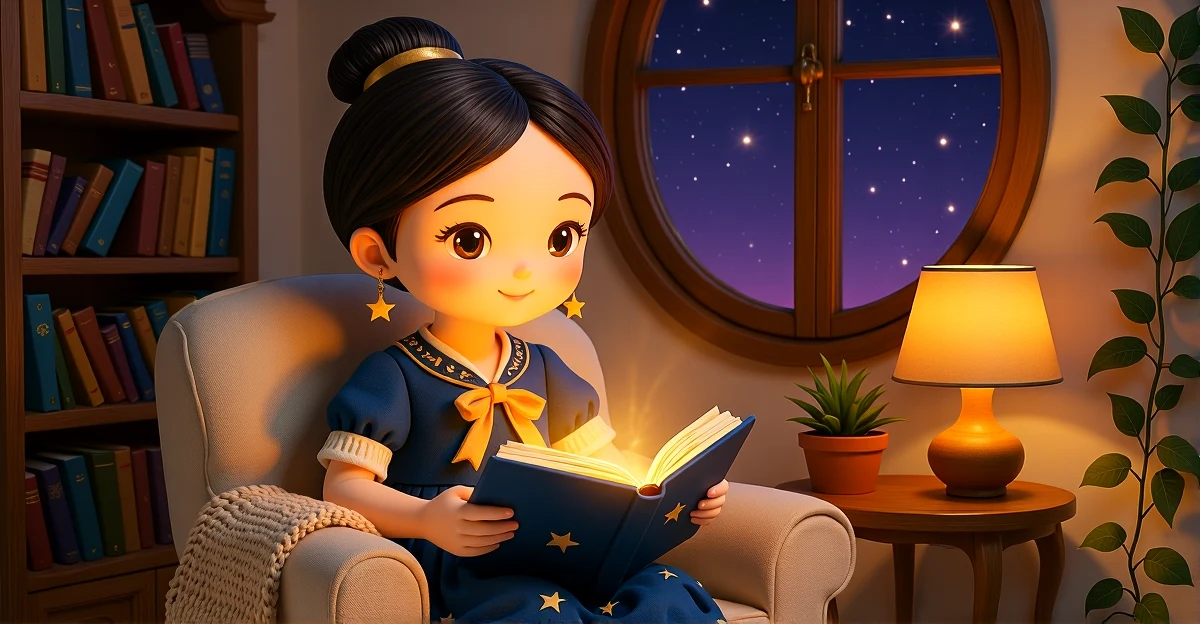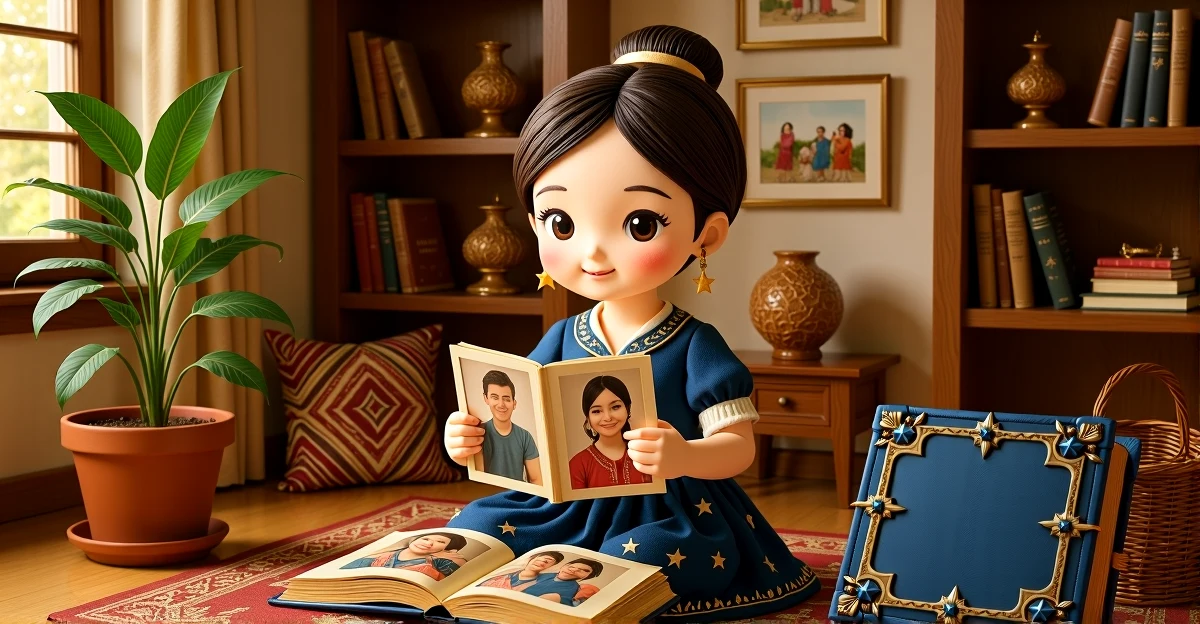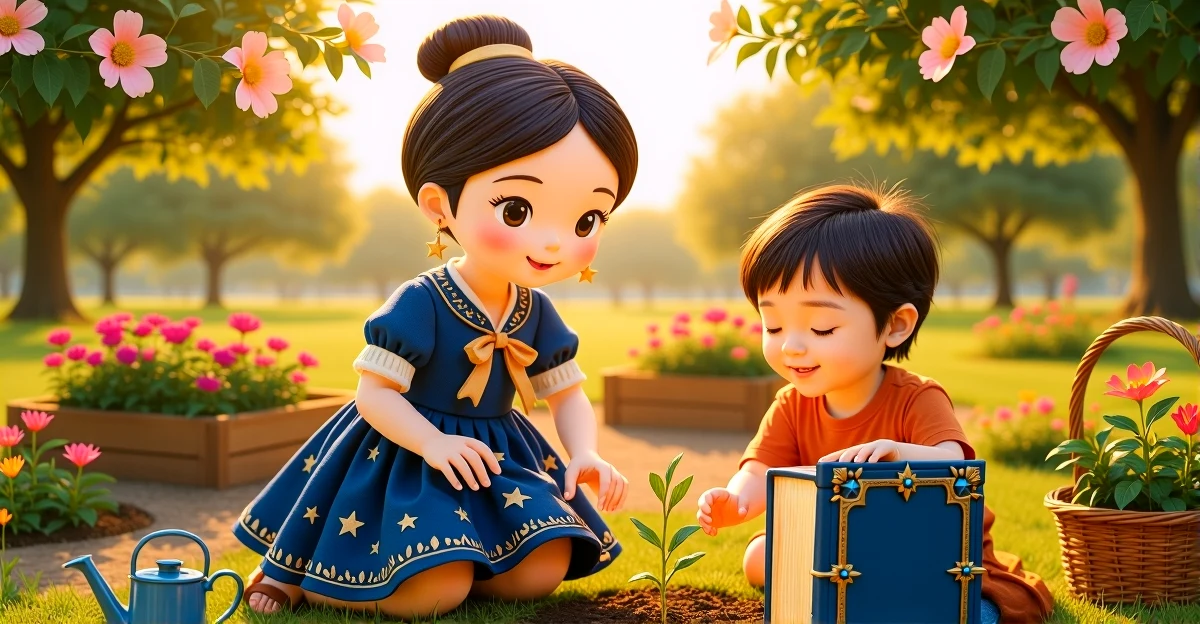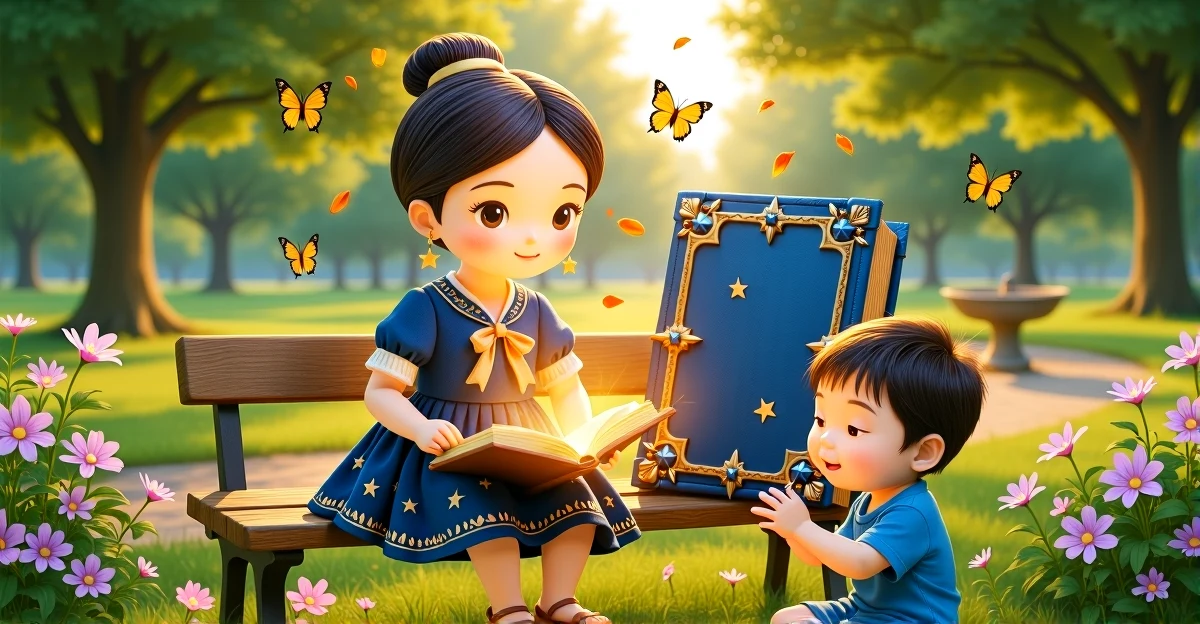
Your five-year-old looks up at you with those bright, curious eyes and asks, "How can I help?" Maybe they want to set the table. Maybe they want to water the plants. Maybe they noticed a friend who was sad and they want to make them feel better.
And in that moment, you might think they're just being sweet. But here's what the Magic Book taught me: something far more profound is happening. Your child isn't just being helpful. They're discovering their purpose.
If you've been wondering whether your five or six-year-old is too young to think about meaning and purpose, I want to share something that might surprise you. In this post, we'll explore what research tells us about purpose discovery in young children, how you can support this beautiful unfolding, and stories that help children see themselves as capable contributors to something larger and meaningful.
Is My Child Too Young to Think About Purpose?
This is one of the most common questions I hear from parents. And I understand why. When we think about purpose and meaning, we often imagine big life decisions, career paths, or philosophical questions that seem far beyond the world of kindergarten and playdates.
But here's the beautiful truth: purpose isn't something children find later in life. Purpose is something they're discovering right now, in this very moment, through every small act of kindness, every curious question, every time they help someone or notice that their actions make a difference.
According to the National Association for the Education of Young Children, children are inherently active learners from birth. They're constantly creating meaning through their relationships and experiences. And here's what makes ages five and six SO special: this is when children's capacity for self-awareness really begins to bloom. They're starting to understand that their actions create ripples in the world around them.
"Children's motivation to learn is increased when their learning environment fosters their sense of belonging, purpose, and agency."
— National Association for the Education of Young Children
What does this mean in everyday life? It means when your five-year-old asks if they can help set the table, they're not just being helpful. They're discovering that their actions matter. When your six-year-old comforts a friend who's sad, they're not just being kind. They're learning that they have the power to make someone's world a little brighter.
What Research Tells Us About Purpose Discovery in Young Children
The Collaborative for Academic, Social, and Emotional Learning defines social-emotional learning as the process through which children develop healthy identities and work toward personal and collective goals. And that's exactly what purpose is: understanding who you are and how you can contribute to something larger than yourself.
Ages five and six represent such a pivotal developmental window. This is when children naturally begin exploring questions of identity, capability, and contribution. Their growing capacity for self-awareness means they're starting to understand cause and effect in social relationships. They're beginning to see patterns: when I share, my friend smiles. When I help, things get easier for others. When I show kindness, people feel better.
The Three Foundations of Purpose Discovery
Research shows that children develop a sense of purpose through three interconnected experiences:
- Belonging: Feeling valued and connected to their family and community
- Agency: Having opportunities to make meaningful choices and see the results of their actions
- Contribution: Understanding that they can make a positive difference in the lives of others
When we create environments that foster these three elements, we're not just teaching children to be helpful. We're helping them discover that they matter, that their presence in the world makes a difference, that they have something unique and beautiful to offer.
How to Support Your Child's Sense of Purpose and Meaning
So how do we support this beautiful unfolding? How do we help our children discover their unique purpose? Here are three research-backed approaches that work beautifully with five and six-year-olds:
1. Notice and Validate Their Interests
When your child shows fascination with something—whether it's bugs or building blocks or helping others—that's not random. That's their inner compass pointing toward what lights them up. The Magic Book taught me that when we honor children's natural curiosity and validate their interests, we help them see themselves as capable contributors.
This doesn't mean you need to enroll them in every class or activity. It means paying attention. It means saying, "I noticed you really love helping me in the garden. You're so gentle with the plants." Or "I saw how you helped your friend when they were struggling with that puzzle. That was SO thoughtful."
Research from NAEYC shows that when educators and parents follow children's lead in noticing their interests and respond with appropriate action, children develop self-confidence and an understanding that their actions make a difference. And that understanding is the foundation of purpose.
2. Give Them Opportunities for Meaningful Choices
Purpose grows when children have agency—when they can make decisions about what activities they engage in and how those activities proceed. This doesn't mean letting them do whatever they want. It means involving them in age-appropriate decisions.
Should we read this story or that one? Would you like to help me water the plants or feed the cat? Do you want to draw a picture for grandma or make her a card? These small choices matter. They teach children that their preferences are valued, that they have some control over their world, that their decisions lead to real outcomes.
When children make choices and see the positive results, they begin to understand that they're not just passengers in life. They're active participants. They're contributors. They matter.
3. Help Them See the Connection Between Actions and Outcomes
This is SO important. When your child shares a toy and their friend smiles, point it out. When they help you cook dinner and the family enjoys the meal, celebrate that connection. When they draw a picture for grandma and grandma's face lights up, help them notice that their kindness created joy.
You might say: "Did you see how happy your friend was when you shared? Your kindness made their whole face light up." Or "Because you helped me set the table, we got to sit down together sooner. Thank you for being such a wonderful helper."
These aren't heavy, serious conversations. They're gentle, wonder-filled observations. You're helping your child connect the dots between who they are, what they do, and how they can contribute to the world around them.
Stories That Bring Purpose to Life
In The Book of Inara, we have beautiful stories that show children the profound truth about purpose and meaning. Let me share one that's PERFECT for this journey:
The Mushroom Memory Keepers
Perfect for: Ages 6-7 (also wonderful for mature 5-year-olds)
What makes it special: This story beautifully demonstrates that children can change the world through small acts of kindness that grow into meaningful movements. Theo and Miles discover a magical mushroom grove where each mushroom holds memories of small acts of kindness that grew into world-changing movements. They're guided by Grandfather Aristotle and Ranger Tia through this enchanted place, and what they learn transforms how they see themselves and their place in the world.
Key lesson: Your everyday actions have profound meaning. Small acts of kindness are the seeds that grow into meaningful change. You're not too young to have purpose—you're already part of something beautiful and meaningful through the choices you make every single day.
Why it works: When children hear this story, they learn that they don't have to do something huge or dramatic to make a difference. They discover that the everyday moments of caring and helping are part of a larger chain of people throughout history who have worked to make the world better. It helps them see themselves as capable contributors to something larger than themselves.
After you read this story with your child, here's a beautiful conversation you can have: Help your child notice the small ways they already make a difference. Ask them: When have you helped someone today? How do you think that made them feel? What do you love to do that makes other people happy?
Purpose Is About Connection, Not Achievement
Here's something the Magic Book taught me that I want you to hold close: purpose isn't about achievement or accomplishment. It's not about being the best or the smartest or the most talented. Purpose is about connection. It's about understanding that we're all part of a beautiful web of relationships, and every kind action strengthens that web.
So when your child asks how they can help, say yes whenever possible. When they show interest in something, explore it together. When they do something kind, help them notice the ripple effect of that kindness. You're not just teaching them to be helpful. You're helping them discover that they matter, that their presence in the world makes a difference, that they have something unique and beautiful to offer.
The research tells us that children ages five and six are not too young to begin discovering their unique strengths and contributions. This is precisely the age when supportive adults can help children recognize their capabilities, explore their interests, and understand how they can make positive contributions to their families and communities.
You're Doing Beautifully
And here's the truth: you're already doing this. By asking this question, by caring about your child's sense of purpose and meaning, you're creating exactly the kind of environment where purpose can bloom. You're noticing them, validating them, helping them see themselves as capable and valuable.
So keep doing what you're doing. Keep noticing what lights your child up. Keep giving them opportunities to help and contribute. Keep celebrating their kindness and pointing out the difference they make. And when you need a gentle helper, a story that shows your child the beautiful truth about purpose and meaning, The Mushroom Memory Keepers is waiting for you in The Book of Inara.
You're raising a child who will know, deep in their bones, that they matter. That their life has meaning. That they have something unique and wonderful to offer the world. And that is one of the greatest gifts you can give.
The Magic Book and I are always here for you, cheering you on, celebrating every small moment of discovery and growth.
With love and starlight,
Inara
Related Articles
- When Screen Time Ends in Meltdowns: Understanding Your Child's Brain and What Actually Helps (Ages 5-6)
- When Your Child Feels Invisible: Understanding Social Isolation and the Gentle Path to Friendship
- Teaching Financial Wisdom to Your 5-6 Year Old: A Gentle Guide to Money and Economics
- Nurturing Your Child's Sense of Purpose: A Guide to Spiritual Development (Ages 5-6)
- The Beautiful Gift of Your Child's Big Questions: Nurturing Spiritual Curiosity Ages 5-6
Show transcript
Hello, my wonderful friend! It's me, Inara, and I am SO happy you're here today. You know, the Magic Book and I have been noticing something truly beautiful. More and more parents are asking this profound question: How can I help my child discover their unique purpose and live a deeply meaningful life?
And can I tell you something? The fact that you're even asking this question tells me everything I need to know about your heart. You're not just raising a child, you're nurturing a soul. And that is WONDERFUL.
Now, I know what some of you might be thinking. My child is only five or six years old. Isn't it too early to talk about purpose and meaning? And my friend, I want to share something the Magic Book taught me that might surprise you.
Purpose isn't something children find later in life. Purpose is something they're discovering right now, in this very moment, through every small act of kindness, every curious question, every time they help someone or notice that their actions make a difference.
Let me share what the research tells us. According to the National Association for the Education of Young Children, children are inherently active learners from birth. They're constantly creating meaning through their relationships and experiences. And here's the beautiful part: children's motivation to learn increases when their environment fosters a sense of belonging, purpose, and agency.
What does that mean in everyday life? It means when your five-year-old asks if they can help set the table, they're not just being helpful. They're discovering that their actions matter. When your six-year-old comforts a friend who's sad, they're not just being kind. They're learning that they have the power to make someone's world a little brighter.
The Collaborative for Academic, Social, and Emotional Learning tells us that social-emotional learning is the process through which children develop healthy identities and work toward personal and collective goals. And my friend, that's exactly what purpose is. It's understanding who you are and how you can contribute to something larger than yourself.
Ages five and six represent such a pivotal developmental window. This is when children naturally begin exploring questions of identity, capability, and contribution. Their growing capacity for self-awareness means they're starting to understand that their actions create ripples in the world around them.
So how do we support this beautiful unfolding? How do we help our children discover their unique purpose?
First, we notice and validate their interests. When your child shows fascination with something, whether it's bugs or building blocks or helping others, that's not random. That's their inner compass pointing toward what lights them up. The Magic Book taught me that when we honor children's natural curiosity and validate their interests, we help them see themselves as capable contributors.
Second, we give them opportunities to make meaningful choices. Research shows that when children have agency, when they can make decisions about what activities they engage in and how those activities proceed, their sense of purpose grows. This doesn't mean letting them do whatever they want. It means involving them in age-appropriate decisions. Should we read this story or that one? Would you like to help me water the plants or feed the cat?
Third, and this is SO important, we help them see the connection between their actions and positive outcomes. When your child shares a toy and their friend smiles, point it out. When they help you cook dinner and the family enjoys the meal, celebrate that connection. When they draw a picture for grandma and grandma's face lights up, help them notice that their kindness created joy.
The research is clear on this. When educators and parents follow children's lead in noticing their interests and respond with appropriate action, children develop self-confidence and an understanding that their actions make a difference. And my friend, that understanding is the foundation of purpose.
Now, let me tell you about a story that shows this so beautifully. It's called The Mushroom Memory Keepers, and it's one of my absolute favorites from our library.
In this story, two friends named Theo and Miles discover a magical mushroom grove where each mushroom holds memories of small acts of kindness that grew into world-changing movements. They're guided by Grandfather Aristotle and Ranger Tia through this enchanted place, and what they learn transforms how they see themselves and their place in the world.
Here's what makes this story so SPECIAL for children discovering purpose. Theo and Miles learn that they don't have to do something huge or dramatic to make a difference. They discover that small acts of kindness, the everyday moments of caring and helping, these are the seeds that grow into meaningful change.
When children hear this story, they learn that their everyday actions have profound meaning. That time they helped a friend who was struggling? That matters. That moment they chose kindness over selfishness? That's part of a larger chain of people throughout history who have worked to make the world better.
The story shows children that they're not too young to have purpose. They're not too small to make a difference. They're already part of something beautiful and meaningful, right now, through the choices they make every single day.
After you read this story with your child, here's a beautiful conversation you can have. Help your child notice the small ways they already make a difference. Ask them: When have you helped someone today? How do you think that made them feel? What do you love to do that makes other people happy?
These aren't heavy, serious conversations. They're gentle, wonder-filled explorations. You're helping your child connect the dots between who they are, what they love, and how they can contribute to the world around them.
The Magic Book also taught me this: purpose isn't about achievement or accomplishment. It's not about being the best or the smartest or the most talented. Purpose is about connection. It's about understanding that we're all part of a beautiful web of relationships, and every kind action strengthens that web.
So when your child asks how they can help, say yes whenever possible. When they show interest in something, explore it together. When they do something kind, help them notice the ripple effect of that kindness. You're not just teaching them to be helpful. You're helping them discover that they matter, that their presence in the world makes a difference, that they have something unique and beautiful to offer.
And my friend, here's the truth. You're already doing this. By asking this question, by caring about your child's sense of purpose and meaning, you're creating exactly the kind of environment where purpose can bloom. You're noticing them, validating them, helping them see themselves as capable and valuable.
The research tells us that children ages five and six are not too young to begin discovering their unique strengths and contributions. This is precisely the age when supportive adults can help children recognize their capabilities, explore their interests, and understand how they can make positive contributions to their families and communities.
So keep doing what you're doing. Keep noticing what lights your child up. Keep giving them opportunities to help and contribute. Keep celebrating their kindness and pointing out the difference they make. And when you need a gentle helper, a story that shows your child the beautiful truth about purpose and meaning, The Mushroom Memory Keepers is waiting for you in The Book of Inara.
You're raising a child who will know, deep in their bones, that they matter. That their life has meaning. That they have something unique and wonderful to offer the world. And my friend, that is one of the greatest gifts you can give.
The Magic Book and I are always here for you, cheering you on, celebrating every small moment of discovery and growth. You're doing beautifully.
With love and starlight, Inara.