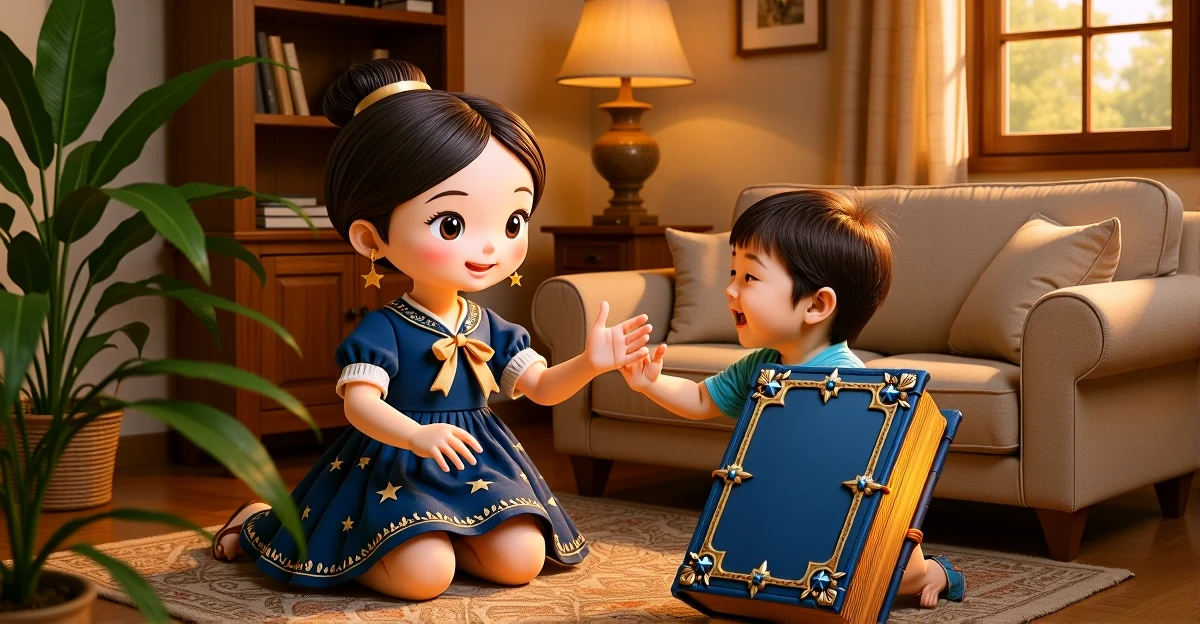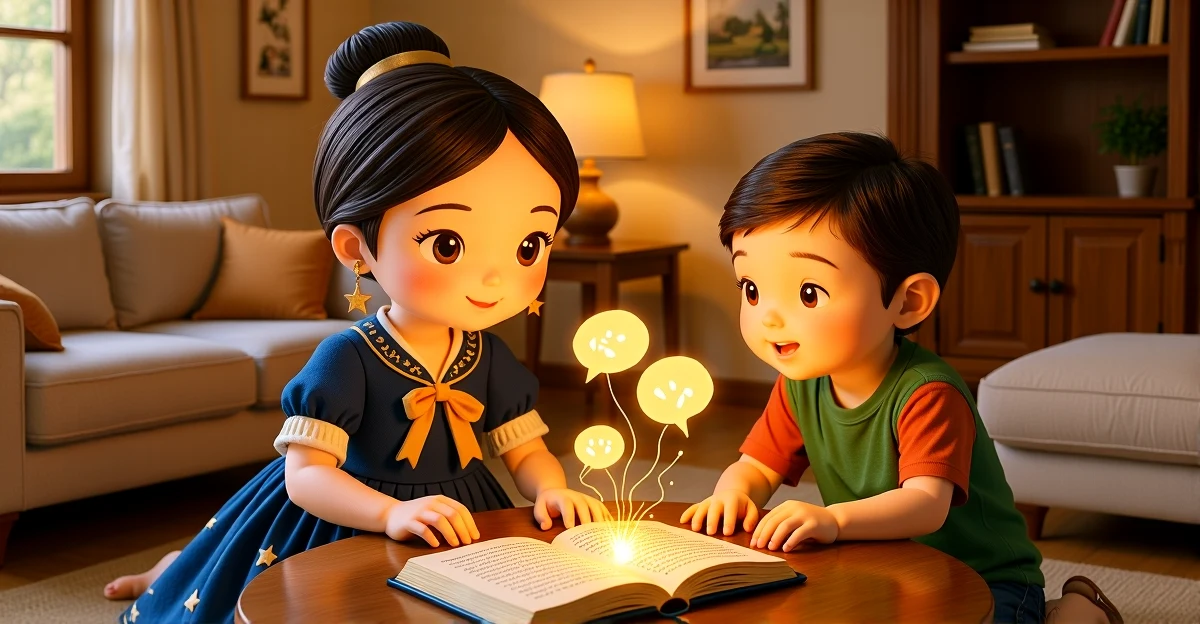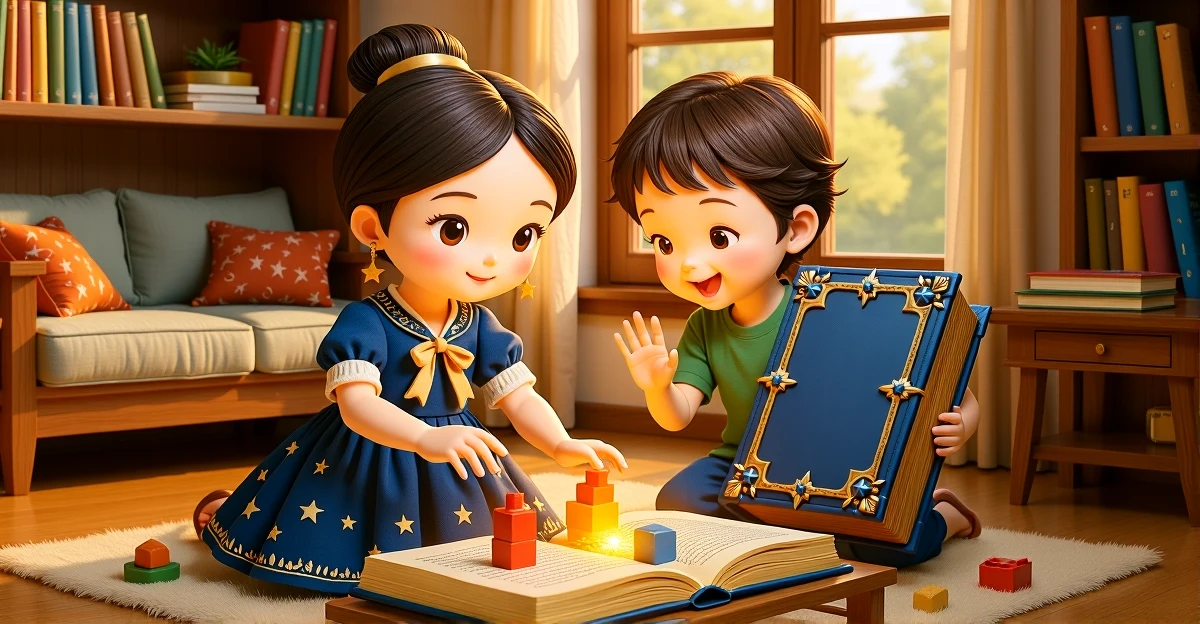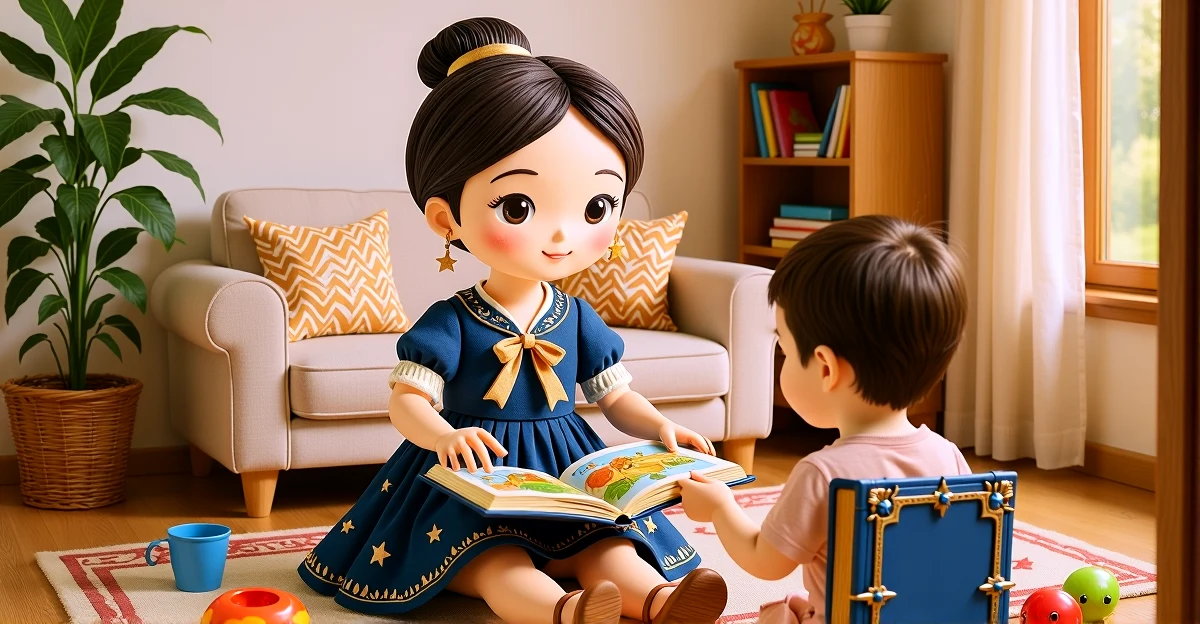

Maybe your three or four year old is whining instead of asking. Maybe they're grabbing things without using words. Maybe they're pointing and grunting when you KNOW they can talk. And if you're feeling frustrated, wondering why your child won't just ASK for what they need, I want you to take a deep breath and know this: You are not alone, and your child is not being difficult.
They are learning one of the most important skills they will ever develop. And here's what's beautiful about this moment—you have the power to support them in ways that will shape their entire lives.
In this guide, we'll explore why ages 3-4 are SO critical for communication development, what research tells us about how children learn self-advocacy, and gentle strategies that actually work. Plus, I'll share a magical story that makes learning to ask clearly feel special and empowering for your child.
Why Your Child Whines Instead of Asking (And Why That's Actually Normal)
Let me share something WONDERFUL that the Magic Book taught me. Ages three to four represent a critical window for communication development. This is when children transition from basic expression to more sophisticated self-advocacy skills. Your child's brain is ready to learn this skill, but they need your patient guidance to develop it.
Think about it this way. Your little one is like a seedling reaching toward the sun. They have the potential to grow tall and strong, but they need the right conditions. Sunshine. Water. Rich soil. And for communication skills, those conditions are your patience, your modeling, and your gentle encouragement.
The National Institute on Deafness and Other Communication Disorders emphasizes that three to four year olds are developmentally capable of expressing wants, needs, thoughts and ideas. Notice that word—capable. Not perfect at it yet. Capable. This is a LEARNING phase, not a behavior problem.
What's Happening in Your Child's Brain
When your child whines or grabs instead of asking clearly, their brain is actually doing something remarkable. They're learning to balance their own desires with social expectations. They're discovering that they have a voice and that voice matters. They're figuring out that words can get them what they need more effectively than crying or grabbing.
But here's the thing—this takes time. YEARS, actually. And that's completely normal and healthy. Your child isn't behind. They're not being manipulative. They're exactly where they need to be, learning at exactly the right pace for them.
What Research Says About Communication Development
Research consistently demonstrates that ages 3-4 represent a critical window for communication development. Studies show that at this age, children are developmentally ready to follow multi-step instructions and express their wants, needs, thoughts, and ideas with increasing clarity.
And here's what makes this so beautiful: Social-emotional learning interventions during the preschool years yield significant long-term benefits. Children who receive gentle support during this phase show continued improvements in communication and social competence throughout elementary school.
"Preschool children who received SEL interventions experienced continued academic and behavioral benefits throughout the early elementary grades, suggesting that interventions can provide children with a foundation for future success."
— Dr. Rikuya Hosokawa, Kyoto University Graduate School of Medicine
This isn't just about getting through today. This is about building a foundation for your child's entire life. The time you invest right now in teaching your child to ask clearly is creating ripples that will extend far into their future.
How Children Learn Communication Skills
Evidence-based approaches emphasize that children learn communication skills through multiple pathways. It's not just about words. Your child is learning to understand nonverbal cues like body language and facial expressions. They're practicing articulation of thoughts and feelings in various contexts. They're developing empathy alongside language skills. All of this is happening at once in their growing brains.
Research from Positive Action demonstrates that children learn nonverbal communication skills through understanding body language, gestures, and facial expressions. This underscores that communication development encompasses far more than words alone.
Gentle Strategies to Support Clear Asking
So what does this look like in practice? How do you support your child's emerging communication skills? Let me share some gentle strategies that the Magic Book and I have seen work beautifully.
1. Model the Language You Want to Hear
When your child points at the juice, instead of just handing it to them, pause and say, "May I have juice please?" Then wait. Give them a moment to try the words. If they attempt it, even imperfectly, celebrate that effort and give them the juice. You're teaching them that clear asking gets positive results.
This isn't about being rigid or withholding what they need. It's about showing them the pathway to getting their needs met in a way that will serve them their whole lives.
2. Validate Their Attempts
When your child whines or grabs, remember they're not being difficult. They're communicating the only way they know how right now. You can gently say, "I can see you want something. Can you use your words to ask me?" You're acknowledging their need while guiding them toward clearer communication.
This validation is SO important. It tells your child that their needs matter, that you see them, and that you believe in their ability to learn.
3. Make Asking Feel Special and Empowering
This is where stories become such beautiful helpers. When you can show your child characters who are learning the same skills they're learning, it makes the abstract concept tangible. It makes asking clearly feel like something magical and special, not just a rule they have to follow.
4. Be Patient with the Process
Your child is learning to balance their own desires with social expectations. They're discovering that they have a voice and that voice matters. This developmental phase is characterized by rapid growth in children's ability to advocate for themselves appropriately, making it an optimal time for parents to support clear communication through patient, validating approaches that honor the child's emerging independence.
When you're tired and your child is whining for the tenth time today, it's hard to remember that this is a learning phase. But here's what I want you to know: You're doing beautifully. Every time you model clear asking, every time you wait for them to use their words, every time you celebrate their attempts, you're teaching them something profound.
5. Celebrate Progress, Not Perfection
Your child doesn't need to ask perfectly every time. They need to know that trying is valued. When they make an attempt—even if it's "Juice pease" instead of "May I have juice please?"—celebrate it. "Yes! You asked so clearly! Here's your juice."
This positive reinforcement builds their confidence and makes them want to keep trying.
Stories That Can Help
In The Book of Inara, we have beautiful stories that bring these concepts to life for your child. Let me tell you about one that's PERFECT for this communication journey:
The Candy Castle of Kind Asking
Perfect for: Ages 4-5 (and advanced 3-year-olds)
What makes it special: This story beautifully demonstrates clear communication and asking for what you need through magical consent crystals that glow when Kenji and Maeva ask permission appropriately. The story teaches children that asking clearly and respectfully makes interactions more beautiful and positive, directly aligning with the communication skills you want to develop.
Key teaching moment: When Kenji politely tells Bonbon to wait and asks "May I have a hug?" the consent crystals respond, showing children that clear, respectful asking creates positive outcomes and makes everyone feel good.
How to use it: After reading this story with your child, practice the "May I" language together. When they want a snack, help them say "May I have a snack please?" instead of whining or grabbing. The story's magical crystals make asking permission feel special and empowering. It transforms a frustrating moment into a learning opportunity filled with wonder.
The beauty of this story is that it doesn't lecture or teach in a heavy-handed way. It shows your child characters they can relate to, learning the same skills they're learning, in a magical world where asking clearly makes beautiful things happen.
The Long-Term Impact of Supporting Communication Now
Here's something else the Magic Book taught me. When you support your child's emerging communication skills with patience and validation, you're building a foundation for lifelong self-advocacy and emotional intelligence. You're teaching them that their needs matter, that they have the power to express those needs, and that asking clearly is a strength, not a weakness.
Think about what a gift that is. You're raising a child who will grow into an adult who can advocate for themselves, who can communicate their boundaries, who can ask for help when they need it. All of that starts right now, in these everyday moments when you pause and say, "Can you use your words to ask me?"
Research from Kyoto University demonstrates that early intervention programs focusing on social-emotional competence provide substantial returns on investment by reducing later educational and healthcare costs. But beyond the research, beyond the statistics, there's something even more important. You're showing your child that they matter. That their voice matters. That you believe in their ability to learn and grow.
You're Doing Beautifully
I know this can feel exhausting. When you're tired and your child is whining for the tenth time today, it's hard to remember that this is a learning phase. But wonderful parent, you're doing SO much better than you think.
Every time you model clear asking, every time you wait for them to use their words, every time you celebrate their attempts, you're teaching them something that will serve them their entire lives. You're showing them that their voice matters, that they have the power to advocate for themselves, and that you believe in them.
Remember, this developmental phase is characterized by rapid growth in children's ability to advocate for themselves appropriately. Your child isn't behind. They're not being difficult. They're exactly where they need to be, learning at exactly the right pace for them.
So tonight, or tomorrow morning, try this. When your child wants something, pause. Model the words. Wait for them to try. Celebrate their effort. And maybe, just maybe, read The Candy Castle of Kind Asking together. Watch their eyes light up when they see Kenji and Maeva learning the same skill they're learning.
The Magic Book and I are always here for you, cheering you on, believing in you and your beautiful child. You've got this.
With love and starlight,
Inara
Related Articles
- Understanding Fantasy vs Reality in Preschoolers: A Gentle Guide to Teaching Honesty
- Building Friendship Skills in Young Children: A Gentle Guide for Parents
- Understanding Your Child's Attention-Seeking Behavior (And How to Guide Them Gently)
- When Your Child Can't Express Their Feelings: A Gentle Guide to Building Emotional Vocabulary
- Supporting Your Shy Child: Understanding Behavioral Inhibition in Young Children
Show transcript
Hello, wonderful parent! It's me, Inara, and I am so happy you're here today. You know, the Magic Book and I have been noticing something beautiful happening in homes all around the world. Parents like you are asking such thoughtful questions about how to help their little ones communicate clearly. And today, I want to talk about something that might be happening in your home right now.
Maybe your three or four year old is whining instead of asking. Maybe they're grabbing things without using words. Maybe they're pointing and grunting when you KNOW they can talk. And if you're feeling frustrated, wondering why your child won't just ASK for what they need, I want you to take a deep breath and know this. You are not alone, and your child is not being difficult. They are learning one of the most important skills they will ever develop.
Let me share something WONDERFUL that the Magic Book taught me. Ages three to four represent a critical window for communication development. This is when children transition from basic expression to more sophisticated self-advocacy skills. And here's what makes this so beautiful. Research from Kyoto University shows that children who receive gentle support during this phase show continued improvements in communication and social competence throughout elementary school. This isn't just about getting through today. This is about building a foundation for your child's entire life.
The National Institute on Deafness and Other Communication Disorders emphasizes that three to four year olds are developmentally capable of expressing wants, needs, thoughts and ideas. Notice that word. Capable. Not perfect at it yet. Capable. Your child's brain is ready to learn this skill, but they need your patient guidance to develop it.
Think about it this way. Your little one is like a seedling reaching toward the sun. They have the potential to grow tall and strong, but they need the right conditions. Sunshine. Water. Rich soil. And for communication skills, those conditions are your patience, your modeling, and your gentle encouragement.
Now, let me tell you what the research shows about how children learn to communicate clearly. It's not just about words. Children learn communication skills through multiple pathways. They're learning to understand nonverbal cues like body language and facial expressions. They're practicing articulation of thoughts and feelings in various contexts. They're developing empathy alongside language skills. All of this is happening at once in their growing brains.
Dr. Rikuya Hosokawa from Kyoto University's Graduate School of Medicine notes that preschool children who received social-emotional learning interventions experienced continued academic and behavioral benefits throughout the early elementary grades, suggesting that interventions can provide children with a foundation for future success. Isn't that AMAZING? The time you invest right now in teaching your child to ask clearly is creating ripples that will extend far into their future.
So what does this look like in practice? How do you support your child's emerging communication skills? Let me share some gentle strategies that the Magic Book and I have seen work beautifully.
First, model the language you want to hear. When your child points at the juice, instead of just handing it to them, pause and say, May I have juice please? Then wait. Give them a moment to try the words. If they attempt it, even imperfectly, celebrate that effort and give them the juice. You're teaching them that clear asking gets positive results.
Second, validate their attempts. When your child whines or grabs, remember they're not being difficult. They're communicating the only way they know how right now. You can gently say, I can see you want something. Can you use your words to ask me? You're acknowledging their need while guiding them toward clearer communication.
Third, make asking feel special and empowering. This is where stories become such beautiful helpers. We have a story in The Book of Inara called The Candy Castle of Kind Asking. In this story, Kenji and Maeva discover magical consent crystals that glow when they ask permission appropriately. When Kenji politely tells Bonbon to wait and asks, May I have a hug, the consent crystals respond, showing children that clear, respectful asking creates positive outcomes and makes everyone feel good.
After reading this story with your child, you can practice the May I language together. When they want a snack, help them say, May I have a snack please, instead of whining or grabbing. The story's magical crystals make asking permission feel special and empowering. It transforms a frustrating moment into a learning opportunity filled with wonder.
Fourth, be patient with the process. Your child is learning to balance their own desires with social expectations. They're discovering that they have a voice and that voice matters. This takes time. YEARS, actually. And that's completely normal and healthy.
Here's something else the Magic Book taught me. When you support your child's emerging communication skills with patience and validation, you're building a foundation for lifelong self-advocacy and emotional intelligence. You're teaching them that their needs matter, that they have the power to express those needs, and that asking clearly is a strength, not a weakness.
Think about what a gift that is. You're raising a child who will grow into an adult who can advocate for themselves, who can communicate their boundaries, who can ask for help when they need it. All of that starts right now, in these everyday moments when you pause and say, Can you use your words to ask me?
Now, I know this can feel exhausting. When you're tired and your child is whining for the tenth time today, it's hard to remember that this is a learning phase. But here's what I want you to know. You're doing beautifully. Every time you model clear asking, every time you wait for them to use their words, every time you celebrate their attempts, you're teaching them something profound.
The research from Kyoto University demonstrates that early intervention programs focusing on social-emotional competence provide substantial returns on investment by reducing later educational and healthcare costs. But beyond the research, beyond the statistics, there's something even more important. You're showing your child that they matter. That their voice matters. That you believe in their ability to learn and grow.
So tonight, or tomorrow morning, try this. When your child wants something, pause. Model the words. Wait for them to try. Celebrate their effort. And maybe, just maybe, read The Candy Castle of Kind Asking together. Watch their eyes light up when they see Kenji and Maeva learning the same skill they're learning.
Remember, wonderful parent, this developmental phase is characterized by rapid growth in children's ability to advocate for themselves appropriately. Your child isn't behind. They're not being difficult. They're exactly where they need to be, learning at exactly the right pace for them.
The Magic Book and I are always here for you, cheering you on, believing in you and your beautiful child. You've got this. With love and starlight, Inara.