
You're at the park, and you notice your six-year-old walk right past a friend who's sitting alone, looking sad. Or maybe you've watched your five-year-old continue playing while another child cries nearby, seemingly oblivious to their distress. And you find yourself wondering: why doesn't my child understand when others need comfort or support?
Let me tell you something IMPORTANT, my wonderful friend. You are not alone in this observation, and what you're witnessing is actually a beautiful sign of development in progress. Your child isn't being unkind or uncaring. They're learning one of the most complex skills a human being can develop: the ability to read invisible feelings.
In this guide, I'll share what the Magic Book and child development research teach us about empathy development at this age, why it's completely normal for children to be learning this skill, and gentle strategies you can use to support your child's growing capacity for compassion and connection.
What's Really Happening: The Invisible World of Feelings
When your child was younger, they could feel their own feelings quite strongly, right? They knew when THEY were sad or happy or scared. But understanding that OTHER people have feelings—especially feelings that aren't obvious—that's a whole different level of development.
Think of it this way: empathy is like learning to read, but instead of reading words on a page, your child is learning to read hearts. And just like reading takes time and practice, so does this beautiful skill of understanding others' emotional needs.
The Three Dimensions of Empathy
Research shows us that empathy isn't just one skill—it's actually three interconnected abilities that develop at different rates:
- Affective Empathy: The ability to FEEL what others feel. When your child sees a friend crying and feels sad themselves, that's affective empathy.
- Cognitive Empathy: The ability to understand WHY someone feels a certain way. This is the skill of noticing the quiet signs—the slumped shoulders, the quiet voice, the turned-away face.
- Behavioral Empathy: Knowing HOW to help. This is when your child offers their toy to a sad friend or asks if you're okay.
At ages five and six, children are in a critical window for developing cognitive empathy—that ability to understand perspectives beyond their own. Their brains are literally building new neural pathways for perspective-taking, and this process takes time.
What Research Tells Us About Empathy Development
The research that the Magic Book and I have studied shows something fascinating. Between ages five and six, children's brains are actively constructing the pathways they need for cognitive empathy. They're learning to understand WHY someone feels a certain way, even when that person hasn't told them directly.
Children aged 5-6 years show significantly more affective perspective-taking and understanding of others' emotional needs compared to younger preschoolers, representing a crucial developmental milestone in empathy.
— Dr. Poline Simon and Dr. Nathalie Nader-Grosbois, UCLouvain Psychological Sciences Research Institute
This research tells us something beautiful: your child IS developing empathy. They're just in the middle of the learning process. The invisible signals of emotion—the subtle cues that tell us someone needs comfort—these aren't obvious to a developing mind. Your child is learning to see them, one experience at a time.
And here's what makes this even more hopeful: research from child development experts shows that children this age are in a critical window for empathy development. Their affective empathy (the ability to FEEL what others feel) and their behavioral empathy (knowing HOW to help) are both growing stronger every single day. But it takes practice. It takes gentle guidance. It takes patient adults who understand that this is learning, not a lack of caring.
The Power of Modeling
The National Association for the Education of Young Children tells us something wonderful: children learn to show empathy by experiencing empathy from the important people in their lives. Think about that for a moment. When YOU validate your child's feelings, when YOU notice their invisible needs, when YOU respond with warmth and understanding, you're teaching them how to do exactly that for others. You're modeling the very skill you want them to develop.
Gentle Strategies to Support Your Child's Growing Empathy
So what can you do to support this beautiful learning? Let me share some gentle strategies that the Magic Book and I have seen work wonderfully with children this age.
1. Narrate Emotions When You See Them
When you're at the park and you notice another child looking sad, you might say: "I wonder how that little one is feeling right now. Do you see how they're sitting all alone? What do you think they might need?"
You're not demanding that your child DO anything. You're simply inviting them to notice. To wonder. To practice seeing the invisible. This gentle narration helps children develop the habit of paying attention to others' emotional states.
2. Validate Your Child's Own Emotions Consistently
When your child is upset, get down to their level and say: "I can see you're feeling frustrated right now. Your body is telling me that something is hard for you."
When children feel truly seen and understood, they learn what that feels like, and they begin to offer that same gift to others. You're teaching them empathy by BEING empathetic to them.
3. Ask Wondering Questions
After a playdate or school day, you might ask: "I wonder how your teacher was feeling today. Did you notice anything about their voice or their face?" Or when a friend is quiet: "Your friend seems different today. What do you think they might be feeling?"
These questions aren't tests. They're invitations to practice this beautiful skill of reading hearts. There are no wrong answers—you're simply opening up the conversation about invisible feelings.
4. Celebrate Small Moments of Noticing
When you see your child showing empathy, even in small ways, acknowledge it warmly: "You noticed that your friend was sad. That shows such a caring heart. You're learning to see what people need, and that's a beautiful gift."
This positive reinforcement helps children understand that noticing others' feelings is valued and important.
5. Read Stories That Model Empathy
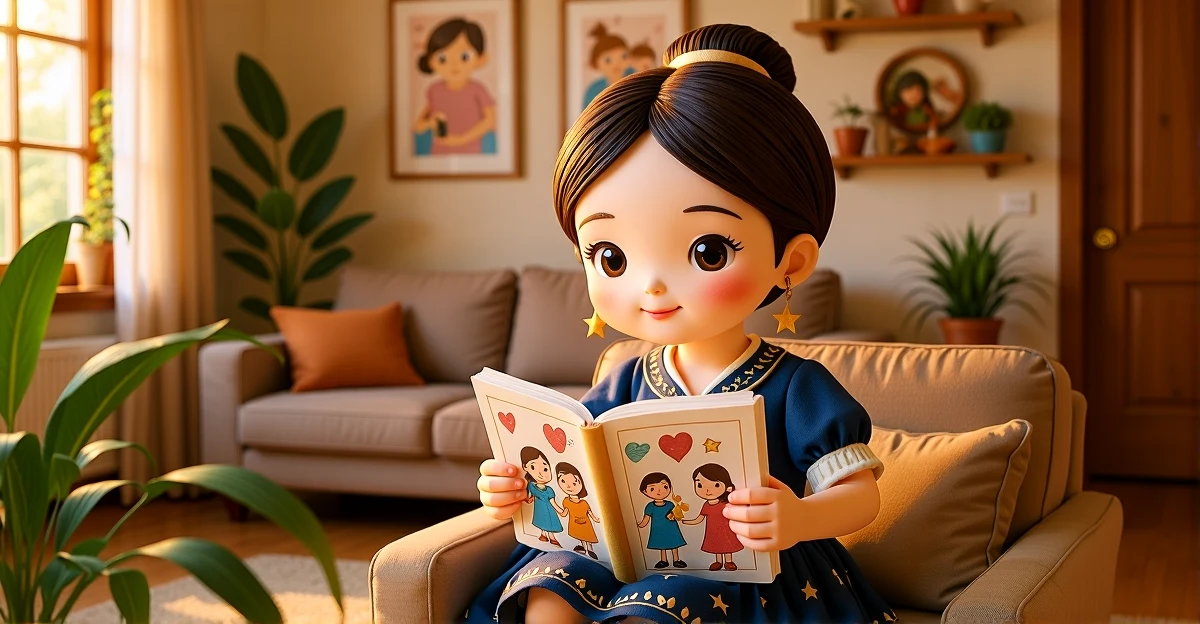
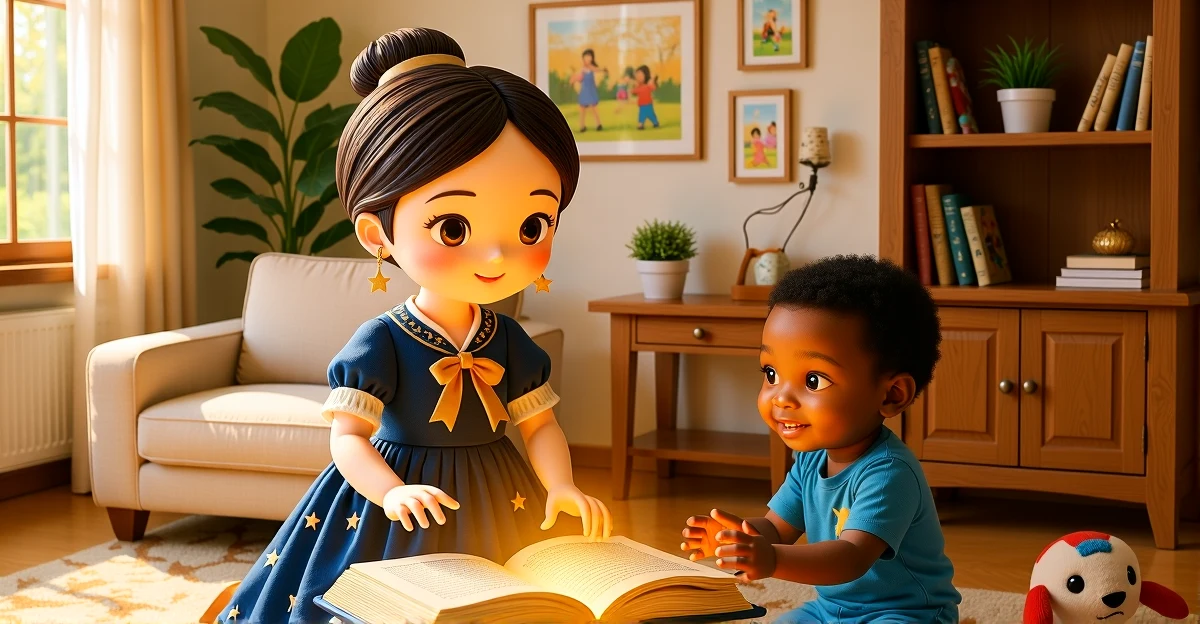
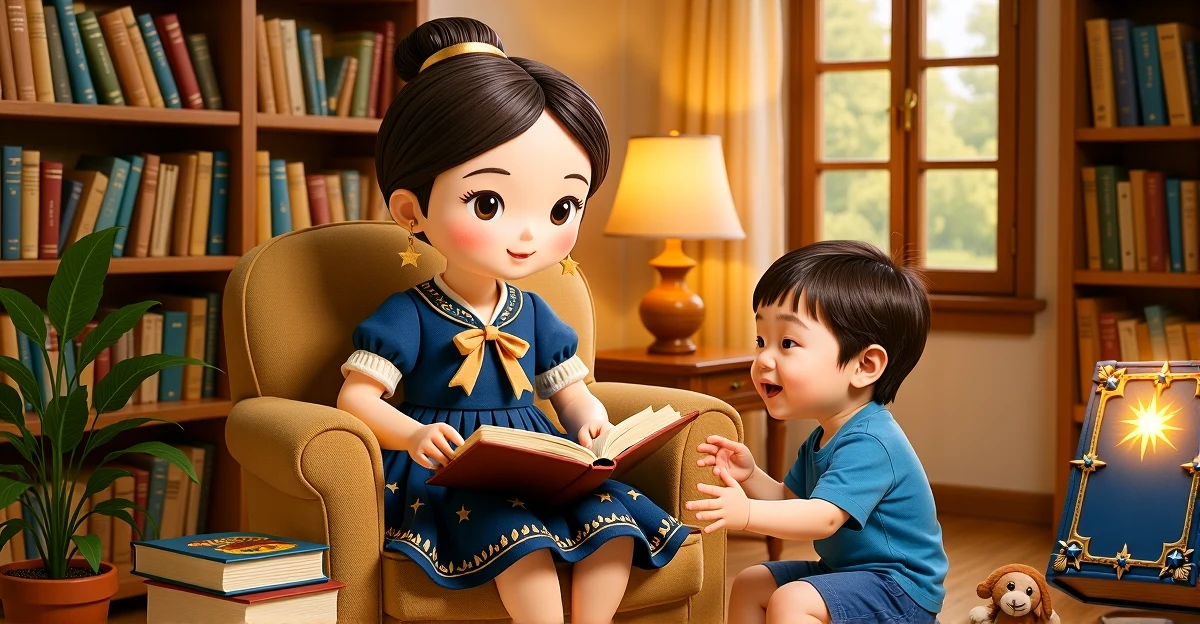
Stories are one of the most powerful tools we have for teaching empathy. When children see characters noticing others' needs and responding with care, they're learning these skills in a safe, engaging way.
A Story That Can Help
In The Book of Inara, we have a beautiful story that addresses this exact challenge—learning to notice invisible feelings and respond with care:
The Room Where Hearts Speak Softly
Perfect for: Ages 6-7 (also wonderful for 5-year-olds)
What makes it special: This tender story follows two friends, Theo and Miles, who discover something magical: adults have invisible worries too, and small acts of kindness can help heal hearts. Through their gentle discovery, they learn that empathy means looking beyond what's visible and noticing the quiet signs that someone needs care and support.
Key lesson: When Theo and Miles realize their parents have feelings that aren't always obvious, children learn that empathy means paying attention to the invisible world of emotions. The story beautifully models how to notice when someone needs comfort, even when they haven't asked for it.
How to use this story: After reading, you can extend the learning by asking: "I wonder how Grandma is feeling today?" or "What do you think your friend might need right now?" These questions help your child practice noticing invisible feelings in their own life.
Understanding Individual Differences
Here's something the Magic Book taught me that I want you to hold close to your heart: some children develop empathy skills more quickly in one area than another. Your child might be wonderful at FEELING what others feel (affective empathy), but still learning to understand WHY they feel that way (cognitive empathy). Or they might understand emotions beautifully but still be learning HOW to help (behavioral empathy).
This is completely normal. Every child has their own empathy profile, their own unique way of developing this skill. Research shows us that children who receive patient, consistent support in recognizing and responding to others' emotions develop stronger social competence, form deeper friendships, and show greater motivation to help others throughout their lives.
When to Gently Guide
So when you see your child walk past a crying friend without noticing, take a gentle breath. This isn't a failure. This is a learning moment. You can quietly say later: "I noticed your friend was crying today. I wonder what they were feeling. What do you think might have helped them feel better?"
You're not scolding. You're teaching. You're guiding their attention to the invisible world of feelings. And with each gentle conversation, each story you read together, each time you model empathy yourself, you're helping your child build this beautiful skill.
You're Doing Beautifully
My wonderful friend, please know this: the fact that you're here, reading this, caring about your child's empathy development—that tells me everything I need to know about the kind of parent you are. You're thoughtful. You're intentional. You're doing beautifully.
Your child is learning to read hearts, and that takes time. It takes patience. It takes gentle guidance from someone who believes in them. And that someone is you.
This phase of empathy development, while sometimes puzzling, represents an exciting opportunity to nurture your child's natural capacity for compassion and connection. Every time you narrate emotions, validate feelings, and read stories together, you're supporting their growing ability to understand and care for others.
The Magic Book and I created The Book of Inara to support you in exactly these moments. Stories like The Room Where Hearts Speak Softly are there whenever you need them, ready to open up conversations about feelings, about noticing others' needs, about the beautiful skill of empathy.
With love and starlight,
Inara
Related Articles
- Understanding Your 5-6 Year Old's Complex Emotions: A Parent's Guide to Emotional Intelligence
- Understanding How Children Learn Empathy: A Guide for Parents of 5-6 Year Olds
- Understanding Your Child's "Not My Problem" Phase: A Gentle Parenting Guide
- Teaching Children Empathy: How to Help Kids Recognize When Others Need Support
- Supporting Your Child's Social Awareness Development: A Gentle Guide
Show transcript
Hello, my wonderful friend! It's me, Inara, and I am SO happy you're here today. You know, the Magic Book and I have been noticing something beautiful happening in homes with five and six year olds. Parents are watching their children navigate this incredible phase of learning to understand the invisible world of feelings, and it's both wonderful and sometimes puzzling.
Maybe you've noticed this too. Your child walks right past a friend who's crying. Or they don't seem to realize when someone needs help. And you might be thinking, why doesn't my child understand when others need comfort or support? Let me tell you something IMPORTANT. You are not alone in this, and what you're witnessing is actually a beautiful sign of development in progress.
The Magic Book has taught me so much about how children's hearts and minds grow, and today I want to share something that might shift how you see this entire phase. Are you ready? Here's the truth. Your five or six year old isn't being unkind when they don't notice someone needs comfort. They're learning to see what's invisible. And that, my friend, is one of the most complex skills a human being can develop.
Let me explain what I mean. When your child was younger, they could feel their own feelings quite strongly, right? They knew when THEY were sad or happy or scared. But understanding that OTHER people have feelings, especially feelings that aren't obvious, that's a whole different level of development. It's like learning to read, but instead of reading words on a page, they're learning to read hearts. And just like reading takes time and practice, so does this beautiful skill of empathy.
The research that the Magic Book and I have studied shows something fascinating. Between ages five and six, children's brains are literally building new pathways for what scientists call cognitive empathy. That's the ability to understand WHY someone feels a certain way, even when that person hasn't told them directly. It's the skill of noticing the quiet signs. The slumped shoulders. The quiet voice. The turned away face. These invisible signals of emotion, they're not obvious to a developing mind. Your child is learning to see them, one experience at a time.
And here's what makes this even more beautiful. Research from child development experts shows that children this age are in a critical window for empathy development. Their affective empathy, that's the ability to FEEL what others feel, and their behavioral empathy, that's knowing HOW to help, these are both growing stronger every single day. But it takes practice. It takes gentle guidance. It takes patient adults who understand that this is learning, not a lack of caring.
The National Association for the Education of Young Children tells us something wonderful. They say that children learn to show empathy by experiencing empathy from the important people in their lives. Think about that for a moment. When YOU validate your child's feelings, when YOU notice their invisible needs, when YOU respond with warmth and understanding, you're teaching them how to do exactly that for others. You're modeling the very skill you want them to develop.
So what can you do to support this beautiful learning? Let me share some gentle strategies that the Magic Book and I have seen work wonderfully.
First, narrate emotions when you see them. When you're at the park and you notice another child looking sad, you might say, I wonder how that little one is feeling right now. Do you see how they're sitting all alone? What do you think they might need? You're not demanding that your child DO anything. You're simply inviting them to notice. To wonder. To practice seeing the invisible.
Second, validate your child's own emotions consistently. When they're upset, get down to their level and say, I can see you're feeling frustrated right now. Your body is telling me that something is hard for you. When children feel truly seen and understood, they learn what that feels like, and they begin to offer that same gift to others.
Third, read stories together that show characters noticing and responding to others' needs. And this is where I get SO excited, because the Magic Book has the most beautiful story for exactly this. It's called The Room Where Hearts Speak Softly, and it's about two friends, Theo and Miles, who discover something magical. They learn that adults have invisible worries too, and that small acts of kindness can help heal hearts.
In this story, Theo and Miles realize that their parents have feelings that aren't always obvious. Worries that don't show on the outside. And through their gentle discovery, they learn that empathy means looking beyond what's visible and noticing the quiet signs that someone needs care and support. It's such a tender, beautiful story, and children who hear it often start asking those wonderful questions. How is Grandma feeling today? What do you think my friend needs right now?
After you read this story with your child, you can extend the learning in such gentle ways. You might ask, I wonder how your teacher was feeling today. Did you notice anything about their voice or their face? Or when a friend is quiet, you might say, Your friend seems different today. What do you think they might be feeling? These questions aren't tests. They're invitations to practice this beautiful skill of reading hearts.
The fourth strategy is to celebrate when you see your child showing empathy, even in small ways. When they offer their toy to a sad friend, when they ask if you're okay, when they notice ANYTHING about someone else's feelings, acknowledge it warmly. You noticed that your friend was sad. That shows such a caring heart. You're learning to see what people need, and that's a beautiful gift.
And here's something the Magic Book taught me that I want you to hold close to your heart. Some children develop empathy skills more quickly in one area than another. Your child might be wonderful at FEELING what others feel, but still learning to understand WHY they feel that way. Or they might understand emotions beautifully but still be learning HOW to help. This is completely normal. Every child has their own empathy profile, their own unique way of developing this skill.
The research shows us that children who receive patient, consistent support in recognizing and responding to others' emotions, they develop stronger social competence. They form deeper friendships. They show greater motivation to help others. And most beautifully, they carry these empathy skills with them throughout their entire lives.
So when you see your child walk past a crying friend without noticing, take a gentle breath. This isn't a failure. This is a learning moment. You can quietly say later, I noticed your friend was crying today. I wonder what they were feeling. What do you think might have helped them feel better? You're not scolding. You're teaching. You're guiding their attention to the invisible world of feelings.
And my friend, please know this. The fact that you're here, watching this, caring about your child's empathy development, that tells me everything I need to know about the kind of parent you are. You're thoughtful. You're intentional. You're doing beautifully.
Your child is learning to read hearts, and that takes time. It takes patience. It takes gentle guidance from someone who believes in them. And that someone is you.
The Magic Book and I created The Book of Inara to support you in exactly these moments. Stories like The Room Where Hearts Speak Softly are there whenever you need them, ready to open up conversations about feelings, about noticing others' needs, about the beautiful skill of empathy. You can find this story and so many others in The Book of Inara.
Thank you for being here today, my wonderful friend. Thank you for caring so deeply about your child's growing heart. You're nurturing their capacity for compassion and connection, and that is one of the most important gifts you can give.
Until our next adventure together, with love and starlight, Inara.