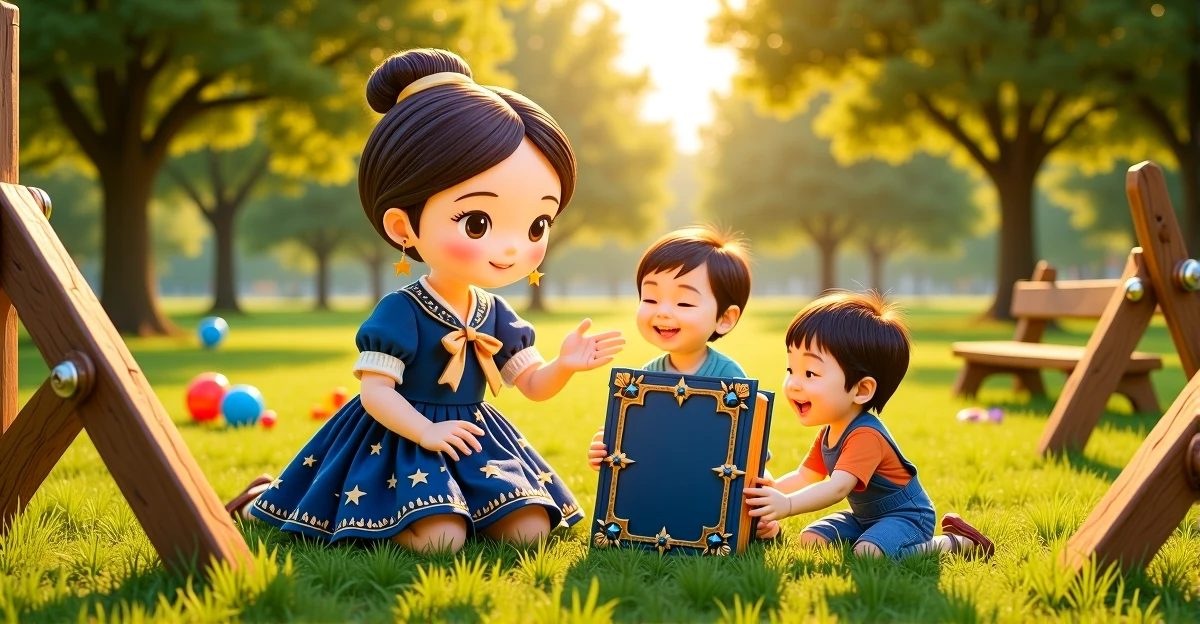

You're at the playground, and your little one walks right up to another child, standing so close their noses almost touch. Or maybe they lean against a friend who clearly wants more space. You feel that familiar flutter of embarrassment, wondering if other parents are judging you, thinking your child doesn't understand basic social rules.
Here's what I want you to know right from the start: You are not alone in this, and your child is not being rude or difficult. What you're witnessing is actually a beautiful sign that their social brain is growing and learning one of the most complex skills humans ever develop!
In this guide, the Magic Book and I are going to share something WONDERFUL with you. We'll explore why young children struggle with personal space, what research tells us about this developmental phase, and gentle strategies that actually work. Plus, I'll introduce you to a magical story that teaches boundary awareness in the most beautiful way.
Why Young Children Get Too Close: Understanding the Development
Between ages three and four, children are just beginning to understand something called theory of mind. This is the ability to recognize that other people have different thoughts, feelings, and comfort levels than they do. Isn't that AMAZING? Your child is literally learning to see the world through someone else's eyes!
When your little one gets very close to another child, they're not invading space on purpose. They're genuinely curious and interested in that person, but they haven't yet learned the invisible rules about how close is too close. Their social brain is saying, "I want to connect with this person," but it hasn't yet learned to add, "and I should check if they want me this close first."
This is completely normal development. During these years, children are discovering that others have invisible boundaries, personal preferences, and physical comfort zones. And here's the beautiful part: this learning takes time, patience, and gentle guidance from caring adults like you.
The Connection Between Spatial Awareness and Social Skills
Research shows us something fascinating: spatial awareness and social-emotional skills are deeply interconnected in early childhood. Studies published in developmental psychology journals have found that when young children practice perspective-taking, even in simple visual tasks, it actually helps them develop empathy and social awareness. Their ability to understand where their body is in space is connected to their ability to understand emotional space and boundaries.
So every time your child is learning about personal space, they're also learning about kindness, respect, and how to be a good friend. How SPECIAL is that?
What Research Says About Teaching Boundaries
The Magic Book has shown me some wonderful insights from child development experts, and I want to share them with you.
"Children need adult help to assert their own boundaries and respect others' boundaries. Calm, confident modeling from adults is more effective than urgent rescue mode or shaming."
— Janet Lansbury, M.A. in Early Childhood Development
This is SO important. When your child gets too close to someone, your response matters. If you react with embarrassment, urgency, or frustration, your child might feel ashamed, which actually makes learning harder. But when you stay calm and confident, gently guiding them with patience, you're teaching them that this is just a skill they're learning, not a character flaw.
The Child Mind Institute emphasizes that as kids mature socially, they need to learn how to set and respect boundaries, and teaching them about empathy and self-awareness is a good place to start. This isn't about forcing compliance or making children feel wrong. It's about helping them develop the beautiful ability to understand and honor both their own boundaries and those of others.
Research published in BMC Psychology demonstrates that perspective-taking abilities emerge gradually during the preschool years. Training in visuospatial awareness actually promotes theory of mind development. This means that activities helping children understand physical space, visual perspectives, and spatial relationships can support their social-emotional growth too!
Gentle Strategies That Actually Work
Now let's talk about what you can DO to help your child learn about personal space. These strategies are gentle, respectful, and backed by both research and the Magic Book's wisdom.
1. Stay Calm and Model Confidence
Your child is learning, and learning takes repetition and patience. When you see your child getting very close to someone, take a breath and remember: this is a teaching moment, not an emergency. Step in gently and model the behavior you want them to learn. You might say something like, "Let's give our friend a little more space," and physically guide your child back a step or two. You can show them with your hands how much space feels comfortable.
2. Teach the Asking Permission Game
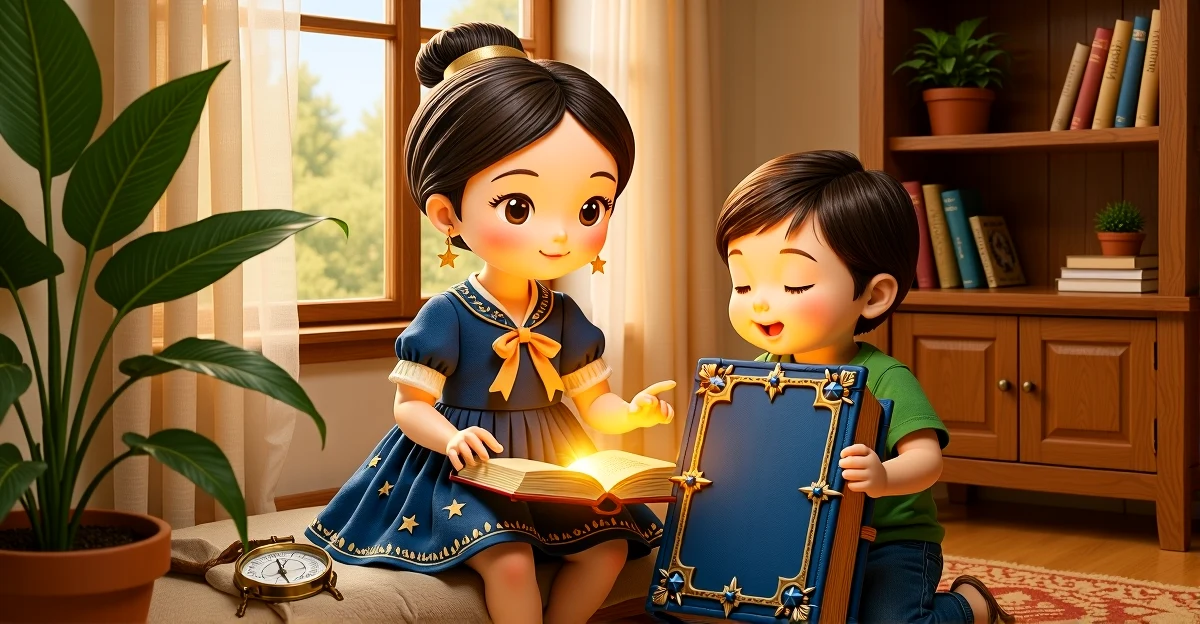
This is one of my FAVORITE strategies! Just like in our story The Candy Castle of Kind Asking, where magical consent crystals glow when someone asks permission, you can help your child learn that asking before touching or getting close makes interactions more beautiful and respectful.
Practice at home with playful questions: "May I give you a hug?" or "May I sit next to you?" Celebrate when they ask permission too! Make it feel like a special skill they're developing, not a restriction. Over time, this becomes a natural part of how they interact with others.
3. Help Them Notice Body Language
Young children are just learning to read social cues, and they need your help. When you notice someone stepping back or turning away, gently point it out: "I think they might need a little more space right now. See how they stepped back? That's their body saying they need room."
Over time, your child will start to recognize these cues themselves. Remember, even adults sometimes struggle with reading body language, so be patient with your little one as they learn this complex skill.
4. Use the Invisible Bubble Concept
Many children respond beautifully to the idea of invisible bubbles. You might explain: "Everyone has an invisible bubble around them, and we're learning to respect those bubbles. Your bubble is your special space, and other people have their bubbles too!"
You can practice at home, showing how big your bubble is, asking your child how big their bubble feels today. Make it playful and visual. Some families even practice with hula hoops to make the concept concrete!
5. Respect Your Child's Boundaries Too
Here's something IMPORTANT: while you're teaching your child to respect others' boundaries, also model respecting their boundaries. When your child says they don't want a hug from grandma, support that. When they need space during a big feeling, honor that. Children learn about boundaries by experiencing them, both giving and receiving.
As Janet Lansbury beautifully says, "The most powerful teacher of all is in the way that we interact with our children, respecting their space and boundaries and defending ours."
Stories That Can Help
In The Book of Inara, we have beautiful stories that bring these concepts to life for your child. Let me tell you about one that's PERFECT for teaching about personal space and boundaries:
The Candy Castle of Kind Asking
Perfect for: Ages 4-5 (and mature 3-year-olds)
What makes it special: This story directly teaches the foundational concept of asking permission and respecting boundaries through magical consent crystals. When Kenji demonstrates asking before touching and Bonbon the gingerbread guardian learns to ask "May I have a hug?" instead of assuming, children see concrete examples of respecting personal space. The story makes boundary-setting feel natural, positive, and even magical!
Key lesson: When Bonbon learns to ask "May I have a hug?" instead of just rushing in, the consent crystals sparkle with approval. Children watching this story learn that asking permission isn't about being distant or cold—it's about being respectful and kind. It makes relationships MORE connected, not less.
Parent talking point: After reading this story, you can create your own asking permission rituals at home. Maybe you have a special phrase or hand signal that means, "I need a little space right now." Practice asking before hugs, before sitting close, before touching someone's things. Make it playful and positive, like a game you're learning together.
You're Doing Beautifully
This journey of learning about personal space is actually a gift. Your child is developing empathy, social awareness, and respect for others. These are the foundations of healthy relationships for their entire life. And you, wonderful parent, are their guide on this journey.
Every gentle redirection, every patient explanation, every time you model asking permission—you're teaching your child how to be a kind, respectful, connected human being. That's HUGE work, and you're doing it beautifully.
So the next time your little one gets very close to someone, take a breath and remember: this is learning in action. Stay calm, step in gently, and guide them with love. They're not being difficult—they're discovering one of life's most beautiful lessons. That we all have our own space, our own feelings, our own comfort levels, and respecting those differences is how we build wonderful friendships.
The Magic Book and I believe in you, and we believe in your child. Keep going, keep being patient, and keep showing your little one what respectful, loving connection looks like.
With love and starlight,
Inara
Related Articles
- Why Your Child Interrupts Conversations (And How to Teach Patient Listening)
- Teaching Manners Without Power Struggles: A Gentle Parenting Guide
- Understanding Your Child's Rough Play: A Gentle Guide to Teaching Empathy
- Why Your Child Shouts Indoors: Understanding Volume Control Development (Ages 3-4)
- Why Morning Routines Feel Like Battles (And the Gentle Approach That Works)
Show transcript
Hello, wonderful parent! It's me, Inara, and I am so happy you're here today. You know, the Magic Book and I have been noticing something that many parents are experiencing, and I want you to know right from the start that you are not alone in this. If your little one gets very close to other children, maybe stands right in their space, or doesn't quite understand when someone needs a bit more room, this is actually a beautiful sign that their social brain is growing and learning!
Let me share something the Magic Book taught me that might shift how you see this. When young children, especially those between ages three and four, are learning about personal space and social boundaries, they're actually developing one of the most complex skills humans ever learn. Their brains are just beginning to understand something called theory of mind, which is the ability to recognize that other people have different thoughts, feelings, and comfort levels than they do. Isn't that AMAZING? Your child is literally learning to see the world through someone else's eyes!
Research shows us that this is a completely normal developmental milestone. During these years, children are discovering that others have invisible boundaries, personal preferences, and physical comfort zones. And here's the beautiful part, this learning takes time, patience, and gentle guidance from caring adults like you. Janet Lansbury, an early childhood specialist, explains it perfectly. She says that children need adult help to assert their own boundaries and respect others boundaries. Calm, confident modeling from adults is more effective than urgent rescue mode or shaming.
So if you've been feeling embarrassed when your child gets too close to others at the playground, or worried that they're not understanding social cues, I want you to take a deep breath and know this. Your child is right on track. They're learning one of life's most important lessons, and they need your patient support to get there.
Now, let me tell you what the Magic Book showed me about how spatial awareness and social-emotional skills are connected. Studies published in developmental psychology journals have found that when young children practice perspective-taking, even in simple visual tasks, it actually helps them develop empathy and social awareness. Their ability to understand where their body is in space is deeply connected to their ability to understand emotional space and boundaries. Isn't that WONDERFUL?
The Child Mind Institute emphasizes that as kids mature socially, they need to learn how to set and respect boundaries, and teaching them about empathy and self-awareness is a good place to start. So every time your child is learning about personal space, they're also learning about kindness, respect, and how to be a good friend.
Here's what this means for you as a parent. When your little one gets very close to another child, they're not being rude or difficult. They're genuinely curious! They're interested in that other person, and they haven't yet learned the invisible rules about how close is too close. Their social brain is saying, I want to connect with this person, but it hasn't yet learned to add, and I should check if they want me this close first.
So what can you do to help? The Magic Book and the research both point to the same gentle approach. First, stay calm and confident. Your child is learning, and learning takes repetition and patience. When you see your child getting very close to someone, you can gently step in and model the behavior you want them to learn. You might say something like, Let's give our friend a little more space, and physically guide your child back a step or two. You can show them with your hands how much space feels comfortable.
You can also teach them the asking permission game. Just like in our story The Candy Castle of Kind Asking, where Kenji and Maeva discover magical consent crystals that glow when someone asks permission, you can help your child learn that asking before touching or getting close makes interactions more beautiful and respectful. You might practice at home, asking, May I give you a hug? or May I sit next to you? and celebrating when they ask permission too.
Another wonderful strategy is to help your child notice body language. You can point out when someone steps back or turns away, and gently explain, I think they might need a little more space right now. Over time, your child will start to recognize these cues themselves. Remember, this is a skill that develops gradually. Even adults sometimes struggle with reading social cues, so be patient with your little one as they learn.
The Magic Book also reminds us that children learn best through self-confidence and trust in themselves. So when you're teaching these skills, keep your tone light and encouraging. Avoid making your child feel ashamed or wrong. Instead, frame it as learning something new and important. You might say, You're learning about personal space! Everyone has an invisible bubble around them, and we're learning to respect those bubbles. How SPECIAL is that?
Now, let me tell you about a story that can help with this learning. In The Book of Inara, we have a beautiful tale called The Candy Castle of Kind Asking. In this story, Kenji and Maeva discover a magical castle where consent crystals teach them that asking permission makes everything more delicious and beautiful. When Bonbon the gingerbread guardian learns to ask, May I have a hug? instead of just rushing in, the crystals sparkle with approval. Children watching this story see that asking permission isn't about being distant or cold, it's about being respectful and kind. It makes relationships MORE connected, not less.
After you read this story with your child, you can create your own asking permission rituals at home. Maybe you have a special phrase or hand signal that means, I need a little space right now. You can practice asking before hugs, before sitting close, before touching someone's things. Make it playful and positive, like a game you're learning together.
And here's something IMPORTANT to remember. While you're teaching your child to respect others boundaries, also model respecting their boundaries. When your child says they don't want a hug from grandma, support that. When they need space during a tantrum, honor that. Children learn about boundaries by experiencing them, both giving and receiving. As Janet Lansbury beautifully says, the most powerful teacher of all is in the way that we interact with our children, respecting their space and boundaries and defending ours.
This journey of learning about personal space is actually a gift. Your child is developing empathy, social awareness, and respect for others. These are the foundations of healthy relationships for their entire life. And you, wonderful parent, are their guide on this journey. Every gentle redirection, every patient explanation, every time you model asking permission, you're teaching your child how to be a kind, respectful, connected human being.
So the next time your little one gets very close to someone, take a breath and remember this is learning in action. Stay calm, step in gently, and guide them with love. They're not being difficult, they're discovering one of life's most beautiful lessons, that we all have our own space, our own feelings, our own comfort levels, and respecting those differences is how we build wonderful friendships.
The Magic Book and I believe in you, and we believe in your child. You're doing such important work, and you're doing it beautifully. Keep going, keep being patient, and keep showing your little one what respectful, loving connection looks like.
With love and starlight, Inara.