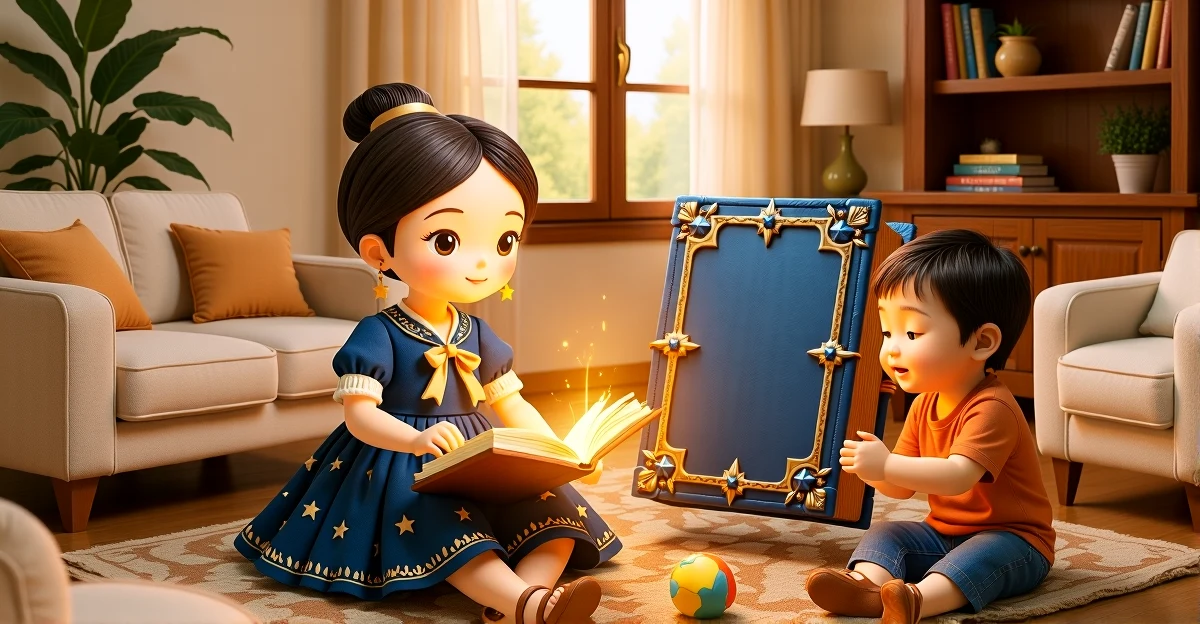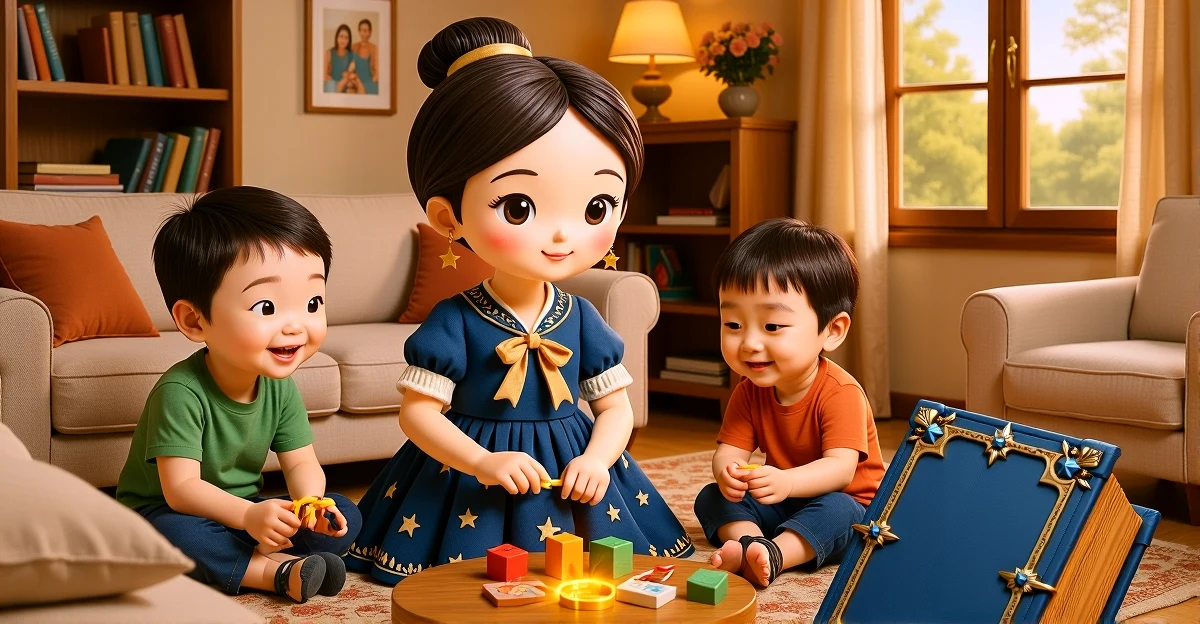

Hello, wonderful parent. I want to talk with you about something that I know can feel really heavy on your heart. When your child hurts other children, when they seem to enjoy making others cry, it can bring up so many difficult feelings. You might feel confused, worried, maybe even ashamed. And I want you to know, first and foremost, that you are not alone in this, and your child is not broken.
The Magic Book and I have been learning so much about this, and what I have discovered is truly BEAUTIFUL. Your child who is hurting others right now is actually in the middle of a critical developmental window. This is not a character flaw. This is a skill that is still being built.
In this guide, we will explore why children ages 6-7 sometimes struggle with empathy, what the research tells us about this developmental phase, and most importantly, gentle strategies that actually work to nurture lasting empathy in your child.
Understanding the Empathy Development Window
Between ages six and seven, children are experiencing massive growth in their capacity for empathy. Their brains are literally building the neural pathways that help them understand how their actions affect other people. And sometimes, when those pathways are still under construction, children struggle to connect their actions with other people's feelings.
Think about it this way. If your child was struggling to read, you would not think they were a bad person. You would know they needed help learning that skill. Empathy is exactly the same. It is a skill that develops over time, and some children need more support learning it than others.
Research shows us something really important here. When children engage in hurtful behavior toward their peers, it is often a signal that they need support developing empathy skills, not that they are mean or bad. This is SO important to understand because it changes everything about how we respond.
What is Happening in Your Child's Brain
At ages 6-7, your child's prefrontal cortex is still developing. This is the part of the brain responsible for impulse control, emotional regulation, and understanding consequences. It will not be fully developed until they are in their mid-twenties. Right now, they are in the early stages of learning to recognize and manage the strong feelings that often drive hurtful actions.
When your child hurts someone, their brain is not yet automatically making the connection between their action and the other child's pain. They are learning to build that bridge, and they need your patient guidance to do it.
What Research Says About Empathy and Aggressive Behavior
The experts tell us that warm, responsive parenting approaches are far more effective than punishment when it comes to fostering genuine empathy development. When you respond to concerning behavior with calm consistency and teach emotion regulation skills, your child learns to recognize and manage the strong feelings that often drive hurtful actions.
Aggressive behavior is often a communication of unmet needs or overwhelming emotions. Your child is not trying to be cruel. They are showing you, in the only way they know how right now, that they need help.
— Zero to Three Organization
Research published in peer-reviewed journals emphasizes that authoritarian parenting styles may stifle empathy development in young children, while warm, responsive approaches support prosocial growth. This is not about being permissive or letting hurtful behavior continue. It is about understanding what your child needs in order to learn.
Educational researchers have found that structured social-emotional learning interventions increase prosocial behaviors like kindness by measurable amounts in elementary-age children. The research is clear: children whose parents help them understand the impact of their actions on others, while also addressing the underlying emotional needs driving the behavior, develop stronger empathy skills and show significant reductions in aggressive behavior over time.
This developmental phase, while challenging, represents a powerful opportunity for growth when met with patient, evidence-based support.
Gentle Strategies That Build Lasting Empathy
So what can you actually DO? Here are evidence-based strategies that work:
1. Stay Calm When Incidents Happen
I know this is hard, especially if you are feeling embarrassed or worried about what other parents think. But your calm response is teaching your child that emotions are manageable. Get down to their level, make eye contact, and help them notice what happened.
You might say something like: "Look at your friend's face. Do you see their tears? When you pushed them, it hurt their body and their feelings."
This is not about shaming your child. It is about helping them notice the connection between their action and the result.
2. Help Your Child Name Their Feelings
This is crucial. Help your child identify what they were feeling before they hurt their friend. Were they frustrated because someone took their toy? Were they feeling left out? Were they overwhelmed and did not know how to express it?
When you help your child name their feelings, you are teaching them emotional literacy. You are showing them that feelings are okay, but hurting others is not the way to handle those feelings.
Try saying: "I think you were feeling really frustrated when that happened. Frustration is a normal feeling. But we cannot hurt people when we feel frustrated. Let's practice what you CAN do instead."
3. Teach What They CAN Do Instead
This is where the real learning happens. Practice together:
- Using words when they are frustrated: "I can say, I do not like that, instead of pushing."
- Walking away when they feel too angry: "I can take a break when I feel my body getting hot and tight."
- Asking a grown-up for help: "I can find you or my teacher when I need help with a problem."
And here is the beautiful part. Every time you do this, you are building those empathy pathways in their brain. You are literally helping their brain grow the capacity to care about others.
4. Model Empathy Consistently
Your child is watching how you respond to others. When you show empathy in your daily interactions, when you notice and care about other people's feelings, your child is learning what empathy looks like in action.
Narrate your empathetic thinking out loud: "I noticed our neighbor looked sad today. I think I will bring them some cookies to cheer them up." This shows your child how to notice others' feelings and respond with kindness.
5. Address Connection and Belonging Needs
Sometimes children hurt others because they are feeling disconnected or unsure of their place in the group. Make sure you are spending extra one-on-one time with your child. Play games that require cooperation. Read stories together. Show them, through your actions, what kindness and empathy look like.
6. Set Firm Boundaries with Gentle Delivery
It is okay to set firm boundaries while still being gentle. You can say: "I will not let you hurt your friends. Hurting is not okay. I am going to help you learn a different way."
Boundaries teach children that their actions have consequences, and that is an important part of developing empathy too. They need to understand that when they hurt someone, there are real effects.
A Story That Can Help
In The Book of Inara, we have a beautiful story that brings these concepts to life for your child:
The Room Where Hearts Speak Softly
Perfect for: Ages 6-7
What makes it special: Theo and Miles discover that everyone, even grown-ups, has invisible worries and struggles. They learn that small acts of kindness can help heal hearts. This story is SO SPECIAL because it teaches children that everyone has feelings that matter, and that choosing kindness makes a real difference.
Key lesson: When Theo and Miles realize that their parents have invisible struggles and that small acts of kindness can help heal hearts, children learn that everyone has feelings that matter and that choosing kindness makes a real difference.
How to use this story: After you read this story with your child, talk about it together. You might ask: "How do you think Theo felt when he realized his parent had invisible worries? What did Theo and Miles do to help? How do you think that made everyone feel?" These conversations are gold. They are helping your child practice thinking about other people's feelings in a safe, story-based way.
You Are Doing Beautifully
Please be patient with yourself and with your child. Empathy development does not happen overnight. It is a journey that takes years. There will be setbacks. There will be days when you feel like nothing is working. But I promise you, every calm conversation, every time you help them name their feelings, every story you read together, every moment you model kindness, it is all building something beautiful in their heart.
The research is so clear on this. Children ages six and seven are in a critical window for empathy development. When parents respond with patience and teach emotional regulation skills, children develop the capacity to recognize how their actions affect others and choose kindness instead. You are doing that work right now, just by being here, just by caring enough to learn.
So take a deep breath, wonderful parent. Your child is not mean. They are learning. And you are exactly the right person to teach them. The Magic Book and I believe in you, and we believe in your child.
With so much love and starlight, Inara
Related Articles
- Teaching Empathy to Young Children Who Hurt Others: A Gentle Guide
- Understanding Why Children Hit and Kick: A Gentle Parenting Guide
- Teaching Empathy to Children Who Struggle with Kindness: A Gentle Guide for Parents
- Nurturing Purpose and Meaning in Young Children: A Gentle Guide for Parents
- Understanding Empathy Development in Young Children: When Gentle Behavior Needs Extra Support
Show transcript
Hello, wonderful parent! It's me, Inara, and I am so grateful you're here today. I want to talk with you about something that I know can feel really heavy on your heart. When your child hurts other children, when they seem to enjoy making others cry, it can bring up so many difficult feelings. You might feel confused, worried, maybe even ashamed. And I want you to know, first and foremost, that you are not alone in this, and your child is not broken.
The Magic Book and I have been learning so much about this, and what I've discovered is truly BEAUTIFUL. Your child who is hurting others right now is actually in the middle of a critical developmental window. Between ages six and seven, children are experiencing massive growth in their capacity for empathy. Their brains are literally building the neural pathways that help them understand how their actions affect other people. And sometimes, when those pathways are still under construction, children struggle to connect their actions with other people's feelings.
Research shows us something really important here. When children engage in hurtful behavior toward their peers, it's often a signal that they need support developing empathy skills, not that they're mean or bad. Think about it this way. If your child was struggling to read, you wouldn't think they were a bad person. You'd know they needed help learning that skill. Empathy is exactly the same. It's a skill that develops over time, and some children need more support learning it than others.
The experts tell us that warm, responsive parenting approaches are far more effective than punishment when it comes to fostering genuine empathy development. When you respond to concerning behavior with calm consistency and teach emotion regulation skills, your child learns to recognize and manage the strong feelings that often drive hurtful actions. This is so IMPORTANT because aggressive behavior is often a communication of unmet needs or overwhelming emotions. Your child isn't trying to be cruel. They're showing you, in the only way they know how right now, that they need help.
Here's what the research shows. Children whose parents help them understand the impact of their actions on others, while also addressing the underlying emotional needs driving the behavior, develop stronger empathy skills and show significant reductions in aggressive behavior over time. This developmental phase, while challenging, represents a powerful opportunity for growth when met with patient, evidence-based support.
So what can you actually DO? First, when your child hurts someone, stay calm. I know that's hard, especially if you're feeling embarrassed or worried about what other parents think. But your calm response is teaching your child that emotions are manageable. Get down to their level, make eye contact, and help them notice what happened. You might say something like, Look at your friend's face. Do you see their tears? When you pushed them, it hurt their body and their feelings.
Then, and this is crucial, help your child identify what they were feeling before they hurt their friend. Were they frustrated because someone took their toy? Were they feeling left out? Were they overwhelmed and didn't know how to express it? When you help your child name their feelings, you're teaching them emotional literacy. You're showing them that feelings are okay, but hurting others is not the way to handle those feelings.
Next, teach them what they CAN do instead. This is where the real learning happens. You might practice together. Let's practice using words when you're frustrated. Let's practice walking away when you feel too angry. Let's practice asking a grown-up for help. And here's the beautiful part. Every time you do this, you're building those empathy pathways in their brain. You're literally helping their brain grow the capacity to care about others.
The Magic Book showed me something wonderful about this. We have a story called The Room Where Hearts Speak Softly, and it's about two friends, Theo and Miles, who discover that everyone, even grown-ups, has invisible worries and struggles. They learn that small acts of kindness can help heal hearts. This story is so SPECIAL because it teaches children that everyone has feelings that matter, and that choosing kindness makes a real difference.
After you read this story with your child, you can talk about it together. You might ask, How do you think Theo felt when he realized his parent had invisible worries? What did Theo and Miles do to help? How do you think that made everyone feel? These conversations are gold. They're helping your child practice thinking about other people's feelings in a safe, story-based way.
And here's something else that's really important. Make sure you're also addressing your child's need for connection and belonging. Sometimes children hurt others because they're feeling disconnected or unsure of their place in the group. Spend extra one-on-one time with your child. Play games that require cooperation. Read stories together. Show them, through your actions, what kindness and empathy look like.
I also want you to know that it's okay to set firm boundaries while still being gentle. You can say, I will not let you hurt your friends. Hurting is not okay. I'm going to help you learn a different way. Boundaries teach children that their actions have consequences, and that's an important part of developing empathy too. They need to understand that when they hurt someone, there are real effects.
One more thing. Please be patient with yourself and with your child. Empathy development doesn't happen overnight. It's a journey that takes years. There will be setbacks. There will be days when you feel like nothing is working. But I promise you, every calm conversation, every time you help them name their feelings, every story you read together, every moment you model kindness, it's all building something beautiful in their heart.
The research is so clear on this. Children ages six and seven are in a critical window for empathy development. When parents respond with patience and teach emotional regulation skills, children develop the capacity to recognize how their actions affect others and choose kindness instead. You are doing that work right now, just by being here, just by caring enough to learn.
So take a deep breath, wonderful parent. Your child is not mean. They're learning. And you are exactly the right person to teach them. The Magic Book and I believe in you, and we believe in your child. Find The Room Where Hearts Speak Softly in The Book of Inara app, and let it be a gentle helper on this journey.
With so much love and starlight, Inara.