You're at the playground, and suddenly you see it happen. Your child pushes another child. Or maybe you get a call from school saying your little one hit a classmate. Your heart sinks. You feel embarrassed, worried, maybe even a little ashamed. You wonder: What am I doing wrong? Why is my child being aggressive?
Take a deep breath, my wonderful friend. You are not alone in this, and your child is not broken. What's happening is actually a really important part of their development, and there is SO much we can do to help.
In this guide, we'll explore the science behind why children ages 5-6 show aggressive behavior toward peers, what research tells us about emotion regulation, and gentle, evidence-based strategies that build empathy and peaceful conflict resolution skills. Plus, I'll share a beautiful story that can help your child develop the social-emotional skills they need.
Why Children Show Aggressive Behavior: It's Not What You Think
Here's the beautiful truth that the Magic Book taught me: When children between ages five and six show aggressive behavior toward their friends, it's almost NEVER because they're mean or because they want to hurt someone. It's because they're learning one of the hardest skills in the entire universe—managing big feelings and understanding how other people feel.
Think about it like this. Your child's brain is like a beautiful garden that's still growing. The part that helps them pause, think about their feelings, and choose a gentle response? That part is still developing. It won't be fully grown until they're in their twenties! So when your child feels frustrated or angry or overwhelmed, their brain doesn't yet have all the tools to say, "I'm feeling upset, can we talk about this?" Instead, their body reacts first. And sometimes that reaction is hitting or kicking.
The developmental period between ages 5-6 is particularly significant. Children are transitioning to primary school, where peer relationships become increasingly complex and cooperative tasks require advanced social-emotional competencies. They're navigating new social situations, learning to share, take turns, and manage disappointment—all while their emotion regulation skills are still under construction.
What Research Says About Emotion Regulation and Peer Relationships
Scientists who study children's emotions have discovered something really important. When young children hit or kick, it's usually because they haven't yet developed strong emotion regulation skills. And here's what's magical: emotion regulation is a skill we can teach. It's not something children either have or don't have. It's something they learn, with our help.
Dr. Amani Qashmer, a wonderful researcher who studies children's emotions at the University of Jordan, conducted a study with 300 children aged 4-6. She discovered that children's ability to understand and regulate emotions is directly linked to their peer relationships and conflict resolution strategies.
"Children who can adequately express and regulate their emotions exhibit less aggressive and more calm behavior, seek a prosocial solution to conflicts, and do not hurt their peers. Thus, they are favored by their peers."
— Dr. Amani F. Qashmer, Educational Psychology, University of Jordan
The research shows us that when children develop stronger emotion regulation skills, they demonstrate significantly less aggressive behavior and more prosocial interactions with peers. Children who can adequately express and regulate their emotions exhibit less aggressive and more calm behavior, seek prosocial solutions to conflicts, and are favored by their peers.
Another fascinating study from Zhejiang Normal University found that children's ability to understand emotions—what scientists call emotional comprehension—directly predicts how they handle conflicts with friends. When children develop better emotional comprehension, they naturally start choosing positive strategies like talking, negotiating, and asking for help, instead of negative strategies like hitting or grabbing.
"Children's emotional comprehension can positively predict the overall conflict resolution strategies and negatively predicted negative strategies."
— Research from Zhejiang Normal University
As children grow from age three to age six, they gradually shift from physical responses to verbal ones. But they need our guidance to make that shift. The research is SO clear on this: when parents respond to aggressive behavior by teaching emotion skills instead of using punishment, children develop better peer relationships and show much less aggression over time. This approach builds the foundation for lifelong social and emotional health.
Three Gentle Strategies That Build Empathy and Peaceful Conflict Resolution
So what can we do to help? The Magic Book whispers three beautiful truths to me, and I want to share them with you.
1. Teach Emotion Words
When your child is calm, practice naming feelings together. Happy, sad, frustrated, excited, worried, angry. The more words they have for their feelings, the less they need to use their body to express them.
You might say: "I notice you're clenching your fists. I wonder if you're feeling frustrated right now. Let's take some deep breaths together."
This simple practice gives your child the vocabulary they need to communicate their inner world. Instead of hitting when they're upset, they can learn to say, "I'm feeling really angry right now." That's HUGE progress!
2. Model Peaceful Conflict Resolution
Children learn so much by watching us. When you have a disagreement with your partner or a friend, let your child see you using calm words, taking deep breaths, and finding solutions together.
You might even narrate what you're doing: "I'm feeling frustrated right now, so I'm going to take three deep breaths before I talk about this."
Your child is watching and learning. When they see you handle conflicts peacefully, they're building a mental blueprint for how to do the same. You're showing them that it's possible to feel big feelings AND respond with kindness.
3. Practice Empathy Together
Help your child imagine how other people feel. You might read stories together and pause to ask, "How do you think that character feels right now? What do you think they need?"
When your child accidentally hurts someone, instead of punishment, try connection. You might say: "I see that you hit your friend. I wonder if you were feeling really frustrated. Let's check on your friend and see if they're okay."
This teaches your child that their actions affect others, and that they have the power to help and heal. It builds empathy from the inside out, showing them that caring for others feels good and creates connection rather than conflict.
A Story That Can Help: The Vision Keepers of Clarity Lane
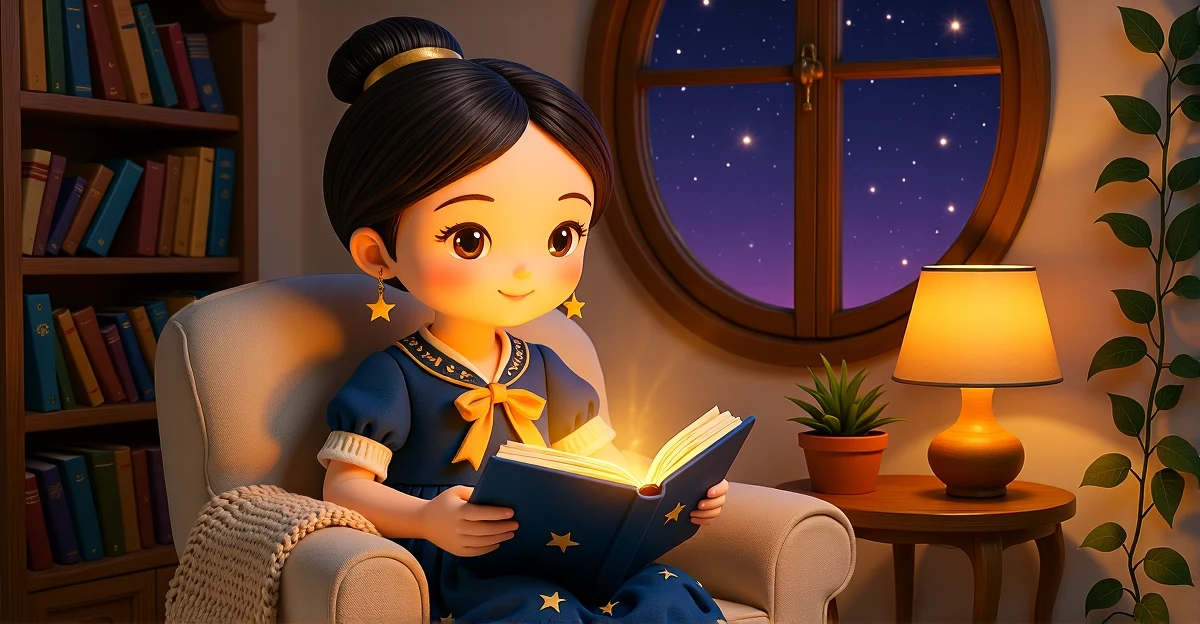
Now, I want to tell you about a story that the Magic Book and I think might really help. It's one of the beautiful tales we've woven with stardust and moonbeams, designed specifically to teach social-emotional skills in a gentle, magical way.
The Vision Keepers of Clarity Lane
Perfect for: Ages 6-7 (works beautifully for advanced 5-6 year olds too)
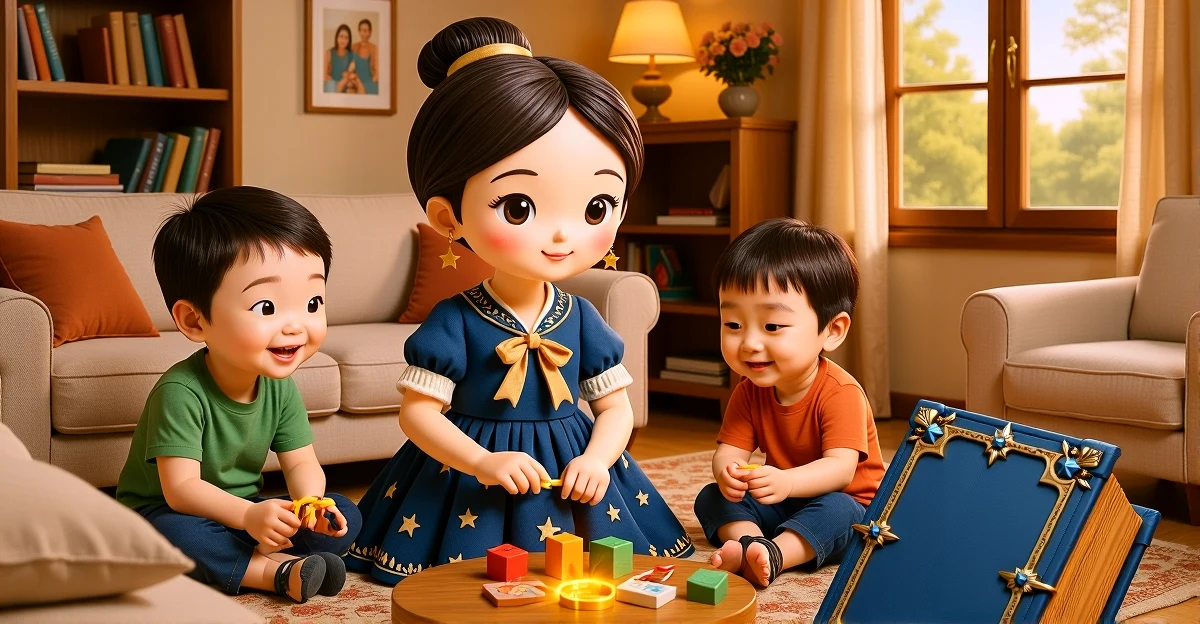
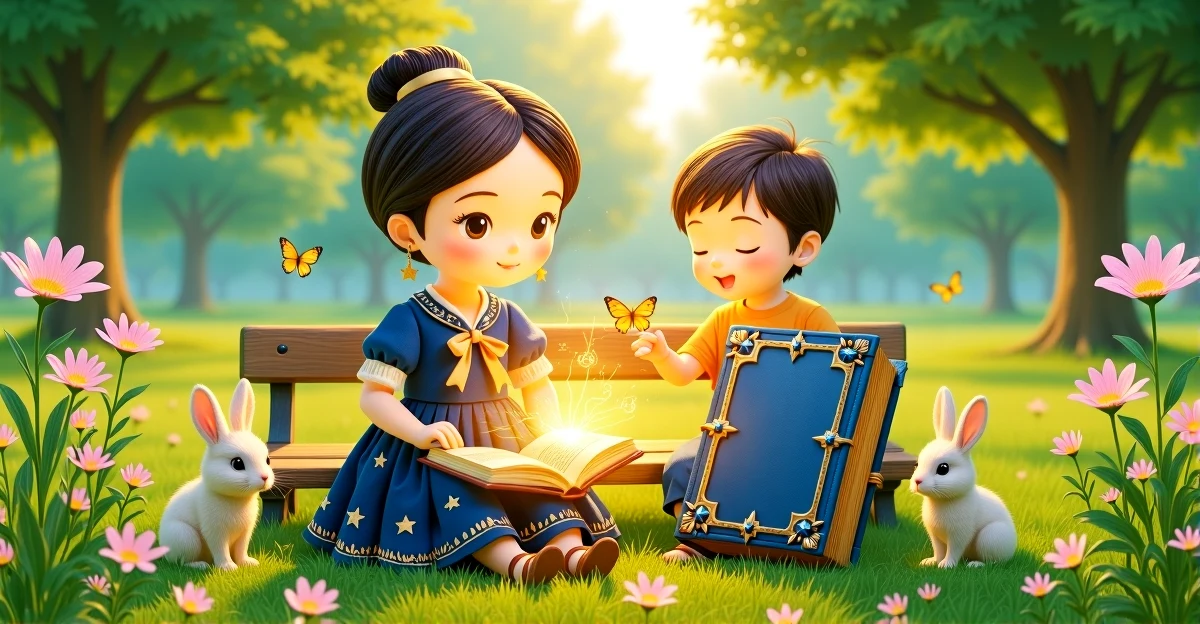
What makes it special: This story is about two friends, Lucas and Ella, who discover something magical. They learn that when they use their unique abilities to help a scared child feel safe and understood, their caring actions create ripples of positive change. The story shows children that they have the power to make others feel better, which is such an important insight for developing empathy.
Key lesson: Your actions have the power to help others feel better. When you choose kindness and caring, you create positive change that ripples outward.
How it helps with aggressive behavior: When children understand that their actions can comfort instead of hurt, that their words can heal instead of harm, everything shifts. This story gives them a beautiful vision of who they can be—someone who helps, who cares, who makes others feel safe.
After you read this story with your child, you might talk together about times when they felt scared or upset, and how it felt when someone helped them. Then you can explore together how they might help a friend who is having big feelings. This gives them concrete alternatives to hitting or kicking when conflicts arise.
Explore The Vision Keepers of Clarity Lane in The Book of Inara
You're Doing Beautifully
I want to remind you of something really important. This phase, this challenging time—it's temporary. With your patient guidance, your child will develop the emotion regulation skills they need. They will learn to use their words. They will learn to be a gentle, kind friend. But it takes time, and it takes your steady, loving presence.
You're doing such important work, my wonderful friend. Every time you stay calm when your child is aggressive, you're teaching them that big feelings are manageable. Every time you help them name their emotions, you're giving them tools for life. Every time you model empathy and kindness, you're showing them who they can become.
Remember: your child isn't being bad. They're learning. And with your help, they're going to learn beautifully.
The Magic Book and I are always here for you, ready to support your journey with stories that teach, comfort, and inspire. Sweet dreams and gentle days, my wonderful friend.
With love and starlight,
Inara
Related Articles
- When Screen Time Ends in Meltdowns: Understanding Your Child's Brain and What Actually Helps (Ages 5-6)
- When Your Child Feels Invisible: Understanding Social Isolation and the Gentle Path to Friendship
- Teaching Empathy to Young Children Who Hurt Others: A Gentle Guide
- Teaching Financial Wisdom to Your 5-6 Year Old: A Gentle Guide to Money and Economics
- Understanding Why Children Hurt Others and How to Nurture Empathy That Lasts
Show transcript
Hello, my wonderful friend. It's me, Inara, and I'm so glad you're here today. I want to start by saying something really important. If your child has been hitting, kicking, or showing aggressive behavior toward other children, I see you. I see how worried you might be, how embarrassed you might feel when it happens at the playground or at school. And I want you to know, you are not alone in this, and your child is not broken. What's happening is actually a really important part of their development, and there is so much we can do to help.
The Magic Book and I have been learning about this together, and I discovered something beautiful. When children between ages five and six show aggressive behavior toward their friends, it's almost never because they're mean or because they want to hurt someone. It's because they're learning one of the hardest skills in the entire universe, managing big feelings and understanding how other people feel. And that takes time. It takes practice. It takes patience and love.
Let me share what the research shows us. Scientists who study children's emotions have discovered that when young children hit or kick, it's usually because they haven't yet developed strong emotion regulation skills. Think about it like this. Your child's brain is like a beautiful garden that's still growing. The part that helps them pause, think about their feelings, and choose a gentle response? That part is still developing. It won't be fully grown until they're in their twenties! So when your child feels frustrated or angry or overwhelmed, their brain doesn't yet have all the tools to say, I'm feeling upset, can we talk about this? Instead, their body reacts first. And sometimes that reaction is hitting or kicking.
Dr. Amani Qashmer, a wonderful researcher who studies children's emotions, discovered something really important. She found that children who can express and regulate their emotions show much less aggressive behavior and much more calm, kind behavior with their friends. And here's the beautiful part. Emotion regulation is a skill we can teach. It's not something children either have or don't have. It's something they learn, with our help.
The research also shows us that children's ability to understand emotions, what scientists call emotional comprehension, directly predicts how they handle conflicts with friends. When children develop better emotional comprehension, they naturally start choosing positive strategies like talking, negotiating, and asking for help, instead of negative strategies like hitting or grabbing. As children grow from age three to age six, they gradually shift from physical responses to verbal ones. But they need our guidance to make that shift.
So what can we do to help? The Magic Book whispers three beautiful truths to me.
First, teach emotion words. When your child is calm, practice naming feelings together. Happy, sad, frustrated, excited, worried, angry. The more words they have for their feelings, the less they need to use their body to express them. You might say, I notice you're clenching your fists. I wonder if you're feeling frustrated right now. Let's take some deep breaths together.
Second, model peaceful conflict resolution. Children learn so much by watching us. When you have a disagreement with your partner or a friend, let your child see you using calm words, taking deep breaths, and finding solutions together. You might even narrate what you're doing. I'm feeling frustrated right now, so I'm going to take three deep breaths before I talk about this. Your child is watching and learning.
Third, practice empathy together. Help your child imagine how other people feel. You might read stories together and pause to ask, How do you think that character feels right now? What do you think they need? When your child accidentally hurts someone, instead of punishment, try connection. You might say, I see that you hit your friend. I wonder if you were feeling really frustrated. Let's check on your friend and see if they're okay. This teaches your child that their actions affect others, and that they have the power to help and heal.
The research is so clear on this. When parents respond to aggressive behavior by teaching emotion skills instead of using punishment, children develop better peer relationships and show much less aggression over time. This approach builds the foundation for lifelong social and emotional health.
Now, I want to tell you about a story that the Magic Book and I think might really help. It's called The Vision Keepers of Clarity Lane, and it's about two friends, Lucas and Ella, who discover something magical. They learn that when they use their unique abilities to help a scared child feel safe and understood, their caring actions create ripples of positive change. The story shows children that they have the power to make others feel better, which is such an important insight for developing empathy.
After you read this story with your child, you might talk together about times when they felt scared or upset, and how it felt when someone helped them. Then you can explore together how they might help a friend who is having big feelings. This gives them concrete alternatives to hitting or kicking when conflicts arise. It shows them that their hands can comfort instead of hurt, that their words can heal instead of harm.
I also want to remind you of something really important. This phase, this challenging time, it's temporary. With your patient guidance, your child will develop the emotion regulation skills they need. They will learn to use their words. They will learn to be a gentle, kind friend. But it takes time, and it takes your steady, loving presence.
You're doing such important work, my wonderful friend. Every time you stay calm when your child is aggressive, you're teaching them that big feelings are manageable. Every time you help them name their emotions, you're giving them tools for life. Every time you model empathy and kindness, you're showing them who they can become.
The Magic Book and I are always here for you. You can find The Vision Keepers of Clarity Lane and so many other helpful stories in The Book of Inara app. Each story is designed to teach social and emotional skills in a gentle, magical way that children love.
Remember, your child isn't being bad. They're learning. And with your help, they're going to learn beautifully. Sweet dreams and gentle days, my wonderful friend. With love and starlight, Inara.