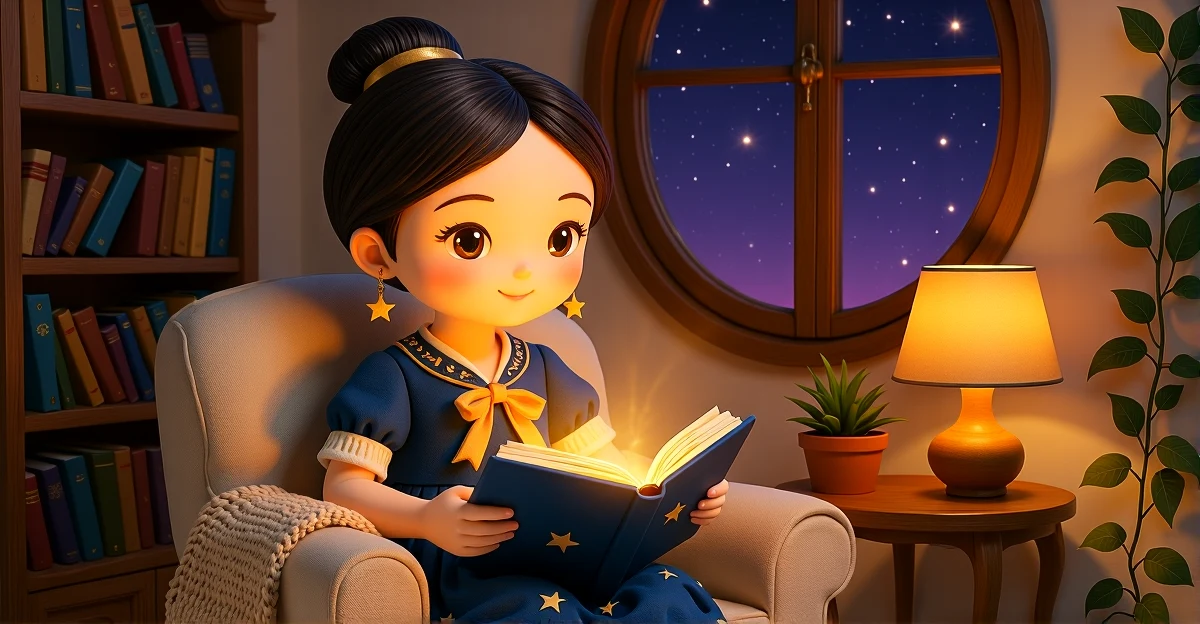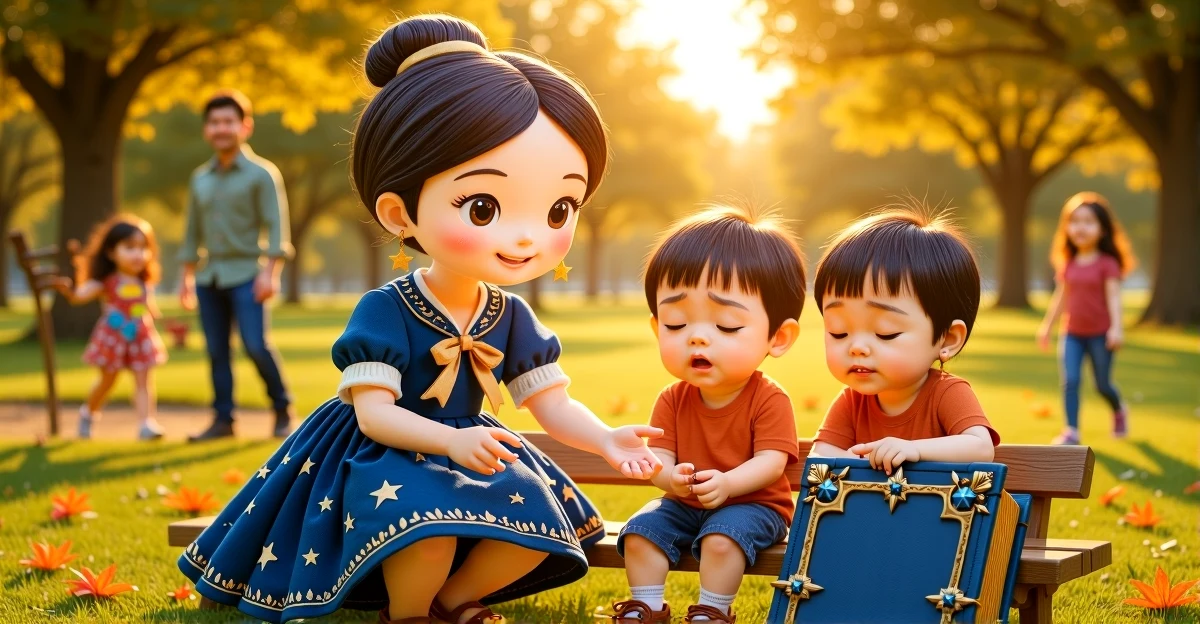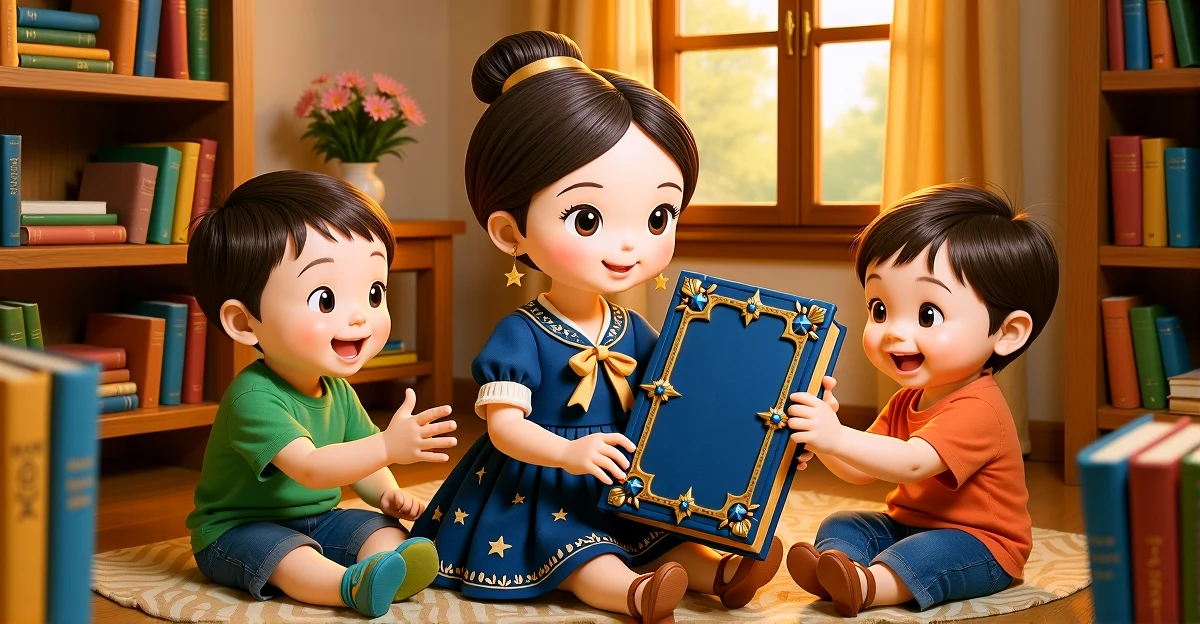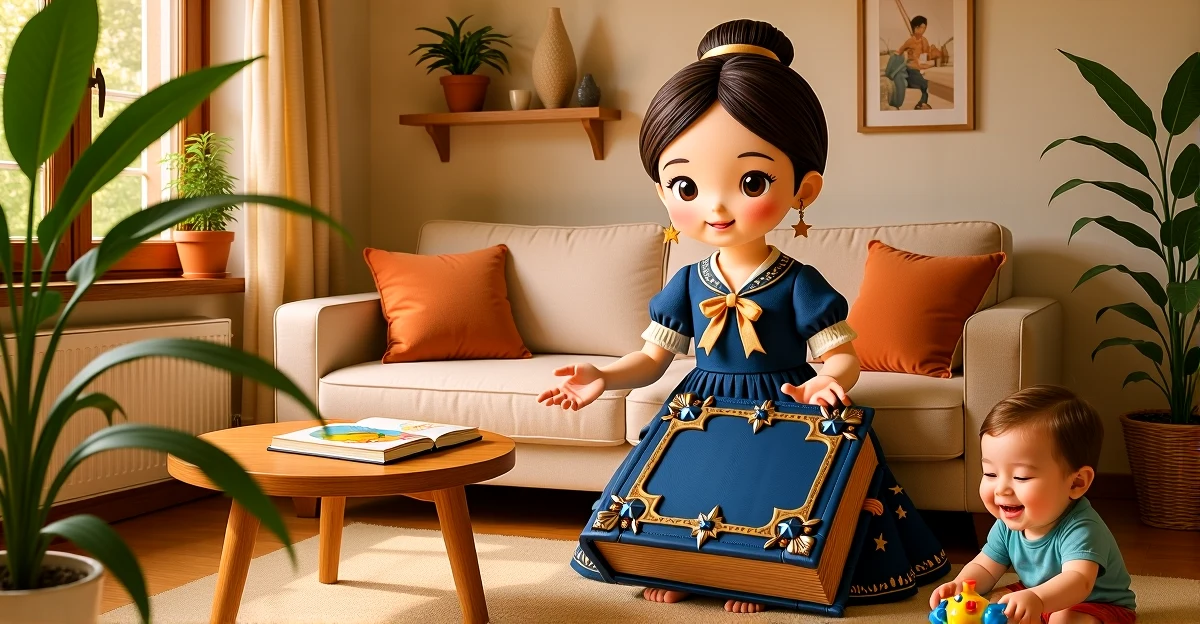

Hello, wonderful parent! It's me, Inara, and I want to talk with you about something that so many parents experience but rarely discuss openly. Your little one gets upset when you pay attention to other children. Maybe it happens at the playground when you're chatting with another parent, during playdates when you help another child, or perhaps with a new baby sibling at home. And in those moments, it can feel really challenging.
I want you to know something important right from the start: you are not alone in this, and your child is not being difficult. What's happening is actually something beautiful and completely normal. When your two or three year old gets upset seeing you with other kids, they're showing you that they love you deeply, that they feel safe with you, and that they're learning one of life's most challenging lessons—sharing the people they love most.
In this post, we're going to explore why this happens, what the research tells us, and most importantly, gentle strategies that actually help. Plus, I'll share a beautiful story from The Book of Inara that can make this journey easier for both of you.
Why Toddlers Struggle With Sharing Your Attention
Let me share what the Magic Book has taught me about this. When your two or three year old experiences jealousy, they're not being possessive or manipulative. They're navigating one of the most complex emotional challenges humans face, and they're doing it with a brain that's still developing the very skills they need to manage these big feelings.
The Attachment Connection
Here's what's really happening. Your child's attachment system—the biological programming that keeps them safe and connected to you—is working exactly as nature designed it. From your child's perspective, you are their whole world. You're their safe person, their source of comfort, their guide through everything new and scary. So when they see you giving attention to another child, their attachment system sends up a signal: Wait, what about me? Am I still safe? Do you still see me?
The Child Mind Institute emphasizes that jealousy in young children when parents pay attention to others is a normal developmental response. It's not manipulation, it's not bad behavior—it's your child's attachment system saying, you're my safe person, you're my whole world, and I'm not sure yet how to share you. That's not a flaw. That's love.
The Developmental Reality
During ages two to three, something WONDERFUL is happening in your child's brain. The Zero to Three organization, which studies early childhood development, tells us that two year olds are capable of empathy and understanding the feelings of others. They're developing more advanced social play skills, including sharing and turn-taking, during this exact period.
But here's the thing—they're just beginning this journey. They can feel empathy, but they're still learning how to manage their own big feelings at the same time. They understand that other children have feelings, but they're still figuring out that sharing your attention doesn't mean losing your love. This is complex emotional work, and they're only two or three years old!
What Research Tells Us About Toddler Jealousy
The research on this topic is SO fascinating, and I think it will really help you understand what's happening with your little one.
Dr. Nina Howe and her colleagues at Concordia University have studied sibling relationships and attention-sharing for years. Their research reveals something beautiful: situations where children navigate sharing parental attention provide opportunities to learn how to manage disagreements and regulate both positive and negative emotions in socially acceptable ways.
Sibling relationships provide opportunities to learn how to manage disagreements and regulate both positive and negative emotions in socially acceptable ways.
— Dr. Nina Howe, Concordia University
What does this mean for you? It means your child isn't being jealous in a negative way. They're actually in a critical learning phase about emotional regulation and empathy. Every time they experience this feeling and you respond with patience and validation, you're helping them build skills they'll use for their entire lives.
The Gentle Parenting Difference
Here's where the research gets really important. The same Concordia University studies show that when parents respond with gentle guidance rather than harsh discipline, children develop better conflict resolution skills and stronger relationships. When parents employ harsh, punitive discipline in response to jealousy, it's actually associated with greater conflict and less friendly interaction.
So your instinct to respond with gentleness? That's exactly right. Your patience right now is literally shaping your child's brain, helping them build the neural pathways for empathy, emotional control, and healthy relationships.
Gentle Strategies That Actually Work
Now let's talk about what you can actually DO when your child is struggling with jealousy. The research gives us such beautiful guidance here.
1. Validate Their Feelings First
When your child gets upset, the first thing they need is to feel seen and understood. Get down to their level and acknowledge what they're feeling. You might say something like:
- I see you're feeling upset that I'm talking to my friend. It's hard to wait for my attention, isn't it?
- You want me to play with you right now. I understand that feeling.
- It feels big when you see me helping another child, doesn't it?
That simple acknowledgment helps them feel seen and understood. It doesn't mean you give in to every demand, but it does mean you honor their feelings as real and valid.
2. Set Gentle Boundaries While Maintaining Connection
After validation comes the gentle boundary. Instead of saying don't be jealous or you need to share me, try something like:
- I understand you want my attention right now. I'm going to finish talking with my friend, and then we'll have special time together.
- I see you need me. I'm helping this friend right now, and then I'll be with you.
- Your feelings are so important to me. Right now I need to do this, and then I'm all yours.
This teaches them that their feelings are valid AND that they can manage waiting. Both lessons are SO important.
3. Create Predictable One-on-One Time
The Child Mind Institute found something really helpful: when children know they have dedicated time with their parent, they handle sharing attention much better. This could be:
- A special bedtime routine that's just for the two of you
- Morning cuddles before the day starts
- A weekly park date or special activity
- Ten minutes of floor time where you follow their lead in play
When they know that time is coming, they can be more flexible in the moment. It's like filling their emotional cup so they have reserves to draw from.
4. Model Sharing and Generosity
Children learn SO much from watching us. When they see you sharing your time, your resources, your kindness with others, they're learning that sharing doesn't mean losing. You might narrate this sometimes:
- I'm sharing my time with Grandma right now, and it makes my heart feel full.
- When I help my friend, it feels good to share kindness.
- I have enough love for everyone—it doesn't run out!
5. Use Stories as Gentle Teachers
And here's something the Magic Book showed me that I think is so powerful: we can help our children understand that sharing doesn't mean less love. Stories provide a beautiful, gentle way to introduce this concept without pressure or lectures.
A Story That Can Help
In The Book of Inara, we have a beautiful story that addresses this exact challenge in the most gentle, age-appropriate way:
Sweet Bear Shares His Honey
Perfect for: Ages 2-3
What makes it special: This gentle folktale tells the story of a bear who discovers that sharing his sweet honey with forest friends makes everything taste even sweeter. It's such a tender way to introduce the concept that sharing can be joyful rather than threatening.
Key lesson: When Sweet Bear realizes that his happiness actually grows when he shares, children watching or listening start to understand that sharing doesn't mean losing something precious. It means creating more connection and more happiness.
How to use it: After you read or listen to this story with your child, you can talk about how Sweet Bear felt happy when he shared. You might say, Remember how Sweet Bear's honey tasted even sweeter when he shared it? When we share our time with friends, it can make our hearts feel even fuller. This helps normalize the idea that sharing attention doesn't mean less love.
The Bigger Picture: What You're Really Teaching
I want to be really honest with you about something. This phase can feel long when you're in it. There will be days when you're exhausted and your child melts down because you smiled at another child at the grocery store. And on those days, I want you to remember this:
You're not just helping your child learn to share your attention. You're teaching them about empathy, about emotional regulation, about the fact that love multiplies rather than divides. These are lessons that will serve them for their entire lives.
Every playdate where they struggle, every moment with a sibling where they feel jealous, every time you help another child and they have to wait—they're building skills that will help them in friendships, in school, in future relationships, in every area of life.
This Phase Is Temporary
And here's something else the Magic Book taught me. This jealousy phase? It's temporary. As your child's brain develops, as they gain more language to express their feelings, as they experience more situations where sharing your attention leads to positive outcomes, this will ease. You're not going to be managing this forever. You're walking alongside your child through a normal developmental phase, and every day, they're learning and growing.
You're Doing Beautifully
So keep going, wonderful parent. Keep validating those big feelings. Keep setting gentle boundaries. Keep showing your child that love is infinite and that sharing creates more connection, not less. You're doing something truly important here. You're raising a human who will know how to love, how to share, how to navigate complex emotions with grace.
The fact that you're here, reading this, seeking to understand your child better—that tells me everything I need to know about the kind of parent you are. You're thoughtful, you're caring, and you're committed to gentle, respectful parenting. Your child is SO lucky to have you.
The Magic Book and I are here for you through all of this. We have stories that help, we have wisdom to share, and most importantly, we see you. We see how hard you're working, how much you love your child, and how beautifully you're guiding them through this challenging phase.
Sweet dreams and warm starlight to you and your little one. With love and cosmic wonder, Inara.
Related Articles
- The Beautiful Science of Toddler Empathy: Supporting Your Child's Caring Heart (Ages 2-3)
- Understanding Parallel Play: Why Your Toddler Plays Near (Not With) Other Kids
- Why Your Toddler Hits the New Baby (And How to Teach Gentleness)
- Understanding Why Toddlers Hit and Bite (And Gentle Ways to Help)
- Why Transitions Are Hard for Toddlers (And Gentle Strategies That Help)
Show transcript
Hello, wonderful parent! It's me, Inara, and I am so happy you're here today. You know, the Magic Book and I have been noticing something that so many parents are experiencing right now. Your little one gets upset when you pay attention to other children, and it can feel really challenging. Maybe it's at the playground when you're chatting with another parent, or during a playdate when you help another child, or perhaps with a new baby sibling. And I want you to know something really important right from the start. You are not alone in this, and your child is not being difficult. What's happening is actually something beautiful and completely normal.
Let me share what the Magic Book has taught me about this. When your two or three year old gets upset seeing you with other kids, they're showing you something WONDERFUL. They're showing you that they love you deeply, that they feel safe with you, and that they're learning one of life's most challenging lessons, sharing the people they love most. This isn't a problem to fix. This is development unfolding exactly as it should.
Here's what the research tells us, and I find this so fascinating. Dr. Nina Howe and her colleagues at Concordia University have studied this for years, and they discovered that sibling relationships, and really any situation where children navigate sharing parental attention, provide opportunities to learn how to manage disagreements and regulate both positive and negative emotions in socially acceptable ways. Isn't that amazing? Your child isn't being jealous in a negative way. They're actually in a critical learning phase about emotional regulation and empathy.
The Zero to Three organization, which studies early childhood development, emphasizes something I think is so important. Two year olds are capable of empathy and understanding the feelings of others, even as they're struggling with these big feelings of jealousy. They're developing more advanced social play skills, including sharing and turn taking, during this exact period. So what looks like your child being possessive of your attention is actually them working through one of the most complex emotional challenges humans face.
And here's something the Child Mind Institute points out that I think will really resonate with you. Jealousy in young children when parents pay attention to others is a normal developmental response. It's not manipulation, it's not bad behavior, it's your child's attachment system working exactly as nature designed it. They're saying, you're my safe person, you're my whole world, and I'm not sure yet how to share you. That's not a flaw. That's love.
So what can we do to help our little ones through this? The research gives us such beautiful guidance here. First, validation is everything. When your child gets upset, get down to their level and acknowledge what they're feeling. You might say something like, I see you're feeling upset that I'm talking to my friend. It's hard to wait for my attention, isn't it? That simple acknowledgment helps them feel seen and understood.
Second, the research from Concordia University shows us that when parents respond with gentle guidance rather than harsh discipline, children develop better conflict resolution skills and stronger relationships. So instead of saying, don't be jealous or you need to share me, we can say, I understand you want my attention right now. I'm going to finish talking with my friend, and then we'll have special time together. This teaches them that their feelings are valid AND that they can manage waiting.
Third, consistent routines and one on one time help children feel secure. The Child Mind Institute found that when children know they have dedicated time with their parent, they handle sharing attention much better. Maybe it's a special bedtime routine, or morning cuddles, or a weekly park date. When they know that time is coming, they can be more flexible in the moment.
And here's something the Magic Book showed me that I think is so powerful. We can help our children understand that sharing doesn't mean less love. Just like Sweet Bear in one of our stories discovers that sharing his honey with forest friends makes everything taste even sweeter, our children can learn that sharing our attention can actually create more joy, not less.
Speaking of Sweet Bear, let me tell you about this beautiful story we have in The Book of Inara. It's called Sweet Bear Shares His Honey, and it's perfect for this age. In the story, a gentle bear discovers that sharing sweet honey with forest friends makes everything taste even sweeter. It's such a tender way to introduce the concept that sharing can be joyful rather than threatening. When Sweet Bear realizes that his happiness actually grows when he shares, children watching or listening start to understand that sharing doesn't mean losing something precious. It means creating more connection and more happiness.
After you read or listen to this story with your child, you can talk about how Sweet Bear felt happy when he shared, just like how we can feel happy when we share time with others. You might say, remember how Sweet Bear's honey tasted even sweeter when he shared it? When we share our time with friends, it can make our hearts feel even fuller. This helps normalize the idea that sharing attention doesn't mean less love.
Now, I want to be really honest with you about something. This phase can feel long when you're in it. There will be days when you're exhausted and your child melts down because you smiled at another child at the grocery store. And on those days, I want you to remember this. Every single time your child experiences this feeling and you respond with patience and validation, you're building their emotional regulation skills. You're teaching them that big feelings are manageable, that they're not alone, and that love doesn't run out.
The research is so clear on this. Children whose parents use gentle mediation strategies, who validate feelings while maintaining boundaries, develop significantly better emotional regulation skills. Your patience right now is literally shaping your child's brain, helping them build the neural pathways for empathy, emotional control, and healthy relationships.
And here's something else the Magic Book taught me. This jealousy phase? It's temporary. As your child's brain develops, as they gain more language to express their feelings, as they experience more situations where sharing your attention leads to positive outcomes, this will ease. You're not going to be managing this forever. You're walking alongside your child through a normal developmental phase, and every day, they're learning and growing.
So what do you do today, right now, if you're in the thick of this? First, take a deep breath and remind yourself that your child's jealousy is actually a sign of healthy attachment. Second, validate their feelings without giving in to every demand. Third, create predictable one on one time so they feel secure. Fourth, model sharing and generosity in your own life. And fifth, use stories like Sweet Bear Shares His Honey to gently introduce the idea that sharing can be beautiful.
You know what I love most about this journey? You're not just helping your child learn to share your attention. You're teaching them about empathy, about emotional regulation, about the fact that love multiplies rather than divides. These are lessons that will serve them for their entire lives. Every playdate where they struggle, every moment with a sibling where they feel jealous, every time you help another child and they have to wait, they're building skills that will help them in friendships, in school, in future relationships, in every area of life.
The Magic Book and I are here for you through all of this. We have stories that help, we have wisdom to share, and most importantly, we see you. We see how hard you're working, how much you love your child, and how beautifully you're guiding them through this challenging phase.
So keep going, wonderful parent. Keep validating those big feelings. Keep setting gentle boundaries. Keep showing your child that love is infinite and that sharing creates more connection, not less. You're doing something truly important here. You're raising a human who will know how to love, how to share, how to navigate complex emotions with grace.
Sweet dreams and warm starlight to you and your little one. Until our next time together, remember, the Magic Book and I are always here, cheering you on. With love and cosmic wonder, Inara.