
Your heart stops. One moment your toddler was right beside you at the park, and the next moment they're halfway across the playground, completely absorbed in something shiny they spotted. You call their name. Once. Twice. Three times. They don't even turn around. It's like they can't hear you at all.
If this sounds familiar, I want you to know something right away: you are not alone in this, and your child is not trying to scare you or ignore you on purpose. What's happening is actually a beautiful sign of healthy brain development, and today we're going to explore why this happens and how you can keep your little explorer safe while honoring their growing independence.
In this post, you'll discover what child development research tells us about toddler wandering, why their curiosity seems stronger than your voice, and gentle, connection-based strategies that actually work to keep your child safe in public spaces.
Why Toddlers Wander: The Beautiful Science Behind It
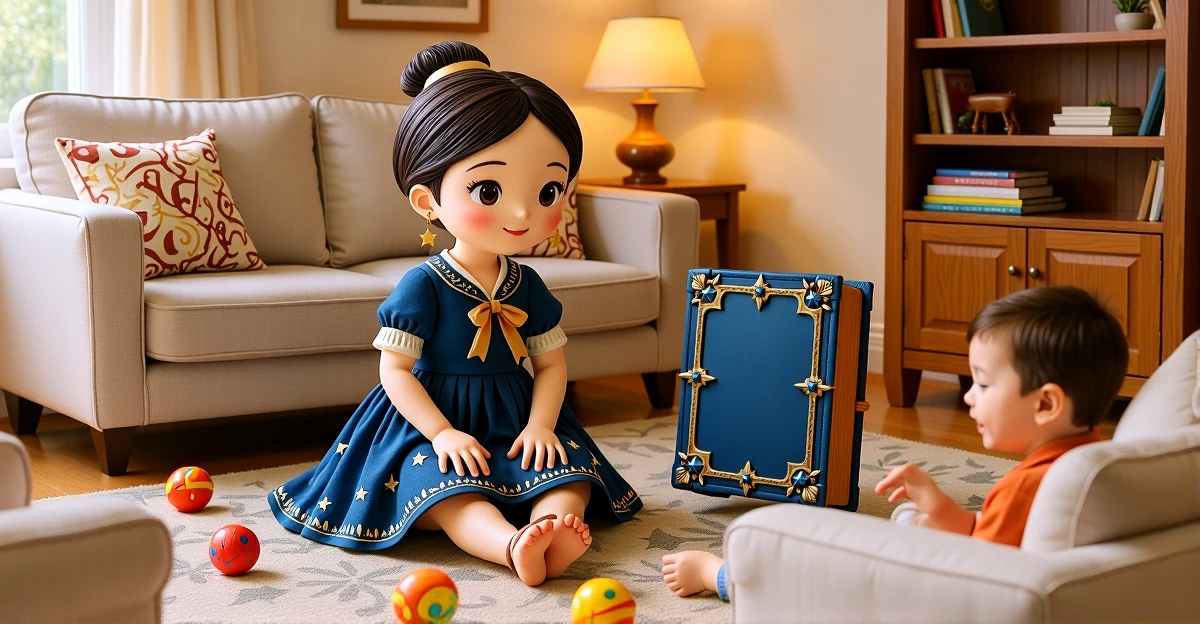
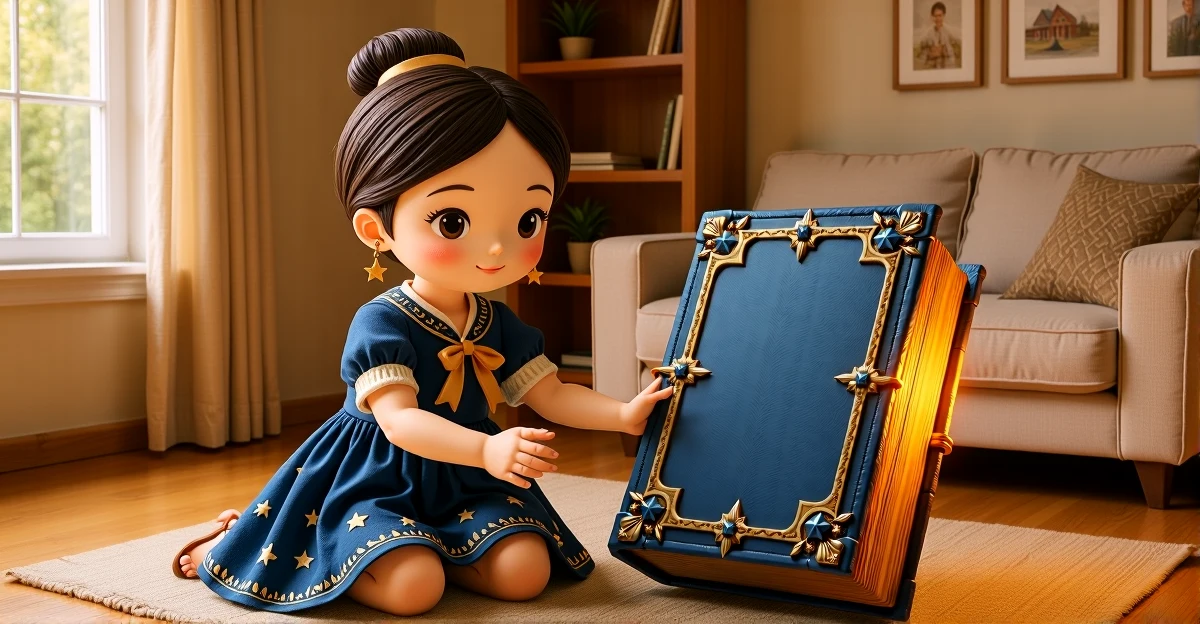
Let me share something WONDERFUL that the Magic Book taught me about toddlers aged two to three. At this age, your child's brain is wired for one thing above all else: exploration. Their curiosity is so powerful, so magnificent, that it literally overrides everything else, including your voice calling them back.
This isn't defiance. This isn't your child being difficult or trying to worry you. This is their developing brain doing exactly what it's supposed to do—discovering the world around them.
The Impulse Control Gap
Research from the American Academy of Pediatrics shows us that two-year-olds are actively testing limits as they struggle to control their actions, impulses, and feelings. And here's the key part: their emotional impulses erupt suddenly because they don't yet have mature self-regulation abilities.
When your child sees something interesting across the park, their impulse to explore is stronger than their ability to remember your instruction to stay close. Their prefrontal cortex—the part of the brain responsible for impulse control and following directions—is still growing and developing. It won't be fully developed until they're in their twenties!
The more confident and secure your two-year-old feels, the more independent and well-behaved they're likely to be.
— American Academy of Pediatrics
So when you're working with your child on staying close and listening to your voice, you're not just keeping them safe in this moment. You're helping them build foundational skills that will serve them for their entire life.
What Research Tells Us About Toddler Safety Awareness
The Centers for Disease Control and Prevention emphasizes that as toddlers become more mobile and exploratory, they encounter more potential dangers, which is why close supervision is so essential during this developmental stage. But here's what I want you to understand: this need for supervision isn't because your child is being bad or difficult.
It's because their curiosity and their impulse control are developing at different rates, and curiosity is winning right now. And that's actually BEAUTIFUL, because curiosity is what helps them learn about the world.
The Long-Term Impact
Research from the National Center for Biotechnology Information tells us something fascinating: emotional regulation and impulse control developed during the toddler years may be more predictive of later success than cognitive abilities alone. There is rapid development of emotional regulation skills during these years, and self-regulation develops gradually through consistent, supportive interactions with caregivers.
This means that the patient, gentle guidance you provide now—teaching your child to stay close, to listen to your voice, to balance their curiosity with safety—is building neural pathways that will benefit them throughout their entire life.
Gentle Strategies That Actually Work
So what can you do? How can you keep your little explorer safe while honoring their natural curiosity? Let me share some gentle strategies that really work:
1. Connection Before Direction
Before you go into a public space, get down to your child's level, make eye contact, and connect with them. You might say something like, "We're going to the store now, and I need you to stay close to me so I can keep you safe. Can you hold my hand?"
This connection helps their brain shift into listening mode. When children feel seen and connected, they're much more likely to cooperate.
2. Make Staying Close Playful
Instead of making safety feel like a restriction, turn it into a game! Here are some ideas:
- Shadow Walking: Challenge your child to stay in your shadow as you walk together
- Hand-Holding Adventures: Narrate what you see together while holding hands, making it an exciting exploration
- Color Spotting: "Let's find three red things together while we walk!"
- Staying Together Song: Create a simple song about staying close that you sing in public spaces
When safety becomes playful, children are much more likely to cooperate because it feels like fun rather than a rule.
3. Practice in Low-Stakes Environments
Before you go to a busy parking lot or crowded store, practice staying close at home or in your backyard. Make it a game. Celebrate when they stay near you. This builds the neural pathways for listening and following directions without the added stress of a dangerous environment.
You might practice in your living room: "Let's pretend we're at the store. Can you stay right next to me as we walk to the kitchen?" When they do, celebrate enthusiastically!
4. Use Positive Reinforcement
The CDC's research shows that giving attention and praise when children follow instructions reinforces cooperative behavior. So when your child does stay close, even for just a few moments, celebrate that!
"You stayed right next to me! That helps me keep you safe. Thank you!" This positive attention builds the behavior you want to see more of.
5. Build Security Through Connection
The American Academy of Pediatrics reminds us that the more confident and secure a toddler feels, the more independent and well-behaved they're likely to be. So building that foundation of security through connection—through letting them know you're their safe base—actually helps them develop better listening skills over time.
Regular one-on-one time, physical affection, and emotional validation all contribute to this sense of security.
A Story That Can Help
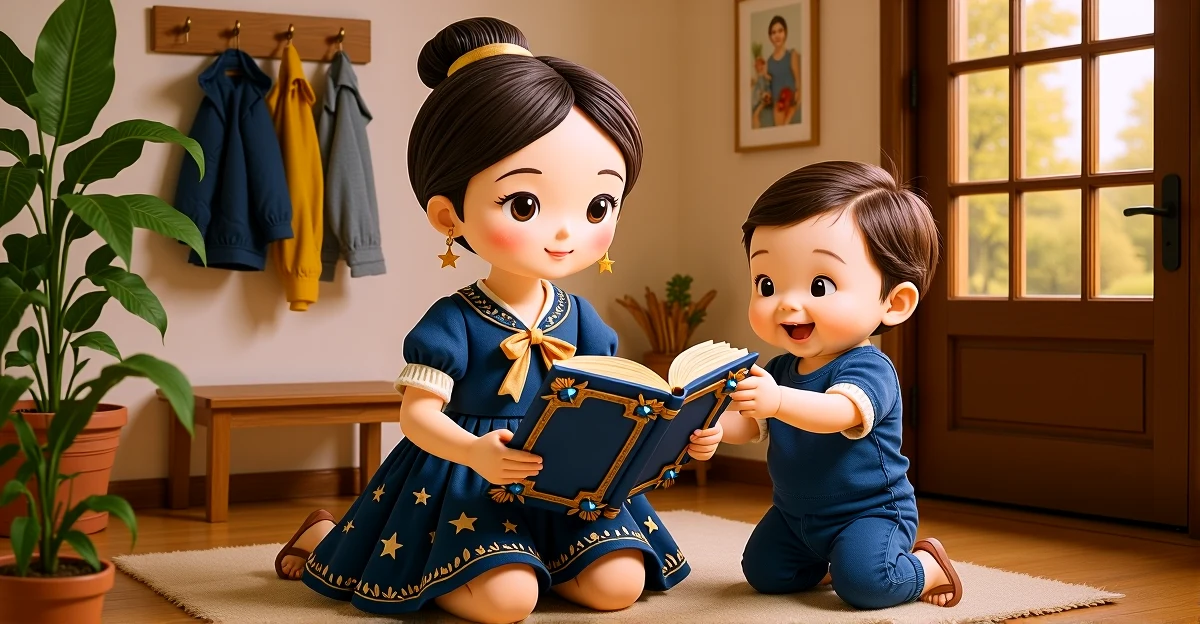
In The Book of Inara, we have a beautiful story that brings these safety concepts to life for your child in a gentle, non-scary way:
The Gingerbread Man
Perfect for: Ages 2-3
What makes it special: This classic tale teaches young children about being careful and trusting helpful friends. The Gingerbread Man learns important lessons about safety and listening to those who care about him, making it perfect for introducing safety concepts without creating fear.
Key lesson: When you read this story with your child, you can talk about how staying close to the people who love us is how we stay safe in the big world. After reading, you can create your own "staying together" games, saying, "Remember how the Gingerbread Man learned to be careful? Let's practice being careful together!"
Why it works: This makes safety feel like an adventure rather than a restriction, and gives you a shared reference point to use in real situations.
You're Doing Beautifully
I want you to remember something important. Parenting a toddler who wants to explore everything is exhausting and sometimes scary, but it's also a sign that you're raising a curious, confident child. The fact that they feel secure enough to explore means you've given them a strong foundation of love and safety.
Your child isn't trying to scare you when they wander off. Their brain is literally wired to explore, and their impulse control is still developing. This is temporary. This is normal. And with your gentle, consistent guidance, they will learn to balance their curiosity with safety awareness.
Keep connecting with them. Keep making safety playful. Keep celebrating the small victories when they do stay close. And know that the Magic Book and I are here with you, cheering you on every step of the way.
You've got this, wonderful parent. With love and starlight, Inara.
Related Articles
- Why Your Toddler Seems to Ignore You (And How to Help Them Listen)
- Why Your Toddler Fights the Car Seat (And What Actually Works)
- Why Toddlers Pull Away in Parking Lots (And How to Keep Them Safe)
- Why Your Toddler Resists Cleanup (And How to Make It Joyful)
- Understanding Public Meltdowns: Why Your Toddler Isn't Trying to Embarrass You
Show transcript
Hello, wonderful parent! It's me, Inara, and I am so happy you're here today. You know, the Magic Book and I have been hearing from so many parents who are experiencing something that can feel really scary. Your little one wanders off in public spaces, and when you call their name, it's like they don't even hear you. And I want you to know something right away. You are not alone in this, and your child is not trying to scare you or ignore you. What's happening is actually a beautiful sign of healthy development, and today we're going to talk about why this happens and how you can keep your little explorer safe while honoring their growing independence.
First, let me share something WONDERFUL that the Magic Book taught me about toddlers aged two to three. At this age, your child's brain is wired for one thing above all else: exploration. Their curiosity is so powerful, so magnificent, that it literally overrides everything else, including your voice calling them back. This isn't defiance. This isn't your child being difficult or trying to worry you. This is their developing brain doing exactly what it's supposed to do, discovering the world around them.
Research from the American Academy of Pediatrics shows us that two-year-olds are actively testing limits as they struggle to control their actions, impulses, and feelings. And here's the key part: their emotional impulses erupt suddenly because they don't yet have mature self-regulation abilities. When your child sees something interesting across the park, their impulse to explore is stronger than their ability to remember your instruction to stay close. Their prefrontal cortex, the part of the brain responsible for impulse control and following directions, is still growing and developing. It won't be fully developed until they're in their twenties!
The Centers for Disease Control and Prevention emphasizes that as toddlers become more mobile and exploratory, they encounter more potential dangers, which is why close supervision is so essential during this developmental stage. But here's what I want you to understand. This need for supervision isn't because your child is being bad or difficult. It's because their curiosity and their impulse control are developing at different rates, and curiosity is winning right now. And that's actually BEAUTIFUL, because curiosity is what helps them learn about the world.
Now, let me share something else the Magic Book showed me. Research from the National Center for Biotechnology Information tells us that emotional regulation and impulse control developed during the toddler years may be more predictive of later success than cognitive abilities alone. So when you're working with your child on staying close and listening to your voice, you're not just keeping them safe in this moment. You're helping them build foundational skills that will serve them for their entire life.
So what can you do? How can you keep your little explorer safe while honoring their natural curiosity? Let me share some gentle strategies that really work.
First, connection before direction. Before you go into a public space, get down to your child's level, make eye contact, and connect with them. You might say something like, We're going to the store now, and I need you to stay close to me so I can keep you safe. Can you hold my hand? This connection helps their brain shift into listening mode.
Second, make staying close fun instead of scary. You can create games like shadow walking where they try to stay in your shadow, or hand-holding adventures where you narrate what you see together. When safety becomes playful, children are much more likely to cooperate.
Third, practice in low-stakes environments. Before you go to a busy parking lot or crowded store, practice staying close at home or in your backyard. Make it a game. Celebrate when they stay near you. This builds the neural pathways for listening and following directions without the added stress of a dangerous environment.
Fourth, use positive reinforcement. The CDC's research shows that giving attention and praise when children follow instructions reinforces cooperative behavior. So when your child does stay close, even for just a few moments, celebrate that! You stayed right next to me! That helps me keep you safe. Thank you!
And here's something else that might help. The American Academy of Pediatrics reminds us that the more confident and secure a toddler feels, the more independent and well-behaved they're likely to be. So building that foundation of security through connection, through letting them know you're their safe base, actually helps them develop better listening skills over time.
Now, let me tell you about a story that might help with this. In The Book of Inara, we have a classic tale called The Gingerbread Man. Now, you might be thinking, Inara, I know that story! But let me tell you why it's so SPECIAL for this particular challenge. The Gingerbread Man learns about being careful and trusting helpful friends. And when you read this story with your child, you can talk about how staying close to the people who love us is how we stay safe in the big world.
After you read The Gingerbread Man together, you can create your own staying together games. You might say, Remember how the Gingerbread Man learned to be careful? Let's practice being careful together! This makes safety feel like an adventure, not a restriction.
The Magic Book also reminds me that patience is so important during this phase. Your child isn't trying to scare you when they wander off. Their brain is literally wired to explore, and their impulse control is still developing. This is temporary. This is normal. And with your gentle, consistent guidance, they will learn to balance their curiosity with safety awareness.
I want you to remember something. You are doing beautifully. Parenting a toddler who wants to explore everything is exhausting and sometimes scary, but it's also a sign that you're raising a curious, confident child. The fact that they feel secure enough to explore means you've given them a strong foundation of love and safety.
Keep connecting with them. Keep making safety playful. Keep celebrating the small victories when they do stay close. And know that the Magic Book and I are here with you, cheering you on every step of the way.
You've got this, wonderful parent. With love and starlight, Inara.