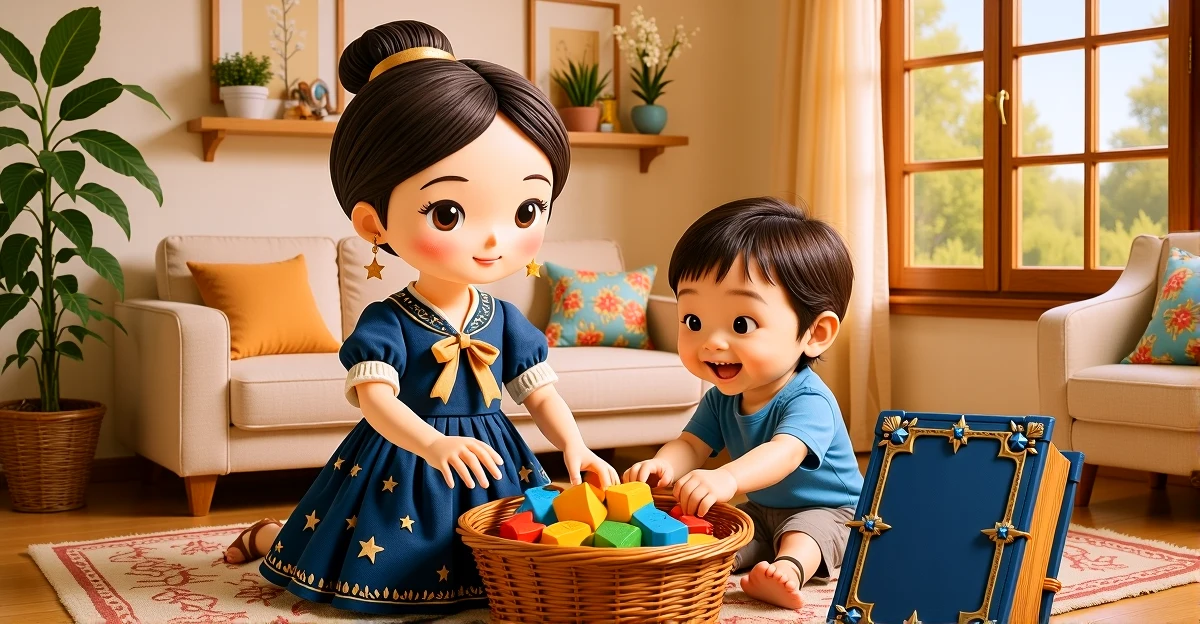

Your child falls and scrapes their knee. You rush over with open arms, ready to comfort them, but they push you away. "No!" they say, turning their back to you. Or maybe they're crying about something that upset them at preschool, and when you try to hug them, they pull away and say they want to be alone.
In that moment, you might feel a wave of emotions. Rejection. Confusion. Worry. Maybe even hurt. You wonder if you've done something wrong, if your child doesn't feel safe with you, or if this means something is broken in your relationship.
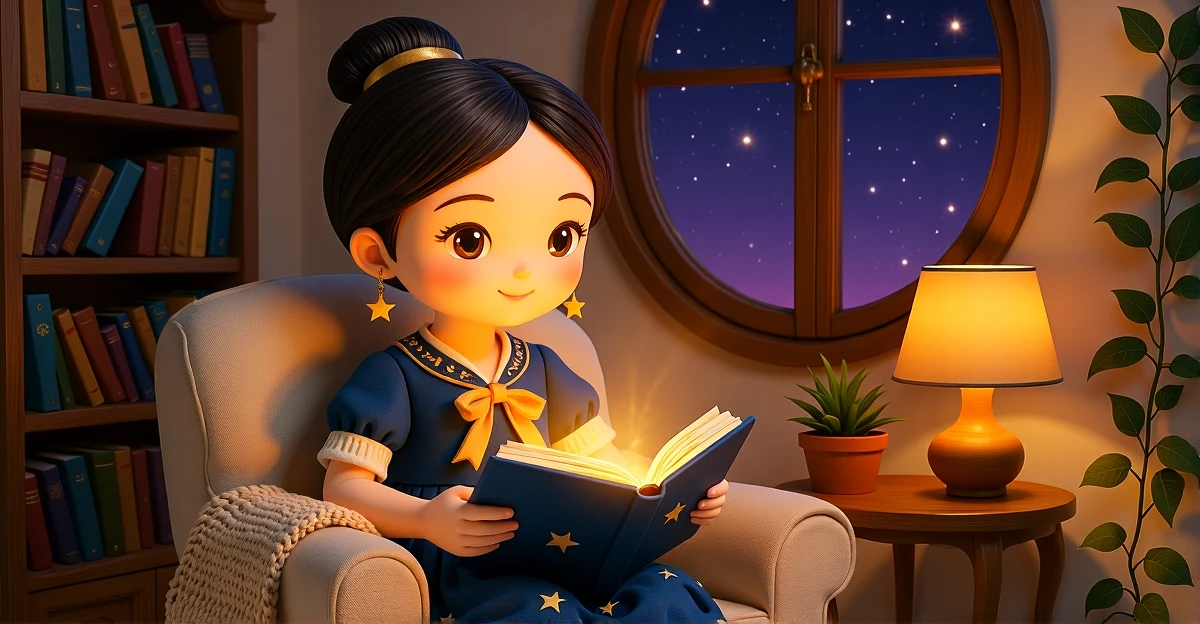
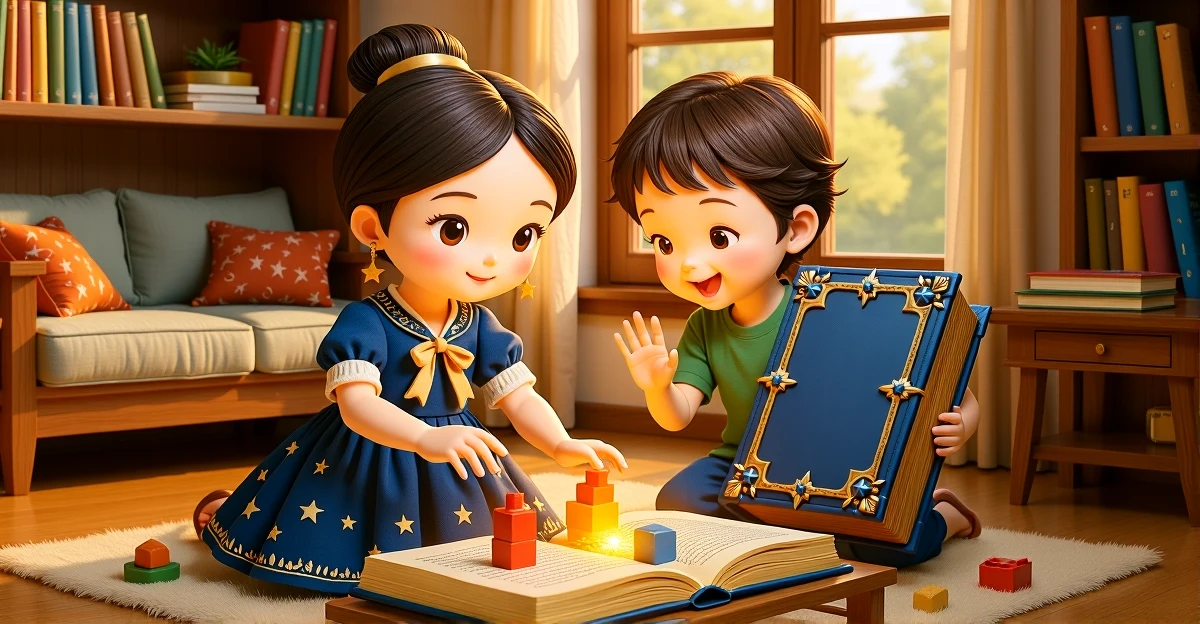
Take a deep breath with me right now, wonderful parent, because I have something BEAUTIFUL to share with you. What you're experiencing isn't rejection. It's not a sign that your child doesn't love you or need you. What you're witnessing is actually something magnificent—the blossoming of emotional independence. And the Magic Book and I are here to help you understand why this is happening and how to support your child through this important developmental phase.
Why Children Ages 4-5 Push Away Comfort
When your child is around four or five years old, something remarkable is happening inside their brain. They're in a critical developmental phase where they're learning to balance their growing independence with their need for connection and support. Their brains are literally building new neural pathways that help them regulate their own emotions.
Think about it this way. When your child was a baby, they needed you for EVERYTHING. You were their source of all comfort, all regulation, all soothing. But now? Now they're discovering that they have some capacity to manage their own feelings. They're learning that they can sit with discomfort for a moment, that they can try to calm themselves down, and that they don't always need immediate external comfort.
This is not rejection. This is practice. This is experimentation. This is your child's brain saying, "I wonder if I can handle this feeling on my own?"
The Science of Emotional Self-Regulation
Research on preschool-aged children shows that pushing away comfort when upset is a completely normal part of emotional and autonomy development. Studies demonstrate that this behavior reflects children's emerging capacity for emotional self-regulation and autonomous decision-making.
When children refuse comfort, they're actually practicing important skills in managing their own emotional states. They're learning that feelings come and go, that they have some control over their emotional responses, and that they can be their own source of strength sometimes.
What Research Says About This Beautiful Phase
Dr. Nancy Eisenberg, a brilliant researcher who has spent decades studying how children develop emotional skills at Arizona State University, discovered something fascinating. Her longitudinal research demonstrates that parental reactions to children's emotions directly socialize children's emotion-related reactions and emotional competence.
"Parental reactions to children's emotions are an excellent example of ways in which parents can directly socialize children's emotion-related reactions."
— Dr. Nancy Eisenberg, Arizona State University
Here's what's SO important for you to know. Research from the University of Alberta shows us that when parents respond to these moments with patience and respect for their child's autonomy, something magical happens. Children develop stronger emotional regulation skills. They build secure attachment. They learn that their feelings are valid and that they have some control over how they handle them.
But when parents use control or force comfort on a child who's asking for space, children actually show lower levels of autonomy and emotional competence. The key finding across multiple studies is that parental responses during these moments significantly shape children's long-term emotional development.
The Attachment Perspective
Developmental science research on attachment tells us something beautiful. When children push away comfort, they're not showing insecure attachment. They're actually demonstrating trust. They trust that you'll still be there even if they don't accept your hug right away. They trust that your love is steady and patient. They trust that they can try managing their feelings independently and you won't abandon them.
As attachment researchers note, the parent's role shifts from providing direct physical comfort to offering "a secure base"—remaining emotionally available and calm nearby while the child processes their feelings independently. This responsive presence, rather than insistent comfort, builds lasting emotional security.
How to Support Your Child's Growing Emotional Independence
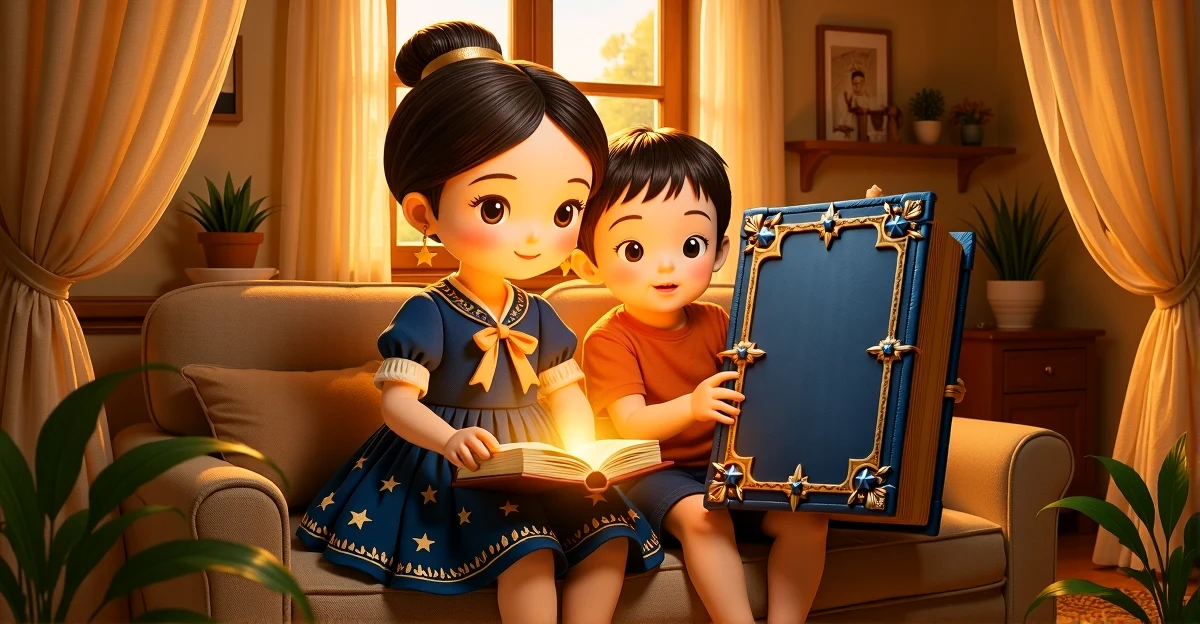
So what does this mean for you in those moments when your child pushes you away? The Magic Book whispers this wisdom: Stay close, but give space. Remain emotionally available without forcing physical comfort.
Gentle Strategies That Honor Autonomy
- Narrate what you see without judgment. You might say, "I notice you're feeling upset right now, and you want some space. I respect that." This validates their feelings and their choice.
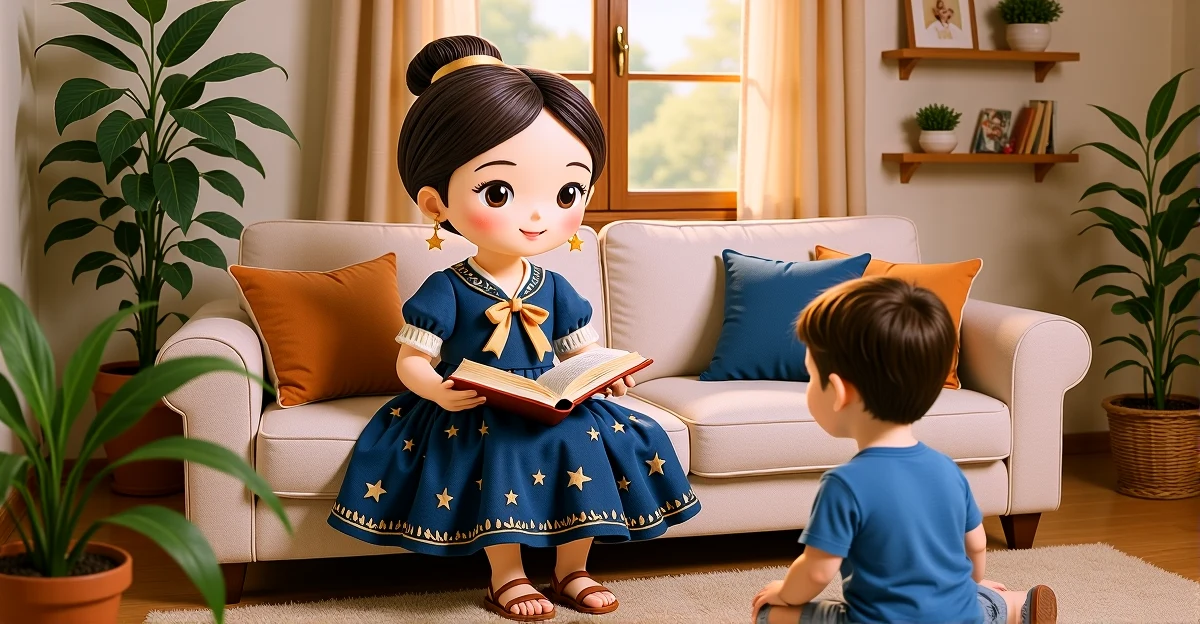
- Position yourself nearby but not hovering. Sit a few feet away where they can see you. Your calm presence is powerful even without words. You're showing them that you're their safe base, always available when they're ready.
- Offer choices that honor their autonomy. "Would you like to tell me about your feeling, or would you like some quiet time first?" This gives them control while keeping the door of connection open.
- Use gentle verbal comfort. Even if they don't want physical touch, you can say, "I'm right here if you need me," or "I can see you're working through this on your own, and I'm so proud of you."
- Welcome them when they're ready. When they do come to you for comfort—and they will—welcome them with open arms and say something like, "I'm so glad you came to me. I'm always here when you need me." This reinforces that you're their safe base.
What NOT to Do
Just as important as what TO do is understanding what doesn't help:
- Don't force physical comfort. Insisting on a hug when they've said no teaches them that their boundaries don't matter.
- Don't take it personally. This isn't about you. It's about their development. Your hurt feelings are valid, but they're separate from your child's need for autonomy.
- Don't punish the behavior. Saying things like "Fine, then I won't help you next time" damages trust and makes them afraid to ask for help when they truly need it.
- Don't hover anxiously. Your anxiety communicates that you don't trust their ability to manage their feelings, which undermines their confidence.
The Beautiful Dance of Independence and Connection
I know this can be hard on your heart, wonderful parent. When your child was a baby, they needed you for everything. You were their source of all comfort. And now they're growing, changing, becoming more independent. That's bittersweet, isn't it?
The Magic Book reminds us that this is the beautiful dance of parenting. We hold them close, and then we let them step away, and then they come back to us, and the cycle continues. Each time they step away and come back, they're building confidence. They're learning that independence and connection can coexist. They're discovering that they can be strong AND loved, autonomous AND supported.
And here's something else that's really important. This phase is temporary. As your child's brain continues to develop and they gain more confidence in their emotional regulation skills, they'll find a beautiful balance. Sometimes they'll want your comfort immediately. Sometimes they'll want to try managing on their own first. And that flexibility—that ability to know what they need in different moments—that's emotional intelligence. That's what we're helping them build.
Stories That Can Help
In The Book of Inara, we have beautiful stories that bring these concepts to life for your child. Stories that show them that expressing feelings and accepting support can happen in their own time and their own way.
The Center Where Hearts Are Heard
Perfect for: Ages 4-5
What makes it special: This story beautifully addresses the core challenge of children learning to express their feelings and be heard. When Ethan and Sofia visit a magical advocacy center with Grandpa Ravi, they discover that worried feelings bloom into beautiful solution flowers. The children learn that every problem has many creative answers waiting to be found, and that sharing feelings with trusted adults creates possibilities rather than judgment.
Key lesson: Your emotions matter, expressing them is safe, and help is always available when you're ready. The flowers don't bloom until the children are ready to share—and when they do, magic happens.
After reading together: You might try creating your own worry flower ritual. When your child is upset, you could say, "Would you like to tell me about your feeling so we can watch it bloom into a solution flower together? Or would you like some quiet time first?" This gives them the choice while keeping that door of connection open.
You're Doing Beautifully
Take a deep breath, wonderful parent. You're doing such a beautiful job. Your child is growing exactly as they should. The developmental science is so clear on this: children whose parents respect their autonomy during distress while maintaining a calm, supportive presence develop better social-emotional competence. They have stronger relationships. They're more resilient. They trust themselves AND they trust their parents.
Because you've shown them that love doesn't mean controlling. Love means being there, respecting their process, and staying connected even when they need space.
So the next time your child pushes away your comfort, I want you to remember this: You're not being rejected. You're being trusted. Your child trusts that you'll still be there even if they don't accept your hug right away. They trust that your love is steady and patient. And they're practicing something brave and important—learning to be their own source of strength sometimes.
The Magic Book and I see you. We understand how hard this can be. And we want you to know that this is all part of the magnificent journey of raising an emotionally healthy, independent, confident child who also knows they're deeply loved.
With love and starlight,
Inara
Related Articles
- Building Physical Confidence in Young Children: Gentle Movement Strategies for Ages 4-5
- Teaching Your 4-5 Year Old Peaceful Conflict Resolution: A Gentle Parenting Guide
- When Your Child Only Eats 3 Foods: Understanding ARFID in Young Children
- Building Confidence in Young Performers: A Gentle Guide for Ages 4-5
- When Your Child Says They're Stupid: Understanding Academic Anxiety in Young Learners
Show transcript
Hello, wonderful parent! It's me, Inara, and I am so grateful you're here today. You know, the Magic Book and I have been hearing from so many parents lately about something that can feel really confusing and even a little heartbreaking. Maybe you've experienced this too. Your child falls down and scrapes their knee, and when you rush over to comfort them, they push you away. Or they're crying about something that upset them, and when you try to hug them, they say no and turn away. And in that moment, you might feel rejected, or worried, or wonder if you've done something wrong.
I want you to take a deep breath with me right now, because I have something WONDERFUL to share with you. What you're experiencing is not rejection. It's not a sign that your child doesn't love you or need you. What you're witnessing is actually something beautiful, something the Magic Book calls the blossoming of emotional independence. Your child is learning one of the most important skills they'll ever develop, learning to manage their own feelings, to self-soothe, to be their own source of comfort sometimes. And that is absolutely magnificent.
Let me share what the research tells us about this. Dr. Nancy Eisenberg, a brilliant researcher who has spent decades studying how children develop emotional skills, discovered something fascinating. She found that when children are around four or five years old, they're in this incredible developmental phase where they're learning to balance their growing independence with their need for connection and support. Their brains are literally building new pathways that help them regulate their own emotions. When your child pushes away comfort, they're not being difficult. They're practicing. They're experimenting with their own capacity to manage big feelings.
And here's what's really important for you to know. Research from the University of Alberta shows us that when parents respond to these moments with patience and respect for their child's autonomy, something magical happens. Children develop stronger emotional regulation skills. They build secure attachment. They learn that their feelings are valid and that they have some control over how they handle them. But when parents use control or force comfort on a child who's asking for space, children actually show lower levels of autonomy and emotional competence.
So what does this mean for you in those moments when your child pushes you away? The Magic Book whispers this wisdom. Stay close, but give space. Remain emotionally available without forcing physical comfort. You might say something like, I'm right here if you need me, or I can see you're working through this on your own, and I'm so proud of you. You're not abandoning them. You're honoring their growing independence while making sure they know you're their safe base, always there when they're ready.
Think of it like this. Imagine you're upset about something, and someone immediately tries to fix it or hug you before you've had a chance to process your feelings. Sometimes that feels overwhelming, right? Sometimes we need a moment to ourselves first. Your child is learning this same thing. They're discovering that they can sit with their feelings for a moment, that they can try to calm themselves down, and that you'll still be there when they're ready for connection.
Now, I know this can be hard on your heart. When your child was a baby, they needed you for everything. You were their source of all comfort. And now they're growing, changing, becoming more independent. That's bittersweet, isn't it? The Magic Book reminds us that this is the beautiful dance of parenting. We hold them close, and then we let them step away, and then they come back to us, and the cycle continues. Each time they step away and come back, they're building confidence. They're learning that independence and connection can coexist.
Let me tell you about a story that captures this so beautifully. It's called The Center Where Hearts Are Heard, and it's about Ethan and Sofia visiting a magical advocacy center with Grandpa Ravi. In this special place, when children share their worried feelings, those feelings bloom into beautiful solution flowers. The children discover that every problem has many creative answers waiting to be found. What I love about this story is how it shows children that expressing their feelings and accepting support can happen in their own time and their own way. The flowers don't bloom until the children are ready to share. And when they do, magic happens.
After you read this story with your child, you might try creating your own worry flower ritual. When your child is upset, you could say, Would you like to tell me about your feeling so we can watch it bloom into a solution flower together? Or would you like some quiet time first? This gives them the choice. It honors their autonomy while keeping that door of connection open.
Here are some other gentle strategies the Magic Book and I want to share with you. First, narrate what you see without judgment. You might say, I notice you're feeling upset right now, and you want some space. I respect that. This validates their feelings and their choice. Second, position yourself nearby but not hovering. Sit a few feet away where they can see you. Your calm presence is powerful even without words. Third, when they do come to you for comfort, welcome them with open arms and say something like, I'm so glad you came to me. I'm always here when you need me. This reinforces that you're their safe base.
And here's something else that's really important. This phase is temporary. As your child's brain continues to develop and they gain more confidence in their emotional regulation skills, they'll find a beautiful balance. Sometimes they'll want your comfort immediately. Sometimes they'll want to try managing on their own first. And that flexibility, that ability to know what they need in different moments, that's emotional intelligence. That's what we're helping them build.
The developmental science is so clear on this. Children whose parents respect their autonomy during distress while maintaining a calm, supportive presence develop better social-emotional competence. They have stronger relationships. They're more resilient. They trust themselves AND they trust their parents. Because you've shown them that love doesn't mean controlling. Love means being there, respecting their process, and staying connected even when they need space.
So the next time your child pushes away your comfort, I want you to remember this. You're not being rejected. You're being trusted. Your child trusts that you'll still be there even if they don't accept your hug right away. They trust that your love is steady and patient. And they're practicing something brave and important, learning to be their own source of strength sometimes.
Take a deep breath, wonderful parent. You're doing such a beautiful job. Your child is growing exactly as they should. The Magic Book and I see you, we understand how hard this can be, and we want you to know that this is all part of the magnificent journey of raising an emotionally healthy, independent, confident child who also knows they're deeply loved.
If you'd like more support with this, The Book of Inara has many stories that help children understand their feelings and learn that accepting support and being independent can both be true at the same time. Stories like The Center Where Hearts Are Heard show children that their emotions matter, that expressing them is safe, and that the adults in their lives are there to help when they're ready.
Thank you for being here with me today. Thank you for caring so deeply about your child's emotional development. And thank you for trusting the process, even when it's hard. You're raising a remarkable human being.
With love and starlight, Inara.