
Your five or six year old child does not seem interested in helping younger children. Maybe you have noticed them turning away when a younger sibling needs assistance, or seeming uninterested when you suggest they teach something to a friend. You might be wondering: Is something wrong? Should they be more generous? More willing to mentor?
Let me share something wonderful with you. What you are seeing is not a problem. It is normal, healthy, beautiful development. And you are not alone in noticing this.
In this post, I want to share what the Magic Book and child development research have taught me about how children develop the capacity for helping and teaching others. You will learn why ages five and six are a transitional phase, what research says about prosocial development, and how you can support your child without pressure or worry.
Why Mentoring Is More Complex Than It Seems
When we think about a child helping or teaching a younger child, it might seem simple. But the Magic Book has shown me something fascinating: mentoring and teaching are actually sophisticated skills that require multiple developmental capacities working together.
Think about what mentoring truly requires. A child needs to understand what someone else knows and does not know. They need patience when someone learns more slowly than they do. They need to manage their own feelings when teaching feels frustrating. They need the ability to explain something in a way another person can understand. They need cognitive flexibility to adjust their approach when something is not working.
These are complex skills that continue developing well into the elementary years and beyond. At ages five and six, your child is building the foundation for these abilities, but they may not yet have all the pieces in place.
The Developmental Foundation
Research shows us that children are naturally prosocial from a very young age. Toddlers show spontaneous helping behaviors. Young children demonstrate kindness and empathy. But the capacity for sustained mentoring and teaching develops gradually throughout childhood.
At ages five and six, children are in a beautiful transitional phase. They are learning to recognize when others need help. They are developing empathy and understanding of others' perspectives. They are building emotional regulation skills. But they may not yet have the cognitive flexibility or emotional capacity needed for complex helping behaviors like mentoring.
What Research Says About Prosocial Development
Studies from around the world give us such reassuring insights into how helping behaviors develop. Research across twelve different countries found that while children show natural prosocial tendencies from toddlerhood, sharing and helping behaviors increase significantly with age, with major development occurring between ages three and twelve.
Children are naturally prosocial, with helping behaviors emerging and developing through childhood, but the capacity for complex prosocial acts continues to mature significantly across the elementary years.
— Dr. Anya Samek and colleagues, Journal of Experimental Child Psychology
The National Association for the Education of Young Children emphasizes something SO important: prosocial skills develop best in the context of trusting relationships, through gentle modeling, and with patient coaching. Not through pressure. Not through expectation. Through connection and example.
This means that your five or six year old is exactly where they need to be. They are building the foundation for generosity and helping through small acts of kindness, through experiencing caring relationships, through watching you model helping behaviors. The more complex skills of mentoring will emerge naturally as they continue to develop.
The Timeline of Helping
Understanding the typical timeline can be so reassuring. Here is what research shows us:
- Toddler years (1-3): Spontaneous helping emerges, like handing you an object or trying to comfort someone who is sad
- Preschool years (3-5): Sharing and turn-taking develop, along with basic empathy and recognition of others' needs
- Early elementary (5-7): Foundation for more complex helping builds, but sustained mentoring may still be challenging
- Middle elementary (7-10): Capacity for teaching and mentoring others develops more fully
- Late elementary and beyond (10+): Sophisticated prosocial behaviors including sustained mentoring become more consistent
Your child is right on track. They are in that early elementary phase where the foundation is being built, but the full capacity is still developing.
How to Support Your Child Without Pressure
So what can you do? How can you support your child's growing capacity for generosity and helping without pushing them before they are ready? Here are gentle, research-backed strategies:
1. Validate Where They Are Right Now
Your five or six year old is learning SO many things. They are navigating friendships, managing big feelings, discovering their own interests and abilities. They are doing important developmental work, and that work deserves to be honored. Instead of worrying about what they are not doing yet, celebrate what they are learning right now.
2. Model Helping Behavior Yourself
When your child sees you helping others with warmth and joy, when they hear you talking about how good it feels to support someone, when they experience being helped by you in gentle, patient ways, they are learning what helping looks like. They are building the template for their own future helping behaviors. This is the MOST powerful teaching tool you have.
3. Create Low-Pressure Opportunities
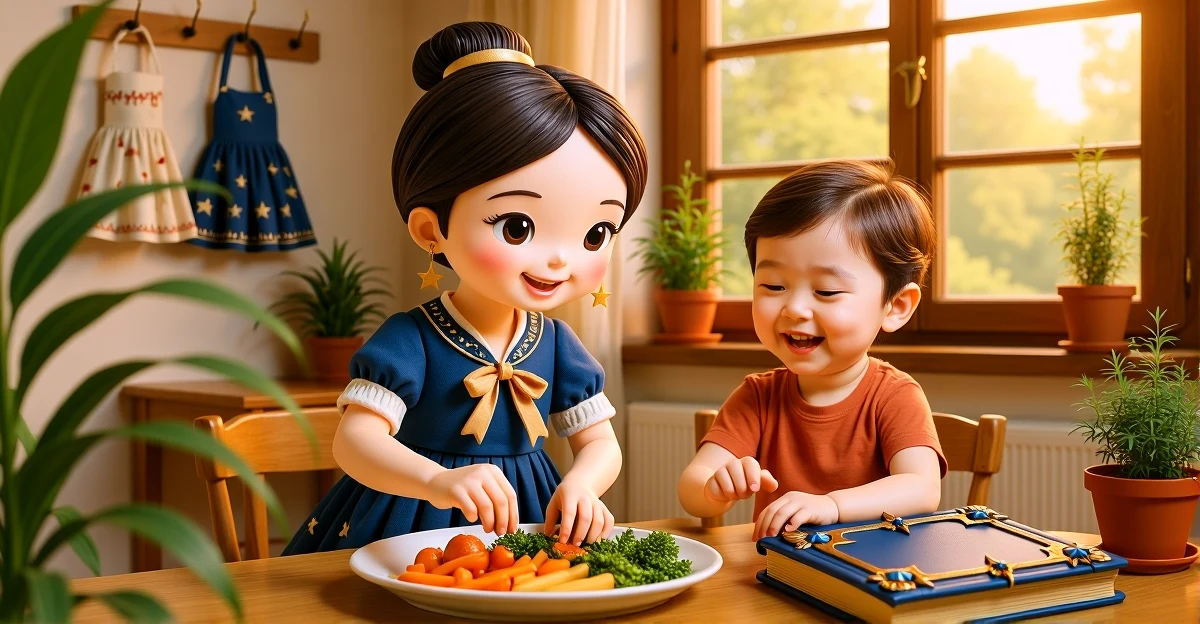
Instead of expecting your child to mentor or teach, create opportunities for age-appropriate helping. Maybe your child can help you water plants together. Maybe they can hold the door for someone. Maybe they can help set the table. These small acts of helpfulness build confidence and competence without the complexity of teaching or mentoring.
4. Celebrate the Helping They Already Do
When your child shares a toy, when they comfort a friend who is sad, when they help you with a simple task, notice it. Name it. Let them know you see their kindness. This builds their identity as a helpful person and encourages more helping behaviors naturally.
5. Be Patient With the Timeline
Some children develop strong helping and teaching behaviors earlier. Some develop them later. Both paths are normal. Both paths are fine. Your child will get there in their own time, especially when they feel supported rather than pressured. Trust the process. Trust your child.
A Story That Can Help
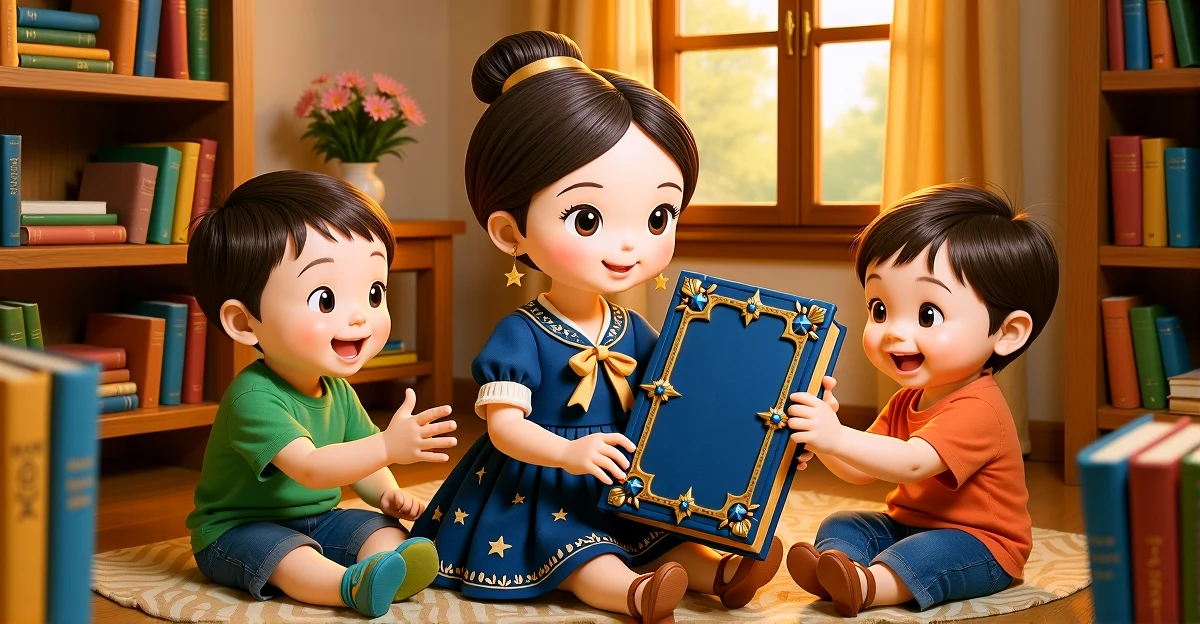
In The Book of Inara, we have a beautiful story that shows this concept so gently and perfectly:
The Vision Keepers of Clarity Lane
Perfect for: Ages 6-7
What makes it special: Lucas and Ella discover that an eye doctor office holds magical memories of everyone who learned to see clearly. When they meet a scared younger child who needs help, they learn something wonderful: helping does not require being perfect or knowing everything. It just requires caring and being present for someone who needs support.
Key lesson: Helping others is not about having all the answers or being the expert. It is about kindness, empathy, and showing up with a caring heart. These are things your child is already learning, right now, at their own perfect pace.
How to use this story: After reading together, you might talk with your child about times when someone helped them feel brave. You might explore small ways they could help others when they feel ready, without any pressure or expectation. You might simply enjoy the story and let its gentle message sink in naturally.
You Are Doing Beautifully
Here is what the Magic Book wants you to know: Your child is not behind. Your child is not selfish. Your child is not lacking in generosity. Your child is exactly where they need to be, developing the foundation for a lifetime of caring and helping, one small step at a time.
The research is clear. Children who grow up in environments where helping feels natural, where adults model kindness, where there is patience for developmental timelines, these children develop beautiful prosocial skills. Not because they were pushed. Because they were supported.
So take a deep breath. You are doing beautifully. Your child is doing beautifully. This is not a problem to fix. This is development to honor and support.
The Magic Book and I are always here for you, cheering you on, believing in you and your wonderful child.
With love and starlight,
Inara
Related Articles
- When Screen Time Ends in Meltdowns: Understanding Your Child's Brain and What Actually Helps (Ages 5-6)
- When Your Child Feels Invisible: Understanding Social Isolation and the Gentle Path to Friendship
- How to Help Your Child Develop Teaching and Mentoring Abilities: A Research-Based Guide (Ages 5-6)
- Teaching Financial Wisdom to Your 5-6 Year Old: A Gentle Guide to Money and Economics
- Nurturing Your Child's Generous Spirit: Why 6-7 Year Olds Resist Mentoring (And How to Help)
Show transcript
Hello, my wonderful friend! It is me, Inara, and I am SO happy you are here today. You know, the Magic Book and I have been noticing something beautiful happening in homes all around the world. Parents are asking about their five and six year old children and helping behaviors, and I want to share something with you that might just change how you see this whole situation.
So, your child does not seem interested in helping younger children or sharing what they know. Maybe you have noticed them turning away when a younger sibling needs help, or seeming uninterested when you suggest they teach something to a friend. And you might be wondering, is something wrong? Should they be more generous? More willing to mentor?
Let me tell you something WONDERFUL. What you are seeing is not a problem. It is normal, healthy, beautiful development.
The Magic Book has shown me something fascinating about how children grow into their capacity for helping and teaching others. And the research, oh my friend, the research is so reassuring!
Studies from around the world, across twelve different countries, have found that while children show natural kindness from a very young age, the ability to mentor and teach others is a complex skill that develops gradually throughout childhood. At ages five and six, your child is in a transitional phase. They are learning to recognize when others need help. They are developing empathy. They are building the foundation for generosity. But they may not yet have the cognitive flexibility or emotional regulation needed for sustained teaching or mentoring.
And that is perfectly, beautifully normal.
Think about what mentoring actually requires. It requires understanding what someone else knows and does not know. It requires patience when someone learns more slowly than you. It requires managing your own feelings when teaching feels frustrating. It requires the ability to explain something in a way another person can understand. These are sophisticated skills that continue developing well into the elementary years and beyond.
The National Association for the Education of Young Children tells us that prosocial skills like helping and teaching develop best in the context of trusting relationships, through gentle modeling, and with patient coaching. Not through pressure. Not through expectation. Through connection and example.
So what can you do? How can you support your child is growing capacity for generosity and helping without pushing them before they are ready?
First, validate where they are right now. Your five or six year old is learning so many things. They are navigating friendships, managing big feelings, discovering their own interests and abilities. They are doing important developmental work, and that work deserves to be honored.
Second, model helping behavior yourself. When your child sees you helping others with warmth and joy, when they hear you talking about how good it feels to support someone, when they experience being helped by you in gentle, patient ways, they are learning what helping looks like. They are building the template for their own future helping behaviors.
Third, create low pressure opportunities for age appropriate helping. Maybe your child can help you water plants together. Maybe they can hold the door for someone. Maybe they can help set the table. These small acts of helpfulness build confidence and competence without the complexity of teaching or mentoring.
Fourth, celebrate the helping they already do. When your child shares a toy, when they comfort a friend who is sad, when they help you with a simple task, notice it. Name it. Let them know you see their kindness. This builds their identity as a helpful person.
And fifth, be patient with the timeline. Some children develop strong helping and teaching behaviors earlier. Some develop them later. Both paths are normal. Both paths are fine. Your child will get there in their own time, especially when they feel supported rather than pressured.
Now, I want to tell you about a story in The Book of Inara that shows this so beautifully. It is called The Vision Keepers of Clarity Lane. In this story, Lucas and Ella discover that an eye doctor office holds magical memories of everyone who learned to see clearly. And when they meet a scared younger child who needs help, they learn something wonderful. Helping does not require being perfect or knowing everything. It just requires caring and being present for someone who needs support.
What I love about this story is how it shows that helping others is not about having all the answers or being the expert. It is about kindness. It is about empathy. It is about showing up with a caring heart. And those are things your child is already learning, right now, at their own perfect pace.
After you read this story together, you might talk with your child about times when someone helped them feel brave. You might explore small ways they could help others when they feel ready, without any pressure or expectation. You might simply enjoy the story and let its gentle message sink in naturally.
Because here is what the Magic Book wants you to know. Your child is not behind. Your child is not selfish. Your child is not lacking in generosity. Your child is exactly where they need to be, developing the foundation for a lifetime of caring and helping, one small step at a time.
The research is clear. Children who grow up in environments where helping feels natural, where adults model kindness, where there is patience for developmental timelines, these children develop beautiful prosocial skills. Not because they were pushed. Because they were supported.
So take a deep breath, my friend. You are doing beautifully. Your child is doing beautifully. This is not a problem to fix. This is development to honor and support.
The Magic Book and I are always here for you, cheering you on, believing in you and your wonderful child. Until our next adventure together, with love and starlight, Inara.